Onychogryphosis: Causes, Treatment & Prevention Guide
Understanding ram's horn nails: causes, symptoms, diagnosis, and effective treatment strategies for this common nail disorder.
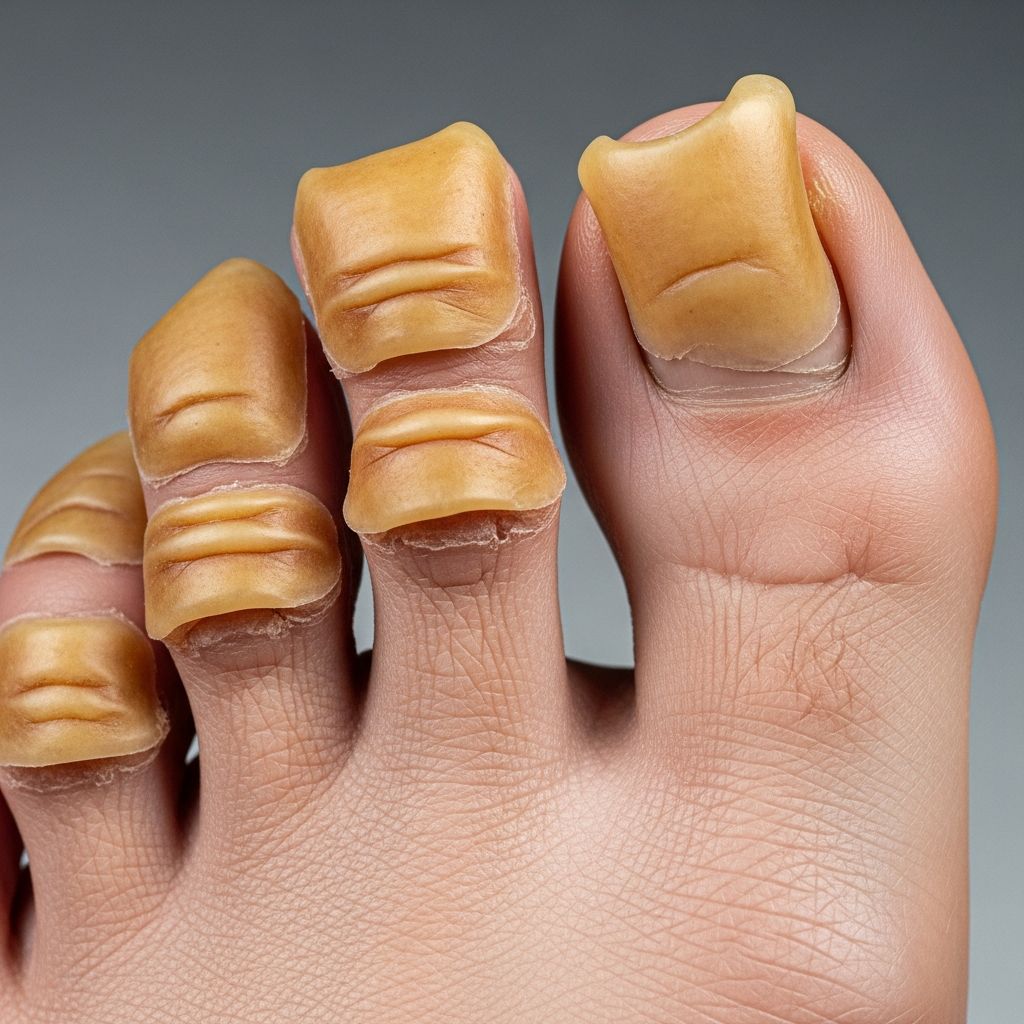
Onychogryphosis, commonly referred to as ram’s horn nails or claw nails, is a nail disorder characterized by extreme thickening and curvature of the nail plate, resembling the horn of a ram. This condition primarily affects the toenails, especially the great toe, but can involve fingernails in rare cases. It arises from continuous, abnormal growth of the nail matrix, leading to a hypertrophic, spiral-shaped nail that is difficult to manage.
What is onychogryphosis?
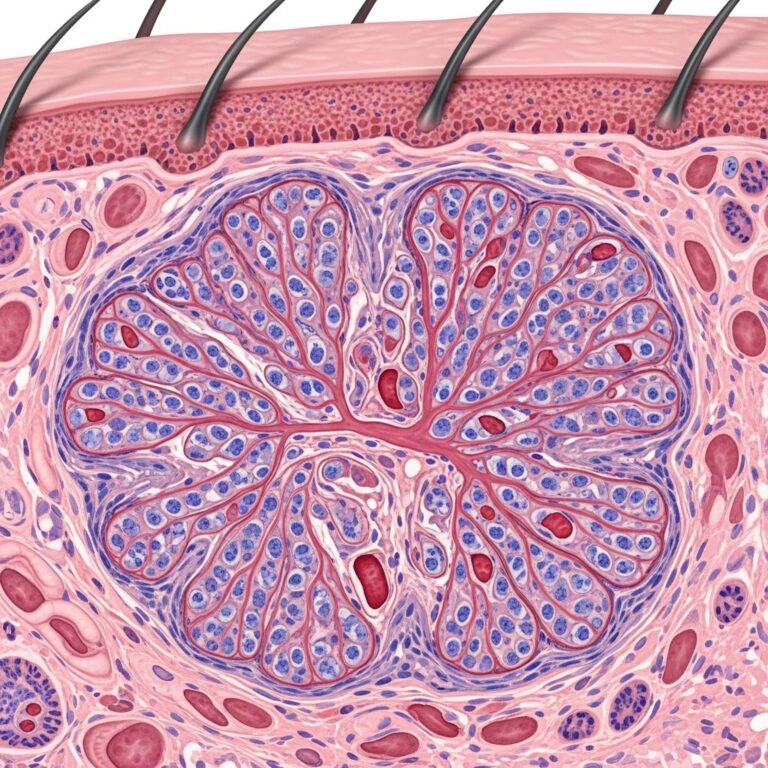
Onychogryphosis represents a hypertrophy of the nail unit where the nail plate becomes grossly thickened, elongated, and curved, often growing in a lateral or spiral direction. The term derives from Greek words ‘onyx’ (nail), ‘gryphos’ (hook or claw), and ‘osis’ (abnormal condition). Clinically, it presents as an opaque, yellow-brown nail plate with irregular growth patterns. Histologically, affected keratinocytes show disorderly arrangement, hyperchromatism, parakeratosis, and splits in the nail structure. The condition is more prevalent in older adults due to reduced nail care, poor peripheral circulation, and cumulative trauma, but it can occur at any age depending on predisposing factors.
Established facts highlight onychogryphosis as a common issue in elderly patients and those with neglectful hygiene, potentially causing pain, paronychia (inflammation around the nail), onychocryptosis (ingrown nails), and cosmetic embarrassment if untreated. Novel insights emphasize conservative management through pressure reduction and debridement, with definitive surgical intervention for recurrence prevention.
Who gets onychogryphosis?
Onychogryphosis predominantly affects older individuals, particularly those over 60, due to age-related changes in nail growth and decreased mobility impacting self-care. It is more common in men and individuals with limited access to podiatric care. Risk factors include:
- Advanced age and poor personal hygiene
- Impaired peripheral circulation from conditions like peripheral artery disease (PAD)
- Repetitive foot trauma, such as from ill-fitting shoes or occupational pressure
- Underlying systemic diseases including diabetes, ichthyosis, and fungal infections (onychomycosis)
- Genetic predispositions or neglected nail care
Young adults may develop it secondary to trauma or infections, while older adults face higher risks from vascular issues and immobility. Smoking exacerbates vascular contributions to the condition.
Causes of onychogryphosis
The precise etiology remains multifactorial, combining genetic, traumatic, infectious, and vascular elements. Key causes include:
- Trauma: Repeated microtrauma from tight shoes, hammertoes, or occupational foot stress damages the nail matrix, leading to deformed growth.
- Fungal infections (Onychomycosis): Up to 50% of cases link to fungal overgrowth, causing thickening and brittleness; diagnosed via nail scrapings.
- Peripheral vascular disease (PAD): Plaque buildup reduces blood flow, impairing normal nail growth; smoking is a primary risk.
- Ichthyosis: Genetic skin disorder with retained dead cells, resulting in deformed nails.
- Other factors: Diabetes, poor hygiene, prolonged bed rest, and psoriasis contribute by altering nail matrix function.
In many cases, no single cause is identified, suggesting a combination of mechanical pressure and reduced nail bed vascularity.
Clinical features of onychogryphosis
The hallmark is a massively hypertrophied nail plate, typically on the great toenail, appearing yellow-brown, thickened (often >3mm), elongated beyond the toe tip, and curved laterally like a ram’s horn. Symptoms include:
- Pain or tenderness, worsened by shoe pressure
- Difficulty trimming nails due to hardness and shape
- Increased infection risk from trapped debris
- Ingrown edges causing paronychia or cellulitis
- Functional limitations in walking or sports
Nails may spiral, branch, or grow irregularly, with surrounding hyperkeratosis. Severity varies from mild thickening to severe deformity impairing daily life.
Related Stories



Diagnosis
Diagnosis is primarily clinical, based on characteristic appearance: thickened, curved, discolored nails. Podiatrists confirm via physical exam, assessing for underlying causes like fungal infection (via microscopy/culture) or vascular issues (via Doppler ultrasound for PAD). Differential diagnoses include:
- Onychomycosis (fungal thickening without extreme curve)
- Psoriatic nail dystrophy
- Subungual tumors or exostoses
- Pachyonychia congenita (genetic thickening)
Histology, if biopsied, shows disorganized keratinocytes. Imaging rules out bony abnormalities.
What is the treatment for onychogryphosis?
Treatment ranges from conservative to surgical, tailored to severity, symptoms, and comorbidities. Early intervention prevents progression.
Conservative management
For mild cases:
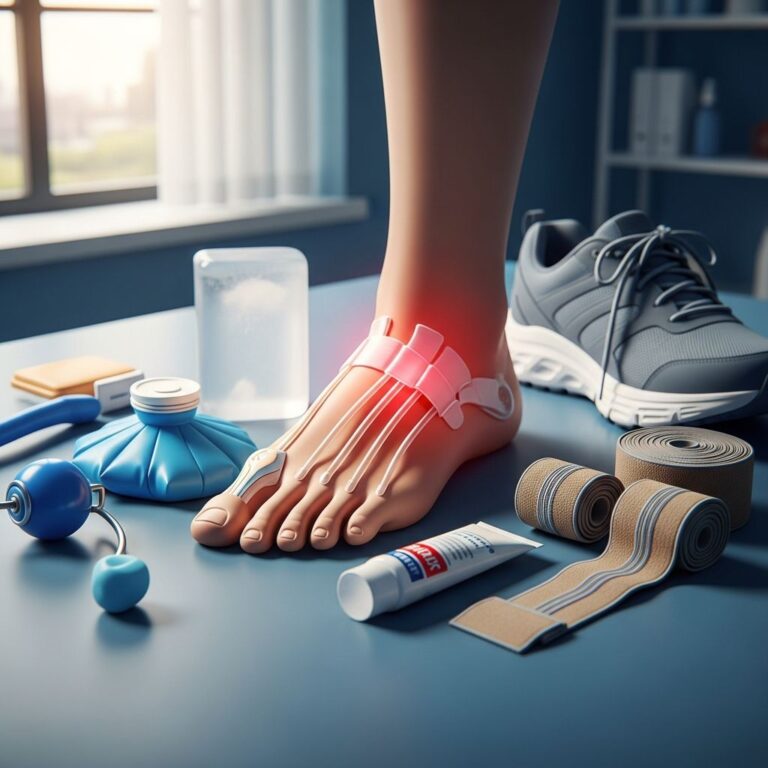
- Regular professional trimming/filing with specialized tools to reduce bulk
- Proper footwear to minimize pressure; orthotics for toe alignment
- Foot hygiene: daily cleaning, drying to prevent infection
- Topical antifungals or urea paste (40%) for softening/debridement
- Address underlying causes (e.g., antibiotics for infection, smoking cessation for PAD)
These provide palliation but high recurrence risk (up to 93% after simple trimming).
Surgical treatments
Indicated for symptomatic, recurrent, or severe cases. Definitive approach: nail avulsion + matricectomy (matrix destruction) to prevent regrowth.
| Method | Description | Advantages | Recurrence Rate |
|---|---|---|---|
| Simple Nail Avulsion | Removal of nail plate alone | Quick, minimal invasion | High (93% at 12 months) |
| Phenol Matricectomy | Chemical ablation post-avulsion | Low recurrence, less pain | Low; superior to excision |
| CO2 Laser Ablation | Laser destroys matrix | Precise, faster healing | Low |
| Surgical Excision | Cold steel or electrosurgery matrix removal | Effective for wide matrix | Variable |
Post-op care includes bandaging, pain management, and monitoring for infection. Phenolization shows fewer recurrences than Zadik procedure. Vascular assessment ensures healing.
Prevention
Preventive strategies focus on risk reduction:
- Wear well-fitted shoes avoiding trauma
- Maintain nail hygiene; trim regularly
- Treat fungal infections promptly
- Manage vascular health: quit smoking, control diabetes
- Avoid nail polish trapping moisture[10]
Frequently Asked Questions
Can onychogryphosis be cured permanently?
Yes, surgical matricectomy offers permanent resolution by destroying the nail matrix, though conservative methods manage but do not cure.
Is onychogryphosis painful?
Often yes, due to pressure, ingrown edges, or infection; pain intensifies with footwear.
Does it affect fingernails?
Rarely; primarily toenails, especially great toe.
How long does recovery take after surgery?
2-4 weeks for healing, with laser methods faster.
Can home remedies work?
Limited; professional care essential to avoid complications.
References
- Onychogryphosis (Ram’s Horn Nails): Causes & Treatment — Healthline. 2023-10-15. https://www.healthline.com/health/onychogryphosis
- Onychogryphosis: Case Report and Review of the Literature — PMC (PMC6219229). 2018-11-01. https://pmc.ncbi.nlm.nih.gov/articles/PMC6219229/
- Onychogryphosis — Slocum Center for Orthopedics & Sports Medicine. 2024-01-20. https://slocumcenter.com/conditions/onychogryphosis/
- Onychogryphosis – DermNet — DermNet NZ. 2025-05-12. https://dermnetnz.org/topics/onychogryphosis
- Onychogryphosis – Symptoms, Causes, and Treatment Options — Balance Health. 2024-08-05. https://balancehealth.com/services/onychogryphosis-causes-symptoms-and-treatment-options/university-foot-and-ankle-institute/
Similar Articles








Read full bio of medha deb