Onycholysis: Causes, Symptoms, and Treatment
Complete guide to nail separation: understanding causes, symptoms, diagnosis, and effective treatment options.
What Is Onycholysis?
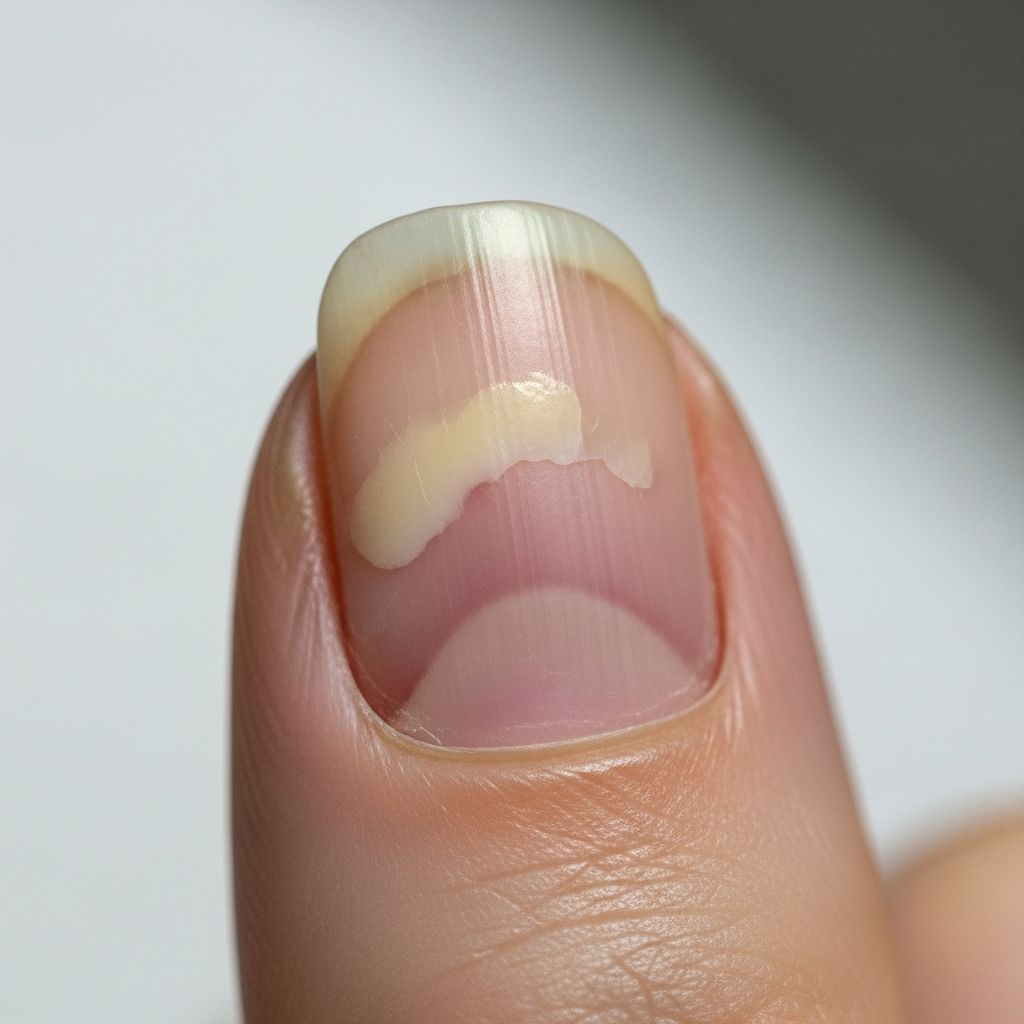
Onycholysis is a medical condition characterized by the separation of a fingernail or toenail from its underlying nail bed. This separation typically occurs gradually and is painless, though it can persist for several months or even longer than a year. The condition becomes visually apparent when the detached portion of the nail takes on a white or opaque appearance due to air becoming trapped between the nail and the bed. While onycholysis itself is not necessarily dangerous, it can indicate an underlying health condition that warrants professional evaluation.
The most common manifestation of onycholysis occurs in the toenails, where trauma and repetitive impact from walking or running in ill-fitting shoes are primary culprits. However, fingernail onycholysis can also develop from various causes including fungal infections, chemical exposure, and systemic health conditions. Understanding the underlying cause is essential for determining the appropriate treatment approach and preventing recurrence.
Understanding the Causes of Onycholysis
Onycholysis can result from numerous factors, each requiring different management strategies. Identifying the specific cause is critical for effective treatment and prevention of future episodes.
Trauma and Mechanical Injury
Trauma remains the most prevalent cause of onycholysis, particularly in toenails. This includes both acute injuries such as stubbing the toe and chronic repetitive trauma. Wearing ill-fitting shoes that place excessive pressure on the nails, participating in activities that involve repetitive impact, or nail bed injury from aggressive nail trimming can all contribute to nail separation. Even minor trauma can trigger onycholysis when it occurs repeatedly over time.
Fungal Infections
Onychomycosis, a fungal infection of the nail, represents a significant cause of onycholysis. Fungal nail infections occur when organisms such as dermatophytes, Candida albicans, or nondermatophyte molds invade the nail structure. Distal subungual onychomycosis, the most common form, begins at the nail bed and progresses proximally, causing nail plate detachment and subungual hyperkeratosis. This creates an ideal environment for bacterial and mold overgrowth, resulting in the characteristic yellowish-brown discoloration seen in advanced infections.
Chemical and Environmental Exposure
Harsh chemicals used in nail care products, cleaning agents, or occupational exposures can irritate the nail unit and lead to separation. Frequent exposure to water, detergents, or strong cleaning solutions may compromise the integrity of the nail-bed interface. Additionally, photosensitizing medications combined with sun exposure can induce onycholysis as an adverse reaction.
Systemic Health Conditions
Various underlying medical conditions can precipitate onycholysis. These include iron deficiency anemia, hyperthyroidism, diabetes mellitus, and other metabolic disorders. Psoriasis and other skin conditions may manifest as nail separation, while allergic reactions can also trigger onycholysis. Yellow nail syndrome, a rare clinical condition characterized by lymphedema and dystrophic nails, frequently presents with pronounced onycholysis.
Medications
Certain pharmaceutical agents, particularly those with photosensitizing properties, may induce onycholysis as a side effect. If onycholysis develops following the initiation of a new medication, discussing this with your healthcare provider is important, as alternative medications may be available.
Idiopathic Causes
In some cases, no identifiable underlying cause can be determined despite thorough investigation. This idiopathic onycholysis may still resolve with appropriate supportive care and nail hygiene measures.
Related Stories



Recognizing Symptoms of Onycholysis
Onycholysis presents with several characteristic clinical features that vary in severity among affected individuals:
Nail Separation
The most obvious sign is visible separation of the nail from the nail bed, typically beginning at the tip or lateral edges of the nail. This separation gradually progresses over time as the condition advances.
Discoloration Changes
The separated portion of the nail appears white or opaque due to air accumulation between the nail and bed. In fungal infections, the nail may display yellowish-brown discoloration resulting from subungual debris and hyperkeratosis.
Nail Texture Alterations
The affected nail often becomes thicker than normal nails, and the nail surface may develop a rough, brittle quality that makes it prone to cracking or crumbling. This textural change can make the nail more susceptible to further damage.
Discomfort and Sensitivity
While onycholysis typically remains painless, some individuals experience mild discomfort or sensitivity in the affected area, particularly if secondary bacterial infection develops.
How Onycholysis Is Diagnosed
Diagnosis of onycholysis primarily relies on clinical examination, though additional testing may be necessary to identify underlying causes.
Visual and Physical Examination
A healthcare provider will carefully examine the affected nail and surrounding skin structures. The clinician will assess the extent of nail separation, note the color and appearance of both the nail and nail bed, and evaluate the surrounding skin for signs of infection or inflammation. This visual inspection often provides sufficient information to confirm onycholysis diagnosis.
Patient History Assessment
Your doctor will obtain a detailed history including recent trauma, chemical exposures, medication use, and any systemic health conditions. Understanding the timeline of symptom onset and any recent changes in nail care practices helps guide the diagnostic process.
Additional Diagnostic Testing
When the underlying cause is not apparent from examination and history, additional investigations may include:
- Fungal culture and microscopy to identify fungal infections
- Blood tests to evaluate for iron deficiency, thyroid dysfunction, and diabetes
- Dermoscopy or specialized nail imaging if available
- Biopsy in rare cases where diagnosis remains uncertain
Treatment Approaches for Onycholysis
Treatment strategies depend on the underlying cause and severity of nail separation:
Conservative Management
For trauma-related onycholysis without infection, conservative measures often suffice. These include keeping nails trimmed short, wearing properly fitting shoes, protecting the nail from further injury, and maintaining good nail hygiene. Avoiding moisture exposure and harsh chemicals helps prevent secondary complications.
Treatment of Underlying Conditions
Addressing systemic causes is essential for resolution. This may include iron supplementation for anemia, thyroid medication for hyperthyroidism, or diabetes management. Treating psoriasis or other dermatologic conditions with appropriate dermatologic therapies can improve nail separation.
Antifungal Therapy
When fungal infection causes onycholysis, oral antifungal medications such as fluconazole have demonstrated high cure rates, though extended treatment periods averaging 9.3 months may be necessary. Topical antifungal agents, including 40% urea ointment combined with systemic therapy, can enhance treatment efficacy. Newer oral antifungals offer improved effectiveness with fewer adverse effects compared to older agents like griseofulvin and ketoconazole.
Chemical and Irritant Avoidance
Minimizing exposure to harsh chemicals, water, and detergents promotes healing. Wearing protective gloves during cleaning activities and using gentle nail care products can accelerate recovery from chemical-induced onycholysis.
Nail Care Modifications
Keeping nails short reduces mechanical stress on the separated nail. Avoiding aggressive trimming, harsh filing, and nail polish use allows the nail to reattach properly to the nail bed.
Prevention Strategies
Several measures can help prevent onycholysis development or recurrence:
- Wear properly fitting shoes that do not apply excessive pressure to toenails
- Trim nails carefully and straight across, avoiding aggressive trimming techniques
- Use gentle nail care products and avoid harsh chemicals
- Wear protective gloves when handling cleaning agents or harsh substances
- Keep nails dry and avoid prolonged water exposure
- Maintain proper foot hygiene to prevent fungal infections
- Address underlying health conditions promptly
- Avoid repetitive trauma to nails during sporting or occupational activities
When to Seek Medical Attention
Contact your healthcare provider or podiatrist in the following situations:
- Onycholysis appears alongside systemic symptoms including fatigue, dizziness, weakness, headaches, sore tongue, or rapid heartbeat
- Symptoms do not improve after several months of appropriate treatment
- The skin around affected nails shows signs of infection with red, purple, gray, or white discoloration, irritation, and swelling
- Multiple nails are affected or symptoms progress rapidly
- You experience pain or drainage from the nail unit
Frequently Asked Questions About Onycholysis
Q: How long does it take for onycholysis to resolve?
A: Recovery duration varies depending on the underlying cause. Trauma-related onycholysis may improve within several months as the nail grows, while fungal infections can require 9-12 months of treatment. Complete resolution depends on identifying and addressing the root cause.
Q: Can onycholysis occur in both fingernails and toenails?
A: Yes, onycholysis can affect either fingernails or toenails, though toenail involvement is more common due to repeated trauma from walking and shoe pressure. Fungal infections more frequently affect toenails, while chemical exposure and systemic conditions can cause separation in both.
Q: Is onycholysis contagious?
A: Onycholysis itself is not contagious. However, if the cause is a fungal infection, the fungus can potentially spread to other nails or to other individuals through direct contact or contaminated surfaces.
Q: Can I wear nail polish if I have onycholysis?
A: It is generally recommended to avoid nail polish during treatment for onycholysis, as it can trap moisture between the nail and bed, worsening the condition and creating an environment favorable to fungal growth.
Q: Will my nail reattach to the nail bed?
A: Yes, with appropriate treatment and removal of the underlying cause, the nail can reattach as it grows. However, the separated portion of the nail will eventually grow out and be replaced by new healthy nail growth.
Q: Are there preventive measures for trauma-related onycholysis?
A: Yes, wearing properly fitting shoes, protecting toenails during sports or activities, being careful with nail trimming, and avoiding repetitive nail trauma can significantly reduce the risk of developing trauma-related onycholysis.
References
- What is Onycholysis? — Sweeney Foot & Ankle Specialist. Accessed 2025. https://info.sweeneyfootankle.com/blog/what-is-onycholysis
- Onychomycosis: Pathogenesis, Diagnosis, and Management — National Center for Biotechnology Information (NCBI). PMC. https://pmc.ncbi.nlm.nih.gov/articles/PMC88888/
- Fungal Nail Infection: Assessing the New Treatment Options — Cleveland Clinic Journal of Medicine. 2003. https://www.ccjm.org/content/ccjom/70/2/110.full.pdf
- The Health Warnings Hidden in Your Fingernails — Cleveland Clinic. 2024. https://health.clevelandclinic.org/nails-and-your-health
- Recurrent Pericardial Effusions and Pericarditis Due to Yellow Nail Syndrome — National Center for Biotechnology Information (NCBI). PMC. https://pmc.ncbi.nlm.nih.gov/articles/PMC10107038/
Similar Articles








Read full bio of Sneha Tete