Onycholysis: Causes, Symptoms, and Treatment
Understanding nail separation: A comprehensive guide to causes, symptoms, and recovery.
Understanding Onycholysis: What You Need to Know
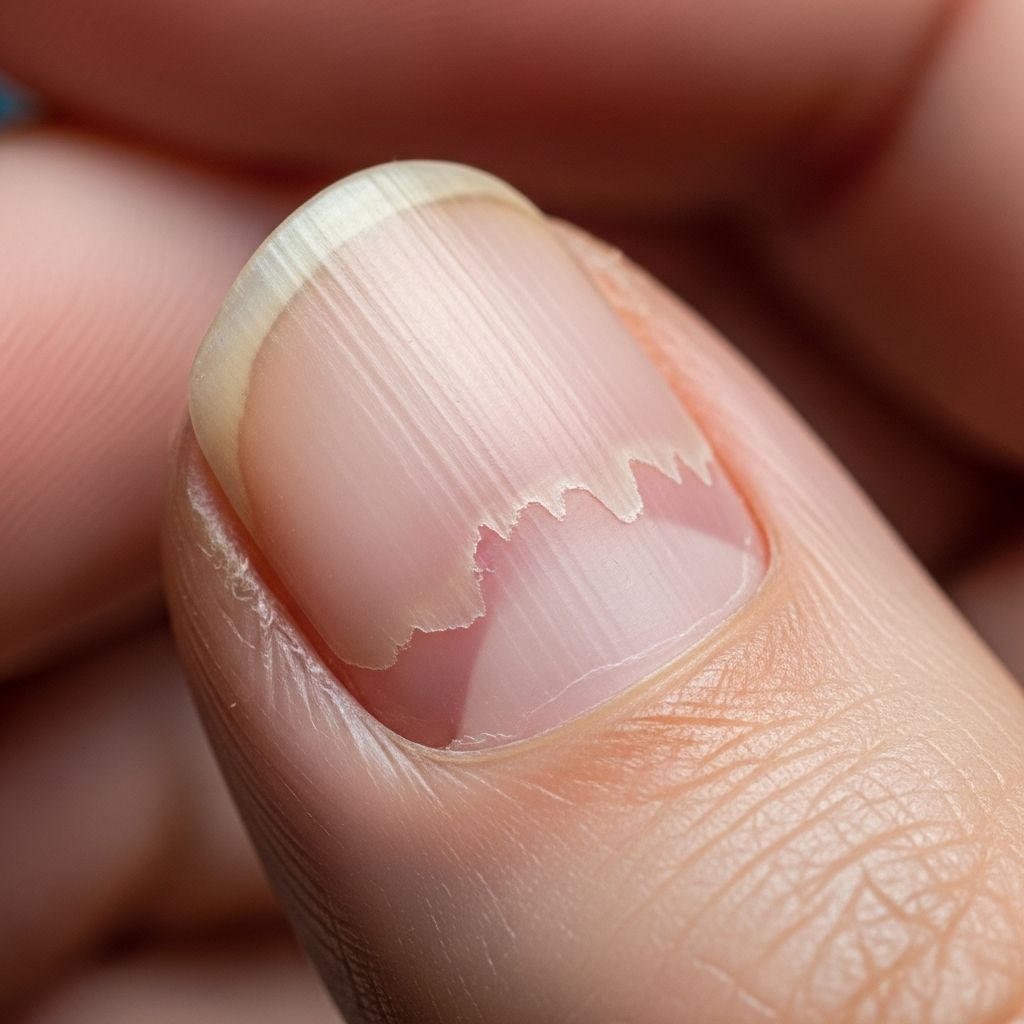
Onycholysis is a medical condition in which a nail separates from the nail bed underneath it. This common condition typically appears as the nail lifting or peeling away from the skin beneath, creating a visible gap between the nail plate and the underlying tissue. While onycholysis is usually painless, it can be cosmetically concerning and may indicate an underlying health issue that requires attention.
The detached portion of the nail will not reattach to the nail bed. Instead, treatment focuses on managing the underlying cause and allowing new nail growth to replace the affected nail. Understanding the causes, symptoms, and treatment options can help you manage this condition effectively.
What Causes Onycholysis?
Onycholysis can develop for multiple reasons, ranging from physical trauma to underlying medical conditions. Identifying the cause is essential for proper treatment.
Trauma and Injury
Physical injury is one of the most common causes of onycholysis. Trauma to the nail can occur through:
- Banging or striking the nail against a hard surface
- Constant tapping of nails against hard objects
- Wearing tight-fitting shoes that apply pressure to toenails
- Aggressive pushing of manicure tools too far under the nail
- Excessive length of natural or artificial nails causing mechanical stress
When onycholysis results from nail injury or trauma, it will most likely heal as the nail naturally grows out. However, the healing process takes time, as nails grow slowly.
Fungal and Bacterial Infections
Fungal and bacterial infections can develop in the tissue beneath the nail, leading to onycholysis. Fungal nail infections cause the loose part of the nail to turn white and may present additional symptoms including yellow discoloration, thick nails, white spots or streaks, nail deformity, unpleasant odor, and a fragile or bulky appearance. These infections require specific treatment to prevent spread and promote healing.
Autoimmune and Medical Conditions
Several autoimmune diseases are associated with onycholysis. These include:
- Psoriasis
- Hyperthyroidism
- Type 1 diabetes
Nutritional deficiencies can also trigger onycholysis. Iron deficiency anemia and pellagra (caused by vitamin B3 deficiency) are known to cause nail separation. Additionally, hypoalbuminemia and zinc deficiency may contribute to nail health problems.
Chemical and Medication Reactions
Exposure to harsh chemicals and certain medications can cause onycholysis. Common triggers include:
- Allergic reactions to nail polish or chemical nail polish removers
- Reactions to artificial nail tips and glues
- Anticancer therapies, such as capecitabine or taxane-based treatments
- Psoralen-based medications combined with UV irradiation (photo-onycholysis)
Recognizing the Symptoms
The symptoms of onycholysis are typically straightforward to identify. The primary symptom is the visible separation of the nail from the nail bed, often with the nail peeling upward.
Primary and Secondary Symptoms
Besides nail separation, you may notice:
- A sharply defined border between the attached and detached portions of the nail
- Color changes in the nail or nail bed, including white, yellow, green, purple, or gray discoloration
- Thickened skin beneath the detached part of the nail
- Crumbly or fragile nails
- Hemorrhages (bleeding) under the nails in acute cases
Related Stories



Onycholysis is usually not painful in itself, though the underlying cause may be irritating or uncomfortable. Color changes depend on the cause—for example, fungal infections typically produce yellow or white nails, while trauma may result in discoloration from bleeding under the nail.
When to Seek Medical Attention
While onycholysis is easy to spot visually, determining the underlying cause may require professional evaluation. You should consult a healthcare provider, particularly a dermatologist, if:
- Onycholysis affects multiple nails across your fingers or toes
- You suspect a fungal or bacterial infection
- The condition persists despite home care
- You have underlying health conditions that might contribute to nail problems
Diagnosis and Testing
Onycholysis is easy to recognize visually, so you don’t necessarily need professional diagnosis if you know the cause. However, identifying the underlying cause may require specific testing:
- Nail clipping examination: If fungal infection is suspected, your doctor may take a nail clipping to test for the presence of fungi
- Blood tests: Tests may be performed to rule out iron deficiency or hyperthyroidism
- Physical examination: Your healthcare provider will assess the extent and pattern of nail separation
Treatment Options
Treatment for onycholysis varies depending on the underlying cause. The first step is determining what is causing the nail to lift and treating that specific cause. Generally, managing the underlying cause will help relieve symptoms.
General Care Measures
Regardless of the cause, certain measures can help protect the nail and promote healing:
- Trimming the affected nail regularly to remove the detached portion
- Using antibacterial soaks to prevent secondary infections
- Avoiding activities or chemicals that may irritate the nail
- Protecting the nail from further trauma and moisture exposure
- Keeping the area clean and dry
Cause-Specific Treatments
For trauma-related onycholysis: The nail will typically heal as it grows out naturally. Protecting the nail from further injury and keeping it trimmed can speed comfort and prevent complications.
For fungal infections: Antifungal medications may be prescribed to treat the infection. Treatment may be topical or oral, depending on the severity.
For autoimmune conditions: Managing the underlying autoimmune disease (such as controlling psoriasis) will help improve nail health.
For nutritional deficiencies: Supplementing iron or vitamin B3 may be necessary if deficiency is confirmed through blood tests.
For medication reactions: Discontinuing or changing the offending medication, if possible, may resolve onycholysis.
Recovery Timeline
Recovery from onycholysis is largely dependent on nail growth, which is naturally slow. The detached nail cannot be reattached; instead, a new nail must grow in to replace it:
- Fingernails: Typically take 4 to 6 months to grow to full size
- Toenails: May take 8 to 12 months to fully regrow, sometimes taking twice as long as fingernails
Once a new nail has fully grown in, symptoms should resolve completely. However, if the underlying cause is not addressed, onycholysis may recur.
Potential Complications
Without proper treatment, onycholysis can result in complications. Most notably, untreated onycholysis can lead to disappearing nail bed (DNB), a condition where the nail bed gradually shortens or narrows, causing the nail plate itself to become shorter or narrower. This underscores the importance of addressing onycholysis and its underlying causes promptly.
Is Onycholysis Contagious?
Whether onycholysis is contagious depends entirely on its cause.
Non-contagious causes: Onycholysis resulting from trauma, psoriasis, chemical irritants, medications, or underlying medical conditions is not contagious.
Contagious causes: Onycholysis due to fungal infection is contagious and can spread through skin-to-skin contact or by touching infected surfaces. Public areas such as pools and showers, as well as shared items like towels, nail clippers, and nail scissors, can harbor and transmit fungal infections.
Can Onycholysis Heal on Its Own?
The answer depends on the cause. Onycholysis due to a nail injury, such as wearing tight shoes or bumping into a hard surface, will most likely heal as the nail grows out. However, onycholysis resulting from an underlying medical condition, such as a fungal infection, will require diagnosis and treatment of that underlying cause. With appropriate treatment, your nails will regrow and heal.
Frequently Asked Questions About Onycholysis
Q: Is onycholysis a fungal infection?
A: No, onycholysis is not itself a fungal infection. However, fungal infections can sometimes lead to onycholysis. The two conditions are related but distinct.
Q: How do I know if my onycholysis is caused by a fungus?
A: Fungal nail infections typically cause yellow and thick nails, often with white spots or streaks. Signs include nail deformity, an unpleasant odor, and a fragile or bulky appearance. Your doctor can perform nail clippings to test for fungal presence.
Q: What autoimmune diseases cause onycholysis?
A: The primary autoimmune conditions associated with onycholysis are psoriasis, hyperthyroidism, and type 1 diabetes.
Q: How serious is onycholysis?
A: Onycholysis usually isn’t painful and is often a cosmetic concern rather than a serious health threat. However, how serious it is depends on the underlying cause. It’s always a good idea to see a doctor to determine what’s triggering it, as some underlying causes (like certain infections or autoimmune conditions) require treatment.
Q: Can onycholysis be prevented?
A: While not all causes can be prevented, you can reduce your risk by avoiding nail trauma, using gentle manicure techniques, wearing properly fitting shoes, avoiding harsh chemicals on nails, and managing underlying health conditions. Maintaining good nutrition and treating infections promptly also help protect nail health.
Q: What vitamin deficiency causes onycholysis?
A: Iron deficiency can cause onycholysis. Pellagra, caused by low levels of niacin (vitamin B3), can also cause it.
References
- Onycholysis: Treatments for detached nails — Medical News Today. https://www.medicalnewstoday.com/articles/319851
- Onycholysis: Symptoms, Causes, and Treatment — Healthgrades. https://resources.healthgrades.com/right-care/skin-hair-and-nails/onycholysis
- Onycholysis: Causes, Symptoms, and Treatments — Healthline. https://www.healthline.com/health/onycholysis
- Onycholysis (Nail Separation): Symptoms, Causes & Treatment — Cleveland Clinic. https://my.clevelandclinic.org/health/diseases/22903-onycholysis
- Exposome Impact on Nail Health — PubMed Central/National Center for Biotechnology Information. https://pmc.ncbi.nlm.nih.gov/articles/PMC11147530/
Similar Articles








Read full bio of medha deb