Ophthalmologists: Medical Doctors for Eye Care
Discover why ophthalmologists, as fully trained medical doctors, are essential for comprehensive eye health, surgery, and disease management.
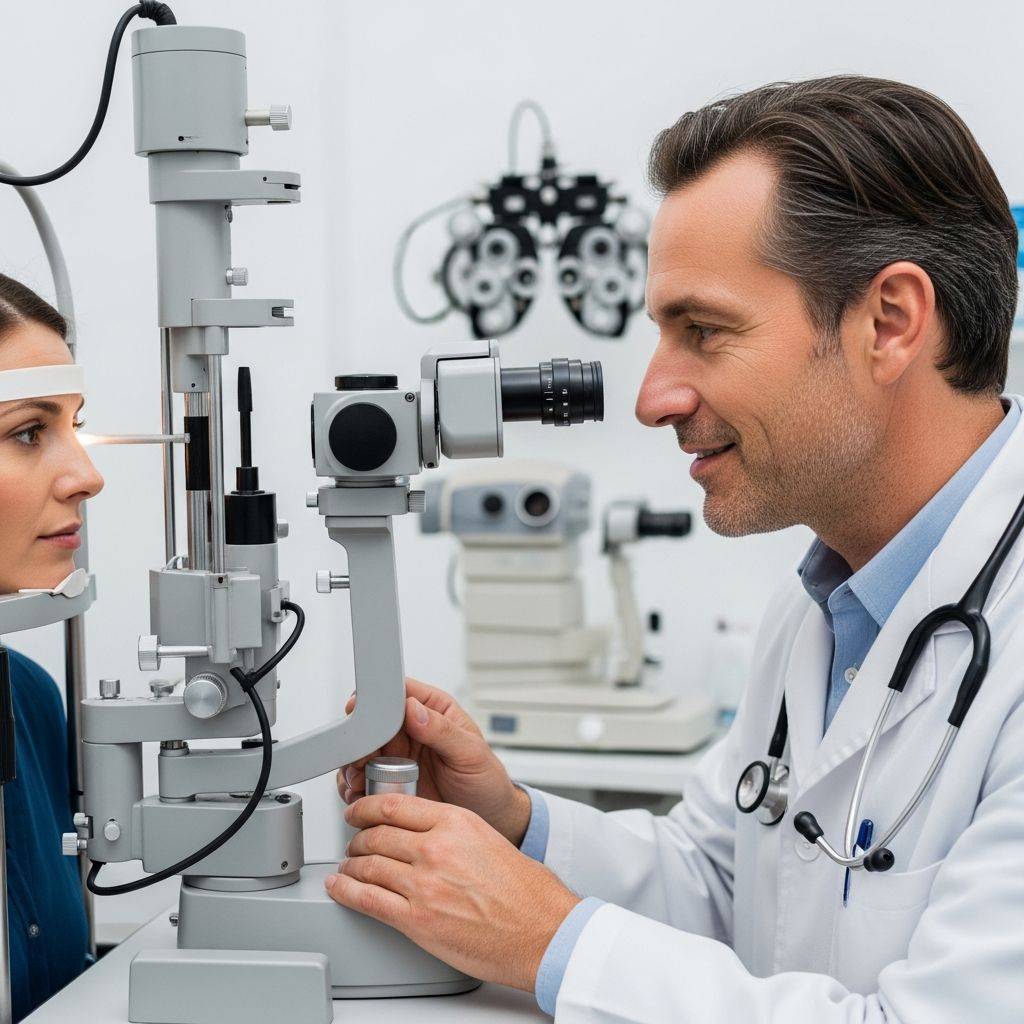
Ophthalmologists are physicians holding either an MD or DO degree, specializing in diagnosing, treating, and surgically managing eye conditions. Their extensive medical training equips them to handle everything from routine exams to complex surgeries, setting them apart from other eye care professionals.
The Rigorous Path to Becoming an Ophthalmologist
Becoming an ophthalmologist demands over a decade of education and hands-on training. Candidates start with a bachelor’s degree, typically four years, followed by four years of medical school to earn their MD or DO. This is succeeded by a minimum of four years in an ophthalmology residency, where they master surgical techniques and medical management of eye diseases. Many pursue additional one- to two-year fellowships in subspecialties like retina or glaucoma.
This pathway ensures ophthalmologists understand the eye’s anatomy within the body’s systemic context, allowing them to address conditions linked to diabetes, hypertension, or autoimmune disorders. Unlike shorter programs for other eye professionals, this depth prepares them for emergencies and complications.
Core Responsibilities and Services Provided
Ophthalmologists deliver full-spectrum eye care, including vision assessments, medical treatments, and surgeries. They prescribe glasses or contacts but excel in areas requiring medical intervention.
- Diagnostic Expertise: Detect early signs of glaucoma, cataracts, macular degeneration, and diabetic retinopathy through advanced imaging and tests.
- Medical Management: Prescribe medications for infections, allergies, inflammation, or chronic diseases like glaucoma.
- Surgical Proficiency: Perform procedures such as cataract removal, laser treatments for glaucoma, retinal repairs, and corrective surgeries like LASIK.
- Systemic Health Insights: Identify links between eye findings and whole-body issues, such as tumors or strokes, prompting referrals to other specialists.
- Subspecialty Care: Focus on pediatrics, neuro-ophthalmology, or oculoplastic surgery after fellowship training.
These capabilities make ophthalmologists vital for patients needing more than vision correction.
Ophthalmologists vs. Optometrists: Key Distinctions
While both professionals conduct eye exams, their training and scopes differ significantly. Optometrists earn a Doctor of Optometry (OD) after four years of optometry school post-undergraduate studies, focusing on vision testing and corrective lenses.
| Aspect | Ophthalmologist (MD/DO) | Optometrist (OD) |
|---|---|---|
| Education | 4 yrs undergrad + 4 yrs med school + 4+ yrs residency | 4 yrs undergrad + 4 yrs optometry school |
| Surgery | Yes, full training in laser and scalpel procedures | No surgical training |
| Medical Treatment | Comprehensive, including systemic conditions | Limited to certain eye meds |
| Primary Focus | Disease management and surgery | Vision correction and routine exams |
Ophthalmologists’ medical doctor status allows them to admit patients to hospitals and manage perioperative care, which optometrists cannot.
Emerging Roles: Medical Optometrists in the Mix
Some optometrists specialize as “medical optometrists” with extra residency in eye diseases like dry eye or diabetic retinopathy. They offer advanced diagnostics and therapies but still lack surgical privileges. This role bridges primary care but defers complex cases to ophthalmologists.
Subspecialties Within Ophthalmology
Post-residency, about 40% of ophthalmologists complete fellowships for niche expertise:
- Retina and Vitreous: Handle detachments, macular holes, and diabetic complications.
- Glaucoma: Advanced laser and implant surgeries to preserve vision.
- Pediatric Ophthalmology: Treat congenital issues, strabismus, and amblyopia in children.
- Oculoplastics: Eyelid surgeries, tear duct repairs, and cosmetic procedures.
- Cornea and External Disease: Transplants and infections management.
Related Stories



These specialists collaborate in multidisciplinary teams for optimal outcomes.
When to Choose an Ophthalmologist
Start with an optometrist for annual exams or glasses fittings. Seek an ophthalmologist if experiencing vision loss, pain, flashes, floaters, or chronic conditions like diabetes. They are essential post-injury, for surgical needs, or when optometrists detect abnormalities.
Regular visits to ophthalmologists benefit high-risk groups: those over 40, family history of eye disease, or systemic illnesses.
Benefits of Ophthalmologist-Led Care
Patients under ophthalmologists experience precise interventions reducing complication risks. Their holistic approach integrates eye health with overall wellness, preventing blindness from untreated conditions like glaucoma.
Studies affirm surgical outcomes improve with MD-trained providers due to complication anticipation skills.
Navigating Eye Care Teams
Many practices feature collaborative models: optometrists for routine care, referring to ophthalmologists for advanced needs. This ensures efficiency and expertise alignment.
Frequently Asked Questions (FAQs)
Is an ophthalmologist a real doctor?
Yes, ophthalmologists are medical doctors (MD or DO) with specialized eye training.
Can ophthalmologists prescribe glasses?
Absolutely, though many focus on medical/surgical care; they perform full exams.
Do I need a referral to see an ophthalmologist?
Often not, but check insurance; optometrists commonly refer for complex issues.
How often should I see an ophthalmologist?
Annually for routine care if at risk; more frequently for diseases.
What surgeries do ophthalmologists perform?
Cataract removal, LASIK, glaucoma implants, retinal repairs, and more.
Advancements in Ophthalmic Care
Ophthalmologists lead innovations like AI diagnostics, minimally invasive glaucoma surgery (MIGS), and gene therapies for inherited retinal diseases. Their medical foundation positions them to adopt these safely.
References
- Difference Between M.D. & O.D. — Conner Smith Eye Center. Accessed 2026. https://connersmitheyecenter.com/difference-between-m-d-o-d/
- What’s the difference between optometrists and ophthalmologists? — American Medical Association. Accessed 2026. https://www.ama-assn.org/practice-management/scope-practice/whats-difference-between-optometrists-and-ophthalmologists
- Optometrist vs. Ophthalmologist – Which Eye Doctor Should You See? — Medical Optometry America. Accessed 2026. https://moaeyes.com/blog/optometrist-vs-ophthalmologist-which-eye-doctor-should-you-see/
- What is the Difference Between an Ophthalmologist and an Optometrist? — Comp Eye West. Accessed 2026. https://www.compeyewest.com/blog/what-is-the-difference-between-an-ophthalmologist-and-an-optometrist/
- Eye Doctors: Optometrists and Ophthalmologists — WebMD. Accessed 2026. https://www.webmd.com/eye-health/eye-doctors-optometrists-ophthalmologists
Similar Articles








Read full bio of medha deb