Eye Care Experts: Ophthalmology Subspecialties
Discover the specialized branches of ophthalmology that protect and restore vision through advanced medical and surgical expertise.
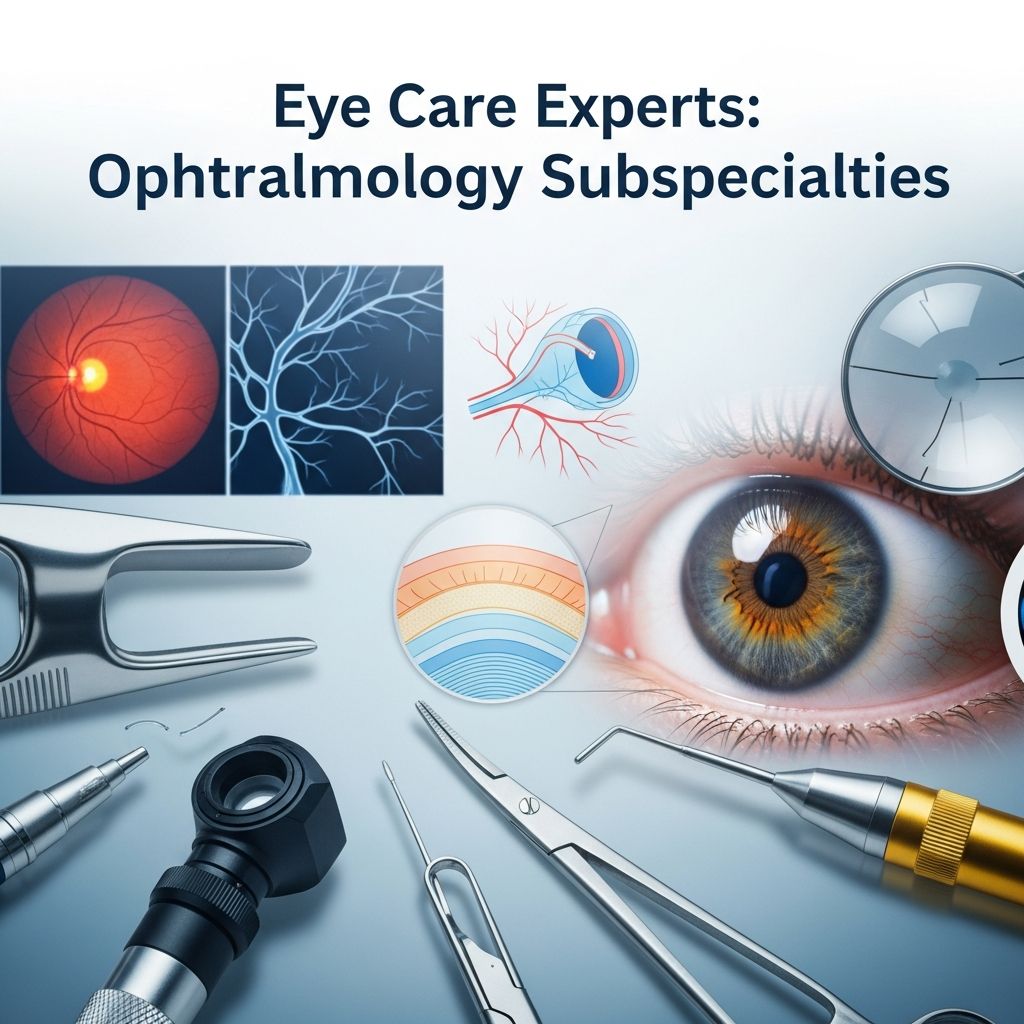
Ophthalmology encompasses a wide array of specialized fields dedicated to preserving vision and treating eye conditions. These subspecialists undergo extensive training to handle complex disorders that general eye doctors may refer to them for advanced care.
The Foundation of Ophthalmic Practice
Comprehensive ophthalmologists serve as the primary gatekeepers of eye health. They conduct thorough examinations, prescribe corrective lenses, diagnose common diseases, and perform surgeries like cataract removal. Early detection through routine check-ups is crucial, as many vision-threatening conditions progress silently until advanced stages.
After medical school and residency, many pursue fellowships lasting one to two years, honing skills in specific areas. This path equips them to tackle intricate issues involving delicate eye structures.
Retina and Vitreous Specialists: Guardians of Central Vision
Retina specialists focus on the light-sensitive layer at the back of the eye, essential for sharp vision. This thin tissue, packed with photoreceptor cells, converts light into signals sent to the brain via the optic nerve.
Common conditions they treat include age-related macular degeneration, diabetic retinopathy, retinal detachments, and macular holes. Diagnostic tools like optical coherence tomography enable precise imaging, while treatments range from anti-VEGF injections to vitrectomy surgery. These experts often engage in clinical trials, advancing therapies for blinding diseases.
- Key Conditions: Diabetic retinopathy, retinal tears, vein occlusions
- Treatments: Laser therapy, intravitreal injections, scleral buckling
- Training: 2-year fellowship post-residency
Cornea and External Disease Experts
The cornea, the eye’s clear front surface, acts as a protective barrier and primary focusing lens. Specialists in this area manage infections, dystrophies, and injuries affecting the ocular surface.
They perform corneal transplants, treat dry eye syndromes, and handle post-surgical complications. Advanced procedures like DALK (deep anterior lamellar keratoplasty) preserve healthy inner layers, improving outcomes. Refractive surgeries, such as LASIK, often fall under their expertise, correcting vision without glasses.
| Condition | Symptoms | Treatment Options |
|---|---|---|
| Keratoconus | Blurred vision, light sensitivity | Cross-linking, Intacs, Transplant |
| Corneal Ulcers | Pain, redness, discharge | Antimicrobial therapy, Surgery |
| Dry Eye Disease | Gritty sensation, tearing | Artificial tears, Punctal plugs |
Glaucoma Management Specialists
Glaucoma damages the optic nerve, often due to elevated intraocular pressure, leading to irreversible vision loss. Subspecialists monitor nerve health using perimetry and OCT, prescribing medications or performing surgeries like trabeculectomy.
They differentiate open-angle from angle-closure types and address secondary causes like pigment dispersion. Minimally invasive glaucoma surgery (MIGS) offers safer alternatives for early intervention. Regular follow-ups prevent progression in this “silent thief of sight.”
Neuro-Ophthalmology: Bridging Eye and Brain
These experts investigate vision problems stemming from neurological issues, such as optic neuritis, papilledema, or cranial nerve palsies. They collaborate with neurologists to diagnose conditions like multiple sclerosis or strokes affecting visual pathways.
Symptoms like double vision or field defects require sophisticated testing, including visual evoked potentials. Treatments may involve managing underlying diseases rather than direct eye surgery.
Oculoplastics and Orbital Surgery
Related Stories



Combining ophthalmology with plastic surgery, these specialists address eyelids, tear ducts, and orbital bones. They repair fractures, remove tumors, and perform cosmetic procedures like blepharoplasty.
Conditions include ptosis, entropion, and thyroid eye disease. Reconstructive techniques restore function and appearance after trauma or cancer.
Pediatric Ophthalmology and Strabismus
Children’s eyes demand unique approaches due to developmental differences. These doctors treat amblyopia (lazy eye), congenital cataracts, and misalignment (strabismus) with glasses, patching, or muscle surgery.
Early intervention prevents lifelong deficits. They also screen for retinoblastoma, a rare eye cancer in kids.
Uveitis and Ocular Immunology
Inflammation inside the eye, uveitis can result from autoimmune diseases, infections, or idiopathic causes. Specialists use steroids, immunosuppressants, and biologics to control it, preventing scarring and vision loss.
- Anterior uveitis: Iritis affecting the front
- Posterior uveitis: Retinitis or choroiditis
- Panuveitis: Whole eye involvement
Ocular Oncology: Fighting Eye Cancers
These rare tumors, like choroidal melanoma or retinoblastoma, require precise diagnosis via ultrasound and biopsy. Treatments include plaque brachytherapy, enucleation, or photodynamic therapy to save the eye when possible.
Ophthalmic Pathology: The Diagnostic Backbone
Pathologists examine tissue samples to identify diseases at a cellular level, guiding treatment for infections, tumors, or degenerations. Their work supports all subspecialties.
Emerging Trends: Sub-Subspecialization
Fields like refractive cataract surgery are evolving, using lasers and premium IOLs for customized vision correction. This reflects technology’s role in refining care.
Choosing the Right Specialist
Start with a comprehensive ophthalmologist for routine care. Referrals ensure access to subspecialists for targeted treatment. Factors include condition severity, doctor credentials, and location.
Frequently Asked Questions
What training do ophthalmology subspecialists complete?
Four years of medical school, a 3-4 year residency, plus 1-2 year fellowships.
When should I see a retina specialist?
For floaters, flashes, or sudden vision changes suggesting retinal issues.
Can subspecialists perform general eye exams?
Yes, but they often focus on their expertise; comprehensive doctors handle basics.
Are pediatric ophthalmologists different from general ones?
Yes, trained for children’s unique anatomy and behaviors.
How do I find a subspecialist?
Via referrals, academy directories, or hospital networks.
Understanding these subspecialties empowers patients to seek precise care, enhancing outcomes in an era of rapid advancements.
References
- Ophthalmology | Retinal Consultants Medical Group — Retinal MD. 2023. https://www.retinalmd.com/ophthalmology
- Ophthalmologist vs Retina Specialist — PNW Retina. 2024. https://www.pnwretina.com/retina-specialists/ophthalmologist-vs-retina-specialist
- Ophthalmology — American College of Surgeons. 2025-02-01. https://www.facs.org/for-medical-professionals/education/programs/so-you-want-to-be-a-surgeon/section-iii-surgical-specialties/ophthalmology/
- Sub-Subspecialization in Ophthalmology — CRSToday. 2015-07-01. https://crstoday.com/articles/2015-jul/sub-subspecialization-in-ophthalmology
- Subspecialties of Ophthalmology — News-Medical. 2024. https://www.news-medical.net/health/Subspecialties-of-Ophthalmology.aspx
Similar Articles








Read full bio of Sneha Tete