Opioid Medications: 7 Common Types, Uses And Risks
Comprehensive guide to understanding opioid medicines, their uses, risks, safe practices, and overdose response strategies for better health outcomes.
Opioid medications are potent substances primarily prescribed to alleviate moderate to severe pain, offering significant relief for conditions such as post-surgical recovery, chronic illnesses, and end-of-life care. These drugs interact with the body’s natural pain pathways but carry substantial risks including dependency and overdose.
Understanding the Basics of Opioids
Opioids mimic the body’s endorphins by binding to specific receptors in the brain, spinal cord, and digestive tract, effectively blocking pain signals and inducing euphoria. This mechanism makes them invaluable for acute pain management but also contributes to their high potential for misuse. Naturally derived from opium poppy include morphine and codeine, while synthetic versions like fentanyl provide even stronger effects.
The potency varies widely: fentanyl is approximately 50 times more powerful than morphine, and heroin exceeds morphine twofold, influencing both therapeutic dosing and overdose dangers. Duration of action also differs, with short-acting forms for immediate relief and long-acting ones for sustained control.
Common Types of Prescription Opioids
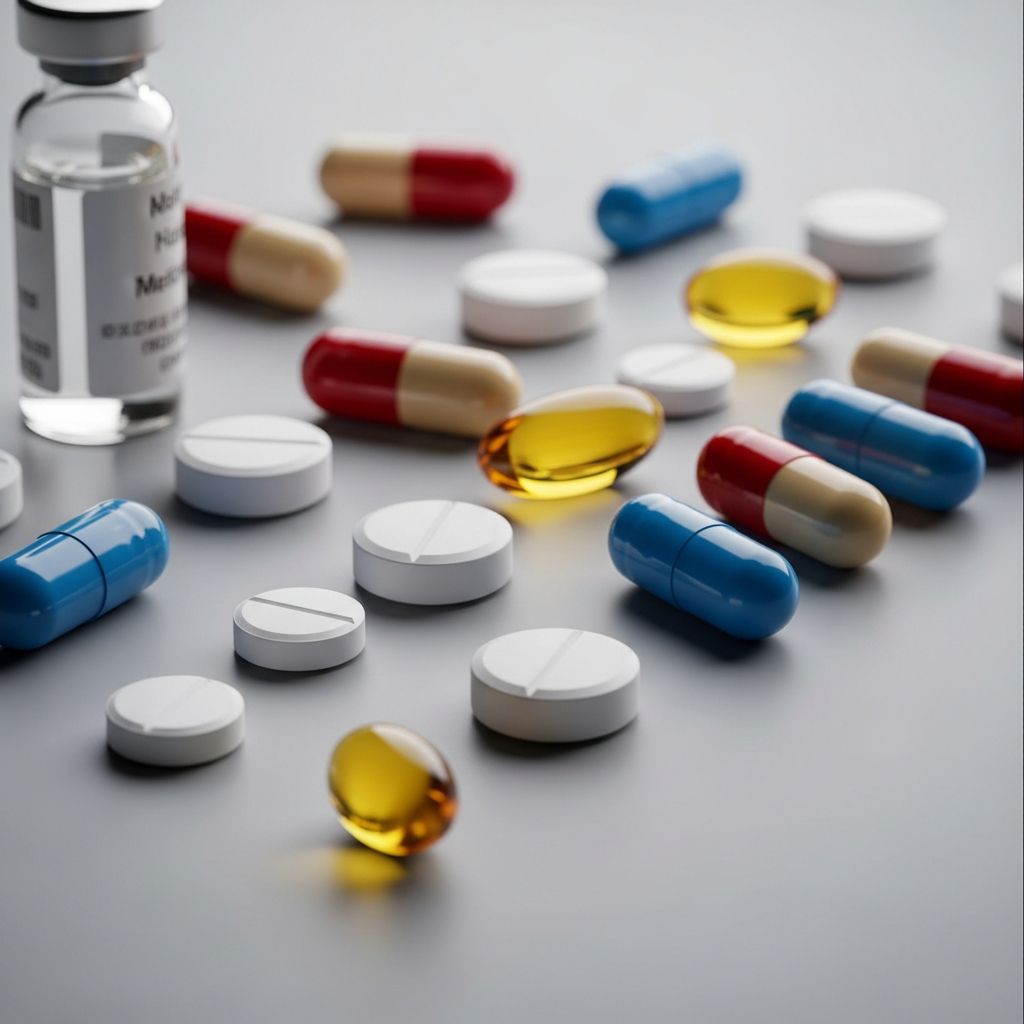
Numerous opioids are available by prescription, each tailored to specific pain levels and patient needs. Here’s a breakdown:
- Hydrocodone (e.g., Vicodin): Often combined with acetaminophen for moderate pain.
- Oxycodone (e.g., OxyContin, Percocet): Used for severe pain, available in immediate and extended-release forms.
- Morphine: A cornerstone for cancer pain and palliative care, administered orally, injected, or via patches.
- Fentanyl: Extremely potent, delivered through patches, lozenges, or injections for breakthrough pain.
- Codeine: Milder option for cough suppression and mild pain, frequently paired with other analgesics.
- Methadone and Buprenorphine: Long-acting for chronic pain and opioid use disorder treatment.
- Tramadol: Atypical opioid with additional serotonin effects for moderate pain.
These medications come in pills, liquids, patches, or injectables, allowing flexibility in administration.
Medical Applications and When They’re Prescribed
Clinicians prescribe opioids for acute scenarios like injuries or surgeries, chronic non-cancer pain when alternatives fail, and cancer or palliative settings where pain control is paramount. Less commonly, they address severe coughs or diarrhea due to their suppressant effects on the central nervous system.
Guidelines from the CDC emphasize non-opioid therapies first, reserving opioids for cases where benefits outweigh risks, particularly for outpatient adults over 18. For chronic pain, opioids may only partially alleviate symptoms and can exacerbate pain over time with prolonged use.
| Condition | Typical Opioid Use | Alternatives Considered First |
|---|---|---|
| Acute Pain (e.g., post-surgery) | Short-term, low-dose | NSAIDs, acetaminophen |
| Chronic Pain | Cautious, monitored | Physical therapy, antidepressants |
| Cancer Pain | Ongoing as needed | Radiation, nerve blocks |
| Palliative Care | Higher doses for comfort | Adjuvant therapies |
Potential Side Effects and Health Impacts
While effective, opioids commonly cause drowsiness, constipation, nausea, and itching. More serious effects include respiratory depression, where breathing slows dangerously, especially at high doses or with sedatives.
Long-term use heightens tolerance, necessitating higher doses for the same effect, and physical dependence, leading to withdrawal symptoms like anxiety, sweating, and muscle aches upon cessation. Combining with alcohol, benzodiazepines, or other depressants amplifies risks, potentially causing coma or death.
Related Stories



Risks of Dependency and Opioid Use Disorder
Opioid use disorder (OUD) develops when compulsive use persists despite harm, affecting brain reward circuits. Prescription opioids contribute significantly to this epidemic, with many progressing to illicit forms like heroin.
Treatment involves medication-assisted therapy: methadone and buprenorphine reduce cravings as agonists or partial agonists, while naltrexone blocks effects as an antagonist. Counseling complements these for sustained recovery.
Safe Usage Guidelines for Patients and Providers
To minimize harm, start with the lowest effective dose for the shortest duration. Patients should store medications securely, avoid sharing, and never exceed prescribed amounts[10]. Providers must screen for risks, use prescription drug monitoring programs, and reassess regularly.
Non-opioid options like NSAIDs (ibuprofen), anticonvulsants (gabapentin), or antidepressants (duloxetine) often suffice for chronic pain. Lifestyle measures including exercise and cognitive therapy enhance outcomes.
Recognizing and Responding to Overdose
Overdose signs include pinpoint pupils, unresponsiveness, slow breathing, and blue lips. Immediate action: call emergency services and administer naloxone if available.
Naloxone, an opioid antagonist, rapidly reverses overdose by displacing opioids from receptors, available as nasal spray (Narcan) or injection. Multiple doses may be needed for potent synthetics like fentanyl, and victims require medical follow-up.
Treatment Options for Opioid Dependence
Medication for opioid use disorder (MOUD) is gold standard: buprenorphine eases withdrawal, methadone stabilizes long-term, and naltrexone prevents relapse. Opioid treatment programs provide comprehensive care including naloxone.
Prevention Strategies in Communities
Public health efforts focus on education, naloxone distribution, and policy limits on initial prescriptions. Medicare alerts prescribers to high-risk patterns.
Frequently Asked Questions (FAQs)
What should I do if I miss a dose?
Take it as soon as remembered unless near the next dose; do not double up to avoid overdose risks.
Can opioids be used long-term?
Only under strict medical supervision, as tolerance and dependence risks increase.
Is naloxone safe for non-overdose use?
Yes, it has no effect in opioid-naive individuals and no abuse potential.
How do I dispose of unused opioids?
Use take-back programs or mix with unpalatable substances before discarding[10].
Are there natural alternatives to opioids?
Acupuncture, yoga, and mindfulness show promise for some pain types alongside standard therapies.
References
- Opioid Use Disorder — American Psychiatric Association. 2023. https://www.psychiatry.org/patients-families/opioid-use-disorder
- Prescription Opioids DrugFacts — National Institute on Drug Abuse (NIDA). 2023-10-05. https://nida.nih.gov/publications/drugfacts/prescription-opioids
- Safe and Responsible Use of Opioids for Chronic Pain — U.S. Department of Veterans Affairs. 2022. https://www.va.gov/PAINMANAGEMENT/Opioid_Safety/OSI_docs/10-791-Safe_and_Responsible_Use_508.pdf
- Opioids — Alcohol and Drug Foundation. 2024. https://adf.org.au/drug-facts/opioids/
- Opioid medicines — healthdirect.gov.au. 2023. https://www.healthdirect.gov.au/opioid-medicines
- What Are Opioids? — American Society of Anesthesiologists. 2023. https://madeforthismoment.asahq.org/pain-management/opioid-treatment/what-are-opioids/
Similar Articles








Read full bio of medha deb