Opportunistic Infections: Definition, Causes & Management
Understanding opportunistic infections in immunocompromised patients and their skin manifestations.
Opportunistic Infections: Overview and Definition
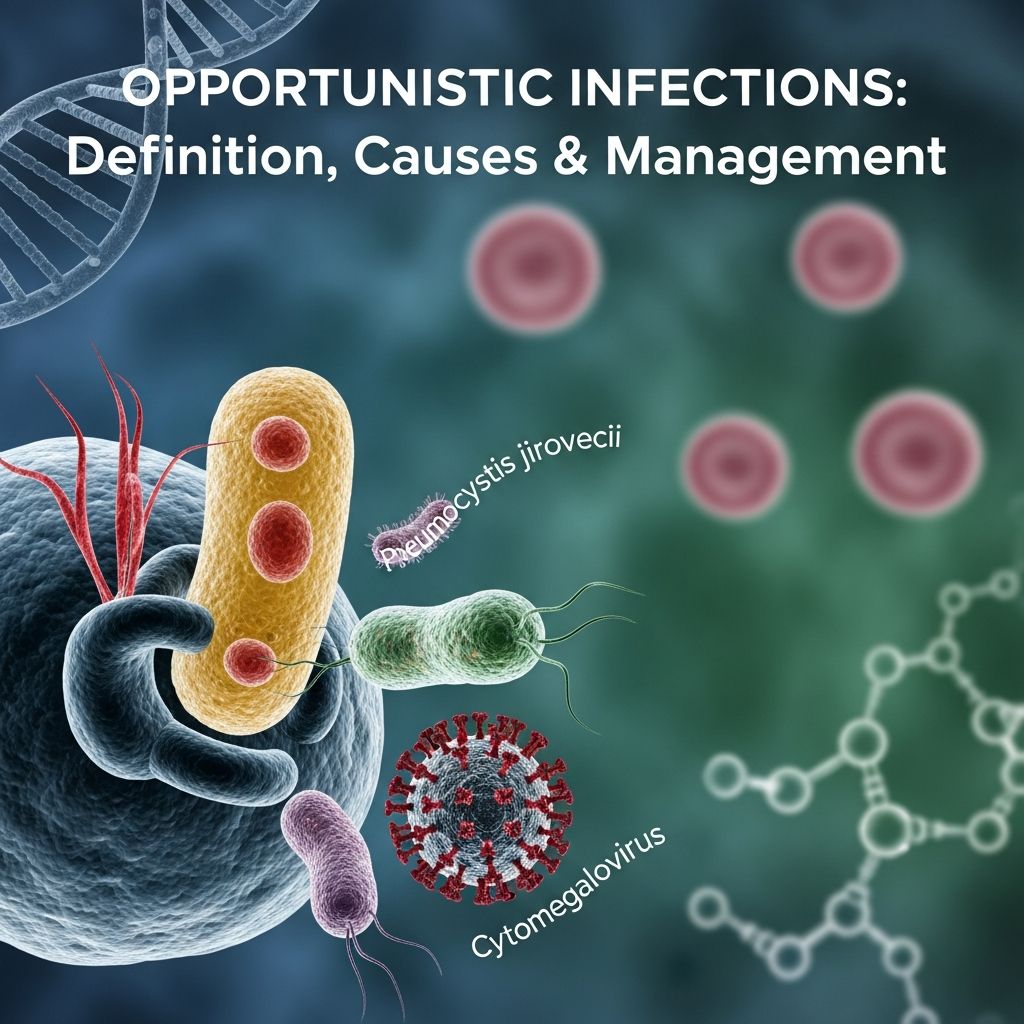
Opportunistic infections are infections that occur more frequently or with greater severity in individuals with compromised immune systems. Unlike infections in healthy individuals, these pathogens take advantage of a weakened immune response to establish and spread throughout the body. They represent a significant clinical concern, particularly in patients with advanced HIV infection, those undergoing immunosuppressive therapy, or individuals with other conditions that impair immune function.
The distinction between opportunistic and non-opportunistic infections lies in the immune status of the host. While some organisms cause disease in both immunocompetent and immunocompromised individuals, true opportunistic pathogens primarily affect those with significant immune suppression. Understanding these infections is crucial for clinicians managing immunocompromised populations, as they often serve as markers of disease progression and indicators of treatment necessity.
Classification of Infectious Organisms
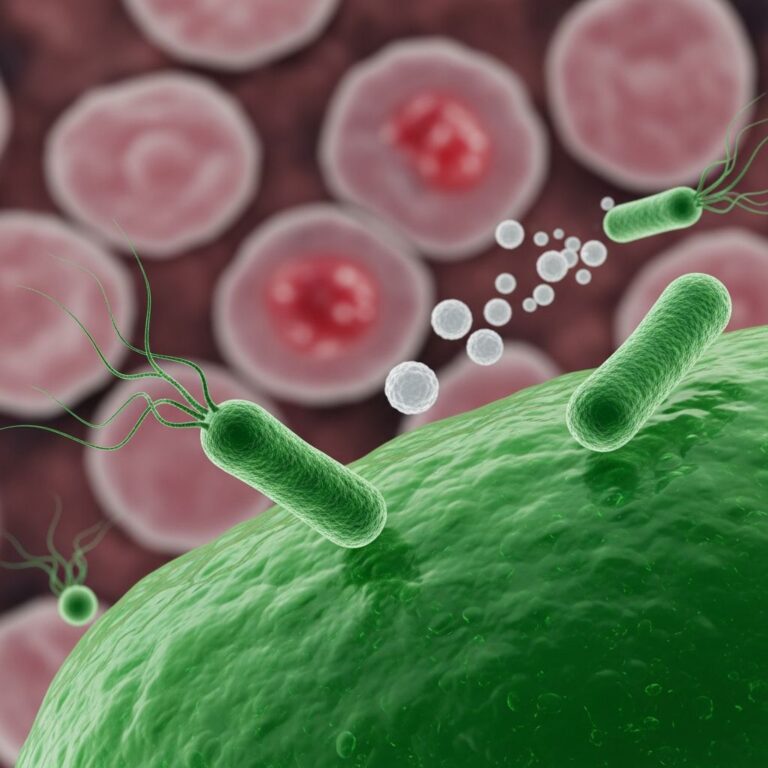
Infectious organisms affecting the skin and systemic health can be broadly categorized based on their transmission patterns, environmental requirements, and the immune status of affected individuals. The major classifications include:
- Bacterial infections — ranging from common organisms to species that thrive only in immunocompromised hosts
- Viral infections — including herpes simplex, herpes zoster, and other DNA and RNA viruses
- Fungal infections — from dermatophytes to systemic mycoses
- Parasitic infections — various parasitic organisms affecting immunocompromised populations
Each classification presents distinct clinical challenges and requires specific diagnostic and therapeutic approaches. The severity and presentation of these infections often correlate directly with the degree of immune suppression, making CD4 count assessment critical in HIV-infected patients.
Risk Factors and Circumstances Predisposing to Skin Infections
Skin infections are more likely to occur under specific circumstances that either compromise skin integrity or reduce local or systemic immune defenses. Key risk factors include:
- Systemic immunosuppression — HIV infection, immunosuppressive medications, chemotherapy, or other conditions affecting overall immunity
- Local immune compromise — skin barrier disruption, chronic dermatitis, or previous infections
- Environmental factors — moisture exposure, poor hygiene, crowded living conditions, or contact with infected individuals
- Comorbidities — diabetes mellitus, obesity, or other metabolic disorders that impair immune function
- Medication use — prolonged antibiotic therapy that disrupts normal skin microbiota, or corticosteroid use that suppresses local immunity
- Occupational and behavioral factors — activities causing skin trauma or exposure to contaminated environments
The cumulative effect of multiple risk factors significantly increases the likelihood of opportunistic infection development and often determines the severity of clinical presentation.
Opportunistic Fungal Infections
Fungal opportunistic infections represent a major category of dermatological concern, particularly in severely immunocompromised individuals. These infections can be caused by organisms normally present on the skin that become pathogenic when immune defenses fail, or by environmental fungi acquired through exposure.
Candida Species Infections
Candida species, particularly Candida albicans, are human commensals that become problematic in immunosuppression, diabetes, and moist environments. These opportunistic pathogens cause oral thrush, vaginal candidiasis, and esophageal involvement in advanced immunodeficiency. At CD4 counts below 300 cells/μL in HIV patients, candidiasis becomes increasingly common and may involve the oesophagus, indicating advanced disease. The disruption of normal bacterial flora by prolonged antibiotic therapy further predisposes individuals to candidal overgrowth.
Related Stories



Dermatophyte Infections
While dermatophyte infections such as tinea pedis, tinea manuum, and tinea unguium can occur in healthy individuals, they are more severe and treatment-resistant in immunocompromised hosts. Trichophyton rubrum, Trichophyton interdigitale, and Epidermophyton floccosum are common causative organisms. Tinea capitis, primarily affecting children but occasionally immunocompromised adults, is caused by Trichophyton and Microsporum species. These infections may present atypically and respond poorly to standard antifungal treatments in severely immunocompromised individuals.
Systemic Mycoses
Systemic mycoses constitute a group of both endemic and opportunistic fungal infections that can involve the skin as a manifestation of disseminated disease. While some systemic mycoses affect healthy individuals, others occur exclusively in immunocompromised or critically ill patients. The dermatological features vary greatly between patients and organisms, typically requiring skin biopsy and blood cultures for accurate diagnosis.
Viral Opportunistic Infections
Viral opportunistic infections frequently affect HIV-infected individuals and other immunocompromised populations. Common viral pathogens include herpes simplex virus causing recurrent oral or genital lesions, and herpes zoster presenting with dermatomal distribution. These infections may become severe and prolonged in advanced immunodeficiency, with inadequate immune response limiting spontaneous resolution.
Bacterial Opportunistic Infections
Bacterial infections in immunocompromised individuals range from common organisms causing typical infections to unusual bacteria that primarily affect immunosuppressed hosts. Bacillary angiomatosis, caused by Bartonella species, exemplifies rare bacterial infections seen almost exclusively in immunocompromised patients. This condition presents as papulonodular rash with hyperpigmented red or purple lesions that may progress to large subcutaneous tumours, potentially mimicking nodular Kaposi sarcoma. Other bacterial infections cause folliculitis, impetigo, and secondary infections following skin barrier disruption.
Immune Reconstitution Inflammatory Syndrome (IRIS)
Immune reconstitution inflammatory syndrome (IRIS) is an immune-mediated inflammatory response directed against antigens from opportunistic infections, developing paradoxically after recovery from immunosuppression, particularly following antiretroviral therapy initiation in advanced HIV infection. Rather than representing treatment failure, IRIS indicates immune system recovery—a generally favorable prognostic sign despite clinical deterioration.
IRIS typically manifests weeks to months after starting antiretroviral therapy, with clinical features closely relating to the type and location of pre-existing opportunistic infection. The major opportunistic infections associated with IRIS include mycobacterial infections (tuberculosis), fungal infections (cryptococcal meningitis, Histoplasma), viral infections (cytomegalovirus, JC virus), and parasitic infections. Onset timing varies: tuberculosis-associated IRIS typically emerges within 2 months, while other conditions present at varying intervals. Most patients experience systemic symptoms requiring careful clinical monitoring and, occasionally, anti-inflammatory management.
HIV Infection and Opportunistic Skin Manifestations
Immunodeficiency associated with HIV significantly increases susceptibility to bacterial, viral, fungal, and parasitic infections affecting the skin. The stage of HIV disease, as determined by CD4 count, predicts the likelihood and spectrum of opportunistic infections encountered.
CD4 Count Thresholds and Infection Risk
At CD4 counts below 300 cells/μL, opportunistic infections become important markers of AIDS and define disease progression. At this threshold, conditions such as candidiasis, eosinophilic folliculitis, and systemic mycoses become increasingly prevalent. CD4 counts below 50 cells/μL represent profound immunosuppression with risk of severe infections including Pneumocystis jirovecii infection, cytomegalovirus disease, and disseminated mycobacterial infection.
HIV-Associated Dermatological Conditions
Beyond opportunistic infections, HIV infection causes distinctive inflammatory skin conditions. Pruritic papular eruption and eosinophilic folliculitis are intensely itchy widespread rashes occurring exclusively in HIV infection. Pruritic papular eruption often represents the first presentation of HIV in asymptomatic individuals, while eosinophilic folliculitis typically occurs only at CD4 counts below 300, serving as an important diagnostic marker of advanced disease. During acute HIV infection in the first weeks after exposure, patients may develop symmetrical maculopapular erythematous exanthem involving the face, palms, soles, trunk, and limbs, accompanied by systemic viral symptoms and potential mucocutaneous ulceration.
Treatment Principles for Opportunistic Infections
Treatment decisions for opportunistic infections depend on multiple factors including the causative organism, infection severity, and antimicrobial sensitivity. Not all minor skin infections require active treatment. For example, impetigo, folliculitis, tinea pedis, tinea unguium, and herpes simplex may resolve spontaneously in healthy individuals, and avoiding unnecessary treatment enhances natural immunity development.
However, certain infections should always be treated to prevent serious complications including:
- Spread to vital organs
- Secondary bacterial infection
- Severe tissue destruction or scarring
- Systemic disease progression
- Transmission to others
In immunocompromised individuals, the threshold for treatment is significantly lower, as these patients cannot rely on natural immune resolution. Opportunistic infections in severely immunosuppressed hosts often require aggressive systemic therapy targeting the specific organism identified through culture or molecular diagnostics.
Diagnostic Approach to Suspected Opportunistic Infections
Accurate diagnosis of opportunistic infections relies on clinical assessment combined with laboratory confirmation. Diagnostic methods include:
- Clinical examination — assessing distribution, morphology, and associated systemic symptoms
- Skin biopsy — histopathological examination particularly useful for systemic mycoses and unusual infections
- Culture — bacterial, fungal, or viral culture for organism identification and susceptibility testing
- Molecular diagnostics — PCR or other nucleic acid testing for rapid organism identification
- Blood cultures — particularly valuable for systemic mycoses indicating disseminated infection
- Immunological assessment — CD4 count and HIV viral load in HIV-infected patients to establish immune status
Prevention and Management Strategies
Prevention of opportunistic infections focuses on immune system support and reducing exposure risks. In HIV-infected individuals, antiretroviral therapy leading to CD4 count recovery represents the most effective prevention strategy. Prophylactic medications are indicated at specific CD4 count thresholds—for example, Pneumocystis jirovecii prophylaxis is recommended at CD4 counts below 200 cells/μL.
Additional prevention measures include:
- Maintaining skin hygiene and managing dermatitis
- Avoiding exposure to environmental pathogens and infected individuals
- Appropriate use of protective equipment in occupational settings
- Judicious antibiotic use to preserve normal skin microbiota
- Medication adherence in HIV-infected patients receiving antiretroviral therapy
- Regular monitoring and early intervention for early skin changes
Rare Opportunistic Skin Infections
Pneumocystosis represents a rare cutaneous manifestation of Pneumocystis jirovecii infection, an opportunistic pathogen primarily affecting the lungs. While 66-85% of HIV-infected individuals experience pneumocystosis during their lifetime, cutaneous involvement is exceptionally rare, occurring in only 1-2.5% of extrapulmonary infections. When skin is involved, it may indicate severe disseminated disease requiring aggressive systemic treatment.
Frequently Asked Questions
Q: What defines an opportunistic infection?
A: An opportunistic infection is an infection in an immunosuppressed patient that is more frequent or severe because of immune suppression. These infections exploit weakened immune defenses to establish disease that would typically be contained in healthy individuals.
Q: At what CD4 count do opportunistic infections become concerning in HIV infection?
A: CD4 counts below 300 cells/μL indicate increased risk of opportunistic infections that serve as important markers of AIDS. Different opportunistic infections occur at different CD4 thresholds, allowing clinicians to anticipate and prevent specific infections through prophylaxis.
Q: Should all skin infections in immunocompromised patients be treated?
A: While minor infections in healthy individuals may resolve without treatment, infections in severely immunocompromised patients generally require active treatment to prevent complications, dissemination, and systemic disease. The clinical context and specific pathogen determine treatment necessity.
Q: What is IRIS and when does it occur?
A: Immune reconstitution inflammatory syndrome (IRIS) is paradoxical worsening of pre-existing opportunistic infections that occurs weeks to months after initiating antiretroviral therapy in HIV-infected patients. Rather than indicating treatment failure, IRIS reflects immune system recovery and generally carries favorable long-term prognosis despite acute clinical deterioration.
Q: How are opportunistic infections diagnosed?
A: Diagnosis combines clinical assessment with laboratory confirmation including cultures, biopsies, molecular diagnostics, and blood work. The specific diagnostic approach depends on the suspected organism and infection severity, with skin biopsy and cultures particularly valuable for unusual infections.
References
- Skin infections – DermNet — DermNet NZ. Accessed January 2026. https://dermnetnz.org/topics/skin-infections
- Immune reconstitution inflammatory syndrome – DermNet — DermNet NZ. Accessed January 2026. https://dermnetnz.org/topics/immune-reconstitution-inflammatory-syndrome
- Skin conditions and HIV/AIDS: A Complete Overview – DermNet — DermNet NZ. Accessed January 2026. https://dermnetnz.org/topics/skin-conditions-relating-to-hiv-infection
- Skin manifestations of systemic mycoses – DermNet — DermNet NZ. Accessed January 2026. https://dermnetnz.org/topics/skin-manifestations-of-systemic-mycoses
- Overview of cutaneous fungal infections — Medicine Today. July 2020. https://medicinetoday.com.au/mt/2020/july/supplements/feature-article/overview-cutaneous-fungal-infections
- Pneumocystosis – DermNet — DermNet NZ. Accessed January 2026. https://dermnetnz.org/topics/pneumocystosis
Similar Articles








Read full bio of medha deb