Optic Neuritis: Causes, Symptoms, and Treatment
Understanding optic neuritis: inflammation of the optic nerve causing vision loss and pain.
Understanding Optic Neuritis
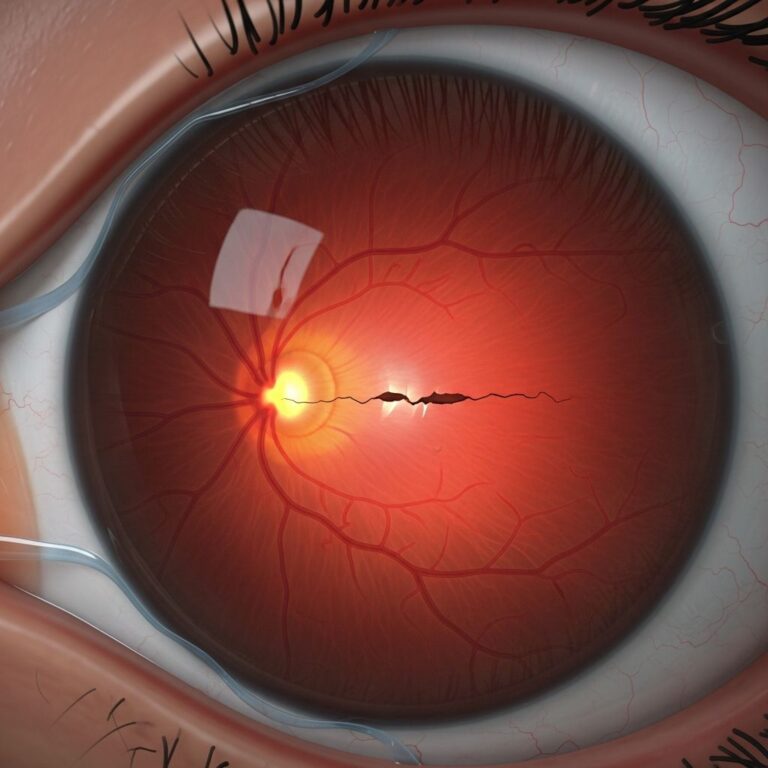
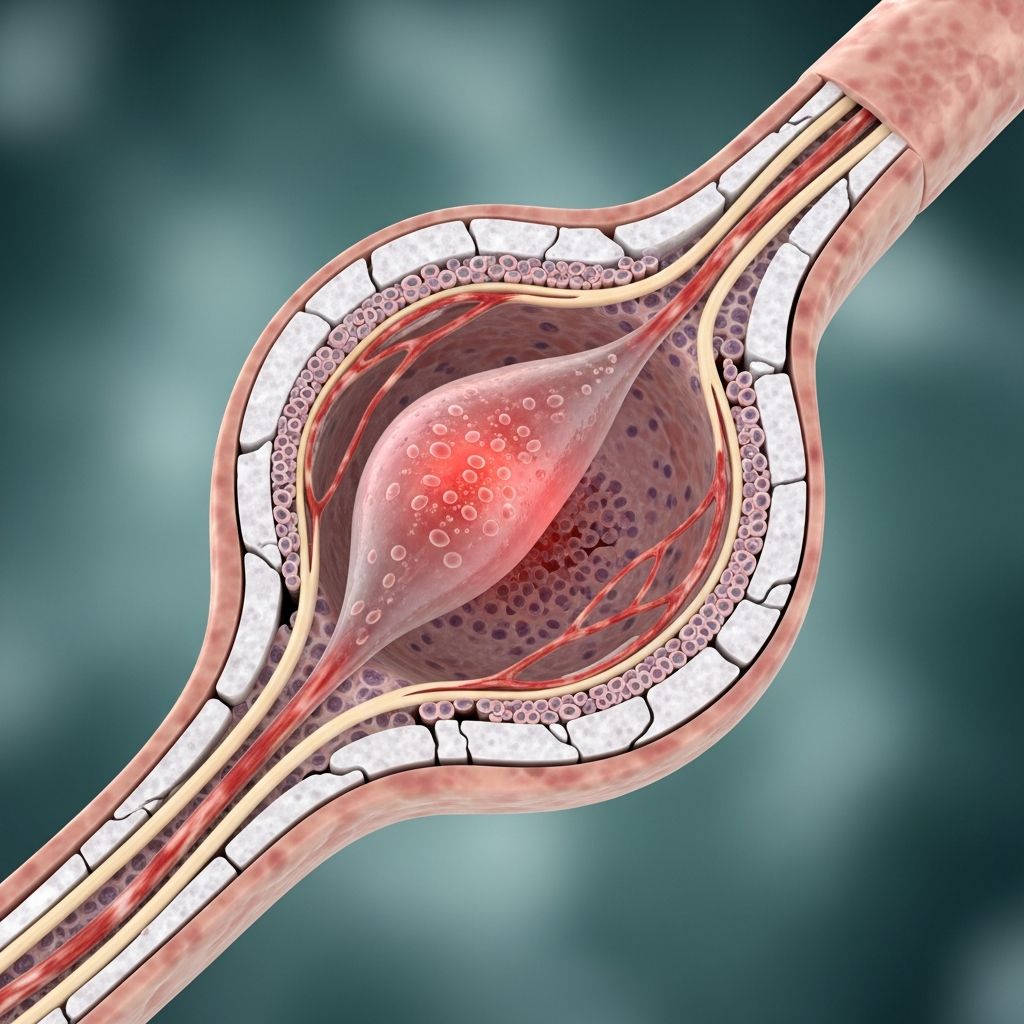
Optic neuritis is a vision-threatening condition characterized by inflammation of the optic nerve, which transmits visual information from the retina to the brain. This inflammatory process disrupts the nerve’s ability to function properly, resulting in sudden and often severe vision loss in one or both eyes. The condition is particularly significant because it frequently serves as the first clinical manifestation of demyelinating diseases, most notably multiple sclerosis (MS) and neuromyelitis optica spectrum disorder (NMOSD). Understanding this condition is essential for early recognition and intervention, as prompt treatment can significantly impact visual outcomes and help identify underlying systemic diseases.
What Causes Optic Neuritis?
Optic neuritis has multiple potential causes, with the underlying mechanism involving inflammation that damages the myelin sheath surrounding the optic nerve. The most common etiologies include:
Demyelinating Diseases
The primary cause of optic neuritis is autoimmune demyelination, particularly associated with multiple sclerosis and neuromyelitis optica spectrum disorder. In multiple sclerosis, optic neuritis often represents an initial clinical sign and can predict future disease progression. NMOSD involves inflammation affecting both the optic nerve and spinal cord. Additionally, myelin oligodendrocyte glycoprotein (MOG) antibody-associated disease (MOGAD) represents another significant demyelinating cause of optic neuritis with characteristic features and treatment considerations.
Infectious Causes
Infections represent a substantial category of optic neuritis causes. Viral agents including herpes zoster, Epstein-Barr virus (EBV), measles, mumps, and herpes simplex can directly invade the optic nerve or trigger immune-mediated inflammatory responses. Bacterial infections such as syphilis, Lyme disease, tuberculosis, cat-scratch fever, and HIV can also precipitate optic neuritis. These infections are particularly common triggers of optic neuritis in pediatric populations.
Systemic Autoimmune Diseases
Various systemic autoimmune conditions can cause recurrent optic neuritis, including systemic lupus erythematosus (SLE), sarcoidosis, and Behçet’s disease. These conditions involve widespread inflammatory processes that may extend to optic nerve involvement.
Medications, Toxins, and Other Causes
Certain medications and toxic substances are recognized triggers of optic nerve inflammation. Ethambutol, used to treat tuberculosis, and methanol, found in antifreeze and solvents, are well-established causative agents. TNF-alpha inhibitors and immune checkpoint inhibitors used in cancer treatment can also cause optic neuritis. Additionally, some cases have no identifiable cause and are classified as idiopathic optic neuritis.
Recognizing the Symptoms
Optic neuritis typically presents with characteristic clinical features that develop over hours to days:
Vision Changes
The most prominent symptom is sudden vision loss, which may range from mild blurring to severe impairment. Visual field deficits often develop, and color vision disturbances are particularly characteristic, frequently occurring disproportionate to the degree of visual acuity loss. This distinctive pattern of color vision involvement can be diagnostically helpful.
Eye Pain and Discomfort
Pain with eye movements, particularly retrobulbar pain, is a hallmark symptom of optic neuritis. This pain typically worsens with ocular movements and may precede or accompany vision loss.
Pupillary Changes
An afferent pupillary defect (APD) is usually detectable when the contralateral eye is unaffected or involved to a lesser degree. This finding indicates asymmetric optic nerve involvement and is a characteristic clinical sign.
Other Associated Symptoms
Patients may experience photopsia (flashing lights), floaters, scotomas (blind spots), and general visual disturbances. The severity and specific pattern of symptoms can vary depending on the underlying cause and extent of nerve involvement.
Related Stories



Diagnosis and Imaging
Accurate diagnosis of optic neuritis requires a comprehensive clinical evaluation combined with advanced imaging modalities:
Clinical Assessment
The diagnosis begins with a thorough history and physical examination, including detailed visual acuity testing, visual field assessment, color vision testing (using tests like the Ishihara or Farnsworth color plates), and evaluation for afferent pupillary defect. The clinician must carefully assess for pain with eye movements and document any associated neurological symptoms.
Advanced Imaging Studies
Optical coherence tomography (OCT) is instrumental in evaluating optic nerve structure and can detect retinal nerve fiber layer thinning. Gadolinium-enhanced magnetic resonance imaging (MRI) of the brain and orbits is crucial for visualizing optic nerve enhancement and assessing for demyelinating lesions characteristic of multiple sclerosis. MRI of the spinal cord should be performed if demyelinating disease is suspected, as extensive spinal cord involvement may suggest NMO or MOGAD rather than MS. In cases of NMO and MOG antibodies, atypical or severe features should trigger more intensive investigation.
Laboratory Testing
Blood tests may be obtained to exclude infectious etiologies (such as syphilis and Lyme disease serology), evaluate for systemic autoimmune diseases, and detect specific antibodies associated with demyelinating conditions. Serologic testing for aquaporin-4 (AQP4) and MOG antibodies can help distinguish between different demyelinating etiologies.
Treatment Approaches
Management of optic neuritis varies depending on the underlying cause and severity of presentation:
Corticosteroid Therapy
High-dose corticosteroids represent the mainstay of treatment for optic neuritis, particularly when demyelinating disease is suspected. Intravenous methylprednisolone, typically administered as 1000 mg daily for 3 days, followed by oral prednisone taper (1 mg/kg daily for 11 days), accelerates visual recovery. While intravenous corticosteroids speed recovery compared to observation alone, they do not appear to affect the ultimate long-term visual outcome in typical multiple sclerosis or idiopathic optic neuritis cases. However, early high-dose corticosteroids may improve outcomes in atypical presentations such as NMO or MOGAD. Low-dose oral prednisone monotherapy is not recommended, as it does not improve visual outcomes and may paradoxically increase recurrence rates.
Plasma Exchange
Plasma exchange is frequently utilized for NMO attacks and is sometimes considered for severe optic neuritis from other causes that fail to respond adequately to high-dose corticosteroids. This treatment modality removes circulating autoantibodies and inflammatory mediators, potentially providing benefit in severe, refractory cases.
Antimicrobial and Antiviral Therapy
When infectious etiologies are identified as the underlying cause, appropriate antimicrobial or antiviral treatment is essential and takes precedence over immunosuppressive therapy.
Long-Term Disease-Modifying Therapies
For patients with recurrent optic neuritis or diagnosed underlying conditions such as multiple sclerosis or NMOSD, long-term immunomodulatory therapies should be considered. These include interferon beta, glatiramer acetate, and monoclonal antibodies such as rituximab, which help reduce the risk of future inflammatory attacks.
Prognosis and Outlook
The prognosis for optic neuritis is generally favorable. Most patients experience partial or complete recovery of vision within weeks to months, with optic neuritis often improving substantially even without treatment. However, the long-term visual outcome depends on several factors including the underlying etiology, severity of initial inflammation, and whether the optic neuritis represents an isolated event or part of a systemic demyelinating disease. Some patients may experience persistent visual impairment or residual color vision abnormalities. The risk of recurrence or developing multiple sclerosis varies based on individual factors, imaging findings, and serologic markers.
Frequently Asked Questions
Q: Is optic neuritis always associated with multiple sclerosis?
A: While optic neuritis is often the first clinical manifestation of multiple sclerosis, not all cases of optic neuritis lead to MS. Many cases are idiopathic or associated with other conditions. However, approximately 50% of patients with clinically isolated optic neuritis develop MS within 15 years, particularly those with demyelinating lesions on brain MRI at presentation.
Q: Can optic neuritis cause permanent vision loss?
A: While most patients recover vision substantially, some may experience persistent visual impairment or residual deficits such as persistent color vision abnormalities or subtle visual field defects. The extent of recovery depends on the severity of initial inflammation and underlying cause.
Q: How quickly should optic neuritis be treated?
A: Early recognition and treatment are important, particularly with high-dose corticosteroids, which accelerate visual recovery. Prompt evaluation and imaging to identify underlying causes and demyelinating disease is essential for optimal management.
Q: Are there preventive measures to reduce the risk of recurrent optic neuritis?
A: For patients with underlying demyelinating diseases like multiple sclerosis or NMOSD, long-term disease-modifying therapies such as interferon beta, glatiramer acetate, or monoclonal antibodies can significantly reduce the risk of recurrent episodes and slow disease progression.
Q: What is the difference between optic neuritis and optic neuropathy?
A: Optic neuritis specifically refers to inflammatory conditions affecting the optic nerve, whereas optic neuropathy is a broader term encompassing various forms of optic nerve damage, including those caused by toxic substances, nutritional deficiencies, or compression. Not all optic neuropathies involve inflammation.
When to Seek Medical Attention
Patients experiencing sudden vision loss, eye pain with movement, color vision disturbances, or visual field defects should seek immediate ophthalmologic evaluation. Prompt diagnosis is crucial for determining the underlying cause and initiating appropriate treatment. The presence of other neurological symptoms such as weakness, numbness, or previous episodes of vision problems should be communicated to the healthcare provider, as they may suggest underlying demyelinating disease.
Conclusion
Optic neuritis is a significant inflammatory condition affecting the optic nerve that can result in sudden vision loss and pain. Its association with demyelinating diseases, particularly multiple sclerosis, makes accurate diagnosis and prompt treatment essential. Through comprehensive clinical evaluation, advanced imaging techniques, and appropriate therapeutic interventions—primarily high-dose corticosteroids—most patients achieve favorable visual recovery. However, the condition underscores the importance of neuroimaging and systemic evaluation to identify underlying diseases that may require long-term management. Patients with optic neuritis should maintain close follow-up with ophthalmology and neurology specialists to monitor for disease progression and optimize treatment strategies.
References
- Optic Neuritis — National Center for Biotechnology Information (NCBI Bookshelf), NIH. 2024. https://www.ncbi.nlm.nih.gov/books/NBK557853/
- Optic Neuritis: Symptoms & Causes — Mayo Clinic. 2024. https://www.mayoclinic.org/diseases-conditions/optic-neuritis/symptoms-causes/syc-20354953
- Optic Neuritis — Eye Disorders — Merck Manual Professional Edition. 2024. https://www.merckmanuals.com/professional/eye-disorders/optic-nerve-disorders/optic-neuritis
- Optic Neuritis: Diagnosis & Treatment — Mayo Clinic. 2024. https://www.mayoclinic.org/diseases-conditions/optic-neuritis/diagnosis-treatment/drc-20354958
- Optic Neuritis: Symptoms, Causes & Treatment Options — Cleveland Clinic. 2024. https://my.clevelandclinic.org/health/diseases/14256-optic-neuritis
Similar Articles








Read full bio of Sneha Tete