Optic Neuritis: 5 Key Symptoms, Causes, And Treatments
Discover the causes, symptoms, diagnosis, and effective treatments for optic neuritis, a condition that impacts vision through optic nerve inflammation.
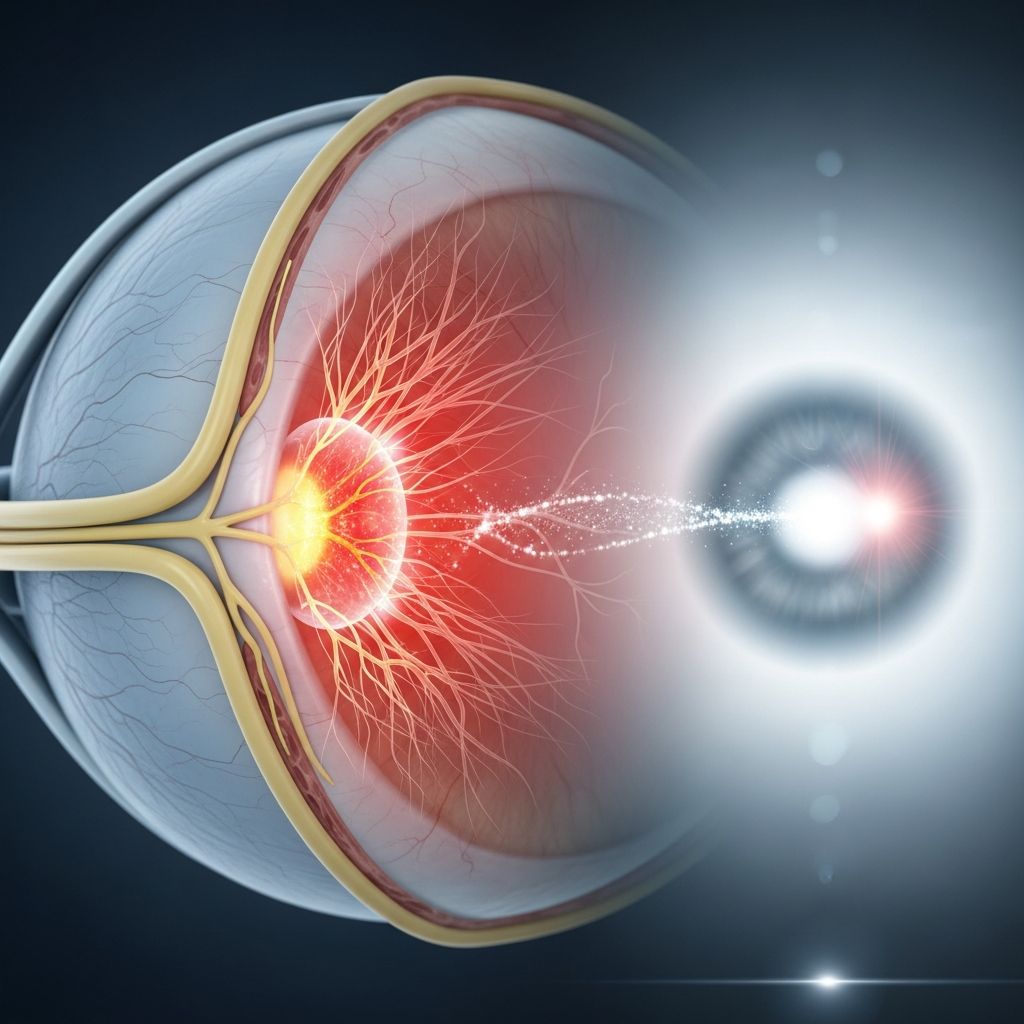
The optic nerve serves as the vital pathway transmitting visual signals from the eye to the brain. When inflammation strikes this nerve, known as optic neuritis, it can lead to abrupt vision changes and discomfort. This condition frequently signals broader neurological issues, demanding prompt medical evaluation.
Understanding the Optic Nerve and Inflammation
The optic nerve comprises over a million nerve fibers originating from the retina. Inflammation disrupts the myelin sheath protecting these fibers, impairing signal transmission. This results in blurred vision or complete loss in the affected eye. Unlike typical eye problems, optic neuritis originates deeper within the visual system.
Inflammation arises from immune system attacks on the nerve, often autoimmune in nature. Demyelination, the stripping of protective myelin, is central to many cases, mirroring processes in diseases like multiple sclerosis (MS).
Common Symptoms to Recognize
Symptoms typically emerge suddenly, affecting one eye in most instances. Key signs include:
- Vision loss: Ranging from mild blurring to severe impairment, often peaking within days.
- Eye pain: A dull ache behind the eye, worsening with movement.
- Color desaturation: Colors appear faded or grayish, especially reds.
- Visual field defects: Blind spots or tunnel vision.
- Flashing lights: Brief phosphenes triggered by eye motion.
These symptoms can resolve partially or fully, but lingering effects like reduced contrast sensitivity may persist.
Primary Causes and Risk Factors
Optic neuritis stems from diverse triggers, with autoimmune disorders predominant in adults.
Autoimmune and Demyelinating Conditions
The strongest link exists with MS, where optic neuritis precedes diagnosis in up to 20% of cases. Neuromyelitis optica spectrum disorder (NMOSD) and myelin oligodendrocyte glycoprotein antibody disease (MOGAD) also frequently cause severe episodes.
Infectious Triggers
Viral infections like herpes zoster, Epstein-Barr, and measles can inflame the nerve directly or via immune response. Bacterial culprits include syphilis and Lyme disease, more common in children.
Other Contributors
Drugs such as ethambutol (for tuberculosis) and toxins like methanol induce toxic optic neuropathy mimicking inflammation. Systemic diseases including sarcoidosis, lupus, and Behcet’s contribute recurrent cases.
Risk factors encompass female gender, age 20-40, and autoimmune history. Geographic variations influence infectious prevalence.
Diagnostic Approaches
Diagnosis combines clinical assessment with imaging and tests to pinpoint causes.
- Eye exam: Checks visual acuity, color vision, fields, and fundus for swelling (papillitis) or pallor.
- MRI: Scans orbits and brain for nerve enhancement and MS lesions.
- Optical coherence tomography (OCT): Measures retinal nerve fiber layer thinning.
- Blood tests: Rule out infections, NMOSD antibodies, or inflammation markers.
- Lumbar puncture: Analyzes cerebrospinal fluid for oligoclonal bands in MS.
Differentiating types—typical (MS-related) vs. atypical (NMOSD)—guides management.
Treatment Strategies
Treatment targets inflammation reduction and underlying causes, hastening recovery without altering final outcomes.
Related Stories



Corticosteroid Therapy
High-dose intravenous methylprednisolone (1g daily for 3-5 days), followed by oral prednisone taper, is standard. The Optic Neuritis Treatment Trial (ONTT) confirmed it speeds recovery by weeks, though long-term vision matches untreated cases.
Oral steroids alone risk higher recurrence; always pair with IV.
Advanced Interventions
| Condition | Treatment Options |
|---|---|
| NMOSD/MOGAD | Plasma exchange (PLEX), rituximab, mycophenolate |
| Infectious | Antivirals/antibiotics specific to pathogen |
| Recurrent/MS | Disease-modifying therapies (interferon, ocrelizumab) |
PLEX removes antibodies in steroid-resistant cases, especially NMOSD.
Supportive Care
Pain relief with analgesics; avoid heat, which may worsen symptoms. Monitor for side effects like insomnia or mood changes from steroids.
Recovery Timeline and Prognosis
Most regain near-normal vision in 4-6 weeks, accelerated by treatment. Full recovery occurs in 90%, but 5-10% face permanent deficits.
Recurrence risk is 20-50% over 15 years, higher without MS therapy. MS develops in 50% within 15 years post-episode.
NMOSD/MOGAD prognosis varies; aggressive treatment curbs relapses.
Prevention and Long-Term Management
No direct prevention exists, but managing MS/NMOSD with immunomodulators reduces attacks. Vaccinations curb infectious risks. Regular neuro-ophthalmology follow-ups track retinal changes via OCT.
Living with Optic Neuritis
Patients may experience Uhthoff’s phenomenon—temporary worsening with heat/fatigue. Low-vision aids help residual issues. Genetic counseling applies for familial autoimmune links.
Frequently Asked Questions (FAQs)
Is optic neuritis permanent?
Typically not; most recover fully, though some have lasting effects.
Can optic neuritis affect both eyes?
Rare in initial episodes; simultaneous bilateral is atypical.
Does stress cause optic neuritis?
No direct link, but it may exacerbate autoimmune flares.
How soon should I seek treatment?
Immediately upon vision changes or pain.
Can children get optic neuritis?
Yes, often infection-related with better prognosis.
Optic neuritis demands swift action for optimal outcomes. Consult specialists for personalized care.
References
- Optic Neuritis – StatPearls — NCBI Bookshelf. 2023-09-04. https://www.ncbi.nlm.nih.gov/books/NBK557853/
- Optic Neuritis: Symptoms, Causes & Treatment Options — Cleveland Clinic. 2023-11-15. https://my.clevelandclinic.org/health/diseases/14256-optic-neuritis
- Optic neuritis: a comprehensive review of current therapies — Frontiers in Neurology. 2025-01-15. https://www.frontiersin.org/journals/neurology/articles/10.3389/fneur.2025.1605075/full
- Optic neuritis – Diagnosis & treatment — Mayo Clinic. 2024-07-20. https://www.mayoclinic.org/diseases-conditions/optic-neuritis/diagnosis-treatment/drc-20354958
- Optic neuritis – Symptoms & causes — Mayo Clinic. 2024-07-20. https://www.mayoclinic.org/diseases-conditions/optic-neuritis/symptoms-causes/syc-20354953
- Optic Neuritis — North American Neuro-Ophthalmology Society. 2023-05-10. https://nanosweb.org/opticneuritis/
Similar Articles








Read full bio of medha deb