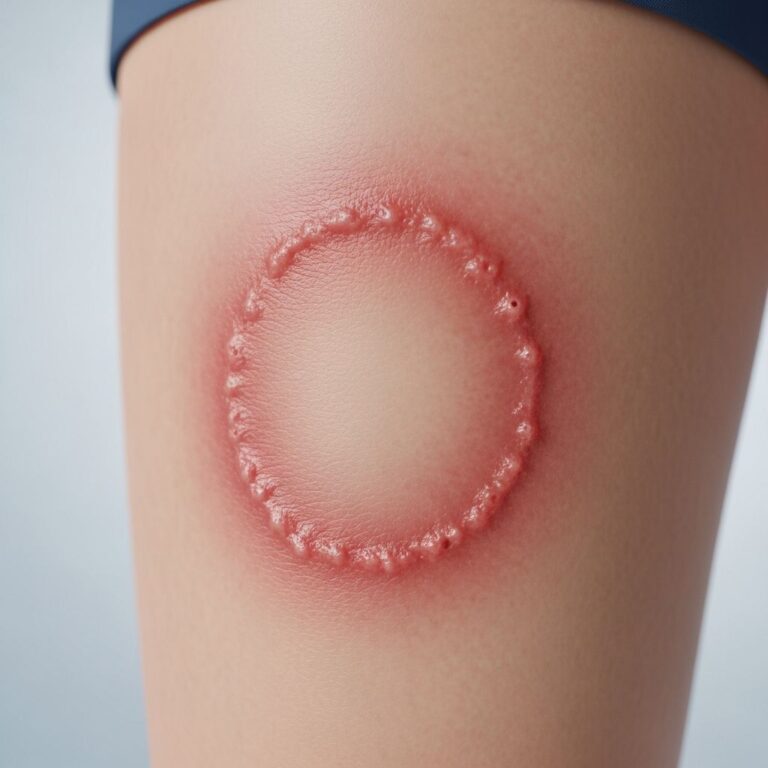
Oral Antifungal Medications: Types, Uses, and Treatment Options
Complete guide to oral antifungal drugs for treating fungal infections effectively.
Oral Antifungal Medications: Overview and Classification
Oral antifungal medications are systemic treatments designed to combat fungal infections throughout the body. These medications work by targeting fungal cell components and disrupting fungal growth and survival. Unlike topical antifungals that work on the skin’s surface, oral antifungals circulate through the bloodstream to treat serious, widespread, or persistent fungal infections.
Oral antifungals are typically prescribed when topical treatments fail to resolve an infection, when the fungal infection is systemic or widespread, or when the affected area cannot be easily treated with topical medications. Healthcare providers may also recommend oral antifungals for immunocompromised patients or those with severe fungal infections affecting internal organs.
Major Classes of Oral Antifungal Medications
Antifungal medications are classified into several main categories based on their chemical structure and mechanism of action. Understanding these classes helps healthcare providers select the most appropriate treatment for specific fungal infections.
Azole Antifungals
Azoles represent one of the most commonly prescribed classes of oral antifungal medications. This class is subdivided into imidazoles and triazoles, with triazoles being more commonly used for systemic infections due to their improved selectivity and reduced toxicity.
Fluconazole (Diflucan) is one of the most widely prescribed oral azole antifungals. It effectively treats Candida infections, including vaginal yeast infections, oral thrush, and fungal meningitis. Fluconazole is approved for use in adults and children age 6 months and older. It can also be used to prevent fungal infections in immunocompromised patients.
Itraconazole (Sporanox, Tolsura) is another triazole antifungal with broad-spectrum activity. It treats a wide range of fungal infections, including oral thrush, nail fungus, and serious systemic infections such as histoplasmosis and blastomycosis. Itraconazole comes in multiple formulations—oral solution, capsules, and different dosage forms—each approved for specific infections. The oral solution should be taken on an empty stomach, while capsules require food for optimal absorption.
Posaconazole is primarily approved for prophylaxis of invasive aspergillosis and invasive candidiasis. It is also used to treat oropharyngeal candidiasis, particularly in patients who have not responded to fluconazole or itraconazole.
Voriconazole (Vfend) treats serious fungal infections such as invasive aspergillosis and candidemia. It is approved for adults and children age 2 and older. Voriconazole is typically initiated as an injectable form in a hospital setting, then transitioned to oral tablets or suspension as the patient improves.
Isavuconazole is approved specifically for treating invasive aspergillosis and invasive mucormycosis in adult populations.
Ketoconazole and miconazole are imidazoles used for systemic fungal infections and various superficial mycoses. Miconazole is available in oral formulations for treating oropharyngeal candidiasis.
Related Stories



Clotrimazole is available as an oral troche (lozenge) that dissolves slowly in the mouth. It helps treat and prevent oral thrush and is often prescribed for immunocompromised patients receiving cancer treatment or undergoing organ transplantation.
Allylamines
Terbinafine (Lamisil) is an allylamine antifungal and one of the most effective oral treatments for onychomycosis, a fungal nail infection. It is approved for both topical and systemic use. Terbinafine is also frequently prescribed off-label for tinea infections when topical treatments prove ineffective. These conditions include ringworm, athlete’s foot, and jock itch. Terbinafine is widely used because of its favorable efficacy profile and reasonable side effect profile.
Polyenes
Nystatin is an older polyene antifungal medication that comes as an oral tablet and oral suspension. The suspension is used to treat oral thrush, while tablets treat Candida infections of the stomach or intestines. Nystatin suspension is considered safe for infants and young children, making it a preferred option for pediatric oral candidiasis. It is primarily used for candida infections and typically causes minimal side effects.
Amphotericin B is a polyene used for treating a wide variety of serious fungal conditions, including invasive aspergillosis, blastomycosis, candidiasis, cryptococcal meningitis, histoplasmosis, and mucormycosis. Amphotericin B deoxycholate (AMB-d) has FDA approval and multiple off-label uses including treatment of esophageal candidiasis, fluconazole-refractory oropharyngeal candidiasis, and candidal urinary tract infections.
Other Oral Antifungals
Griseofulvin comes as an oral tablet, oral suspension, and ultramicrosize tablet. It should be taken with a high-fat meal to enhance absorption and may require treatment duration of up to 6 months depending on the indication. Griseofulvin is particularly useful for dermatophyte infections affecting the skin, hair, and nails.
Flucytosine (Alcobon) is typically used in combination with amphotericin B for treating serious fungal infections. It is administered as an infusion and is particularly useful for cryptococcal and candidal infections.
Specific Uses and Indications
Candida Infections
Oral antifungals treat several types of Candida infections with varying medications:
- Vaginal yeast infections: Fluconazole is the most commonly prescribed oral treatment
- Oral thrush: Fluconazole, itraconazole, miconazole, nystatin, and clotrimazole lozenges are all effective options
- Oropharyngeal candidiasis: Posaconazole, itraconazole, and fluconazole are effective, with posaconazole reserved for fluconazole-resistant cases
- Systemic candidiasis: Voriconazole and amphotericin B are used for serious bloodstream infections
Nail Fungal Infections
Onychomycosis, or fungal nail infection, is one of the most common indications for oral antifungals. Terbinafine is considered one of the most effective oral treatments for this condition, offering superior cure rates compared to other agents. Itraconazole is also approved for nail fungus treatment.
Tinea and Dermatophyte Infections
Oral antifungals are prescribed for tinea infections when topical treatments fail or when widespread infection makes topical therapy impractical. Common tinea infections include:
- Tinea pedis (athlete’s foot)
- Tinea corporis (ringworm of the body)
- Tinea cruris (jock itch)
- Tinea capitis (ringworm of the scalp)
Terbinafine and griseofulvin are commonly used for these infections.
Serious Systemic Fungal Infections
Oral antifungals play a critical role in treating life-threatening fungal infections:
- Invasive aspergillosis: Treated with voriconazole, isavuconazole, and posaconazole
- Blastomycosis and histoplasmosis: Treated with itraconazole
- Cryptococcal meningitis: Treated with fluconazole and amphotericin B
- Mucormycosis: Treated with isavuconazole and amphotericin B
Comparison of Common Oral Antifungals
| Medication | Class | Primary Uses | Formulation | Special Considerations |
|---|---|---|---|---|
| Fluconazole | Azole (Triazole) | Candida infections, fungal meningitis | Tablet, suspension | Available OTC; approved age 6 months+ |
| Terbinafine | Allylamine | Onychomycosis, tinea infections | Tablet | Most effective for nail fungus |
| Itraconazole | Azole (Triazole) | Broad-spectrum fungal infections | Solution, capsules | Multiple formulations not interchangeable |
| Voriconazole | Azole (Triazole) | Serious infections (aspergillosis, candidemia) | Tablet, suspension, injection | Usually started as injection in hospital |
| Nystatin | Polyene | Oral thrush, intestinal candidiasis | Suspension, tablet | Safe for infants; minimal side effects |
| Griseofulvin | Other | Dermatophyte infections | Tablet, suspension, ultramicrosize | Take with high-fat meal; prolonged treatment |
Mechanism of Action
Oral antifungals work through distinct mechanisms depending on their chemical class:
- Azoles: Inhibit fungal cytochrome P450 enzymes, disrupting ergosterol synthesis and compromising fungal cell membrane integrity
- Allylamines: Inhibit squalene epoxidase, preventing ergosterol synthesis and causing fungal cell wall collapse
- Polyenes: Bind to fungal cell membrane ergosterol, creating pores and causing leakage of cellular contents
- Echinocandins: Inhibit fungal cell wall synthesis by targeting beta-glucan synthase
Side Effects and Safety Considerations
While oral antifungals are generally effective, they carry more potential risks than topical alternatives. Common side effects vary by medication class:
- Gastrointestinal effects: Nausea, vomiting, diarrhea, and abdominal discomfort are frequent with azoles and allylamines
- Hepatotoxicity: Liver function should be monitored with prolonged azole or griseofulvin use
- Drug interactions: Azoles inhibit cytochrome P450 enzymes, potentially interacting with numerous medications
- Allergic reactions: Rash, urticaria, and anaphylaxis can occur, though serious reactions are rare
- Photosensitivity: Griseofulvin may increase sun sensitivity
Nystatin typically causes no side effects and is considered safe for children. Fluconazole is also considered unlikely to cause problems and is available without prescription at pharmacies.
Duration of Treatment
Treatment duration varies significantly based on the type and severity of fungal infection. Oral thrush may resolve within 2-4 weeks of treatment, while nail fungal infections often require prolonged therapy. Griseofulvin, for example, may be needed for up to 6 months depending on the indication. Serious systemic infections may require months of continuous therapy to achieve cure and prevent relapse.
Special Populations
Different oral antifungals are approved for use in specific age groups:
- Infants and young children: Nystatin suspension is preferred for oral candidiasis due to its safety profile
- Children 6 months and older: Fluconazole and itraconazole (off-label) are options
- Children 2 years and older: Voriconazole is approved for serious infections
- Adults only: Itraconazole is FDA-approved only for adults but used off-label in children
When to Use Oral Versus Topical Antifungals
The choice between oral and topical antifungals depends on several factors:
- Use topical antifungals for: Localized skin infections, patient preference, mild-to-moderate infections, and reduced systemic exposure concerns
- Use oral antifungals for: Serious or widespread infections, systemic infections, nail fungus, infections unresponsive to topical therapy, and scalp infections
Oral treatments are considered more powerful than topical ones but require careful consideration of potential drug interactions and side effects.
Frequently Asked Questions
Q: What is the most commonly prescribed oral antifungal?
A: Fluconazole (Diflucan) is one of the most commonly prescribed oral antifungals, particularly for candida infections such as vaginal yeast infections and oral thrush. Terbinafine (Lamisil) is also extremely common for treating nail fungal infections.
Q: Can I buy oral antifungals without a prescription?
A: Fluconazole is available without a prescription at pharmacies in many regions because it is considered unlikely to cause problems. However, most other oral antifungals require a prescription from a healthcare provider.
Q: How long does it take for oral antifungals to work?
A: Response time varies by medication and infection type. Oral thrush may improve within 2-4 weeks, while fungal nail infections typically require several months of treatment. Serious systemic infections may take longer to resolve.
Q: Are oral antifungals safe for children?
A: Some oral antifungals are safe for children, including nystatin suspension (safe for infants), fluconazole (approved age 6 months and older), and voriconazole (approved age 2 and older). Always consult with a healthcare provider about appropriate medications for children.
Q: Can oral antifungals interact with other medications?
A: Yes, azole antifungals can interact with numerous medications by inhibiting cytochrome P450 enzymes. It is essential to inform your healthcare provider about all medications, supplements, and medical conditions before starting oral antifungal therapy.
Q: What should I do if an oral antifungal doesn’t work?
A: If an initial antifungal treatment fails, inform your healthcare provider. They may switch to a different medication, adjust the dosage, extend the treatment duration, or investigate alternative causes of symptoms.
References
- Antifungal Agents – StatPearls — National Center for Biotechnology Information (NCBI), National Institutes of Health. 2024. https://www.ncbi.nlm.nih.gov/books/NBK538168/
- 8 Oral Antifungal Medications and How They Differ — GoodRx. 2024. https://www.goodrx.com/conditions/fungal-infection/oral-antifungal-medication
- Antifungal Drugs: Types, Uses, When to Seek Help — Medical News Today. 2023. https://www.medicalnewstoday.com/articles/antifungal
- Antifungal Medication: Types, Uses and Side-Effects — Patient.info. 2024. https://patient.info/infections/fungal-infections/antifungal-medicines
- Clinical Care of Fungal Diseases: Antifungals — Centers for Disease Control and Prevention (CDC). 2024. https://www.cdc.gov/fungal/hcp/clinical-care/index.html
- Antifungal Medicines — National Health Service (NHS). 2024. https://www.nhs.uk/medicines/antifungal-medicines/
Similar Articles








Read full bio of medha deb