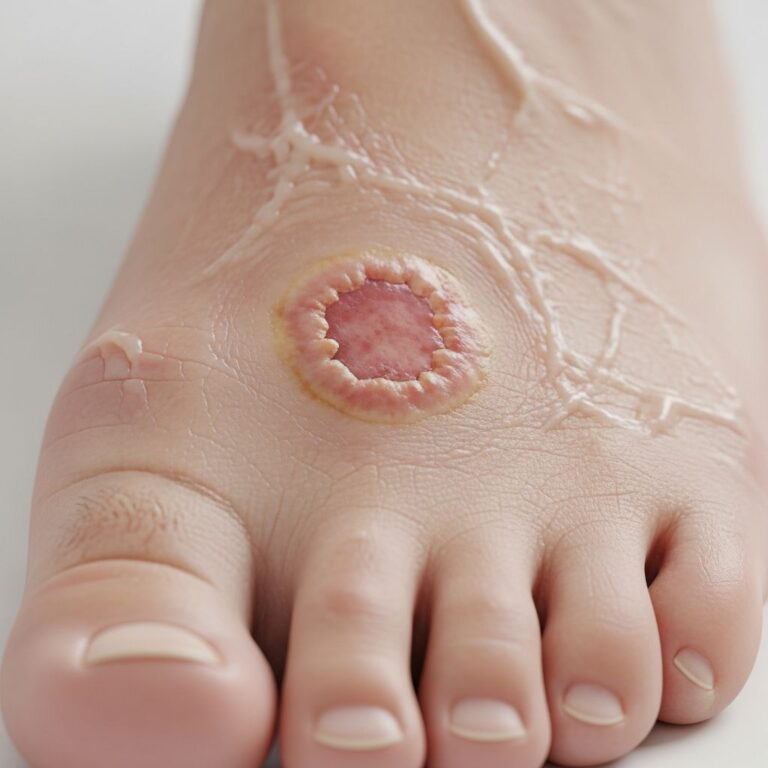
Oral Cancer and Tobacco: Understanding Risks, Prevention, and Treatment
Comprehensive insights into the link between tobacco use and oral cancer, including risks, symptoms, prevention, and treatment options.
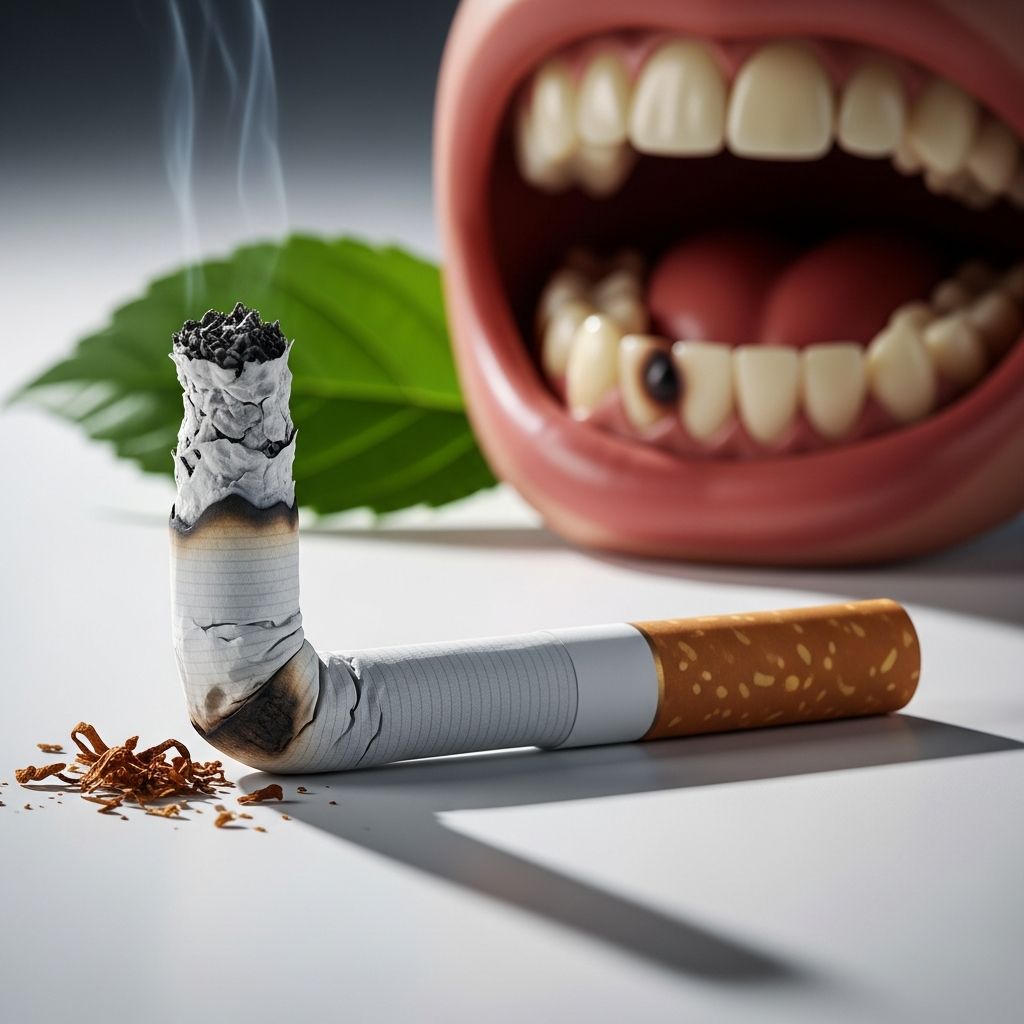
Understanding Oral Cancer and Its Link to Tobacco
Oral cancer is a serious health condition that affects the lips, mouth, and throat. Tobacco use—in the form of smoking or chewing—is one of the primary factors contributing to the development of oral cancer. The harmful chemicals in tobacco can cause cellular damage, leading to mutations that may develop into cancerous growths.
According to research, exposure to tobacco increases the risk of oral squamous cell carcinoma (OSCC), the most common type of oral cancer. OSCC accounts for a significant number of oral cancer cases worldwide.
How Tobacco Use Leads to Oral Cancer
Tobacco contains numerous carcinogenic (cancer-causing) chemicals. When tobacco smoke or smoke-free tobacco products come into contact with oral tissues, the chemicals can cause genetic alterations and cellular damage:
- Smoking tobacco: Includes cigarettes, cigars, and pipes. The combustion process produces toxic substances such as polycyclic aromatic hydrocarbons and nitrosamines that initiate malignant changes in mouth and throat cells.
- Chewing tobacco: Smokeless but still injurious; often mixed with other substances. It exposes oral tissues to high concentrations of carcinogens, leading to molecular changes linked to cancer.
Studies show distinct biological variations in oral cancer caused by chewing tobacco versus smoking. For example, certain protein markers in the blood differ among patients depending on tobacco type exposure, which may help in identifying high-risk individuals for early intervention.
Risk Factors Beyond Tobacco
While tobacco is the strongest risk factor, other contributors include:
- Alcohol consumption: Heavy drinking combined with tobacco significantly increases oral cancer risk.
- Human papillomavirus (HPV): Particularly HPV type 16, linked to oropharyngeal cancers, often spread via oral sex.
- Sun exposure: UV radiation can contribute to lip cancers.
- Genetic predisposition: Family history and inherited susceptibility may increase risk.
Importantly, individuals exposed to both tobacco and oral HPV infection have an even higher likelihood of developing oral cancers.
Recognizing the Early Signs and Symptoms
Early detection of oral cancer is vital to improving survival rates. Common signs and symptoms to watch for include:
- Persistent sores or ulcers in the mouth that do not heal within two weeks
- White or red patches on the gums, tongue, or lining of the mouth
- Pain or difficulty swallowing
- Unexplained bleeding in the mouth
- Swelling or lumps in the mouth, neck, or jaw
- Numbness or loss of feeling in any area of the mouth
- Loose teeth without obvious dental cause
If any of these symptoms are present, especially in individuals with a history of tobacco use, prompt medical consultation is recommended.
Screening and Diagnosis of Oral Cancer
Healthcare providers employ several methods to diagnose oral cancer:
- Physical examination: Inspection of mouth, throat, and neck for abnormalities
- Biopsy: Removal of tissue samples from suspicious lesions for microscopic analysis
- Imaging tests: Including X-rays, CT scans, MRI, and PET scans to determine cancer spread
- Molecular testing: Identifying specific biomarkers and genetic alterations that support diagnosis and treatment planning
Related Stories



Recent studies suggest that blood-based protein markers can help differentiate patients with oral cancer and may assist in early detection especially tailored for tobacco smokers versus chewers.
Preventing Oral Cancer: Tobacco Cessation and Beyond
The most effective way to reduce oral cancer risk is to avoid tobacco entirely. Prevention strategies include:
- Quitting tobacco: Whether smoking or chewing, stopping tobacco use dramatically lowers cancer risk.
- Limit alcohol intake: Reducing alcohol consumption helps minimize combined risk effects.
- Regular dental and medical check-ups: Professionals can spot suspicious lesions early.
- HPV vaccination: Vaccines targeting HPV can reduce infection-related oral cancers.
- Good oral hygiene and nutrition: Maintains healthy mucosa resistant to malignancy.
- Sun protection: Use lip balms with SPF to protect lips from UV damage.
Treatment Options for Oral Cancer
Treatment depends on cancer stage, location, and patient health but generally includes:
- Surgery: Removal of the tumor and some surrounding healthy tissue to ensure clear margins
- Radiation therapy: High-energy rays to kill cancer cells or prevent recurrence
- Chemotherapy: Drug treatment to target cancer cells, often combined with radiation
- Targeted therapy and immunotherapy: Newer treatments focusing on specific cancer pathways or stimulating immune response
A multidisciplinary team including surgeons, oncologists, dentists, and rehabilitation specialists typically coordinates care to maximize outcomes and quality of life.
Potential Complications and Long-Term Outlook
Oral cancer can lead to challenges such as difficulty speaking, eating, and swallowing due to treatments. Close rehabilitation and supportive care are essential post-treatment. Early-stage oral cancers have better survival rates; delayed diagnosis worsens prognosis.
Emerging Research and Future Directions
Scientific advances deepen understanding of oral cancer biology linked to tobacco use. Key research developments include:
- Identification of specific serum protein signatures distinguishing chewing versus smoking-related oral cancers
- Exploring the role of oral microbiome changes in cancer progression
- Improved screening protocols using biomarker panels and molecular tests
- Better strategies addressing HPV-related oral cancers
These insights pave the way for earlier detection, personalized treatments, and better prevention strategies tailored to individuals’ exposure profiles.
Frequently Asked Questions (FAQs)
What types of tobacco use put me at risk for oral cancer?
Both smoking tobacco products like cigarettes and cigars and using smokeless tobacco such as chewing tobacco increase your risk of developing oral cancer.
Are smokeless tobacco products less harmful than smoking?
While smokeless tobacco does not involve combustion, it still exposes the mouth to carcinogens. Studies suggest the risk from smokeless tobacco is lower than smoking but is not negligible, especially with frequent and long-term use.
Can oral cancer be cured?
Oral cancer can be successfully treated, especially when detected early. Treatment may include surgery, radiation, and chemotherapy depending on the stage and extent of cancer.
How can I reduce my risk of getting oral cancer?
Quit using tobacco, limit alcohol intake, maintain good oral hygiene, get vaccinated for HPV, protect your lips from sun exposure, and visit your dentist regularly for check-ups.
Is oral cancer related to HPV common?
Yes, HPV type 16 is an increasing cause of oropharyngeal cancers. HPV-related oral cancers have different characteristics and may affect younger individuals and nonsmokers.
References
- Molecular alterations in oral cancer between tobacco chewers and smokers — Cancer Biomarkers. 2021. https://doi.org/10.3233/CBM-210256
- Meta-analysis of the relation between European and American smokeless tobacco and oral cancer — International Journal of Cancer, 2007. https://www.ncbi.nlm.nih.gov/pmc/articles/PMC2225413/
- Research linking tobacco use and oral HPV infection — Johns Hopkins Medicine. 2016. https://www.eurekalert.org/news-releases/827745
- Association between oral bacteria and head and neck cancer — Johns Hopkins Medicine, 2016. https://hub.jhu.edu/2016/06/29/bacterial-colonies-cancer-growth/
Similar Articles








Read full bio of Sneha Tete