Oral Cancer Symptoms: 12 Early Signs You Shouldn’t Ignore
Recognize the early warning signs of oral cancer, from persistent sores to unexplained pain, and learn when to seek medical help.
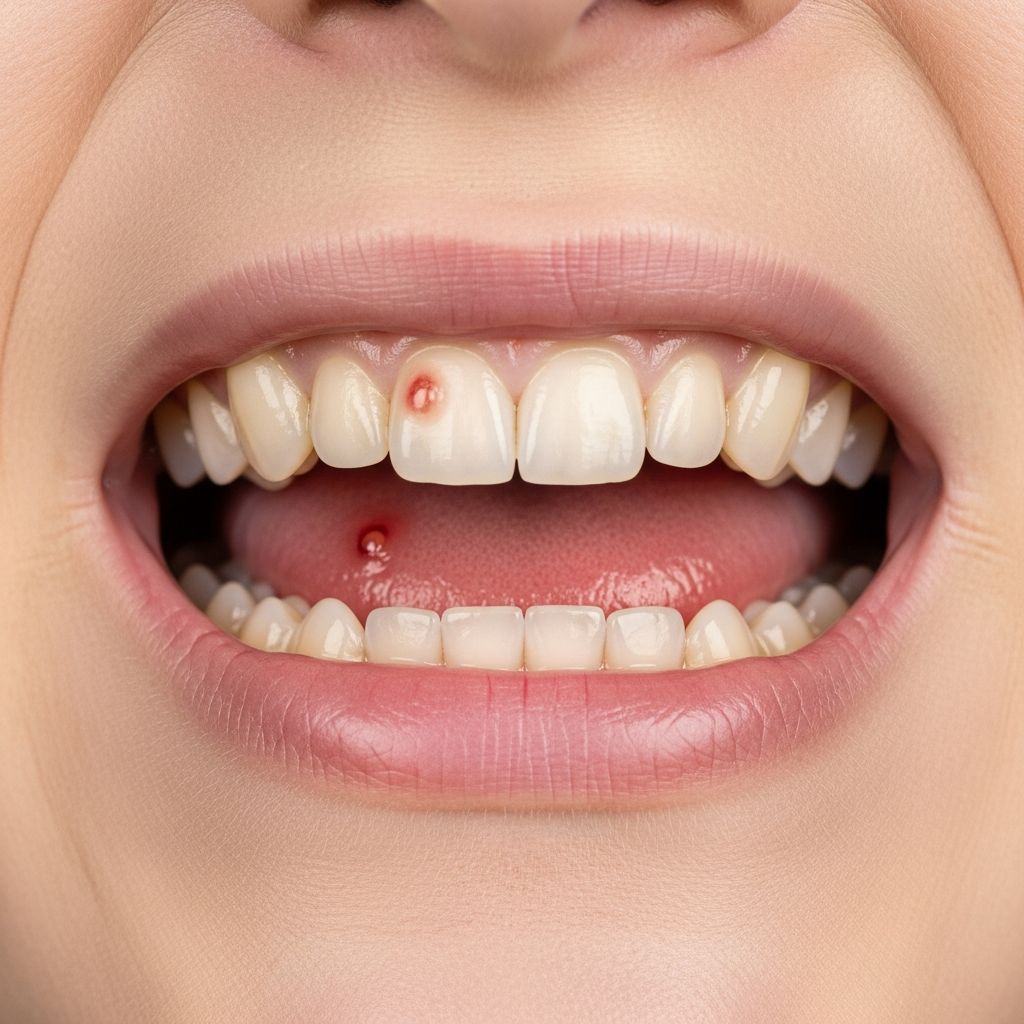
Oral cancer, also known as mouth cancer, develops in the oral cavity, including the lips, tongue, gums, cheeks, roof, and floor of the mouth. It often begins in squamous cells, the flat cells lining these areas, and is most common in people over 60. Early detection is critical, as approximately 63% of people with oral cavity cancer survive five years after diagnosis when caught early.
What Is Oral Cancer?
Oral cancer forms when cells in the mouth mutate, causing abnormal growth and tumor formation that can spread to lymph nodes in the neck. It is part of head and neck cancers and primarily affects visible parts of the mouth. Unlike common mouth issues, oral cancer symptoms persist beyond two weeks and do not resolve on their own.
The oral cavity encompasses lips, gums, tongue, inner cheeks, roof, and floor of the mouth. Most cases (about 75%) link to tobacco use, heavy alcohol consumption, or HPV infection, though 25% occur without these risk factors.
Symptoms of Oral Cancer
Symptoms mimic everyday mouth problems but last longer. Common signs include:
- A lip or mouth sore that won’t heal after two weeks.
- White or reddish patches inside the mouth that cannot be scraped off.
- A growth, lump, or thickening in the mouth or on the lip.
- Loose teeth or dentures that no longer fit properly.
- Mouth pain or pain when chewing/swallowing.
- Ear pain without hearing loss.
- Difficulty or pain opening the mouth, swallowing, or moving the tongue/jaw.
- Unexplained bleeding in the mouth.
- Numbness in the lip, tongue, or mouth.
- Swelling in the jaw or neck.
- Unexpected weight loss or voice changes.
- Persistent bad breath.
These symptoms warrant immediate dental or medical evaluation, as they may indicate precancerous changes or cancer.
Oral Cancer Pictures: What to Look For
Visual signs include white patches (leukoplakia), red sores (erythroplakia), or lip sores that persist. White patches appear as thick, raised areas on the tongue or cheeks; red patches signal higher risk. Lip cancer often presents as a non-healing sore. These images from clinical sources highlight irregularities not seen in benign conditions.
Risk Factors for Oral Cancer
Several factors increase susceptibility:
- Tobacco use: Smoking or chewing tobacco accounts for 75% of cases.
- Heavy alcohol consumption: Synergistic with tobacco.
- HPV infection: Certain strains elevate risk.
- Poor diet: Low in fruits and vegetables.
- Chronic irritation: From rough teeth or dentures.
- Excessive sun exposure: For lip cancer.
- Weakened immune system or family history.
Quitting tobacco, limiting alcohol, HPV vaccination, healthy diet, UV protection, and regular dental care reduce risks.
How Is Oral Cancer Diagnosed?
Diagnosis starts with a physical exam by a dentist or doctor inspecting for sores, patches, or lumps. If suspicious, a biopsy removes tissue for lab analysis to confirm cancer cells.
Further tests include imaging (CT, MRI, PET scans) to assess spread, endoscopy, or staging via the TNM system: T (tumor size), N (lymph node involvement), M (metastasis). Stages range from 0 (in situ) to IV (advanced spread).
Dentists often detect it during routine checkups, emphasizing biannual visits.
Oral Cancer Stages
Related Stories



Staging determines treatment:
| Stage | Description |
|---|---|
| 0 | Cancer in place, not spread (carcinoma in situ). |
| I-II | Small tumor (<2-4 cm), no lymph nodes. |
| III | Larger tumor or lymph node involvement. |
| IVA-B | Extensive local spread or multiple nodes. |
| IVC | Distant metastasis. |
Early stages (I-II) have higher cure rates via surgery or radiation.
Oral Cancer Treatment
Treatment depends on stage, location, and health:
- Surgery: Tumor removal, possibly lymph nodes or reconstructive procedures.
- Radiation therapy: High-energy beams to destroy cancer cells, often post-surgery.
- Chemotherapy: Drugs for advanced cases or combined with radiation.
- Targeted therapy/Immunotherapy: For specific cases.
Side effects include mouth sores, dry mouth, taste changes, jaw stiffness, and fatigue. Manage with pain relief, oral rinses, and dental care.
Prevention Tips
Preventive measures include:
- Avoid all tobacco products.
- Limit alcohol to moderate levels.
- Get HPV vaccine if eligible.
- Eat fruits/vegetables-rich diet and maintain healthy weight.
- Use lip balm with SPF.
- Regular dental checkups for early detection.
When to See a Doctor
Seek care if symptoms persist over two weeks, worsen, or include fever, infection signs, or treatment side effects impacting daily life. Contact providers promptly for new or escalating issues.
Frequently Asked Questions (FAQs)
What are the first signs of oral cancer?
The earliest signs are a sore that doesn’t heal, white/red patches, or lumps in the mouth.
Is oral cancer curable?
Yes, especially if detected early; 63% five-year survival for oral cavity cancer.
Who is at risk for mouth cancer?
Smokers, heavy drinkers, HPV-positive individuals, and those over 60.
How is oral cancer different from other mouth sores?
Cancer symptoms last over two weeks and don’t respond to usual treatments.
Can oral cancer be prevented?
Largely yes, by avoiding tobacco/alcohol, healthy diet, and regular checkups.
References
- Mouth cancer – Symptoms and causes — Mayo Clinic. 2023-10-20. https://www.mayoclinic.org/diseases-conditions/mouth-cancer/symptoms-causes/syc-20350997
- Oral Cancer: Overview — OSF HealthCare. 2024-05-15. https://healthlibrary.osfhealthcare.org/Library/HealthSheets/35,FAQOralCancer
- Oral Cancer: Causes, Symptoms & Treatment — Cleveland Clinic. 2024-08-10. https://my.clevelandclinic.org/health/diseases/11184-oral-cancer
Similar Articles








Read full bio of medha deb