Oral Care Essentials For Parkinson’s: A Practical Guide
Discover vital strategies to protect dental health amid Parkinson's challenges like tremors, dry mouth, and motor difficulties.
Parkinson’s disease profoundly influences daily life, including oral health, due to motor impairments, medication side effects, and saliva changes. Individuals with Parkinson’s face elevated risks of dental problems, such as cavities and tooth loss, necessitating targeted strategies for maintenance.
The Intersection of Parkinson’s and Oral Health Risks
Motor symptoms like tremors, rigidity, and dyskinesia complicate routine tasks such as brushing and flossing, leading to plaque buildup and heightened cavity risks. Research indicates Parkinson’s patients undergo 1.5 times more tooth extractions and 1.7 times more fillings compared to peers without the condition. Reduced saliva production, often from medications, exacerbates this by failing to neutralize harmful bacteria, fostering decay and gum disease.
Swallowing difficulties, or dysphagia, common in Parkinson’s, link poor chewing—due to missing or damaged teeth—to choking hazards and aspiration pneumonia, a potentially fatal complication. Jaw pain, teeth grinding (bruxism), and cheek biting from oral motor impairments further contribute to fractures and wear.
Common Dental Challenges in Parkinson’s
- Dry Mouth (Xerostomia): Medications diminish saliva, increasing cavity and infection susceptibility.
- Excess Saliva or Drooling: Pooling saliva heightens fungal infections at mouth corners and aspiration risks.
- Motor Limitations: Tremors hinder effective brushing; rigidity limits mouth opening during visits.
- Sensory Changes: Diminished smell and taste perception, alongside burning mouth syndrome, reduce hygiene motivation.
- Denture Difficulties: Dexterity loss complicates handling, causing fit issues and accelerated wear.
| Challenge | Parkinson’s Impact | Potential Consequences |
|---|---|---|
| Tremors/Rigidity | Impaired brushing/flossing | Plaque buildup, gingivitis |
| Reduced Saliva | Less bacterial neutralization | Cavities, gum disease |
| Dysphagia | Poor chewing | Aspiration pneumonia |
| Bruxism | Teeth grinding | Fractures, wear |
Daily Oral Hygiene Strategies
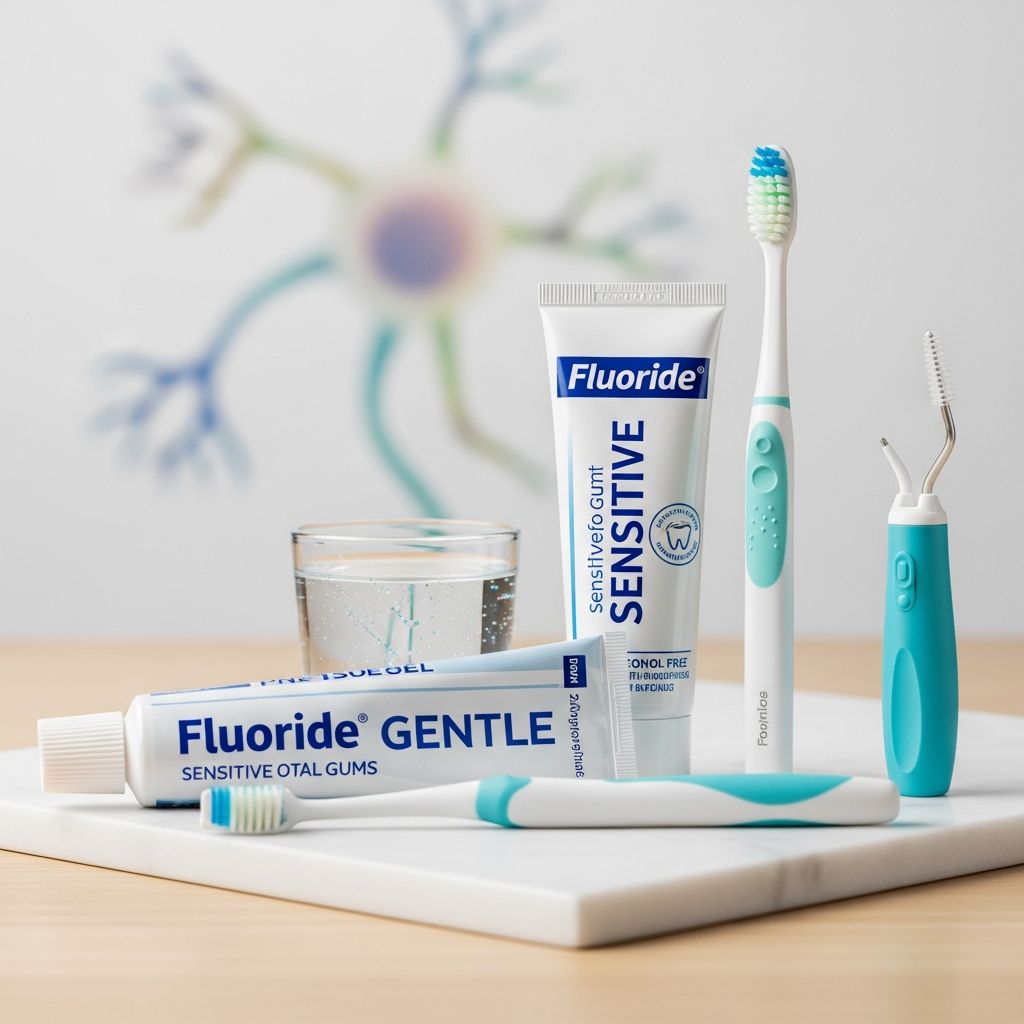
Adapting routines is crucial. Electric toothbrushes with soft heads minimize tremor effects, while floss picks or water flossers aid those with grip issues. Divide brushing into short sessions to combat fatigue.
For dry mouth, sip water frequently, chew sugar-free gum to stimulate saliva, or use rinses. Avoid sugary/acidic foods that worsen decay. Care partners can assist, ensuring twice-daily brushing and nightly flossing.
Tools and Techniques for Success
- Powered toothbrush with timer for consistent two-minute sessions.
- Prescription fluoride toothpaste or gels for enamel fortification.
- Mouthguards to prevent nighttime grinding.
- Saliva substitutes like gels for persistent dryness.
Navigating Dental Appointments Effectively
Scheduling early-morning visits leverages peak symptom control from medications. Inform dentists of Parkinson’s for accommodations like shorter sessions or head stabilizers. Sedation dentistry may suit those with anxiety or dyskinesia.
Prioritize preventive checkups; studies show irregular visits correlate with more invasive treatments. Discuss medication interactions, as some heighten infection risks around implants.
Special Considerations for Dentures and Prosthetics
Dentures demand daily cleaning with specialized brushes to avert plaque on clasps, which can decay supporting teeth. Adhesives provide stability amid saliva fluctuations, but monitor fit changes from muscle alterations. Partial dentures require vigilance to prevent gum irritation. Handle with care to avoid breaks during insertion/removal, exacerbated by tremors.
Medication Influences on Oral Wellness
Many Parkinson’s drugs induce xerostomia or sialorrhea (excess saliva). Anticholinergics and levodopa contribute to dryness, while others provoke drooling. Coordinate with physicians for adjustments or saliva-modulating aids. Bisphosphonates for bone health warrant disclosure to dentists due to jaw complication risks.
Preventive Measures and Long-Term Management
Integration of oral care into multidisciplinary Parkinson’s management enhances outcomes. Neurologists should flag dental risks post-diagnosis, promoting team awareness among caregivers. Routine exams detect issues early, averting systemic spread from oral infections, critical for those on immunosuppressants.
Nutritional counseling counters dietary shifts from chewing woes, emphasizing soft, nutrient-dense foods to sustain health without excess sugars.
Related Stories



FAQs on Oral Health and Parkinson’s
Why do Parkinson’s patients get more cavities?
Decreased saliva from meds and motor issues impair cleaning, allowing bacterial proliferation.
Can dental problems worsen Parkinson’s symptoms?
Yes, pain and infections heighten stress, potentially aggravating tremors; poor nutrition from chewing issues compounds fatigue.
How often should dental visits occur?
Every 3-6 months, or more if symptoms intensify, for proactive monitoring.
Are there home remedies for dry mouth?
Hydration, sugarless lozenges, and humidifiers help, but consult professionals for tailored solutions.
What if tremors prevent proper brushing?
Opt for adaptive tools like electric brushes or caregiver assistance.
Building a Supportive Oral Care Routine
Empowerment through education transforms challenges. Track symptoms in a journal to share with providers, optimizing treatments. Community resources, like Parkinson’s foundations, offer workshops on adaptive hygiene.
Holistic vigilance preserves not just teeth but overall vitality, mitigating complications that erode independence. Consistent efforts yield substantial dividends in comfort and health.
References
- Parkinson’s patients have increased risk of cavities and tooth extraction — University of Copenhagen, Department of Odontology. 2022-11. https://healthsciences.ku.dk/newsfaculty-news/2022/11/parkinsons-patients-have-increased-risk-of-cavities-and-tooth-extraction/
- Dental Health — Parkinson’s Foundation. Accessed 2026. https://www.parkinson.org/living-with-parkinsons/management/dental-health
- Oral Health and Parkinson’s Disease — American Parkinson Disease Association. Accessed 2026. https://www.apdaparkinson.org/downloads/oral-health-and-parkinsons-disease/
- Dental Issues Related to Parkinson’s Disease (PD) — Center for Medicare Advocacy. 2021-08. https://medicareadvocacy.org/wp-content/uploads/2021/08/Fact-Sheet-Oral-Health-Parkinsons.pdf
- Dental Health and Parkinson’s Disease — Snooze Dentistry. Accessed 2026. https://snoozedentistry.net/blog/dental-health-and-parkinsons-disease/
Similar Articles








Read full bio of medha deb