Oral Contraceptives And The Skin: 8 Effects On Acne And Hair
How hormonal birth control affects your skin: benefits, side effects, and treatment options.
Oral Contraceptives and the Skin
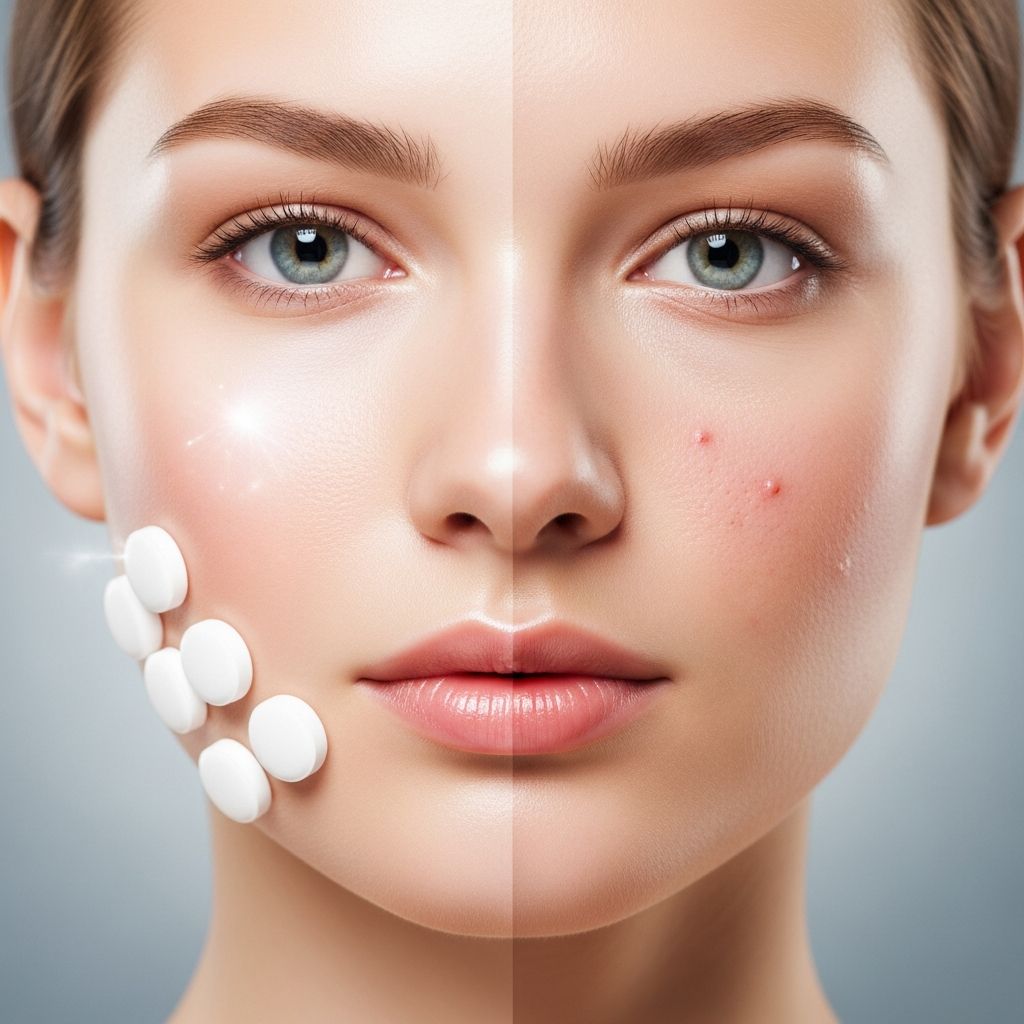
Oral contraceptives are among the most widely used medications globally, with millions of women relying on them for contraception. Beyond their primary contraceptive function, these hormonal medications significantly impact skin health and have become an important treatment option for various dermatological conditions. Understanding the relationship between oral contraceptives and skin health is essential for both patients and healthcare providers, as these medications can produce both beneficial and adverse cutaneous effects.
The effects of oral contraceptives on the skin are primarily mediated through their hormonal components: estrogen and progestin (a synthetic form of progesterone). Combined oral contraceptives (COCs) contain both estrogen and progestin, while progesterone-only pills (the minipill) contain only progestin. The balance between these two hormones determines whether oral contraceptives will improve or worsen various skin conditions.
How Oral Contraceptives Work on Skin
Hormonal mechanisms are fundamental to understanding oral contraceptive effects on skin. Combined oral contraceptives suppress luteinizing hormone (LH)-driven androgen production and increase sex hormone binding globulin (SHBG). This results in decreased levels of free androgen, which directly impacts androgen-dependent skin conditions. The action of combined oral contraceptives depends on their estrogen-progestin balance, as progestins are weak androgens in their own right.
In combined oral contraceptives, the effects of estrogen outweigh the effects of progestin, resulting in an overall decrease in androgen levels. This differential effect explains why some oral contraceptives improve skin conditions while others may worsen them. Conversely, progesterone-only oral contraceptives are not effective in managing androgen-mediated skin conditions and can actually make acne worse.
Skin Problems Treated Using Oral Contraceptives
One of the most valuable applications of oral contraceptives in dermatology is their therapeutic use for treating various skin conditions. The estrogen component in combined oral contraceptives suppresses sebaceous gland activity and reduces androgens, making them effective treatment options for multiple conditions.
Acne vulgaris and comedonal acne represent the primary dermatological indication for oral contraceptive use. The estrogen in combined oral contraceptives helps treat acne by reducing free androgen levels, thereby decreasing sebum production and bacterial colonization. Studies demonstrate that combined oral contraceptives and vaginal rings are effective in treating acne, while progesterone-only methods may worsen this condition.
Hirsutism, characterized by excessive facial and body hair growth in a male pattern distribution, responds well to combined oral contraceptive therapy. By reducing free androgen levels through SHBG elevation, oral contraceptives decrease the androgenic stimulation of hair follicles.
Seborrhoea, an oily skin condition resulting from excess sebaceous gland activity, improves with combined oral contraceptive use due to the suppression of sebaceous gland function by estrogen.
Female pattern hair loss (androgenetic alopecia) can benefit from combined oral contraceptive therapy, as the reduction in free androgens may slow hair loss progression. However, withdrawal from oral contraceptives is often associated with telogen effluvium, a temporary form of diffuse hair loss.
Related Stories



Adverse Skin Effects of Oral Contraceptives
While oral contraceptives offer therapeutic benefits for many skin conditions, they can also trigger or exacerbate various dermatological problems. Understanding these potential adverse effects helps patients and providers make informed treatment decisions.
Melasma
Melasma, a dark brown hyperpigmentation typically affecting the face, is one of the most frequently reported adverse effects of oral contraceptive use. Studies have documented significant incidence rates, with 24% to 29% of oral contraceptive users developing melasma. Progesterone activity contributes to melasma development by altering skin biochemistry. Additionally, estrogenic substances increase skin sensitivity to light, further promoting melasma formation. Management strategies include minimizing sunlight exposure, though switching oral contraceptives shows little benefit. Some women opt for skin lightening creams or chemical peels, though results can be unpredictable.
Acne and Folliculitis
Paradoxically, while combined oral contraceptives improve acne, certain formulations can worsen this condition depending on their progestin component. Progesterone activity changes the biochemistry and pH of the skin and sebaceous glands, potentially triggering acne vulgaris eruptions. Progestin-only methods are particularly problematic, as progestin represents the main culprit in acne development through its androgenic effects on sebaceous glands.
Genital Candidiasis
Oral contraceptives have been documented to increase the incidence of genital candidiasis (yeast infection). This occurs due to hormonal changes that alter vaginal flora and pH, creating an environment favorable for Candida species proliferation.
Herpes Gestationis
Herpes gestationis is a herpetiform dermatitis characterized by vesicular and bullous eruptions triggered by high levels of progesterone and prolactin. Though traditionally associated with pregnancy, oral contraceptives containing high progesterone levels can precipitate this condition.
Photosensitivity and Telangiectasis
Estrogenic substances in oral contraceptives increase skin sensitivity to light (photosensitivity) and induce telangiectasia—the appearance of small dilated blood vessels on the skin surface. These effects contribute to sun-related skin damage and may necessitate strict photoprotection measures.
Erythema Nodosum and Purpura
Oral contraceptives, along with many other medications, have been associated with erythema nodosum, an inflammatory condition presenting as painful nodules typically on the shins. Similarly, purpura (purple discoloration from blood vessel rupture) can occur as an adverse effect, though the association is less definitively established than with other conditions.
Perioral Dermatitis and Dermatitis
Estrogen can trigger perioral dermatitis, a skin condition resembling eczema that appears around the mouth and nose. This condition presents with itchy, dry, and possibly red skin with small red bumps or pustules. It may be associated with pregnancy, hormonal contraceptives, and premenstrual flares. The condition often improves with plain moisturizers and avoidance of makeup, though steroid creams should be avoided as they can exacerbate the condition.
Alopecia
While certain oral contraceptives help treat androgenetic alopecia, withdrawal from oral contraceptives is frequently associated with telogen alopecia, a temporary hair shedding condition. This occurs due to hormonal shifts when oral contraceptive use ceases.
Progesterone-Only Methods and Skin Effects
Progesterone-only oral contraceptives (minipills) differ significantly from combined formulations in their dermatological effects. The literature indicates that progesterone-only methods tend to trigger or worsen many skin conditions, including acne, hirsutism, alopecia, and even rosacea. This makes progesterone-only methods unsuitable for patients seeking contraception with skin condition improvement. Women using minipills who develop or experience worsening acne may benefit from switching to combined oral contraceptives with favorable progestin profiles.
Comparison of Hormonal Contraceptive Methods and Skin Effects
Different hormonal contraceptive delivery systems produce varying dermatological outcomes:
| Contraceptive Method | Hormonal Type | Effect on Acne | Effect on Hair Loss | Other Skin Effects |
|---|---|---|---|---|
| Combined Oral Contraceptives | Estrogen + Progestin | Improves | May improve | Melasma, photosensitivity |
| Progesterone-Only Pill (Minipill) | Progestin only | Worsens/No effect | No benefit | May worsen conditions |
| Contraceptive Implants | Progestin only | Worsens (8-13%) | May worsen | Acne most common complaint |
| Hormonal IUD | Progestin only | Worsens | May worsen | Increased acne risk |
| Injectable (Depo-Provera) | Progestin only | Worsens (8-14%) | May worsen (up to 11%) | Hirsutism, hair loss |
| Vaginal Ring | Estrogen + Progestin | Improves | May improve | Similar to COCs |
| Copper IUD | Non-hormonal | No direct effect | No effect | Higher acne reports (comparative) |
Progestin Types and Skin Impact
Different progestins in oral contraceptives have varying androgenic effects. Levonorgestrel causes a decrease in SHBG, directly leading to increased free testosterone, which can worsen acne. Etonogestrel, found in certain implants, is less androgenic but still associated with acne complaints among users. The selection of oral contraceptives with favorable progestin profiles—those with minimal androgenic activity—is important for patients seeking both contraception and skin improvement.
Hormonal Hypersensitivity and Allergic Reactions
Hormonal changes can trigger skin changes through hormonal hypersensitivity or allergies to hormonal contraceptives or other substances found in pills, such as lactose or pill binders. Some patients experience dry skin, itchy skin (especially around the face), or dermatitis when initiating oral contraceptive use. These symptoms often improve as the body adjusts to the new hormonal contraceptive, typically with supportive care including plain moisturizers.
Clinical Considerations for Oral Contraceptive Selection
Selecting appropriate oral contraceptives requires consideration of individual patient factors and skin conditions. For patients with acne, hirsutism, or female pattern hair loss, combined oral contraceptives with favorable estrogen-to-progestin ratios and low-androgenic progestins offer therapeutic benefits. Conversely, patients experiencing melasma or photosensitivity may require additional photoprotection or consideration of non-hormonal contraceptive alternatives.
Healthcare providers should obtain detailed medication and contraceptive histories from patients presenting with dermatological complaints, as oral contraceptive use may either improve or exacerbate their conditions. For patients experiencing adverse skin effects from their current oral contraceptive formulation, switching to an alternative formulation with different hormonal characteristics may improve outcomes without discontinuing contraceptive use.
Frequently Asked Questions
Q: Can oral contraceptives improve acne?
A: Yes, combined oral contraceptives can improve acne by reducing free androgen levels through increased SHBG and decreased androgen production. However, progesterone-only pills may worsen acne due to their androgenic effects.
Q: What causes melasma with oral contraceptive use?
A: Melasma develops due to progesterone’s effects on skin biochemistry and estrogen’s increase in photosensitivity. It affects 24-29% of oral contraceptive users and is best managed through sun protection rather than switching contraceptives.
Q: Can stopping oral contraceptives cause hair loss?
A: Yes, withdrawal from oral contraceptives is often associated with telogen effluvium, a temporary form of hair loss occurring as hormonal levels shift.
Q: Are progesterone-only pills good for skin conditions?
A: No, progesterone-only pills are not effective for managing androgen-mediated skin conditions and can actually worsen acne, hirsutism, and hair loss due to their weak androgenic effects.
Q: How long does it take for oral contraceptives to improve acne?
A: Skin improvements typically require several months of consistent use as hormone levels stabilize. Most dermatological benefits become apparent after 2-3 months of continuous use.
Q: Can I prevent melasma while taking oral contraceptives?
A: Strict sun protection with broad-spectrum sunscreen (SPF 30+), protective clothing, and minimizing sun exposure can help prevent or reduce melasma severity in oral contraceptive users.
References
- Cutaneous Side Effects of Oral Contraceptives — JAMA Dermatology. https://jamanetwork.com/journals/jamadermatology/fullarticle/531438
- Pharmaceutical effect of contraceptive pills on the skin — PubMed/National Library of Medicine. https://pubmed.ncbi.nlm.nih.gov/2974837/
- Oral contraceptives and the skin — DermNet New Zealand. https://dermnetnz.org/topics/oral-contraceptive
- The contraceptive pill and skin problems — The Lowdown. https://thelowdown.com/blog/contraceptive-pill-skin-problems
- Hormonal Contraceptives and Dermatology — PubMed/National Library of Medicine. https://pubmed.ncbi.nlm.nih.gov/32894455/
- Contraception and its impact on acne — Contemporary OB/GYN. https://www.contemporaryobgyn.net/view/contraception-acne
Similar Articles








Read full bio of Sneha Tete