Oral Dysaesthesia: A Practical Guide To Diagnosis And Treatment
Understanding oral dysaesthesia: symptoms, causes, diagnosis, and management strategies for this challenging oral sensation disorder.
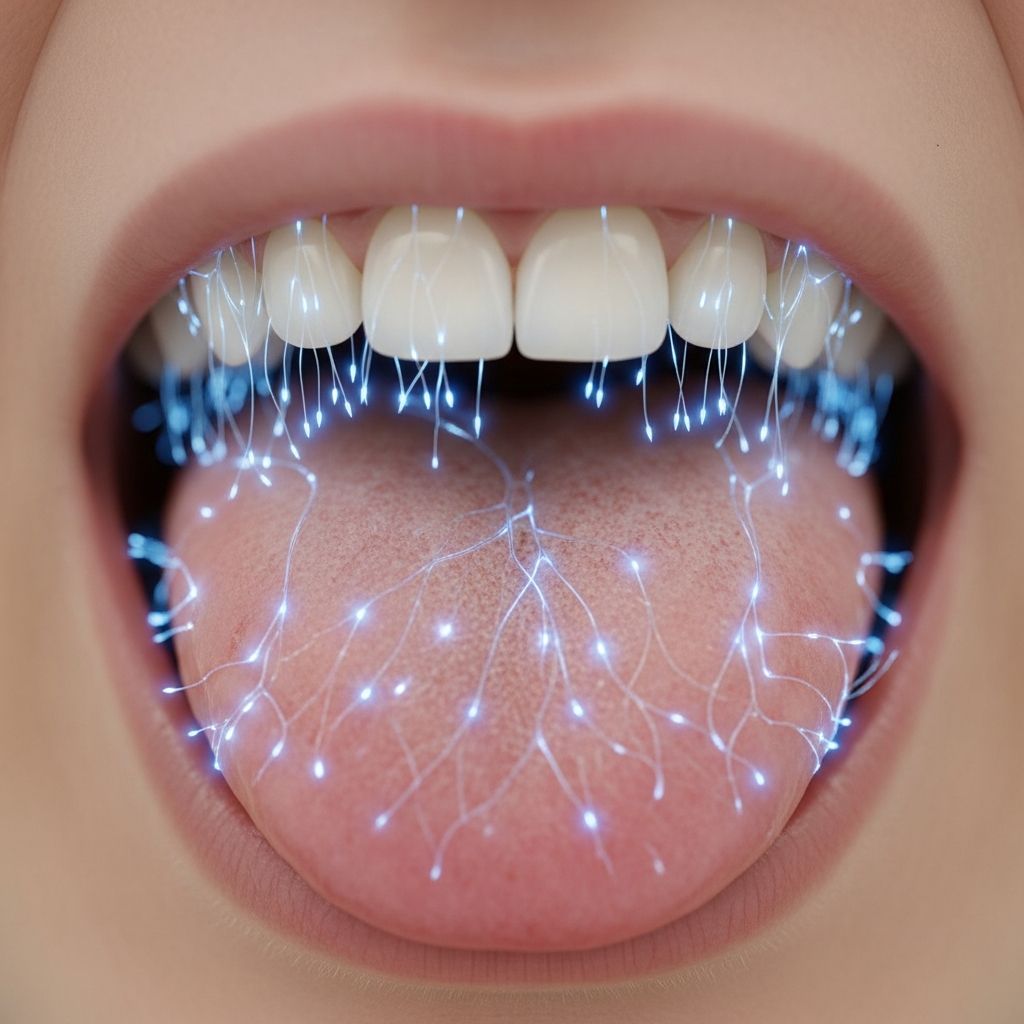
Oral dysaesthesia, commonly referred to as
burning mouth syndrome (BMS)
, is a chronic condition characterized by a burning, scalding, or tingling sensation in the mouth without any visible clinical abnormalities. This disorder predominantly affects the tongue but can involve other oral sites such as the lips, gums, palate, or pharynx. It is more prevalent in middle-aged and postmenopausal women, with symptoms often persisting for years and significantly impacting quality of life.What is oral dysaesthesia?
**Oral dysaesthesia** encompasses a range of unpleasant sensory experiences in the mouth, including burning, tingling, numbness, or altered taste perceptions, in the absence of detectable mucosal changes or pathology. The term ‘dysaesthesia’ highlights the abnormal sensory phenomena, distinguishing it from true pain or identifiable lesions. Patients frequently describe the sensation as if their mouth has been scalded by hot food or chemicals.
The condition is idiopathic in many cases (primary BMS), where no underlying cause is identified, or secondary to treatable factors. Symptoms are typically bilateral, symmetrical, and daily, worsening throughout the day and peaking in the evening. Unlike acute burns, there is no erythema, ulceration, or swelling.
Who gets oral dysaesthesia?
Oral dysaesthesia primarily affects adults over 50 years, with a strong female predominance (up to 7:1 female-to-male ratio). Postmenopausal women are particularly susceptible, possibly due to hormonal influences. Prevalence estimates range from 1-3% in the general population, rising to 10-40% among those seeking dental care for oral complaints.
Risk factors include:
- Psychological stressors, anxiety, or depression
- Recent dental procedures or ill-fitting dentures
- Chronic medical conditions like diabetes or thyroid disorders
- Nutritional deficiencies (e.g., iron, B vitamins)
- Medications causing xerostomia (dry mouth)
While not life-threatening, the persistent discomfort can lead to sleep disturbances, nutritional issues, and emotional distress.
What causes oral dysaesthesia?
The aetiology of oral dysaesthesia is multifactorial and often elusive. It is classified into primary (idiopathic, neuropathic) and secondary (due to identifiable causes) forms.
Primary oral dysaesthesia
In primary BMS, the burning arises from peripheral or central neuropathic mechanisms. Damage or dysfunction in small nerve fibers (C-fibers) that transmit pain and temperature sensations is implicated. This may involve:
- Neuropathic changes in the trigeminal nerve or taste pathways
- Central sensitization in the brain’s pain-processing centers
- Altered dopamine or serotonin signaling
Genetic predispositions and hormonal fluctuations (e.g., oestrogen decline in menopause) may contribute.
Secondary oral dysaesthesia
Secondary forms stem from underlying conditions, including:
- Local oral factors: Candidiasis (oral thrush), geographic tongue, lichen planus, ill-fitting dentures, parafunctional habits (tongue thrusting, bruxism)
- Systemic diseases: Diabetes mellitus, hypothyroidism, Sjögren syndrome, anaemia (B12, folate, iron deficiency)
- Gastrointestinal: Gastro-oesophageal reflux disease (GORD/GERD)
- Allergic/contact: Reactions to foods, toothpaste (sodium lauryl sulphate, cinnamon, mint), dental materials
- Drug-induced: ACE inhibitors, antihypertensives, chemotherapy
- Psychogenic: Stress, anxiety, depression exacerbating perception
Related Stories



Recent studies emphasize the role of dry mouth (xerostomia) from medications or salivary gland dysfunction as a key precipitant.
What are the clinical features of oral dysaesthesia?
Symptoms are subjective and disproportionate to clinical findings. Key features include:
- **Burning sensation:** Most common on anterior tongue, lips, palate; may spread
- **Dry mouth feeling:** Despite normal saliva production
- **Dysgeusia:** Metallic, bitter, or altered taste
- **Tingling/numbness:** In affected areas
- **Worsening pattern:** Increases with fatigue, stress, spicy/acidic foods; improves with distraction, eating, or cold items
Symptoms fluctuate but persist daily, often absent on waking and intensifying later. No vesicles, erosions, or candidiasis on exam.
Diagnosis of oral dysaesthesia
Diagnosis is clinical, based on history and exclusion of mimics. No single test confirms it.
History and examination
Detailed history covers symptom onset, progression, exacerbating/relieving factors, medications, diet, habits, and psychosocial stressors. Intraoral exam rules out pathology; normal mucosa supports BMS.
Investigations
| Test | Purpose |
|---|---|
| Blood tests (FBC, B12, folate, ferritin, glucose, thyroid function) | Detect deficiencies, diabetes, endocrine issues |
| Allergy patch testing | Identify contact sensitivities |
| Salivary flow rate | Assess xerostomia |
| Culture/swabs | Exclude candidiasis |
| GORD evaluation (pH monitoring) | Detect reflux |
| Imaging (MRI if neurological signs) | Rarely, for central causes |
Treat reversible causes first; persistence confirms primary BMS.
How is oral dysaesthesia treated?
There is no cure, especially for primary BMS. Management focuses on symptom relief, addressing secondary causes, and multidisciplinary support. Evidence is limited; trials show modest benefits.
Treat secondary causes
- Antifungals for candida
- Vitamin supplements for deficiencies
- Adjust ill-fitting dentures
- GERD therapy (PPIs)
- Medication substitution
Symptomatic treatments
- Topical agents: Lidocaine rinses, capsaicin (desensitizes nerves), benzydamine (Difflam) spray/mouthwash
- Systemic medications: Low-dose tricyclics (amitriptyline 10-25mg), SNRIs (duloxetine), anticonvulsants (gabapentin, pregabalin), clonazepam, alpha-lipoic acid (antioxidant)
- Saliva substitutes: Artificial saliva, pilocarpine
Non-pharmacological
- Avoid irritants: Alcohol, tobacco, spicy/acidic foods, cinnamon/mint toothpastes
- Hydration: Ice chips, cold drinks, sugarless gum
- Cognitive behavioural therapy (CBT): For coping, anxiety reduction
- Stress management: Relaxation techniques, hypnosis
Response varies; 30-50% achieve partial relief. Multidisciplinary input (dentist, physician, psychologist) optimizes outcomes.
What is the outcome for oral dysaesthesia?
Primary BMS is chronic; spontaneous remission occurs in 30% over 5-7 years. Secondary resolves with cause treatment. Complications include weight loss, insomnia, depression. Ongoing support improves adaptation.
Frequently Asked Questions
Is oral dysaesthesia dangerous?
No, it is benign without serious health risks, though distressing.
Can oral dysaesthesia be cured?
Primary form cannot; management reduces symptoms.
Does stress worsen oral dysaesthesia?
Yes, symptoms often intensify with stress.
What toothpaste is best for oral dysaesthesia?
Mild, flavour-free, SLS-free for sensitive teeth.
Can diet help oral dysaesthesia?
Avoiding irritants (acidic, spicy) and ensuring nutrition aids management.
References
- Burning mouth syndrome – Diagnosis and treatment — Mayo Clinic. 2023-10-15. https://www.mayoclinic.org/diseases-conditions/burning-mouth-syndrome/diagnosis-treatment/drc-20350917
- Burning mouth syndrome – Symptoms and causes — Mayo Clinic. 2023-10-15. https://www.mayoclinic.org/diseases-conditions/burning-mouth-syndrome/symptoms-causes/syc-20350911
- Burning Mouth Syndrome (BMS) Patient Information Leaflet — British Society for Oral Medicine (BSOM). 2020-08-01. https://bisom.org.uk/wp-content/uploads/2020/08/BMS-PIL.pdf
- Burning Mouth Syndrome — Merck Manuals Professional Edition. 2024-01-01. https://www.merckmanuals.com/professional/dental-disorders/lip-and-tongue-disorders/burning-mouth-syndrome
- Burning Mouth Syndrome — Royal United Hospitals Bath NHS Foundation Trust. 2022-01-01. https://www.ruh.nhs.uk/patients/services/clinical_depts/oral_surgery/documents/Burning_mouth_syndrome.pdf
- Burning Mouth Syndrome: Symptoms, Causes & Treatment — Cleveland Clinic. 2023-08-21. https://my.clevelandclinic.org/health/diseases/14463-burning-mouth-syndrome
- Burning Mouth Syndrome: Clinical Presentation, Diagnosis and Management — PubMed (Head & Face Medicine). 2006-05-09. https://pubmed.ncbi.nlm.nih.gov/16637799/
Similar Articles








Read full bio of Sneha Tete