Oral Hairy Leukoplakia: Causes, Symptoms, and Treatment
Understanding oral hairy leukoplakia: An EBV-related condition affecting immunocompromised patients.
Understanding Oral Hairy Leukoplakia
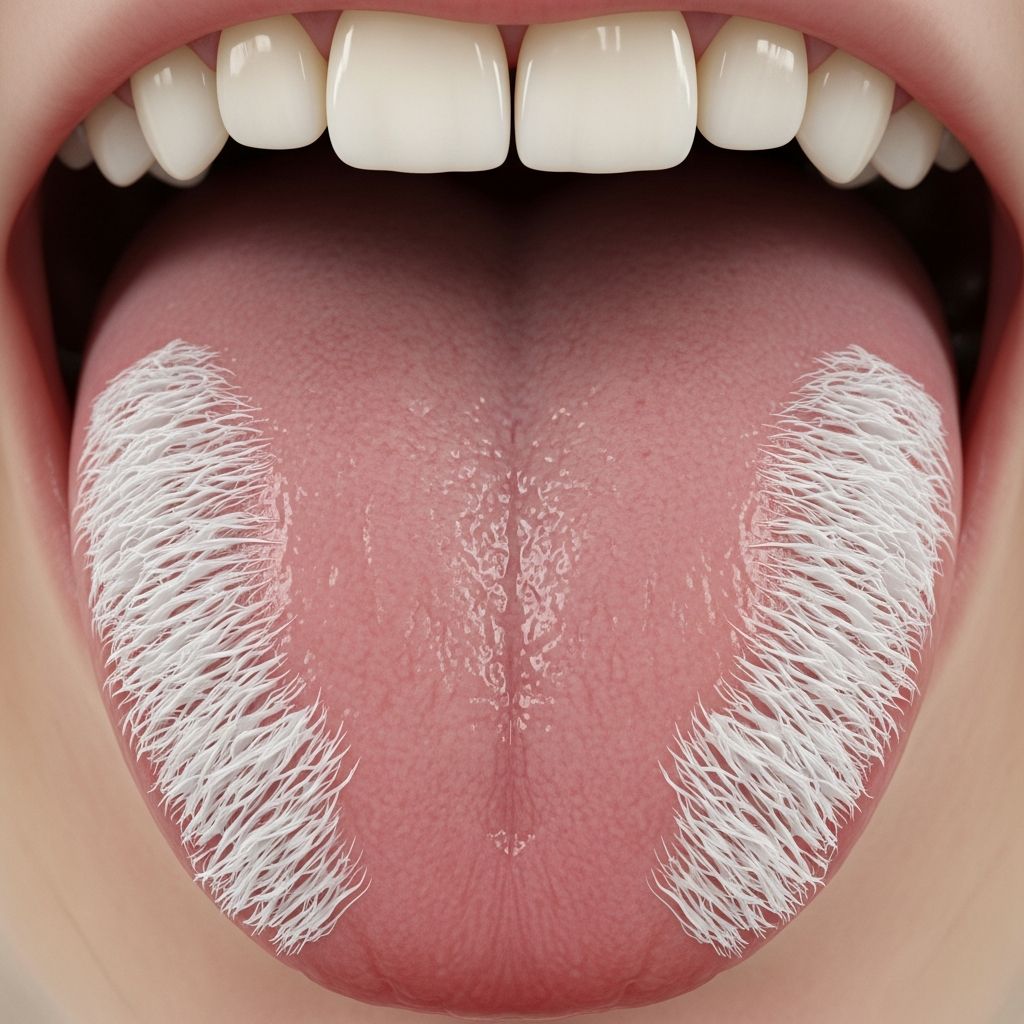
Oral hairy leukoplakia is a condition of the mouth that develops as a result of infection with the Epstein-Barr virus (EBV). This condition produces distinctive white patches that typically appear on the tongue, and these patches have a characteristic corrugated, wrinkled, or “hairy” appearance from which the condition derives its name. Understanding this condition is important for individuals at risk, particularly those with compromised immune systems, as it can serve as an early indicator of more serious underlying health issues.
Unlike many other oral conditions, oral hairy leukoplakia is not considered cancerous or precancerous. However, its presence often signals that the immune system is severely weakened and may warrant further medical investigation and treatment. The condition was first identified in HIV-positive individuals but has since been recognized in other immunocompromised populations as well.
What Causes Oral Hairy Leukoplakia?
Oral hairy leukoplakia is caused by the reactivation of the Epstein-Barr virus in the oral epithelium. The Epstein-Barr virus is a common virus that infects most people at some point during their lifetime. Once infected, the virus remains dormant in the body indefinitely. In individuals with healthy immune systems, the virus typically remains inactive and causes no symptoms or problems.
However, when the immune system becomes significantly weakened, the dormant EBV can reactivate and lead to oral hairy leukoplakia. This reactivation occurs because a compromised immune system cannot effectively control the virus’s replication.
Risk Factors and At-Risk Populations
Several groups of people are at higher risk for developing oral hairy leukoplakia:
– HIV/AIDS patients: This remains the most common population affected by this condition, particularly those with CD4 counts below 200 cells per microliter- Organ and bone marrow transplant recipients receiving immunosuppressive medications- Individuals undergoing chemotherapy for cancer treatment- Patients with primary blood disorders affecting immune function- People taking systemic or inhaled corticosteroids for chronic conditions- Individuals with other severe immunodeficiency conditions
Research has demonstrated that the risk of developing oral hairy leukoplakia increases significantly with each 300-unit decrease in CD4 count in HIV-positive individuals. While oral hairy leukoplakia is rare in immunocompetent individuals, there have been occasional case reports in people with normal immune function, typically in those aged 50 to 60 years.
Symptoms and Clinical Presentation
The primary symptom of oral hairy leukoplakia is the appearance of white patches in the mouth. These patches have several distinctive characteristics that help differentiate them from other oral conditions.
Characteristic Features of the Patches
The white patches associated with oral hairy leukoplakia typically exhibit the following characteristics:
– White coloration with a folded or corrugated appearance- A textured, hairy, or shaggy surface appearance due to epithelial projections- Location most commonly on the lateral (side) surfaces of the tongue- Non-removable patches that cannot be wiped away with a toothbrush or oral care tools- Patches that may persist for extended periods
Related Stories



It is important to note that oral hairy leukoplakia is often confused with oral thrush, another common oral infection in immunocompromised individuals. The key difference is that thrush produces creamy white patches that can be wiped away, whereas hairy leukoplakia patches are permanent fixtures that cannot be removed with mechanical cleaning.
Associated Symptoms
In many cases, oral hairy leukoplakia is completely asymptomatic, with patients discovering the patches incidentally during routine oral hygiene or dental examinations. However, some individuals may experience:
– Mild discomfort or tenderness in the affected areas- Changes in taste perception or dysgeusia- Slight pain or sensitivity in the mouth- Minimal impact on daily activities in most cases
The absence of significant symptoms in many cases means that the condition may go unnoticed for extended periods unless the individual maintains regular dental check-ups.
Diagnosis and Evaluation
Diagnosis of oral hairy leukoplakia typically begins with a clinical examination by a healthcare provider or dentist. The distinctive appearance of the white patches, combined with the patient’s medical history and immune status, often allows for a preliminary diagnosis.
Diagnostic Methods
If clinical presentation is unclear or confirmation is needed, additional diagnostic approaches may include:
– Oral brush biopsy to collect epithelial cells- Tissue biopsy for histopathological examination- In situ hybridization tests to detect EBV DNA- PCR (polymerase chain reaction) testing for EBV- Assessment of CD4 count and overall immune status in HIV-positive patients
Histopathological examination typically reveals hyperkeratosis of the epithelial surface, epithelial hyperplasia, and acanthosis. The presence of intact EBV virions within epithelial cells confirms the diagnosis, though the virus does not integrate into the host cell genome.
Clinical Significance and Complications
While oral hairy leukoplakia itself is not a cancerous or precancerous condition, its presence carries important clinical significance. The development of this condition often indicates that the immune system is severely compromised and warrants careful medical evaluation and management.
Importance as a Clinical Indicator
In HIV-positive individuals, oral hairy leukoplakia can serve as:
– An early clinical sign of HIV infection before a formal diagnosis is made- An indicator that antiretroviral therapy needs to be initiated or adjusted- A sign that HIV treatment may not be adequately suppressing viral replication- A marker of poor medication compliance or inadequate treatment effectiveness
For non-HIV immunocompromised patients, the appearance of oral hairy leukoplakia suggests that immune suppression is significant enough to allow opportunistic EBV reactivation.
Potential Complications
Secondary bacterial infection of the patches can occasionally occur, leading to increased discomfort. Additionally, the presence of oral hairy leukoplakia may indicate increased susceptibility to other opportunistic infections, requiring comprehensive medical evaluation and management of the underlying immune condition.
Treatment Options and Management
Treatment approaches for oral hairy leukoplakia vary based on symptom severity, the underlying cause of immunosuppression, and patient preferences. It is important to note that oral hairy leukoplakia often does not require treatment, as it is a benign condition with low morbidity and a tendency to resolve spontaneously.
When Treatment Is Necessary
Treatment is typically considered when:
– The patient experiences significant symptoms such as pain or taste changes- The condition causes cosmetic concerns affecting quality of life- The patches interfere with oral function- The underlying immune status indicates need for intervention
Systemic Antiviral Therapy
For HIV-positive individuals, the most effective treatment involves optimizing antiretroviral therapy. Highly active antiretroviral therapy (HAART) frequently reduces or eliminates oral hairy leukoplakia by strengthening the immune system and controlling HIV replication.
Additionally, systemic antiviral medications specifically targeting EBV can be prescribed:
– Acyclovir: Typically administered at high doses of 4,000 mg daily in divided doses for at least seven days, with resolution often occurring within 7 to 14 days of treatment- Valacyclovir: An alternative oral antiviral with better bioavailability than acyclovir- Famciclovir: Another effective antiviral option for systemic treatment
It is important to note that while these medications effectively resolve the patches, recurrence may occur when treatment is discontinued or dosage is reduced.
Topical Treatment Options
For localized treatment of the patches, several topical agents have proven effective:
– Podophyllin resin 25% solution: A cytotoxic agent applied topically that typically resolves the condition after several applications, though recurrence is possible after treatment cessation- Tretinoin (retinoic acid) 0.1%: Applied two to three times daily until patches disappear, inhibits viral replication but often results in recurrence several weeks after successful treatment- Topical antiviral creams and solutions
Topical treatments may cause temporary pain, discomfort, or taste changes during application and may require multiple sessions for complete resolution.
Surgical and Ablative Approaches
In cases where other treatments are ineffective or when symptom relief is urgently needed, surgical options may be considered:
– Surgical excision with a scalpel for precise removal of affected tissue- Laser ablation using various laser wavelengths for tissue vaporization- Cryotherapy using liquid nitrogen to freeze and destroy affected tissue- Electrocautery for tissue removal
Surgical approaches can provide symptomatic relief and improved appearance, though they are reserved for cases where other treatments are ineffective or patient preference dictates surgical intervention.
Management of Underlying Conditions
The most important aspect of treating oral hairy leukoplakia involves addressing the underlying cause of immunosuppression. For HIV-positive individuals, ensuring compliance with antiretroviral therapy and maintaining adequate CD4 counts typically prevents recurrence or leads to spontaneous resolution of the patches.
Prognosis and Outcome
The prognosis for oral hairy leukoplakia is generally favorable. In many cases, especially when the underlying immune deficiency is effectively treated, the patches may resolve spontaneously without specific treatment. With successful HIV treatment and immune reconstitution, oral hairy leukoplakia often disappears completely.
However, the condition may recur if immune suppression increases again or if antiviral therapy is discontinued. Regular monitoring and follow-up care are essential for individuals with a history of oral hairy leukoplakia to detect any recurrence early and assess overall immune status.
Frequently Asked Questions
Q: Is oral hairy leukoplakia cancerous?
A: No, oral hairy leukoplakia is not cancerous or precancerous. It is a benign condition caused by Epstein-Barr virus reactivation in immunocompromised individuals. However, its presence indicates significant immune system weakness and warrants medical evaluation of the underlying condition.
Q: Can oral hairy leukoplakia be transmitted to other people?
A: The Epstein-Barr virus itself can be transmitted through saliva, but oral hairy leukoplakia as a condition develops only in immunocompromised individuals. Most people are already infected with EBV, and the virus remains dormant until immune system weakness allows reactivation.
Q: Will oral hairy leukoplakia go away on its own?
A: Oral hairy leukoplakia may resolve spontaneously, especially when the underlying immune deficiency is effectively treated. However, without treatment of the underlying condition, the patches typically persist indefinitely.
Q: How is oral hairy leukoplakia different from oral thrush?
A: Oral thrush produces creamy white patches that can be wiped away, while oral hairy leukoplakia creates permanent white patches with a corrugated appearance that cannot be removed with mechanical cleaning. Both conditions are common in immunocompromised individuals but have different causes and treatments.
Q: What should I do if I notice white patches in my mouth?
A: Any persistent white patches in the mouth should be evaluated by a healthcare provider or dentist. While they may be oral hairy leukoplakia, other conditions require different treatment approaches, and professional evaluation is essential for accurate diagnosis.
References
- Oral Hairy Leukoplakia — University of Rochester Medical Center. 2021. https://www.urmc.rochester.edu/encyclopedia/content?ContentTypeID=134&ContentID=213
- Hairy Leukoplakia — StatPearls, National Center for Biotechnology Information. 2024. https://www.ncbi.nlm.nih.gov/books/NBK554591/
- Leukoplakia — UF Health. 2024. https://ufhealth.org/conditions-and-treatments/leukoplakia
- Oral Hairy Leukoplakia — DermNet. 2021. https://dermnetnz.org/topics/oral-hairy-leukoplakia
- Leukoplakia: Causes, Symptoms & Treatment — Cleveland Clinic. 2024. https://my.clevelandclinic.org/health/diseases/17655-leukoplakia
- Leukoplakia – Symptoms and Causes — Mayo Clinic. 2024. https://www.mayoclinic.org/diseases-conditions/leukoplakia/symptoms-causes/syc-20354405
Similar Articles








Read full bio of Sneha Tete