Oral Herpes: Causes, Symptoms, and Treatment
Complete guide to oral herpes (HSV-1): understand symptoms, transmission, and effective treatment options.
Understanding Oral Herpes
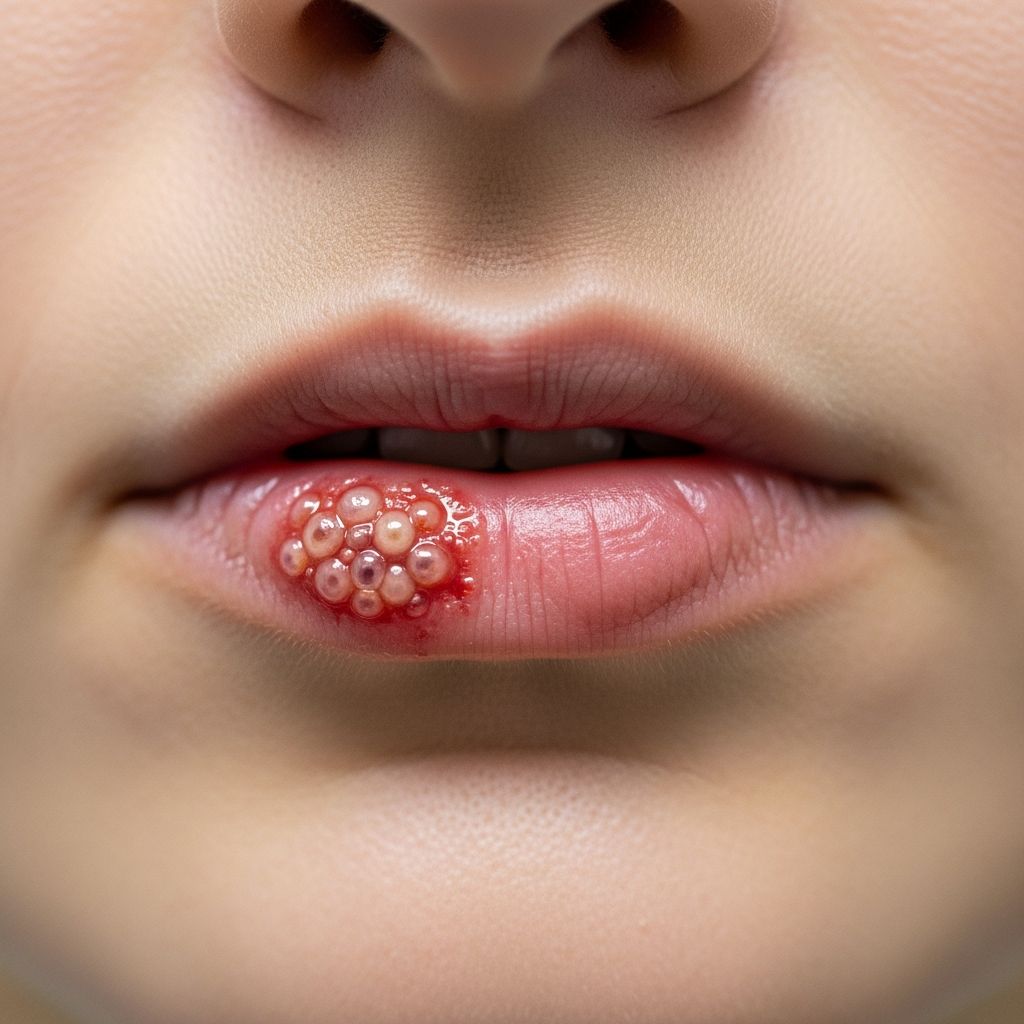
Oral herpes, commonly referred to as “cold sores” or “fever blisters,” is a viral infection caused by the herpes simplex virus type 1 (HSV-1). The term “herpes” originates from Greek, meaning “to creep or crawl,” reflecting the spreading nature of the symptomatic lesions characteristic of this condition. HSV-1 belongs to the alpha herpesvirus subfamily, which also includes HSV-2 (genital herpes) and the varicella-zoster virus responsible for chickenpox and shingles.
Oral herpes is a widespread viral infection that affects a significant portion of the global population. Approximately 50-80% of adults in the United States are seropositive for HSV-1, indicating prior exposure to the virus. While HSV-1 is primarily associated with oral infections, it is important to note that this virus can also cause genital herpes, accounting for approximately 30% of genital herpes cases in modern times.
How Oral Herpes Spreads
Understanding transmission is crucial for preventing the spread of oral herpes. The primary transmission route for HSV-1 involves contact with infected saliva and oral lesion secretions from an already infected individual. However, the most common mode of transmission is asymptomatic shedding of the virus, rather than transmission from visible lesions. This means that individuals may unknowingly transmit the virus even when they display no symptoms.
Primary infection typically occurs during childhood through nonsexual contact with infected individuals. Once a person is infected, the virus remains dormant in nerve cells and can reactivate periodically throughout life. Several risk factors can trigger reactivation, including:
- Physical or emotional stress
- Trauma to the affected area
- Reduced cellular immunity
- Fever or other systemic illness
- Sunlight and ultraviolet radiation exposure
- Hormonal changes
Clinical Presentation and Symptoms
The clinical presentation of oral herpes varies depending on whether the infection is primary (first occurrence) or recurrent, as well as the individual’s age, immune status, and the anatomic site of involvement.
Primary Infection
Primary HSV-1 infection presents differently across age groups. In children, typically between 6 months and 5 years of age, the infection is manifested as acute herpetic gingivostomatitis. This condition features inflammation of the gums and oral mucosa accompanied by multiple painful ulcers and may include fever, malaise, and difficulty eating.
In adolescents and adults, primary HSV-1 infection often presents as acute herpetic pharyngotonsillitis rather than gingivostomatitis. This manifestation includes pharyngitis and tonsillitis accompanied by fever, headache, malaise, and sore throat with pharyngeal erythema or exudate. Interestingly, herpetic oral and labial lesions occur in fewer than 10% of patients experiencing this form of acute infection.
It is noteworthy that approximately two-thirds of both HSV-1 and HSV-2 primary infections are asymptomatic, meaning individuals infected with the virus may experience no noticeable symptoms. Most HSV transmission occurs from infected individuals who are asymptomatic.
Recurrent Infection
Reactivation of HSV-1 is typically manifested as recurrent herpes labialis, commonly known as “cold sores.” The reactivation process follows a characteristic pattern:
Related Stories



- Prodromal stage: The affected area experiences tingling, pain, itching, and burning sensations
- Vesicle formation: Small, fluid-filled blisters develop at the site
- Pustular stage: The vesicles become pustular (pus-filled)
- Ulceration: The pustules rupture, creating painful open ulcers
- Crusting: A yellowish crust forms over the ulcer as healing begins
Reactivated herpes infection can also occur intraorally on the hard palate and gingiva, beginning as a cluster of vesicles that coalesce into ulcerations. The mean duration of viral shedding is approximately 60 hours, with peak viral load occurring during the vesicle and ulcer stages.
Diagnosis of Oral Herpes
While clinical diagnosis of oral herpes based on appearance alone is possible, it can be insensitive and nonspecific. More accurate diagnostic methods include:
- Viral culture: Collecting fluid from a vesicle or ulcer and culturing the virus
- PCR (Polymerase Chain Reaction): Highly sensitive test detecting viral DNA from lesion samples
- Serology: Blood tests detecting HSV-1 or HSV-2 antibodies, such as HerpSelect antibody tests
- Direct visualization: Healthcare providers can often diagnose based on the characteristic appearance and location of lesions
These diagnostic methods help distinguish oral herpes from other ulcerative conditions and confirm the diagnosis when necessary.
Treatment Options
Most HSV-1 infections are self-limiting and resolve naturally within 7 to 14 days. However, several treatment approaches can help manage symptoms and reduce the duration and severity of outbreaks. Treatment is most effective when initiated during the prodromal stage, ideally within 24 to 48 hours of lesion onset.
Antiviral Medications
Prescription antiviral medications are available to treat oral herpes:
- Topical antivirals: Creams and ointments applied directly to lesions, such as acyclovir 5% and penciclovir
- Oral antivirals: Systemic medications including acyclovir, valacyclovir, and famciclovir taken by mouth
- Combination therapy: Recent evidence suggests that topical acyclovir 5% combined with hydrocortisone 1% may provide superior results compared to topical acyclovir alone in improving lesion size, progression to ulcers, and overall duration
While these antiviral medications effectively shorten the duration and severity of infection, it is important to understand that they do not eliminate the virus from the body. The virus remains dormant in nerve cells and can reactivate in the future.
Over-the-Counter Products
Various over-the-counter products can provide symptom relief and support healing:
- Topical pain relievers and numbing agents
- Lip balms with sun protection
- Healing creams and moisturizers
- Fever reducers and pain management products
Supportive Care
In addition to medications, supportive therapy plays an important role in managing oral herpes, particularly during primary infections:
- Adequate hydration and fluid intake
- Rest and sleep
- Analgesics (pain relievers) for discomfort management
- Soft foods and avoidance of spicy or acidic items
- Good oral hygiene practices
Special Considerations
Immunocompromised Individuals
For individuals with compromised immune systems, HSV-1 infections tend to be more severe, prolonged, and widespread, with a higher likelihood of recurrence. These individuals may require more aggressive antiviral therapy and closer medical monitoring.
Viral Shedding and Transmission Risk
An important consideration for individuals with oral herpes is that active virus may be present in saliva even after visible lip lesions have healed. This means patients remain vulnerable to transmitting the infection to others through intimate contact or to developing intraoral infection if elective dental treatment is rendered during this period.
Prevention Strategies
While preventing HSV-1 infection in those already exposed is challenging, several strategies can reduce transmission risk:
- Avoid direct contact: Prevent kissing or oral contact with infected individuals, particularly during active outbreaks
- Hand hygiene: Wash hands frequently, especially after touching lesions
- Sun protection: Use sunscreen and protective lip balms to reduce UV-triggered reactivation
- Stress management: Maintain healthy stress levels to reduce reactivation risk
- Immune support: Maintain overall health through proper nutrition, sleep, and exercise
- Avoid sharing personal items: Do not share toothbrushes, utensils, drinks, or lip balm with infected individuals
Prognosis and Course
The prognosis for oral herpes is generally favorable. Most infections are self-limiting and resolve within one to two weeks without leaving scars. The primary challenges involve managing symptoms and reducing transmission risk during active outbreaks. While the virus persists in the body, the frequency and severity of recurrent infections often decrease over time. Some individuals may experience only one or two outbreaks in their lifetime, while others may have more frequent reactivations.
When to Seek Medical Attention
Most cases of oral herpes can be self-managed with over-the-counter products and supportive care. However, medical attention should be sought in the following circumstances:
- Symptoms are severe or interfering with eating or drinking
- The infection spreads to the eyes
- Signs of bacterial superinfection develop (increasing pain, swelling, or pus)
- Fever persists beyond 10 days
- The individual is immunocompromised
- This is the first occurrence and diagnosis confirmation is needed
- Recurrences are frequent or particularly severe
Frequently Asked Questions
Q: Can oral herpes be cured?
A: No, oral herpes cannot be cured. The HSV-1 virus remains dormant in nerve cells for life. However, antiviral medications and supportive care can effectively manage symptoms and reduce the duration and severity of outbreaks.
Q: How long does an oral herpes outbreak last?
A: Most oral herpes infections are self-limiting and resolve within 7 to 14 days. Treatment initiated early in the outbreak can help reduce this duration and minimize severity.
Q: Can I transmit oral herpes if I have no visible symptoms?
A: Yes, this is a significant concern. Asymptomatic shedding of the virus is actually the most common mode of transmission. Individuals can transmit HSV-1 even without visible lesions or obvious symptoms.
Q: Is oral herpes the same as genital herpes?
A: While both are caused by the herpes simplex virus, oral herpes is typically caused by HSV-1 and genital herpes by HSV-2. However, HSV-1 can cause genital herpes (accounting for approximately 30% of cases), and HSV-2 can occasionally cause oral infections.
Q: What triggers oral herpes recurrence?
A: Common triggers include physical or emotional stress, trauma to the area, reduced immunity, fever, sunlight exposure, and hormonal changes. Identifying and avoiding personal triggers can help reduce outbreak frequency.
Q: Can I go to the dentist with oral herpes?
A: It is generally recommended to postpone elective dental treatment during an active outbreak or until the lesion has completely healed. Active virus in saliva presents a transmission risk to healthcare providers and can complicate dental procedures.
Q: Are there ways to prevent oral herpes outbreaks?
A: While you cannot prevent infection if exposed to the virus, you can reduce reactivation frequency by managing stress, using sun protection, maintaining a strong immune system, and avoiding known personal triggers.
References
- Preventing the Spread of Herpes Simplex Type 1 — Dimensions of Dental Hygiene. 2024. https://dimensionsofdentalhygiene.com/article/preventing-the-spread-of-herpes-simplex-type-1/
- Herpes Simplex Virus — Johns Hopkins Medicine ABX Guide. 2024. https://www.hopkinsguides.com/hopkins/view/Johns_Hopkins_ABX_Guide/540242/all/Herpes_Simplex_Virus
- Herpesvirus Infections and the Risk of Frailty and Mortality in Older Adults — National Center for Biotechnology Information (NCBI). 2015. https://pmc.ncbi.nlm.nih.gov/articles/PMC4882224/
Similar Articles








Read full bio of medha deb