Oral Herpes: Symptoms, Causes & Treatment
Understand oral herpes, its causes, symptoms, and effective treatment options for cold sores.
What Is Oral Herpes?
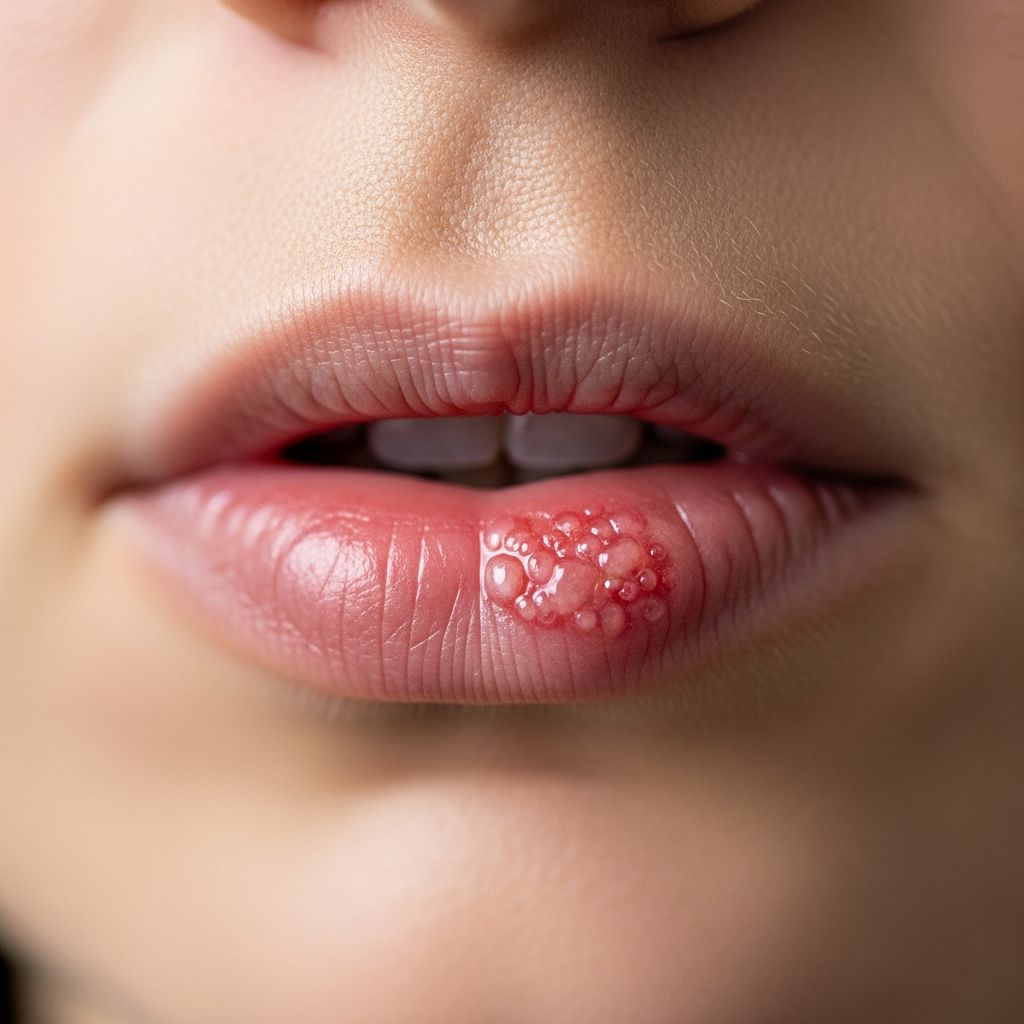
Oral herpes is a common viral infection caused by the herpes simplex virus (HSV) that affects your mouth area and surrounding skin. The infection is characterized by the development of small, painful blisters commonly known as cold sores or fever blisters. These lesions typically form on and around your lips, though they can also appear on your gums, tongue, or other areas inside your mouth. Once you contract an oral herpes infection, the virus remains in your body for life, establishing itself in nerve tissues. However, this doesn’t necessarily mean you’ll experience frequent outbreaks. With proper management and treatment, many people can significantly reduce the frequency and severity of recurrences.
Understanding the Herpes Simplex Virus Types
The herpes simplex virus exists in two main types: HSV-1 and HSV-2. While both types can cause oral herpes, HSV-1 is responsible for the majority of oral herpes cases. HSV-2, typically associated with genital herpes, can occasionally cause oral infections as well. Understanding which type of virus you have is important for your healthcare provider to determine the most appropriate treatment plan and predict the likelihood of recurrent outbreaks.
Initial Outbreak Timeline
The timing of your first oral herpes outbreak can vary considerably. Some people develop visible cold sores within one to two weeks of initial infection with HSV. Others may not experience their first outbreak for months or even years after contracting the virus. This delayed onset means it’s entirely possible to have an oral herpes infection without realizing it for an extended period. During this asymptomatic phase, you may still transmit the virus to others, even without visible symptoms or lesions present.
How Oral Herpes Spreads
Oral herpes transmission occurs through direct contact with infected skin or saliva. What makes this virus particularly contagious is that transmission can happen even when no visible cold sores are present. The virus can be transmitted through several common activities and situations.
- Kissing an infected person, particularly during or near an outbreak
- Sharing eating utensils, cups, or other items that contact the mouth
- Sharing towels or other personal items that may contact the mouth or lips
- Oral-genital contact with someone who has genital herpes
- Touching an active cold sore and then touching other parts of your body or another person
Symptoms and Signs of Oral Herpes
Recognizing the symptoms of oral herpes can help you seek treatment promptly and take steps to prevent transmission to others. The symptoms typically progress through several stages.
Early Warning Signs
Before visible blisters appear, you may experience tingling, itching, or burning sensations on your lips or surrounding skin. These prodromal symptoms often appear one to two days before the actual lesions develop. Many people report feeling a distinct tingling sensation that serves as a warning sign an outbreak is beginning.
Blister Formation
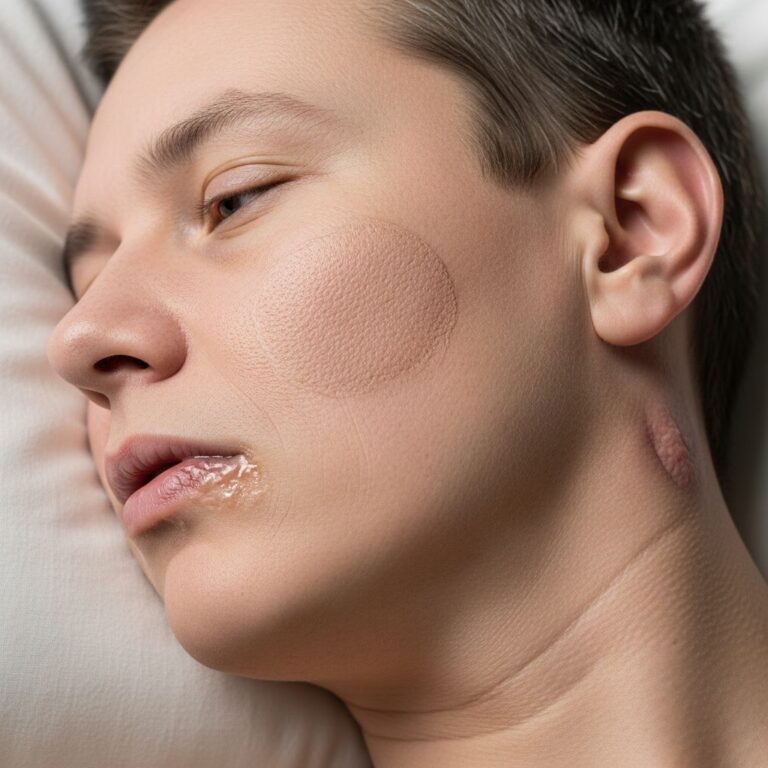
After the initial tingling phase, small fluid-filled blisters typically emerge. These blisters are painful and may appear in clusters. The fluid inside contains active virus particles and is highly contagious.
Related Stories



Ulceration and Crusting
As the outbreak progresses, the blisters rupture, forming open sores or ulcers. Over several days, these sores develop yellowish or brownish crusts as they begin the healing process.
Healing Phase
The crust gradually dries and falls off, revealing new skin underneath. The entire cycle from initial symptoms to complete healing typically takes seven to ten days, though this timeline can vary among individuals.
Potential Complications
While oral herpes is generally manageable, it can sometimes lead to serious complications, particularly in certain populations. Understanding these risks is important for people with compromised immune systems or specific skin conditions.
Eczema Herpeticum
One significant complication is eczema herpeticum, which occurs in people with atopic dermatitis. In this condition, the herpes virus spreads from the oral area to skin affected by eczema. Because atopic dermatitis involves breaks and weakened areas in the skin barrier, HSV can easily penetrate and spread across larger skin areas. This complication requires prompt medical attention and antiviral treatment.
Immunocompromised Individuals
People with weakened immune systems, including those with HIV/AIDS, organ transplant recipients, or those undergoing chemotherapy, face increased risk of severe complications. The virus may spread to the eyes, causing herpes keratitis, or to other areas of the body requiring hospitalization and intensive treatment.
Secondary Infections
Bacterial superinfection can occur when open sores are touched with contaminated hands or exposed to bacteria-laden environments. Additionally, severe outbreaks can cause painful swallowing and difficulty eating.
Diagnosis of Oral Herpes
Healthcare providers typically diagnose oral herpes through physical examination and, when necessary, laboratory testing. During an examination, your provider will carefully evaluate your mouth area and review your symptom history. In many cases, the characteristic appearance of cold sores makes diagnosis straightforward without additional testing.
Laboratory Testing
When laboratory confirmation is needed, your provider may collect a fluid sample from an active cold sore using a swab. This sample is then sent to a laboratory where it can be cultured or tested using polymerase chain reaction (PCR) to confirm HSV infection and determine which type of herpes simplex virus is present. Laboratory testing is particularly important for immunocompromised patients or when the diagnosis is uncertain.
Treatment Options for Oral Herpes
While there is currently no cure for oral herpes, several effective treatment options can significantly reduce the severity and duration of outbreaks. Treatment approaches depend on your individual circumstances, outbreak frequency, and overall health status.
Antiviral Medications
Antiviral medications form the cornerstone of oral herpes treatment. These medications work by inhibiting the virus’s ability to replicate. The most commonly prescribed antivirals include acyclovir, valacyclovir, and famciclovir. These medications are available in oral, topical, and intravenous forms, depending on the severity of the outbreak and your specific medical situation.
For maximum effectiveness, antiviral medications should be started within the first 48 hours of symptom onset, ideally as soon as you notice the telltale tingling or itching on your lip. When taken at this early stage, antivirals can significantly reduce outbreak severity and duration, sometimes preventing blisters from forming entirely.
Treatment Timing and Outcomes
The timing of treatment initiation directly impacts its effectiveness. If you recognize early warning signs and contact your healthcare provider immediately, you have the best chance of minimizing the outbreak. Many providers recommend keeping antiviral medication on hand if you have a history of frequent cold sores, allowing you to begin treatment at the first sign of symptoms.
Topical Anesthetics
Beyond antivirals, topical anesthetic creams and gels are available without prescription. These products numb the affected area, providing temporary relief from pain and discomfort. However, topical anesthetics don’t affect the outbreak’s underlying severity or duration—they simply manage symptoms while the body’s natural healing processes and antiviral medications do the work.
Treatment Approaches: Episodic vs. Chronic Suppressive Therapy
Healthcare providers typically recommend one of two treatment strategies based on your outbreak frequency and severity.
Episodic Therapy
Episodic therapy targets individual outbreaks. With this approach, you take antiviral medication when you first notice signs of an outbreak, such as tingling or itching. This short-term treatment helps reduce the severity and duration of that specific episode. Episodic therapy is appropriate for people with infrequent outbreaks.
Chronic Suppressive Therapy
Chronic suppressive therapy involves taking antiviral medication daily, regardless of whether you have active symptoms. This approach is recommended for people who experience severe oral herpes outbreaks or have at least six outbreaks per year. Daily antiviral therapy can significantly reduce outbreak frequency and severity while also decreasing the risk of transmitting the virus to others.
Triggering Factors for Cold Sore Outbreaks
Understanding what triggers your cold sores is valuable for prevention and management. Common triggers include physical or emotional stress, illness or fever, menstrual cycles in women, sun exposure, and trauma to the lips. Even minor lip injuries that don’t involve broken skin can precipitate an outbreak. Cosmetic procedures involving the lips, such as filler injections, permanent makeup applications, or lip flips, may also trigger recurrences.
If you have a history of cold sores and are considering cosmetic lip procedures, discuss this with your provider beforehand. They may recommend taking antiviral medication before and after the procedure to reduce outbreak risk.
Living with Oral Herpes
Oral herpes is a common infection that affects people’s lives in different ways. For some, it causes minimal disruption with rare outbreaks, while others experience more frequent recurrences that impact their quality of life. The good news is that you don’t have to simply accept frequent outbreaks. Effective treatments are available that can quiet an outbreak and, when needed, make outbreaks happen less often.
Your healthcare provider can tailor treatment to your individual needs and help you develop a management strategy that works best for your situation. This personalized approach ensures that you receive appropriate care addressing your specific circumstances and concerns.
When to Seek Medical Care
While most oral herpes cases can be managed with over-the-counter products and prescription antivirals, certain situations warrant immediate medical attention. Contact your healthcare provider if you develop an unusually severe outbreak, experience symptoms in unusual locations, have difficulty eating or swallowing, or if you’re immunocompromised and develop oral herpes symptoms.
Frequently Asked Questions
Q: Can oral herpes be cured?
A: No, there is currently no cure for oral herpes. However, antiviral medications can effectively manage outbreaks, reduce their frequency and severity, and minimize transmission risk.
Q: Is oral herpes contagious when no symptoms are present?
A: Yes, oral herpes can be transmitted even without visible symptoms or lesions. The virus can shed from the mouth and lips during asymptomatic periods, making transmission possible at any time.
Q: How long does a cold sore typically last?
A: Most cold sores heal within seven to ten days. However, the timeline can vary depending on the outbreak’s severity, your immune system, and whether you’re using antiviral treatment.
Q: Can I prevent transmitting oral herpes to others?
A: While you cannot completely eliminate transmission risk, several measures can reduce it significantly: avoiding kissing and oral contact during outbreaks, practicing good hygiene, not sharing personal items like utensils or towels, and using chronic suppressive antiviral therapy if you have frequent recurrences.
Q: What should I do if I think I’m having an outbreak?
A: Contact your healthcare provider as soon as you notice tingling, itching, or other early warning signs. Starting antiviral treatment within the first 48 hours of symptoms provides the best results in reducing outbreak severity and duration.
References
- Oral Herpes: Symptoms, Causes & Treatment — Cleveland Clinic. 2024. https://my.clevelandclinic.org/health/diseases/oral-herpes
- Herpes Simplex Virus (HSV): Types, Symptoms, & Treatment — Cleveland Clinic. 2024. https://my.clevelandclinic.org/health/diseases/22855-herpes-simplex
- What Triggers Cold Sores? — Cleveland Clinic Health. 2024. https://health.clevelandclinic.org/what-triggers-cold-sores
- Is there a role for chronic suppressive therapy in herpes simplex virus infection? — Cleveland Clinic Journal of Medicine. 2024. https://www.ccjm.org/content/91/3/151
- Cold Sore: Symptoms, Causes & Treatment — Cleveland Clinic. 2024. https://my.clevelandclinic.org/health/symptoms/cold-sores
Similar Articles








Read full bio of Sneha Tete