Oral Hygiene: Best Practices & Instructions
Master proper oral hygiene with daily brushing, flossing, and routine dental visits for optimal tooth and gum health.
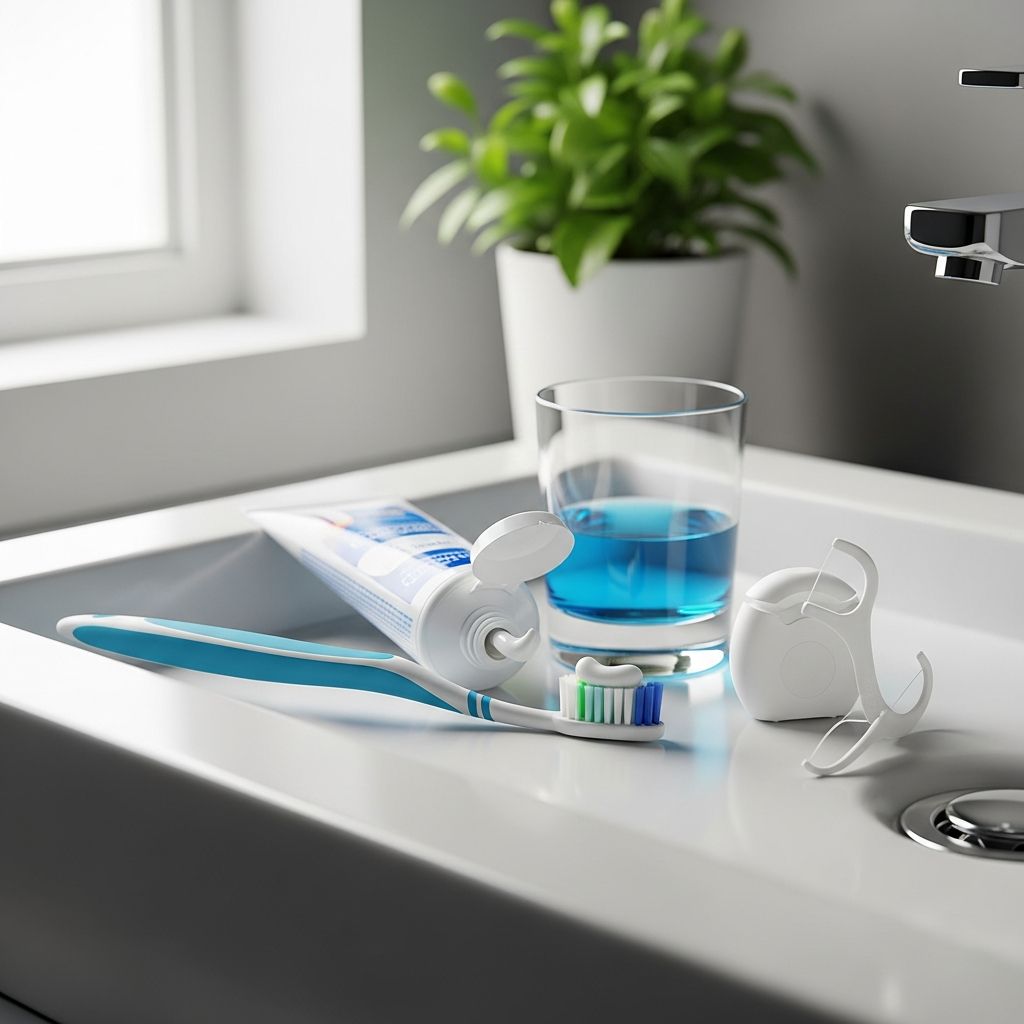
Understanding Oral Hygiene and Its Importance
Proper oral hygiene is fundamental to maintaining healthy teeth and gums throughout your lifetime. Oral hygiene encompasses the daily habits and practices you perform at home to keep your mouth clean, along with professional dental care you receive from qualified practitioners. When combined effectively, these elements create a comprehensive approach to oral health that prevents cavities, gum disease, and other serious dental conditions.
The significance of maintaining excellent oral hygiene cannot be overstated. Your mouth serves as the gateway to your digestive system, and the health of your teeth and gums directly impacts your ability to eat nutritious food, speak clearly, and maintain overall well-being. Beyond these functional aspects, a healthy smile contributes significantly to your confidence and social interactions. Regular oral hygiene practices combined with preventive dental care give you the best opportunity for a beautiful smile and long-lasting oral health that will benefit you for decades to come.
Daily Brushing: The Foundation of Oral Hygiene
Brushing your teeth is the cornerstone of any effective oral hygiene routine. This simple yet powerful habit removes food particles, plaque, and bacteria from your tooth surfaces, helping to prevent cavities and gum disease.
Brushing Frequency and Duration
Dental professionals recommend brushing your teeth at least twice daily, ideally in the morning after waking and before bed at night. Some individuals may benefit from brushing three times per day, particularly after meals containing sugary or acidic foods. Each brushing session should last approximately two to three minutes, giving you sufficient time to thoroughly clean all surfaces of your teeth.
Proper Brushing Technique
The technique you use while brushing is just as important as the frequency. Follow these guidelines for optimal results:
– Hold your toothbrush at a 45-degree angle to your gum line- Use gentle, circular motions rather than harsh scrubbing- Clean all surfaces of each tooth: the outer surfaces, inner surfaces, and chewing surfaces- Don’t forget the back molars, which are commonly missed- Gently brush your gum line where your teeth meet your gums- Use a soft-bristled toothbrush to avoid damaging your gums and tooth enamel
Choosing the Right Toothbrush
Selecting an appropriate toothbrush is crucial for effective cleaning. Soft-bristled brushes are generally recommended because they effectively remove plaque and bacteria without causing damage to your tooth enamel or irritating your gums. Hard-bristled brushes may seem more effective, but they can actually cause gum recession and enamel wear over time. Whether you choose a manual toothbrush or an electric one, both can be equally effective if used properly. Electric toothbrushes may be particularly beneficial for people with limited mobility or those who struggle with proper brushing technique.
Daily Flossing: Reaching the Spaces Between Teeth
While brushing addresses the outer surfaces of your teeth, flossing targets the spaces between teeth where your toothbrush cannot reach. These interdental spaces are prime locations for plaque and bacteria accumulation, making daily flossing an essential component of your oral hygiene routine.
Flossing Frequency and Technique
You should floss between your teeth at least once every day. The best time to floss is before bedtime, ensuring that your teeth are clean while you sleep. To floss properly, follow these steps:
– Break off approximately 18 inches of dental floss- Wind the floss around your middle fingers, leaving about two inches of floss between your hands- Gently guide the floss between your teeth using a sawing motion- When the floss reaches your gum line, curve it around the base of each tooth- Move the floss up and down along the side of each tooth, going slightly below the gum line- Unwind fresh floss from your spool as you move to each new space between teeth- Never snap or force the floss, as this can damage your gums
Related Stories



Alternative Flossing Options
If traditional dental floss is difficult for you to use, several alternatives are available that are equally effective. Water flossers use pressurized water to clean between teeth and below the gum line, making them an excellent option for people with braces, implants, or limited manual dexterity. Interdental brushes, also called proxy brushes or tiny brushes, fit between your teeth and can effectively remove debris and plaque. Floss picks are convenient alternatives for on-the-go cleaning. Regardless of which method you choose, the key is consistent daily use to maintain healthy spaces between your teeth.
Tongue Cleaning: An Often-Overlooked Essential
Your tongue harbors significant amounts of bacteria and food debris that contribute to bad breath and oral health problems. Cleaning your tongue is just as important as brushing and flossing, yet many people neglect this crucial step in their oral hygiene routine.
Why Tongue Cleaning Matters
The surface of your tongue provides an ideal environment for bacterial growth due to its texture and moisture. These bacteria produce volatile sulfur compounds that cause halitosis, commonly known as bad breath. Additionally, bacteria on your tongue can contribute to plaque formation and gum disease. Regular tongue cleaning removes this bacterial biofilm and food debris, significantly improving your oral health and freshening your breath.
Tongue Cleaning Methods
The most effective tool for tongue cleaning is a tongue scraper, a specialized instrument designed to gently remove the coating of bacteria and debris from your tongue’s surface. Using a tongue scraper is simple: start at the back of your tongue and gently drag the scraper forward toward the tip of your tongue, rinsing the scraper between strokes. Repeat this process five to ten times until your tongue feels clean. Alternatively, you can use a soft-bristled toothbrush to gently brush your tongue in circular motions. Many people find tongue scrapers more effective, but either method works well when performed regularly.
Maintaining Oral Appliances and Dentures
If you wear dental appliances such as retainers, dentures, bridges, or other orthodontic devices, proper cleaning and maintenance are essential for both the longevity of these devices and your overall oral health.
Cleaning Retainers
Retainers require daily cleaning to prevent bacterial growth and plaque accumulation. Most retainers can be cleaned by brushing them gently with a soft toothbrush and lukewarm water. Avoid using hot water, which can warp some types of retainers. Periodically soak your retainer in a denture-cleaning solution or a mixture of equal parts white vinegar and water for 15-30 minutes to kill bacteria and remove stubborn deposits. Always follow your orthodontist’s specific care instructions, as different retainer materials may require different cleaning methods.
Caring for Dentures
Dentures require thorough daily cleaning and proper storage. Remove your dentures after eating and brush them with a denture brush and denture cleaner to remove food particles and bacteria. Never use regular toothpaste on dentures, as it can be too abrasive and damage the denture material. Soak your dentures overnight in a denture-cleaning solution, and always handle them carefully over a sink filled with water to prevent breakage. Your dentist can provide specific care instructions based on your denture type.
Professional Dental Care and Regular Checkups
While your at-home oral hygiene routine is critically important, it cannot completely replace professional dental care. Regular visits to your dentist are essential for optimal oral health and early detection of potential problems.
Recommended Frequency of Dental Visits
Most people should schedule routine dental checkups and cleanings at least once every six months. However, your dentist may recommend more frequent visits if you have risk factors such as a history of cavities, gum disease, or other oral health conditions. Those with excellent oral health and low risk may only need annual visits. Discuss your individual needs with your dentist to determine the appropriate frequency for your situation.
What Happens During Professional Cleanings
During a professional dental cleaning, a dental hygienist removes plaque and tartar buildup that cannot be eliminated through brushing and flossing alone. This process, known as dental prophylaxis, involves using specialized instruments to carefully scrape away hardened calculus from your tooth surfaces and below your gum line. The hygienist will then polish your teeth using a rubber cup with gritty toothpaste, which removes surface stains and leaves your teeth feeling smooth and looking brighter. Your dentist may also apply fluoride treatments or dental sealants to protect your teeth from cavities.
The Importance of Preventive Dentistry
Preventive dental care is far more cost-effective than restorative treatments such as fillings, crowns, or bridges. By maintaining excellent oral hygiene and attending regular dental appointments, you significantly reduce your risk for cavities, gum disease, and other oral health problems. This preventive approach not only saves you money but also preserves your natural teeth and maintains your oral function and comfort throughout your life.
Mouthwash and Rinses in Your Oral Hygiene Routine
While mouthwash can be a helpful addition to your oral hygiene routine, it is important to understand its proper role and limitations. Many people mistakenly believe that mouthwash can substitute for brushing and flossing, but this is not the case.
Types of Mouthwash
Different types of mouthwash serve different purposes. Some products are primarily cosmetic and only mask odors without addressing underlying oral health issues. Others are therapeutic and contain active ingredients that fight bacteria and reduce plaque formation. Antibacterial mouthwashes containing chlorhexidine or essential oils can help reduce harmful oral bacteria when used as part of a comprehensive oral hygiene program. Fluoride rinses help strengthen tooth enamel and reduce cavity risk. Your dentist can recommend the most appropriate mouthwash for your specific needs.
Proper Mouthwash Use
When using mouthwash, rinse vigorously for 30-60 seconds, allowing the solution to contact all surfaces of your mouth. Choose an alcohol-free formula when possible, as alcohol can contribute to dry mouth, which actually increases your risk for cavities and gum disease. Never swallow mouthwash, and keep it out of reach of children. Remember that mouthwash is a supplementary product—it should enhance, not replace, your regular brushing and flossing routine.
Nutrition and Lifestyle Factors Affecting Oral Health
Your oral hygiene routine is significantly impacted by your dietary choices and lifestyle habits. The foods and beverages you consume, along with other lifestyle factors, directly influence your teeth and gum health.
Dietary Considerations
Limit your consumption of sugary and acidic foods and beverages, as these promote cavity formation and erode tooth enamel. Sticky foods that cling to your teeth are particularly problematic. Instead, focus on eating a balanced diet rich in calcium, phosphorus, and vitamin C to support strong teeth and healthy gums. Stay well-hydrated by drinking plenty of water, which helps rinse away food debris and maintain adequate saliva production.
Avoiding Harmful Habits
Tobacco use and excessive alcohol consumption significantly damage your oral health and increase your risk for gum disease, oral cancer, and tooth loss. Smoking stains your teeth and impairs your body’s ability to fight oral infections. If you use tobacco, quitting is one of the best things you can do for your oral health. Additionally, avoid using your teeth as tools to open packages or crack nuts, as this can cause chips and cracks.
Common Oral Hygiene Mistakes to Avoid
Understanding common mistakes can help you optimize your oral hygiene routine. Brushing too hard is a frequent error that damages gum tissue and causes recession. Using a hard-bristled toothbrush or aggressive scrubbing motions can harm your teeth and gums. Skipping flossing deprives you of cleaning the 40 percent of tooth surfaces that your toothbrush cannot reach. Rushing through your brushing and flossing routine means you miss areas that harbor bacteria and plaque. Finally, neglecting regular dental visits prevents early detection and treatment of developing problems.
Frequently Asked Questions
Q: How long should I brush my teeth?
A: You should brush your teeth for approximately two to three minutes each time. This duration allows sufficient time to thoroughly clean all surfaces of your teeth and gums. Using a timer or an electric toothbrush with a built-in timer can help you achieve the recommended brushing duration.
Q: Is it better to floss before or after brushing?
A: There is no definitive “best” time to floss. The most important factor is that you floss daily. Some people prefer to floss before brushing, which allows fluoride from toothpaste to reach between teeth. Others floss after brushing. Choose whichever time fits best into your routine and allows you to maintain consistency.
Q: Can I use regular toothpaste on my dentures?
A: No, you should never use regular toothpaste on dentures. Regular toothpaste is too abrasive and can damage denture material. Instead, use a denture-specific cleaner or brush your dentures gently with a soft denture brush and lukewarm water.
Q: Is mouthwash a substitute for brushing and flossing?
A: No, mouthwash is not a substitute for brushing and flossing. While mouthwash can be a helpful supplement to your oral hygiene routine, it cannot remove plaque and tartar the way brushing and flossing do. Use mouthwash as an additional tool, not as a replacement for mechanical cleaning methods.
Q: How often should I replace my toothbrush?
A: You should replace your toothbrush every three to four months, or sooner if the bristles become frayed or worn. After three months, bristles begin to wear down and become less effective at removing plaque and bacteria. If you’ve been ill with a bacterial or viral infection, replace your toothbrush immediately to avoid reinfection.
Q: What should I do if my gums bleed when I floss?
A: Bleeding gums when flossing may indicate gingivitis or early gum disease. Initially, gums may bleed because they are inflamed and not accustomed to flossing. Continue flossing gently daily—the bleeding should subside within a week or two as your gums become healthier. If bleeding persists beyond two weeks or is accompanied by other symptoms, contact your dentist for professional evaluation.
References
- Oral Hygiene: Best Practices & Instructions for Good Routine — Cleveland Clinic. Accessed December 2025. https://my.clevelandclinic.org/health/treatments/16914-oral-hygiene
- Bad Breath (Halitosis) — Cleveland Clinic. https://my.clevelandclinic.org/health/diseases/17771-bad-breath-halitosis
- Gum Disease Treatment — Cleveland Clinic. https://my.clevelandclinic.org/health/treatments/10907-gum-disease-treatment
- How Dental Cleanings Work — Cleveland Clinic. https://my.clevelandclinic.org/health/treatments/11187-dental-check-up
- Tartar on Teeth (Dental Calculus): Causes & Removal — Cleveland Clinic. https://my.clevelandclinic.org/health/diseases/25102-tartar
- Scaling & Root Planing: Why You Might Need a Deep Dental Cleaning — Cleveland Clinic. https://my.clevelandclinic.org/health/treatments/23983-tooth-scaling-and-root-planing
- Periodontal Disease (Gum Disease): Causes, Symptoms & Treatment — Cleveland Clinic. https://my.clevelandclinic.org/health/diseases/21482-gum-periodontal-disease
Similar Articles








Read full bio of medha deb