Oral Iron Supplements: Essential Guide To Safe, Effective Use
Discover how oral iron supplements treat deficiency, manage side effects, and fit into daily health routines safely and effectively.
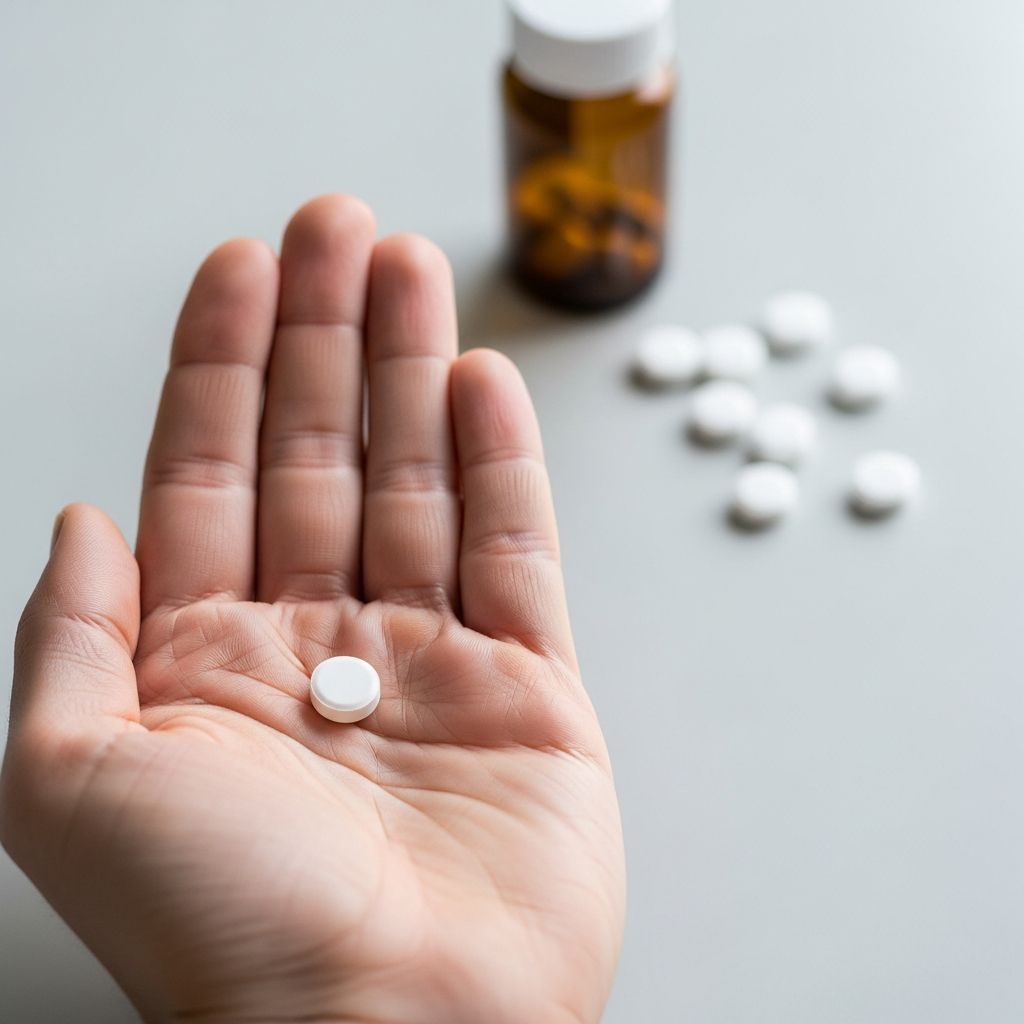
Oral iron supplements serve as a cornerstone therapy for addressing iron deficiency anemia, a condition affecting millions worldwide where the body lacks sufficient iron to produce healthy red blood cells. These supplements replenish iron stores, supporting oxygen transport and energy levels. Health authorities recommend them primarily when dietary intake falls short, confirmed by blood tests showing low hemoglobin or ferritin levels.
Why Iron Matters for Your Body
Iron is vital for hemoglobin production in red blood cells, which carry oxygen from lungs to tissues. It also supports myoglobin in muscles and various enzymes involved in energy metabolism. Deficiency symptoms include fatigue, pale skin, shortness of breath, dizziness, and cognitive fog, particularly prevalent in women of childbearing age, pregnant individuals, vegetarians, and those with chronic blood loss.
- Fatigue and weakness: Reduced oxygen delivery impairs daily functioning.
- Cognitive issues: Poor concentration and irritability from brain hypoxia.
- Physical signs: Brittle nails, hair loss, and restless legs syndrome in severe cases.
Restoring iron levels through supplements can reverse these effects within weeks, though full recovery may take months.
Types of Oral Iron Formulations
Oral iron comes in various salts, each with differing elemental iron content and tolerability. Ferrous sulfate, containing about 20% elemental iron, is the most common and cost-effective. Ferrous gluconate offers around 12% elemental iron with potentially fewer digestive issues, while ferrous fumarate provides 33%, making it more potent per dose.
| Type | Elemental Iron (%) | Typical Dose (mg elemental) | Tolerability |
|---|---|---|---|
| Ferrous Sulfate | 20% | 65 mg | Moderate; common GI upset |
| Ferrous Gluconate | 12% | 35 mg | Better tolerated |
| Ferrous Fumarate | 33% | 106 mg | Higher potency |
Extended-release forms aim to minimize stomach irritation by gradual release, though absorption may vary. Liquid drops suit children or those with swallowing difficulties.
Optimal Dosing Strategies
Standard adult dosing starts at 60-120 mg elemental iron daily, divided into 2-3 doses to enhance absorption and reduce side effects. Children require 3-6 mg/kg/day based on age and severity. Therapy duration spans 3-6 months to rebuild stores, monitored via blood tests.
- Absorption enhancers: Take on an empty stomach with vitamin C-rich foods like orange juice to boost uptake by 2-3 times.
- Avoid inhibitors: Separate from tea, coffee, calcium, dairy, and antacids by 2 hours, as they bind iron and slash absorption.
- With food tradeoff: If stomach upset occurs, pair with a light meal, accepting 40-50% reduced efficacy.
Healthcare providers tailor doses, especially for at-risk groups like pregnant women needing 30 mg daily from the second trimester.
Managing Gastrointestinal Side Effects
Up to 70% of users experience digestive discomfort from oral iron, stemming from its breakdown in the acidic stomach environment generating free radicals. Common issues include nausea, constipation, diarrhea, abdominal cramps, heartburn, metallic taste, and dark stools—harmless but alarming.
Strategies to Minimize Discomfort
- Nausea/vomiting: Split doses, take with small food amounts avoiding dairy/fiber.
- Constipation: Increase fiber, fluids, exercise; consider stool softeners like docusate.
- Diarrhea: Hydrate well, avoid greasy foods; OTC loperamide if persistent.
- Stomach pain/heartburn: Switch formulations or use antacids spaced apart.
Related Stories



Serious risks like ulcers arise from prolonged irritation or overdose; symptoms include severe pain or bloody stools demand immediate care.
Special Considerations for Vulnerable Groups
Not everyone benefits equally; precautions apply to specific populations. Pregnant individuals gain anemia prevention but must avoid excess to prevent fetal complications. Those on hemodialysis absorb poorly, often needing IV alternatives. Hemoglobin disorder patients like thalassemia risk overload, requiring ferritin monitoring before supplementation.
- Restless legs syndrome: Oral iron alleviates symptoms if ferritin <50 mcg/L.
- Heart failure: Oral less effective than IV for symptom relief.
- HHT patients: Heightened nosebleed risk necessitates caution.
Always consult providers for personalized advice, especially with chronic conditions.
Drug and Nutrient Interactions
Iron binds certain medications, reducing efficacy. Space 2 hours from:
- Antibiotics (tetracyclines, quinolones)
- Levothyroxine for thyroid
- Proton pump inhibitors altering stomach pH
- Bisphosphonates for osteoporosis
Vitamin C synergy aids absorption, but excess with iron may amplify oxidative stress in the gut, per lab studies.
Monitoring Progress and When to Stop
Retest hemoglobin after 4 weeks; expect 1-2 g/dL rise. Ferritin checks stores post-hemoglobin normalization. Continue 3 months beyond to prevent relapse. Discontinue if no improvement or overload signs like bronze skin appear.
Frequently Asked Questions (FAQs)
Can I take iron supplements without a deficiency?
No; routine use risks overload, toxicity, especially in men/postmenopausal women. Blood tests confirm need.
Why do iron pills turn stool black?
Unabsorbed iron oxidizes, darkening feces harmlessly. Monitor for tarry, bloody changes signaling issues.
Are liquid iron supplements better?
They bypass swallowing issues, offer adjustable dosing for kids, but taste/metallic aftertaste common.
How long until I feel better?
Symptoms ease in 1-2 weeks; full benefits 1-3 months with consistent use.
Is iron safe during pregnancy?
Yes, at prescribed doses; prevents maternal/fetal anemia but overdose harms.
Overdose Risks and Prevention
Acute overdose (>20 mg/kg elemental) causes vomiting, bloody diarrhea, shock; fatal in children. Store securely, adhere to doses. Chronic excess leads to liver damage, diabetes. Seek ER for suspected toxicity.
References
- Iron – Uses, Side Effects, and More — WebMD. 2023. https://www.webmd.com/vitamins/ai/ingredientmono-912/iron
- 6 Side Effects of Iron Supplements You Should Know About — GoodRx. 2023. https://www.goodrx.com/classes/iron-supplements/iron-side-effects-constipation
- Side Effects of Iron Supplements — Accrufer. 2023. https://www.accrufer.com/side-effects-iron-supplements
- Iron supplements: the quick fix with long-term consequences — PMC (NCBI). 2009-07-08. https://pmc.ncbi.nlm.nih.gov/articles/PMC340385/
- Taking iron supplements — MedlinePlus (NIH). 2023. https://medlineplus.gov/ency/article/007478.htm
- Iron Supplements for Anemia (Ferrous Sulfate) — Cleveland Clinic. 2023. https://my.clevelandclinic.org/health/drugs/14568-iron-oral-supplements-for-anemia
Similar Articles








Read full bio of medha deb