Oral (Irritated) Fibroma: Causes, Diagnosis, and Treatment
Complete guide to understanding oral fibromas: benign mouth growths caused by chronic irritation.
What Is Oral (Irritated) Fibroma?
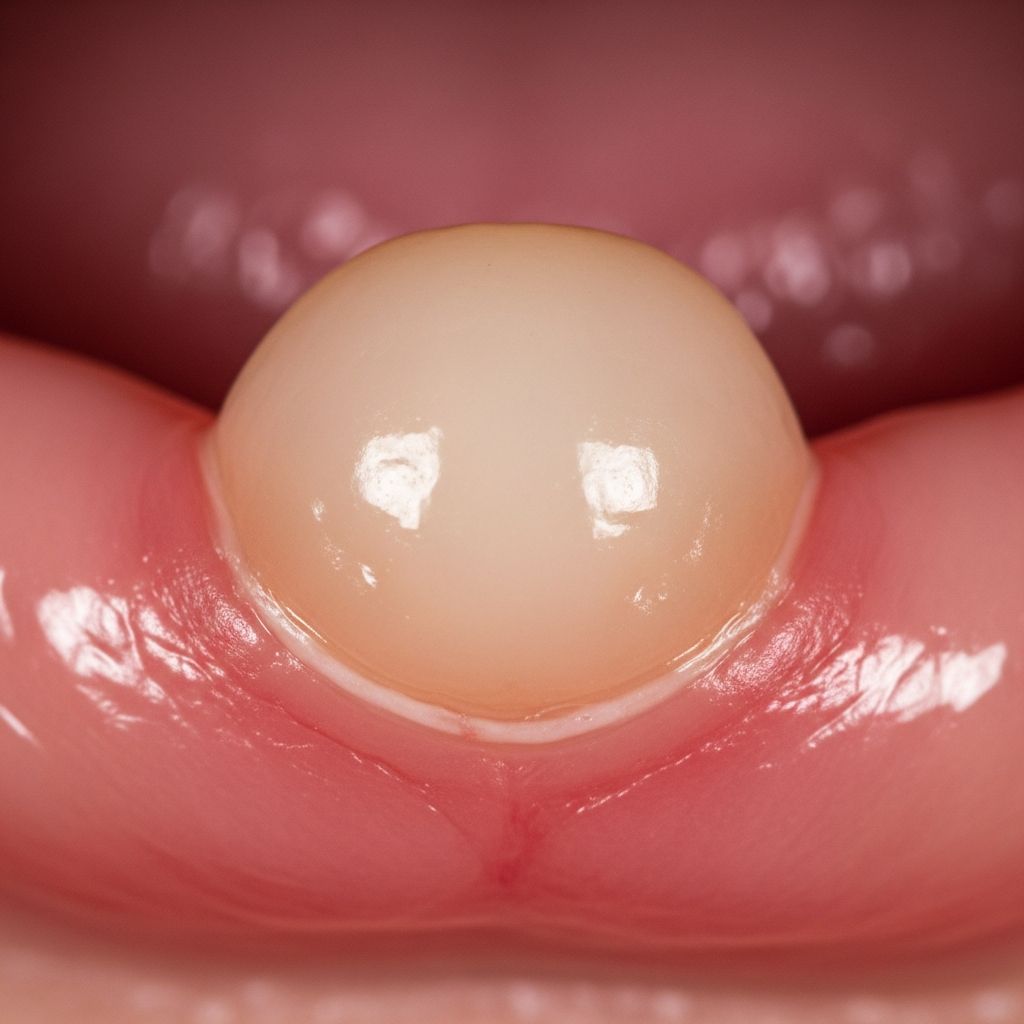
An oral fibroma is a common benign scar-like reaction to persistent long-standing irritation in the mouth. This reactive oral lesion develops secondary to chronic tissue injury and represents the mouth’s response to repeated trauma or irritation over time. While fibromas are completely harmless and non-cancerous, they represent an abnormal accumulation of fibrous connective tissue that the body produces as a protective mechanism. The fibroma itself is not dangerous, but it can become bothersome depending on its location and whether it interferes with normal oral function or comfort.
Oral fibromas are among the most common benign lesions found in the oral cavity. They typically appear as smooth, firm nodules that may be flesh-colored or slightly darker depending on their blood supply and maturity. The key characteristic distinguishing oral fibromas from other oral lesions is their reactive nature—they develop in response to an identifiable source of irritation rather than arising spontaneously.
Causes and Risk Factors
The development of an oral fibroma is directly linked to chronic irritation or trauma to the oral tissues. Understanding the specific cause in each case is crucial for effective treatment and prevention of recurrence. The following factors commonly contribute to fibroma development:
- Habitual cheek or lip biting: Compulsive behaviors, particularly those associated with anxiety or stress, can lead to repeated microtrauma that eventually results in fibroma formation.
- Dental appliances: Braces, dentures, retainers, or night guards that fit poorly or rub constantly against soft tissues can irritate the area sufficiently to trigger fibroma development.
- Sharp or rough tooth surfaces: Edges from broken teeth, poorly finished restorations, or rough dental work can create chronic irritation.
- Poorly fitting dental restorations: Crowns, fillings, or bridges that are not properly contoured can cause persistent rubbing and irritation.
- Accidental or traumatic injury: A single significant injury or repeated minor injuries to the same location can initiate fibroma formation.
- Chronic inflammation: Ongoing inflammatory conditions in the mouth can contribute to tissue proliferation and fibroma development.
- Tongue thrust or other oral habits: Repetitive behaviors involving pressure or rubbing of oral tissues can lead to fibroma formation over time.
The common thread among all these causes is repeated mechanical irritation. The oral tissues respond to chronic irritation by forming protective fibrous tissue, which gradually accumulates to form the characteristic nodule of a fibroma. The duration and intensity of irritation determine how quickly a fibroma develops and how large it becomes.
Clinical Presentation and Symptoms
Oral fibromas typically present as smooth, firm, and usually painless growths in the mouth. They can develop in various locations within the oral cavity, including the inside of the cheeks, lips, gums, tongue, and hard palate. The appearance is generally consistent: a well-defined nodule with a surface color that may range from flesh-colored to slightly red or darkened.
Most patients discover their fibroma incidentally during self-examination or routine dental visits, as these lesions are often asymptomatic. However, in some cases, irritation of the fibroma itself can cause soreness, particularly if the patient continues the behavior that caused its formation. For example, if a fibroma developed from habitual cheek biting, continued biting can cause the lesion to become inflamed and tender.
The size of oral fibromas varies considerably. Some remain small and stable for years, while others can grow larger if the source of irritation persists. The location of the fibroma may affect how noticeable it is to the patient and how much functional impairment it causes. Fibromas on the tongue or cheeks may be more noticeable and potentially more bothersome than those in less visible locations.
Related Stories



Diagnosis and Differential Diagnosis
Diagnosis of an oral fibroma typically begins with a thorough clinical examination and detailed history of the irritating factor. A dental professional will examine the lesion’s characteristics, assess its size and location, and identify the likely source of chronic irritation. Taking a comprehensive history is essential, as it helps establish the connection between the patient’s habits or dental work and the fibroma’s development.
To confirm the diagnosis and rule out other conditions, a biopsy may be necessary. Histopathological examination reveals the characteristic benign fibrous tissue composition. This step is particularly important when the clinical presentation is atypical or when other conditions must be excluded. Differential diagnoses that should be considered include:
- Giant cell granuloma
- Pyogenic granuloma
- Neurofibroma
- Benign salivary gland tumors
- Other benign reactive lesions
Radiographic imaging, such as occlusal radiographs, may be ordered to rule out the presence of calcifications within the lesion and to assess any underlying bony involvement. These imaging studies help create a complete clinical picture and ensure that no unexpected findings are present.
Treatment Options
Importantly, oral fibromas do not disappear without treatment. Once formed, these lesions will not resolve spontaneously, regardless of whether the source of irritation is removed. However, several treatment approaches are available depending on the fibroma’s size, location, and clinical significance.
Conservative Management
For smaller fibromas that are not causing functional problems or aesthetic concerns, a dentist may recommend observation and monitoring rather than immediate intervention.[10] Regular follow-up appointments allow the dental professional to track any changes in the lesion’s size. However, if the fibroma is repeatedly bitten or irritated and affects daily activities, removal becomes necessary.
Surgical Excision
Surgical removal is the only definitive treatment for oral fibromas. This minor surgical procedure is performed under local anesthesia and involves careful removal of the fibroma along with a small margin of surrounding tissue to prevent regrowth. The procedure typically takes 20 to 30 minutes, and patients can usually return home the same day.
Two primary surgical methods are commonly used:
- Traditional scalpel excision: A small surgical blade removes the fibroma, with the site closed using sutures.
- Laser excision: A dental laser removes the fibroma with advantages including minimal bleeding, faster healing, reduced discomfort, and a cleaner procedure. This method has become increasingly popular due to its superior patient experience.
Regardless of the surgical method used, elimination of the etiological factor is critical. The dentist should address the underlying source of irritation—whether correcting a deep bite, adjusting dental restorations, or helping the patient eliminate habitual behaviors—to minimize the possibility of recurrence. Without removing the irritant, fibromas may recur even after complete surgical excision, with recurrence rates as high as 8-20% if the lesion is incompletely removed.
Home Remedies
While professional treatment is necessary for definitive management, some patients explore supportive home remedies with anecdotal success. These include:
- Applying full-fat plain yogurt to the fibroma
- Using moist, chilled tea bags (black tea preferred)
- Making a paste of turmeric with honey or water to apply directly
- Dabbing sage or myrrh essential oils onto the lesion
The advantage of home remedies is that they are non-invasive and have no side effects. However, these should not be considered replacements for professional surgical removal, as they cannot eliminate the underlying fibrous tissue growth.
Prevention of Recurrence
Recurrence of oral fibromas after surgical treatment is rare but possible if the irritant or etiological factor is not removed. A multidisciplinary treatment approach is essential for preventing recurrence and ensuring successful, thorough dental care. This approach should include:
- Complete surgical excision of the lesion with adequate margins
- Identification and elimination of the irritating factor, such as correcting a deep bite or removing a sharp tooth edge
- Behavior modification if the fibroma resulted from habits like cheek biting
- Correction of ill-fitting dental appliances to prevent renewed irritation
- Long-term follow-up care to monitor for any signs of recurrence
Long-term postoperative follow-up is extremely important because of the high growth potential of incompletely removed lesions. Regular dental visits allow early detection of any recurrence, making prompt intervention possible if needed.
Postoperative Care and Recovery
After surgical excision, proper postoperative care promotes optimal healing and prevents complications. Following phase I therapy, which includes supragingival scaling and chlorhexidine mouthwash rinses, the surgical site requires careful attention. A protective dressing such as Coe-Pak may be applied for approximately one week to protect the healing area.
Patients should follow their dentist’s specific postoperative instructions, which typically include:
- Gentle oral hygiene avoiding the surgical site initially
- Avoiding hard, hot, or spicy foods during the healing period
- Taking prescribed pain medications as directed
- Attending scheduled follow-up appointments to assess healing
- Reporting any signs of infection or unusual swelling
Recovery is generally quick, particularly with laser excision methods, which typically cause minimal postoperative discomfort.
Key Differences Between Treatment Modalities
| Treatment Method | Procedure Time | Bleeding | Healing Speed | Discomfort | Cost |
|---|---|---|---|---|---|
| Traditional Scalpel Excision | 20-30 minutes | Moderate, requires hemostat | Standard | Moderate | Lower |
| Laser Excision | 15 minutes | Minimal to none | Faster | Minimal | Higher |
Frequently Asked Questions (FAQs)
Q: Is an oral fibroma cancerous?
A: No, oral fibromas are completely benign, non-cancerous lesions. They pose no risk of malignant transformation and are entirely harmless in terms of cancer risk.
Q: Can an oral fibroma go away on its own?
A: No, oral fibromas do not disappear without professional treatment. Once formed, they require surgical excision for removal. However, they may stop growing if the source of irritation is eliminated.
Q: What is the success rate of fibroma removal surgery?
A: Surgical excision is highly successful. Recurrence is rare and typically occurs only if the source of irritation continues or the lesion is incompletely removed.
Q: How long does recovery take after fibroma removal?
A: Recovery is generally quick, with most patients returning to normal activities the same day. Complete healing typically occurs within one to two weeks, with laser excision offering faster healing than traditional scalpel removal.
Q: Can I prevent oral fibromas from developing?
A: Yes, by avoiding chronic irritation to oral tissues. This includes breaking habits like cheek biting, ensuring properly fitting dental appliances, maintaining good oral hygiene, and addressing sharp or rough tooth surfaces promptly.
Q: Will my fibroma come back after surgery?
A: Recurrence is unlikely if the source of irritation is eliminated along with complete surgical excision. If the irritating factor persists, recurrence is possible, which is why addressing the underlying cause is essential.
Q: Do I need a biopsy to diagnose an oral fibroma?
A: While clinical examination often suggests the diagnosis, a biopsy may be necessary to confirm diagnosis and exclude other conditions, particularly if the presentation is atypical.
Q: Are there any complications from fibroma surgery?
A: Complications are rare with this minor surgical procedure. Following postoperative care instructions minimizes any risk of infection or delayed healing.
References
- Recurrent Irritation Fibroma—”What Lies Beneath” — PubMed Central. Accessed January 28, 2026. https://pmc.ncbi.nlm.nih.gov/articles/PMC7450199/
- What Causes Fibroma in the Mouth and How to Treat It — Peace of Mind Dental Studio. Accessed January 28, 2026. https://www.pomdental.com/what-causes-fibroma-in-the-mouth-and-how-to-treat-it/
- Oral (irritated) fibroma — DermNet. Accessed January 28, 2026. https://dermnetnz.org/topics/oral-irritated-fibroma
- Lip Biting and Oral Fibromas — Empire Dental Care. Accessed January 28, 2026. https://empiredentalcare.com/lip-biting-and-oral-fibromas/
- Is Lip Biting Actually Bad? What Causes Oral Fibromas? — MD Perio. Accessed January 28, 2026. https://mdperio.com/blog/what-causes-oral-fibroma/
- Oral Fibroma: 5 Important Facts You Should Know — Arizona Dentist. Accessed January 28, 2026. https://azdentist.com/conditions/oral-fibroma/
- Fibroma: Symptoms, Causes & Treatment — Cleveland Clinic. Accessed January 28, 2026. https://my.clevelandclinic.org/health/diseases/23991-fibroma
Similar Articles








Read full bio of Sneha Tete