Oral Leukoplakia: Causes, Symptoms, and Treatment
Understanding oral leukoplakia: white patches in the mouth that require medical attention.
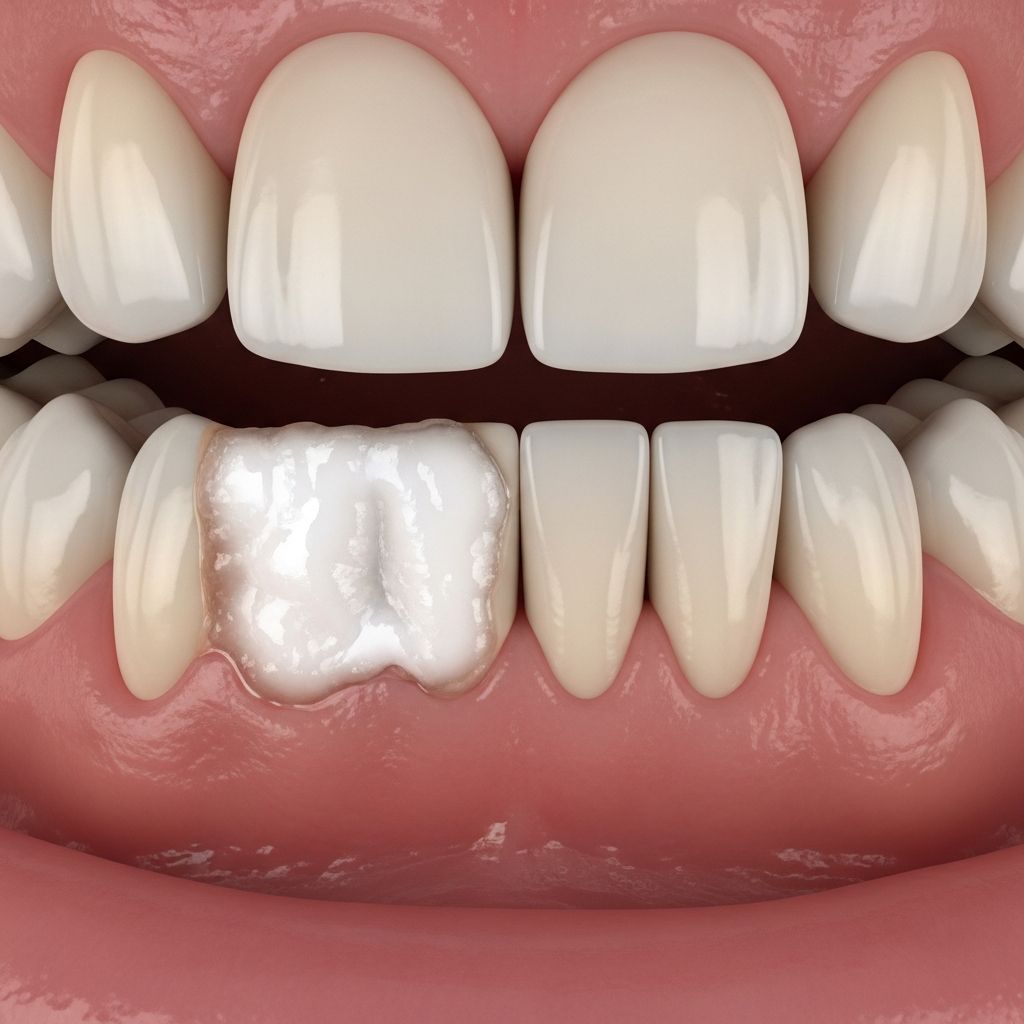
What Is Oral Leukoplakia?
Oral leukoplakia is a condition characterized by the development of thick, white patches that form inside the mouth. These patches typically appear on the gums, inner cheeks, bottom of the mouth, tongue, or lips. Unlike oral thrush or other fungal infections, leukoplakia patches cannot be scraped or wiped away and represent a potentially serious condition requiring medical evaluation.
Leukoplakia is considered the most common chronic keratotic lesion of the oral cavity and is potentially premalignant, meaning it may develop into oral cancer if left untreated. The condition affects individuals across all age groups, though it becomes more prevalent with age. Understanding the nature of this condition is crucial for early detection and appropriate management.
Types of Oral Leukoplakia
Oral leukoplakia is clinically classified into two distinct types based on appearance and clinical characteristics:
Homogenous Leukoplakia
Homogenous leukoplakia presents as predominantly white, evenly colored patches with a uniform appearance. These lesions typically feature a smooth, wrinkled, or ridged surface and are relatively flat in nature. Homogenous leukoplakia generally poses a lower malignant transformation risk compared to its non-homogenous counterpart.
Non-Homogenous Leukoplakia
Non-homogenous leukoplakia, also known as erythroleukoplakia, displays a mixed white-and-red color pattern. These patches have an irregular shape and may appear flat, speckled, nodular, or elevated. This type is significantly more concerning from a clinical standpoint, as it is approximately seven times more likely to evolve into oral cancer than homogenous leukoplakia. The presence of red areas within or alongside white patches indicates higher epithelial dysplasia and increased malignant potential.
Causes and Risk Factors
Oral leukoplakia development is multifactorial, with several established and potential risk factors contributing to its formation. Understanding these contributing factors is essential for prevention and early intervention.
Tobacco Use
Tobacco consumption, whether through smoking cigarettes, cigars, or pipes, represents one of the most significant risk factors for developing oral leukoplakia. Smokeless tobacco products, including chewing tobacco and snuff, also substantially increase risk. The carcinogenic substances in tobacco directly irritate oral tissues and promote abnormal cell growth.
Alcohol Consumption
Heavy and prolonged alcohol use significantly elevates the risk of developing oral leukoplakia. The combination of tobacco and alcohol use creates a synergistic effect, dramatically increasing the likelihood of both leukoplakia development and malignant transformation. Alcohol damages protective oral tissues and impairs the mouth’s natural defense mechanisms.
Chronic Irritation
Persistent physical irritation from poorly fitting dentures, sharp tooth edges, or habitual cheek biting can contribute to leukoplakia development. Repeated trauma to oral tissues triggers abnormal healing responses and epithelial changes. Removal or correction of the irritant source often results in resolution of the lesion.
Viral Infections
Certain viral infections, particularly the Epstein-Barr virus, are associated with hairy leukoplakia, a specific variant of the condition. Individuals with compromised immune systems, including those with HIV/AIDS, are at elevated risk for developing viral-associated leukoplakia.
Immunosuppression
Conditions or medications that weaken the immune system increase susceptibility to leukoplakia development. Organ transplant recipients, individuals with autoimmune disorders, and those undergoing immunosuppressive therapy face heightened risk.
Related Stories



Symptoms and Signs
Many individuals with oral leukoplakia remain asymptomatic, with the condition discovered incidentally during routine dental or medical examinations. When symptoms do occur, they may include:
- Visible white or grayish patches inside the mouth that cannot be wiped away
- Patches with mixed white-and-red coloration in non-homogenous variants
- Mouth pain or soreness, particularly when eating spicy foods
- Difficulty swallowing or dysphagia
- Numbness or tingling sensations on the tongue or lips
- Bleeding from the affected area
- A persistent rough texture or raised surface in the mouth
- Changes in taste sensation
The absence of symptoms does not indicate absence of malignancy risk; regular oral examinations are essential for detecting asymptomatic lesions.
Diagnosis and Testing
Accurate diagnosis of oral leukoplakia involves multiple assessment methods and specialized testing to determine the extent of cellular changes and malignant potential.
Visual Inspection and Palpation
Initial evaluation begins with careful visual inspection of the oral cavity, examining all surfaces including the gums, cheeks, tongue, floor of the mouth, and palate. Manual palpation helps assess the texture, consistency, and extent of lesions. The clinical diagnosis is primarily based on visual inspection combined with careful tactile examination, as there are no other useful diagnostic aids for initial clinical diagnosis.
Oral Brush Biopsy
An oral brush biopsy represents a minimally invasive diagnostic technique wherein cells are removed from the surface of suspicious patches using a small, rotating brush. This test is quick, relatively painless, and suitable for screening purposes. However, an oral brush biopsy does not always provide a definitive diagnosis and may require confirmation with additional testing.
Excisional Biopsy
An excisional biopsy involves surgical removal of a small tissue sample from the leukoplakia patch. When the patch is small, the entire lesion may be removed during this procedure. Excisional biopsies typically result in a definitive diagnosis and allow comprehensive histopathological examination. The tissue sample is analyzed microscopically to determine the presence and degree of epithelial dysplasia or malignancy.
Histopathological Examination
Microscopic examination of biopsy tissue reveals the extent of cellular abnormalities. Findings range from hyperkeratosis without epithelial dysplasia to various degrees of epithelial dysplasia, carcinoma in situ, frank squamous cell carcinoma, and verrucous carcinoma. These histological findings directly influence treatment recommendations and prognosis.
Cancer Risk and Malignant Transformation
The malignant transformation potential of oral leukoplakia represents the primary clinical concern. The annual risk of malignant transformation of leukoplakia, if not malignant already at the first visit, is approximately 2%-3%. Several factors influence individual transformation risk, including lesion size, clinical subtype, anatomical location within the oral cavity, and histopathological findings regarding epithelial dysplasia.
Non-homogenous leukoplakia carries substantially higher transformation risk than homogenous variants. Lesions located on the floor of the mouth, ventral surface of the tongue, and soft palate complex demonstrate higher malignant potential compared to lesions on the dorsal surface of the tongue or hard palate. While numerous molecular markers have been identified as potential predictive indicators of transformation, these cannot reliably predict individual patient outcomes.
Treatment Options
Treatment approaches for oral leukoplakia vary depending on lesion characteristics, histological findings, and individual patient factors. Early identification and treatment significantly improve outcomes.
Elimination of Causative Factors
For most individuals, treatment begins with identifying and eliminating potential sources of irritation or carcinogenic exposure. Cessation of tobacco use, reduction or elimination of alcohol consumption, and correction of mechanical irritants frequently result in resolution of leukoplakia lesions. This conservative approach is most successful when implemented early in lesion development.
Surgical Removal
When lifestyle modifications prove insufficient or when lesions show early signs of malignancy, surgical intervention becomes necessary. Multiple surgical techniques are available for leukoplakia removal:
- Surgical excision using a small surgical knife for precise tissue removal
- Laser therapy, which uses concentrated heat to remove the patch and destroy abnormal cells
- Cryotherapy, employing extreme cold to destroy affected tissue
- Electrosurgical techniques for controlled tissue ablation
Pharmacological Treatment
Medical management may include systemic or topical medications, particularly for hairy leukoplakia. Antiviral medications, such as acyclovir or valacyclovir, can effectively control the Epstein-Barr virus and manage hairy leukoplakia symptoms. Topical treatments applied directly to lesion sites may complement or substitute for surgical intervention in selected cases.
Follow-Up and Surveillance
Regardless of treatment modality, comprehensive follow-up care remains essential. Recurrence of leukoplakia is common following initial treatment, necessitating regular surveillance examinations. Patients should undergo scheduled follow-up visits to monitor for lesion recurrence, assess healing, and detect any concerning changes in remaining oral tissues.
Prevention and Self-Monitoring
Individuals at risk for developing oral leukoplakia should implement preventive strategies and maintain vigilant self-monitoring practices. Avoiding tobacco and limiting alcohol consumption represent fundamental prevention measures. Regular self-examination of the oral cavity, checking all surfaces for unusual white or red patches, enables early detection of developing lesions. Any patches persisting longer than two weeks warrant professional evaluation.
When to See a Healthcare Provider
Consultation with appropriate healthcare professionals is recommended when white patches develop in the mouth, particularly if they persist beyond two weeks, appear to be changing, or cause discomfort. Initial evaluation may occur with a primary care physician or dentist, but specialist referral to an oral surgeon or ear, nose, and throat specialist is often necessary for definitive diagnosis and treatment planning, particularly for suspected malignancy or extensive lesions.
Preparing for Your Medical Appointment
Patients should arrive prepared to discuss relevant medical and dental history. Useful preparation includes:
- Documenting when patches first appeared and any changes observed
- Listing current medications, vitamins, supplements, and herbal remedies with dosages
- Noting tobacco and alcohol use patterns
- Recording any associated symptoms including pain, bleeding, or swallowing difficulty
- Preparing questions regarding likely causes, diagnostic procedures, treatment options, and long-term prognosis
Frequently Asked Questions
Q: Can oral leukoplakia be scraped away?
A: No, oral leukoplakia patches cannot be scraped or wiped away, distinguishing them from oral thrush and other removable conditions. This characteristic helps clinicians differentiate leukoplakia from other oral conditions during examination.
Q: Is all oral leukoplakia cancerous?
A: Not all oral leukoplakia represents cancer at the time of diagnosis, though it is potentially premalignant. The annual transformation rate is approximately 2%-3%, meaning most lesions do not immediately become cancerous. However, all leukoplakia requires professional evaluation and monitoring.
Q: Can stopping tobacco and alcohol use cure leukoplakia?
A: For many individuals, eliminating tobacco and alcohol use can result in complete resolution of leukoplakia lesions. However, some lesions may persist despite removal of irritating factors and may require additional treatment modalities.
Q: How often should I be monitored after leukoplakia treatment?
A: Follow-up visit frequency depends on individual risk factors and treatment outcomes. Your healthcare provider will recommend an appropriate surveillance schedule, often involving regular dental examinations and periodic specialist evaluations to detect recurrence or malignant changes.
Q: Is non-homogenous leukoplakia more serious than homogenous leukoplakia?
A: Yes, non-homogenous leukoplakia is approximately seven times more likely to evolve into oral cancer compared to homogenous leukoplakia, making it a more serious clinical concern requiring closer monitoring and potentially more aggressive treatment.
Q: What is hairy leukoplakia?
A: Hairy leukoplakia is a specific variant typically associated with Epstein-Barr virus infection, particularly common in immunocompromised individuals. It presents as white patches with a distinctive wrinkled or corrugated appearance and can be managed with antiviral medications.
References
- Leukoplakia – Diagnosis and treatment — Mayo Clinic. 2024-02-15. https://www.mayoclinic.org/diseases-conditions/leukoplakia/diagnosis-treatment/drc-20354411
- A clinical diagnosis of oral leukoplakia; A guide for dentists — National Institutes of Health, PubMed Central. https://pmc.ncbi.nlm.nih.gov/articles/PMC5822541/
- Leukoplakia of the tongue — Cleveland Clinic Journal of Medicine, 2018. https://www.ccjm.org/content/87/3/133
- Oral Cancer Screening: What To Expect — Cleveland Clinic. https://my.clevelandclinic.org/health/diagnostics/21056-oral-cancer-screening
- Detection and management of premalignant oral leukoplakia — Journal of the American Dental Association, 2002. https://onlinelibrary.wiley.com/doi/abs/10.1046/j.1529-8019.2002.01531.x
- Leukoplakia Patches: Causes, Symptoms, and Treatments — WebMD. https://www.webmd.com/oral-health/dental-health-leukoplakia
Similar Articles








Read full bio of medha deb