Oral Lichenoid Drug Eruption: Diagnosis And Management Guide
Understanding drug-induced oral lichenoid reactions: causes, symptoms, diagnosis, and effective management strategies.
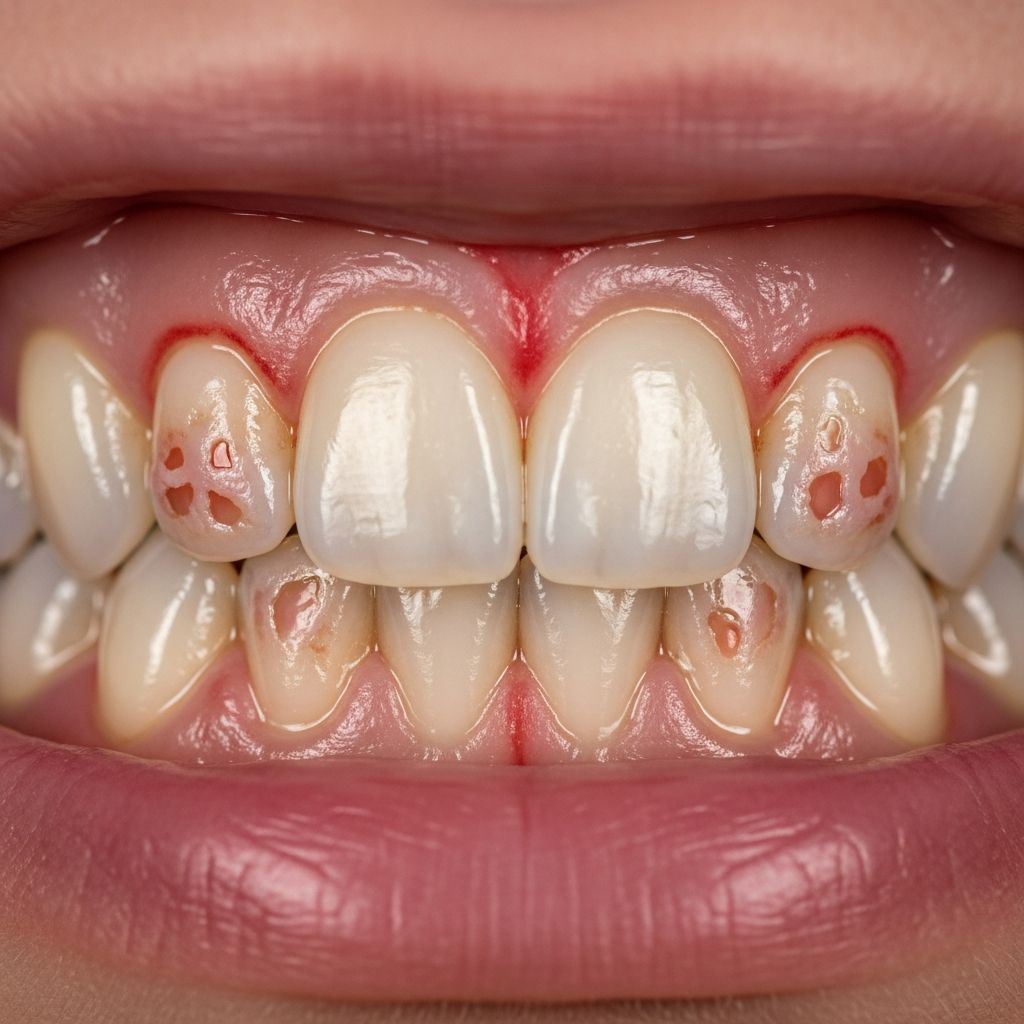
Oral lichenoid drug eruption is a medication-induced adverse reaction that clinically and histologically resembles oral lichen planus but is triggered by specific drugs. This condition primarily affects the oral mucosa, presenting with white lacy patches, erosions, and ulcers, often causing discomfort or pain during eating and speaking. Unlike idiopathic oral lichen planus, identifying and discontinuing the offending drug is central to management, though resolution can be delayed.
What is Oral Lichenoid Drug Eruption?
Oral lichenoid drug eruption refers to lichenoid lesions confined to or predominantly involving the oral cavity as a result of hypersensitivity to systemic drugs. These reactions are T-cell mediated, similar to idiopathic lichen planus, but arise from pharmacological triggers rather than autoimmune processes. The condition is more prevalent in adults, though rare pediatric cases have been documented, highlighting its nonspecific presentation that can delay diagnosis.
The latency period between drug initiation and symptom onset typically spans 2-3 months but can range from weeks to several years, complicating attribution. Lesions may persist or even develop after drug cessation in some instances. Oral involvement is common, with cutaneous or photodistributed eruptions occurring concurrently in many cases.
Who Gets Oral Lichenoid Drug Eruption?
This eruption predominantly affects adults on long-term medications, particularly those managing chronic conditions like hypertension, diabetes, or infections. Risk factors include polypharmacy, where multiple drugs increase the likelihood of synergistic effects. Pediatric cases are exceptionally rare, with reports limited to isolated instances, such as a 15-year-old patient, underscoring diagnostic challenges due to atypical onset and appearance.
Patients with genetic predispositions to drug hypersensitivity or prior lichenoid reactions to related drug classes (e.g., cross-reactivity among proton pump inhibitors) are at higher risk. Women may be slightly overrepresented, mirroring trends in idiopathic lichen planus, though data is limited.
What Causes Oral Lichenoid Drug Eruption?
The primary cause is systemic exposure to culprit medications that provoke a lichenoid interface dermatitis via immune-mediated mechanisms. Drugs interfere with basal keratinocytes, eliciting cytotoxic T-cell responses akin to graft-versus-host disease. Common inciting agents include:
- Angiotensin-converting enzyme (ACE) inhibitors: Frequently implicated in oral and cutaneous reactions.
- Nonsteroidal anti-inflammatory drugs (NSAIDs): Common due to widespread use.
- Antimalarials, beta-blockers, and thiazide diuretics: Classic triggers for lichenoid eruptions.
- Anticonvulsants, antiretrovirals, and allopurinol: Associated with mucosal involvement.
- Gold salts, penicillamine, and sulfonylureas: Historical agents linked to severe cases.
- Tumor necrosis factor (TNF)-α inhibitors (e.g., adalimumab, etanercept) and tyrosine kinase inhibitors.
Photodistributed variants may involve carbamazepine, chlorpromazine, diltiazem, or tetracyclines. Synergistic effects from drug combinations, such as antihypertensives with NSAIDs, amplify risk. Not all exposed individuals develop reactions, suggesting idiosyncratic hypersensitivity.
What are the Clinical Features of Oral Lichenoid Drug Eruption?
Clinical manifestations mirror oral lichen planus, featuring bilateral or unilateral white reticular streaks (Wickham’s striae), erythema, erosions, and ulcers primarily on buccal mucosa, tongue, and gingivae. Symptoms include burning sensation, stinging, or pain exacerbated by spicy/acidic foods, tobacco, or alcohol. Asymptomatic cases occur but are less common.
| Feature | Oral Lichenoid Drug Eruption | Idiopathic Oral Lichen Planus |
|---|---|---|
| Distribution | Often unilateral, buccal focus | Bilateral, symmetric |
| Onset | Delayed (months-years) | Insidious |
| Resolution | May persist post-drug cessation; residual pigmentation | Chronic, relapsing |
| Skin Involvement | Frequent concurrent rash | Rarely isolated oral |
Related Stories



Severe cases feature desquamative gingivitis or extensive ulceration. Cutaneous lesions, if present, are violaceous papules coalescing into plaques, favoring flexural or photodistributed areas.
Diagnosis of Oral Lichenoid Drug Eruption
Diagnosis relies on clinical suspicion, medication history, and biopsy confirmation. Key diagnostic steps include:
- Detailed drug history focusing on initiation timing.
- Intraoral examination for lichenoid patterns atypical of idiopathic disease (e.g., unilateral lesions).
- Skin biopsy revealing interface dermatitis with vacuolar degeneration, civatte bodies, and mixed lymphocytic infiltrate; however, histology often overlaps with lichen planus, limiting specificity.
- Patch testing rarely useful for systemic drugs; drug rechallenge unethical.
Differential diagnoses encompass idiopathic oral lichen planus, contact stomatitis (e.g., from dental amalgams), graft-versus-host disease, and candidiasis. Resolution post-drug withdrawal supports diagnosis retrospectively.
Management of Oral Lichenoid Drug Eruption
Primary management involves identifying and discontinuing the culprit drug, balancing against the underlying condition’s severity (e.g., retaining antihypertensives if alternatives unavailable). Resolution may take weeks to months or up to a year; persistent cases require symptomatic therapy.
- Topical corticosteroids: High-potency agents like clobetasol propionate gel for erosions/ulcers.
- Oral corticosteroids: Prednisone for severe/extensive disease.
- Adjuncts: Antihistamines for pruritus, topical calcineurin inhibitors (e.g., tacrolimus), or systemic immunosuppressants rarely.
- Supportive care: Oral hygiene, avoidance of irritants (alcohol, tobacco, spicy foods), soothing rinses.
For unavoidable drugs (e.g., imatinib), dose reduction or continued treatment with potent topicals/oral steroids. Regular monitoring is essential due to malignant transformation risk akin to oral lichen planus (1-2% lifetime).
Complications
Chronic inflammation heightens squamous cell carcinoma risk, necessitating biannual biopsies for non-resolving lesions. Secondary candidal superinfection occurs in erosive areas. Scarring, residual hyperpigmentation, or permanent mucosal atrophy possible post-resolution. Psychological impact from pain/chronicity significant.
Prevention
Monitor patients on high-risk drugs (e.g., ACE inhibitors, NSAIDs) for early mucosal changes. Educate on symptom reporting. Avoid cross-reactive agents (e.g., switching PPIs cautiously). Routine oral exams in polypharmacy patients aid early detection.
Frequently Asked Questions (FAQs)
Q: How long after starting a medication does oral lichenoid drug eruption appear?
A: Typically 2-3 months, but onset can range from weeks to years post-initiation.
Q: Can oral lichenoid drug eruption occur in children?
A: Yes, though exceptionally rare; pediatric cases present diagnostic challenges due to nonspecific features.
Q: What if I can’t stop the offending drug?
A: Reduce dose if possible or treat symptomatically with topical/oral corticosteroids while monitoring closely.
Q: Does it always resolve after stopping the drug?
A: Improvement usually occurs within months, but full resolution may take up to a year; some cases persist.
Q: Is there a risk of cancer?
A: Yes, similar to oral lichen planus; regular biopsies recommended for persistent lesions.
Q: Which drugs are most commonly responsible?
A: ACE inhibitors, NSAIDs, antihypertensives, and TNF inhibitors top the list.
This comprehensive overview expands on core aspects of oral lichenoid drug eruption, integrating clinical insights for healthcare providers and affected individuals. Early recognition and tailored intervention optimize outcomes while mitigating long-term risks.
References
- Lichenoid drug eruption – VisualDx — VisualDx. 2023. https://www.visualdx.com/visualdx/diagnosis/?moduleId=101&diagnosisId=51448
- Lichenoid Drug Eruption: What You Should Know — Healthline. 2022-10-15. https://www.healthline.com/health/lichenoid-drug-eruptions
- Oral lichenoid drug eruption: a report of a pediatric case — PubMed (Romanian Journal of Morphology and Embryology). 2009. https://pubmed.ncbi.nlm.nih.gov/19689525/
- Drug-induced oral lichenoid reactions. A literature review — Medicina Oral. 2008. http://www.medicinaoral.com/odo/volumenes/v2i2/jcedv2i2p71.pdf
- Lichenoid drug eruption — DermNet NZ. 2024-01-20. https://dermnetnz.org/topics/lichenoid-drug-eruption
- Oral Lichenoid Lesions – A Review and Update — PMC – NIH (Journal of International Oral Health). 2015-01-28. https://pmc.ncbi.nlm.nih.gov/articles/PMC4318020/
Similar Articles








Read full bio of Sneha Tete