Oral Rehydration Salts: Essential Guide For Dehydration
Discover how oral rehydration salts combat dehydration from diarrhea, their science-backed formula, and safe usage for all ages.
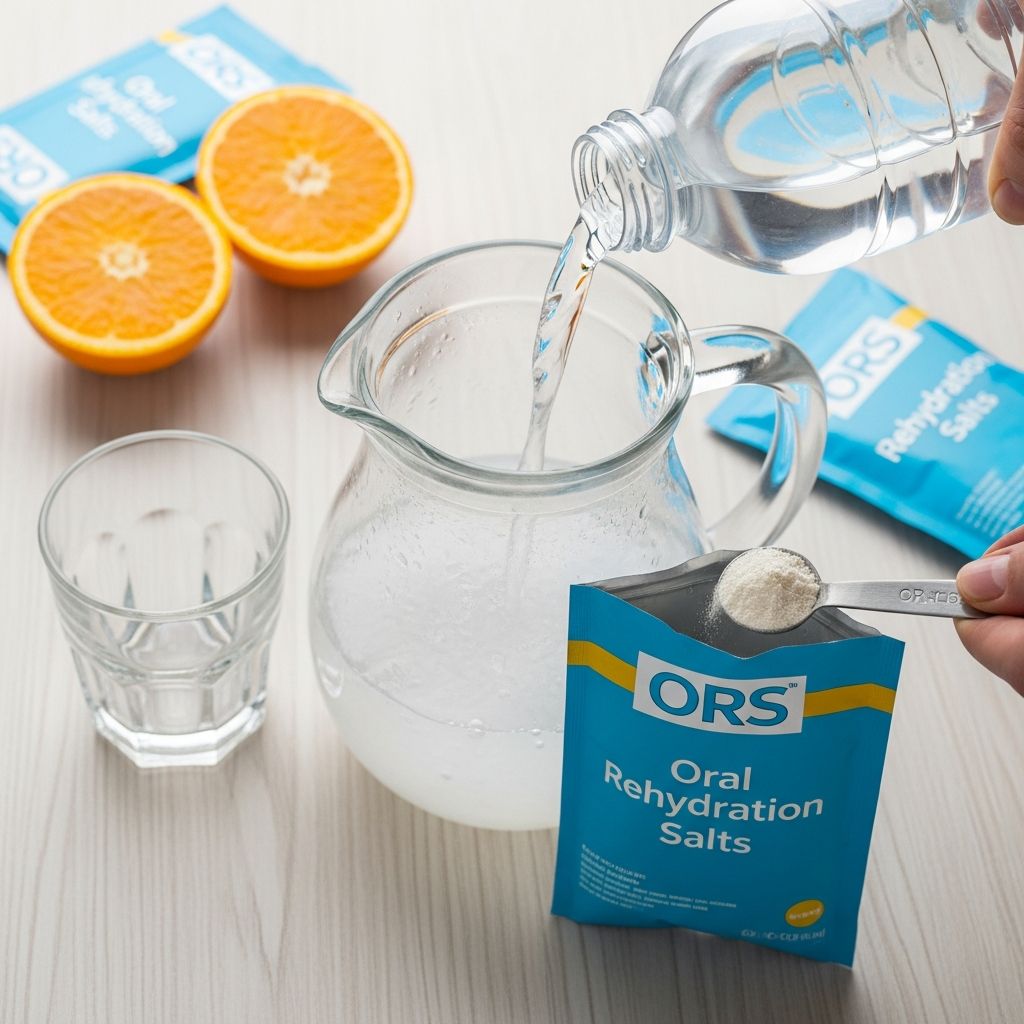
Oral rehydration salts (ORS) represent a cornerstone in managing dehydration, particularly from diarrhea, by replenishing vital fluids and electrolytes through a simple oral solution. This therapy has dramatically reduced mortality rates associated with diarrheal diseases worldwide.
The Critical Role of ORS in Modern Healthcare
Dehydration occurs when the body loses more fluids than it takes in, often due to conditions like diarrhea, vomiting, or excessive sweating. ORS provides a balanced mix of sugars and salts that the body absorbs efficiently, restoring hydration without the need for intravenous methods in most cases. Developed in the 1960s and refined over decades, ORS has saved millions of lives, especially in children under five in developing regions.
Unlike plain water, which can dilute electrolytes and worsen imbalances, ORS leverages the body’s natural absorption mechanisms to pull water into cells effectively. Global health organizations like WHO and UNICEF endorse its use as the first-line treatment for mild to moderate dehydration.
How ORS Works: Unpacking the Physiology
The effectiveness of ORS stems from the sodium-glucose cotransport system in the small intestine. During digestion, sodium and glucose are absorbed together via the SGLT1 protein on intestinal cells. This co-transport creates an osmotic gradient that draws water into the bloodstream, even amidst ongoing diarrhea.
Key components include:
- Glucose: Facilitates sodium uptake, enabling water absorption on a 1:1 molar basis.
- Sodium: Replaces losses from diarrhea; absorbed with glucose.
- Potassium: Prevents hypokalemia, maintaining heart and muscle function.
- Chloride: Balances electrolytes.
- Citrate: Corrects metabolic acidosis from fluid loss.
This process bypasses cyclic AMP-dependent secretion issues in diarrhea, promoting net fluid gain. Research shows it can reduce stool output by 25% and IV needs by 30% compared to older formulas.
Evolution of ORS Formulations
Early ORS had higher osmolarity (311 mOsm/L), but in 2003, WHO/UNICEF shifted to low-osmolarity versions (245 mOsm/L) based on trials showing better efficacy. Here’s a comparison:
| Component | Standard (mmol/L) | Low-Osmolar (mmol/L) | Acceptable Range (mmol/L) |
|---|---|---|---|
| Glucose | 111 | 75 | <111 |
| Sodium | 90 | 75 | 60–90 |
| Potassium | 20 | 20 | 15–25 |
| Chloride | 80 | 65 | 50–80 |
| Citrate | 10 | 10 | 8–12 |
| Total Osmolarity | 311 | 245 | 200–310 |
For severely malnourished children, ReSoMal adjusts to 45 mmol/L sodium and 40 mmol/L potassium, addressing unique needs.
Emerging research explores enhanced ORS with high-amylose maize starch (HAMS), fermented in the colon to short-chain fatty acids (SCFA) that boost absorption in both small and large intestines.
Who Benefits Most from ORS?
ORS is versatile for various groups:
- Children: Primary users; reduces diarrhea duration with zinc supplements.
- Adults: Effective for traveler’s diarrhea or gastroenteritis.
- Elderly: Helps during illness-related fluid loss.
- Athletes: Useful for sweat-induced dehydration, though sports drinks differ.
In settings with high diarrheal burdens, ORS prevents up to 93% of diarrhea-related deaths.
Step-by-Step Preparation and Administration
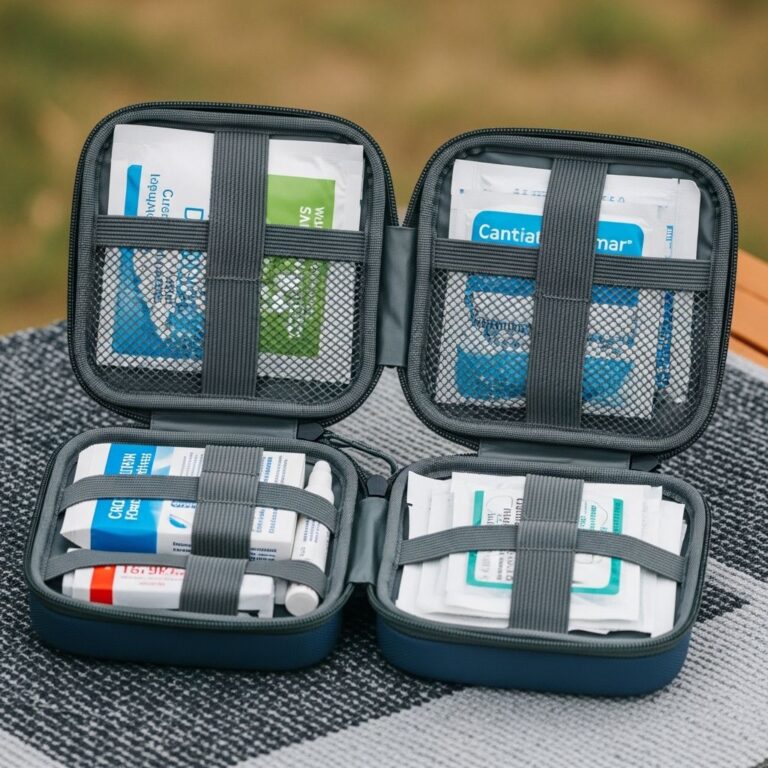
Standard ORS packets dissolve in 1 liter of clean water. Avoid tap water if unsafe; boil or use bottled. Stir until fully dissolved—no extra sugar or flavoring.
- Assess dehydration: Mild (thirsty, dry mouth); moderate (sunken eyes, reduced urine); severe (lethargy—seek IV).
- Give small, frequent sips: 50-100 mL/kg over 4 hours for rehydration, then maintenance.
- Continue feeding: Breast milk, soft foods alongside ORS.
- Monitor: Weigh child, track urine output, watch for vomiting.
For infants, use smaller volumes frequently to prevent overload.
Assessing and Managing Dehydration Levels
| Sign | Mild | Moderate | Severe |
|---|---|---|---|
| Thirst | Thirsty | Very thirsty | Unable to drink |
| Eyes | Normal | Sunken | Very sunken |
| Tears | Present | Absent | Absent |
| Fontanelle (infants) | Normal | Sunken | Very sunken |
| Skin Pinch | Normal | Goes back slowly | Goes back very slowly |
Related Stories



Use ORS for mild/moderate; hospitalize severe cases.
Safety Considerations and Common Pitfalls
ORS is safe but misuse risks exist:
- Hypernatremia: Too much salt—dilute properly.
- Overhydration: Rare, monitor intake.
- Contamination: Use hygienic water.
Contraindications: Uncorrected shock, intestinal blockage, or coma. Consult doctors for chronic conditions like kidney disease.
Studies confirm low-osmolar ORS reduces vomiting and stool volume, improving tolerance.
ORS in Global Health Initiatives
Programs by WHO/UNICEF distribute ORS packets, integrated with zinc to shorten diarrhea by 25% in kids. Supply chains ensure availability in low-resource areas, emphasizing education on early use.
Alternatives and Complementary Therapies
Homemade solutions (1 liter water + 6 tsp sugar + 0.5 tsp salt) are temporary but less precise—use commercial ORS when possible. Rice-based ORS or polymer variants show promise but aren’t standard.
Zinc supplements (10-20 mg/day for 10-14 days) enhance recovery.
Frequently Asked Questions (FAQs)
What is the main purpose of oral rehydration salts?
ORS treats and prevents dehydration from diarrhea by restoring fluids and electrolytes via oral intake.
Can ORS be used for vomiting?
Yes, in small sips; it reduces vomiting incidence compared to higher osmolarity versions.
How much ORS for a child weighing 10 kg?
500-1000 mL in first 4 hours for rehydration, then 100-200 mL after each stool.
Is ORS safe for newborns?
Consult a doctor; prioritize breastfeeding, use under supervision.
Can I add flavors to ORS?
No, it alters osmolarity and efficacy; plain is best.
When to seek medical help?
If no improvement in 4-6 hours, blood in stool, severe lethargy, or persistent vomiting.
Empowering Prevention and Early Intervention
Beyond treatment, ORS education promotes hygiene, vaccination (rotavirus), and sanitation to curb diarrhea. Stock ORS at home for quick response—it’s cheap, stable, and effective.
In summary, ORS transforms dehydration management from risky IVs to accessible oral therapy, grounded in physiology and proven globally.
References
- Oral rehydration therapy – Wikipedia — Wikipedia. 2023-10-01. https://en.wikipedia.org/wiki/Oral_rehydration_therapy
- Oral rehydration therapy: a low-tech solution that has saved millions — Our World in Data. 2022-05-12. https://ourworldindata.org/oral-rehydration-therapy
- Oral Rehydration Solution: A “Low-Tech” Oft Neglected Therapy — University of Virginia. 2015-11-01. https://med.virginia.edu/ginutrition/wp-content/uploads/sites/199/2015/11/KellyArticle-Oct-04.pdf
- Oral Rehydration Therapy in the Second Decade of the Twenty-first Century — PMC/NCBI (Peer-reviewed). 2014-02-01. https://pmc.ncbi.nlm.nih.gov/articles/PMC3950600/
- ORAL REHYDRATION – Global Health Supply Chain Program — USAID. 2019-02-01. https://www.ghsupplychain.org/sites/default/files/2019-02/MNCH%20Commodities-OralRehydration.pdf
- Understanding the use of oral rehydration therapy — PMC/NCBI (Peer-reviewed). 2022-09-01. https://pmc.ncbi.nlm.nih.gov/articles/PMC9464461/
- The Mechanism of Action Behind the Efficiency of Oral Rehydration — American Nutrition Health Institute. 2023-01-01. https://www.anhi.org/resources/videos/rehydration-solutions-mechanism-of-action0
- Oral Rehydration Salt Solutions for Children: A Review — American Academy of Pediatrics. 2025-07-01. https://publications.aap.org/pediatricsinreview/article/46/7/355/202406/Oral-Rehydration-Salt-Solutions-for-Children-A
- Oral rehydration salts — World Health Organization. 2006-01-01. https://www.who.int/publications/i/item/WHO-FCH-CAH-06.1
Similar Articles








Read full bio of medha deb