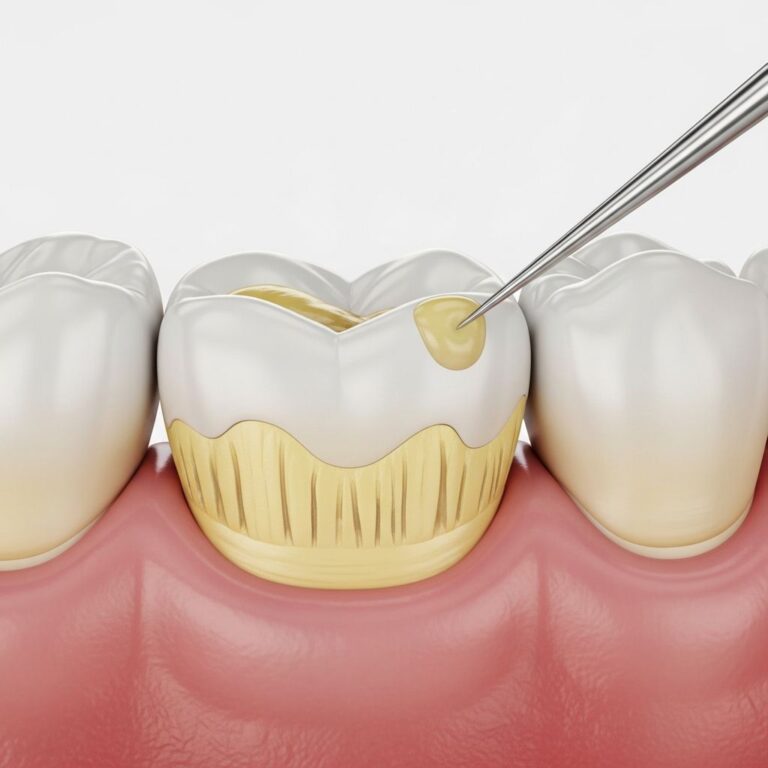
Oral Submucous Fibrosis: Causes, Stages, And Treatment Guide
Chronic precancerous oral condition linked to areca nut chewing, causing mouth stiffness and cancer risk.
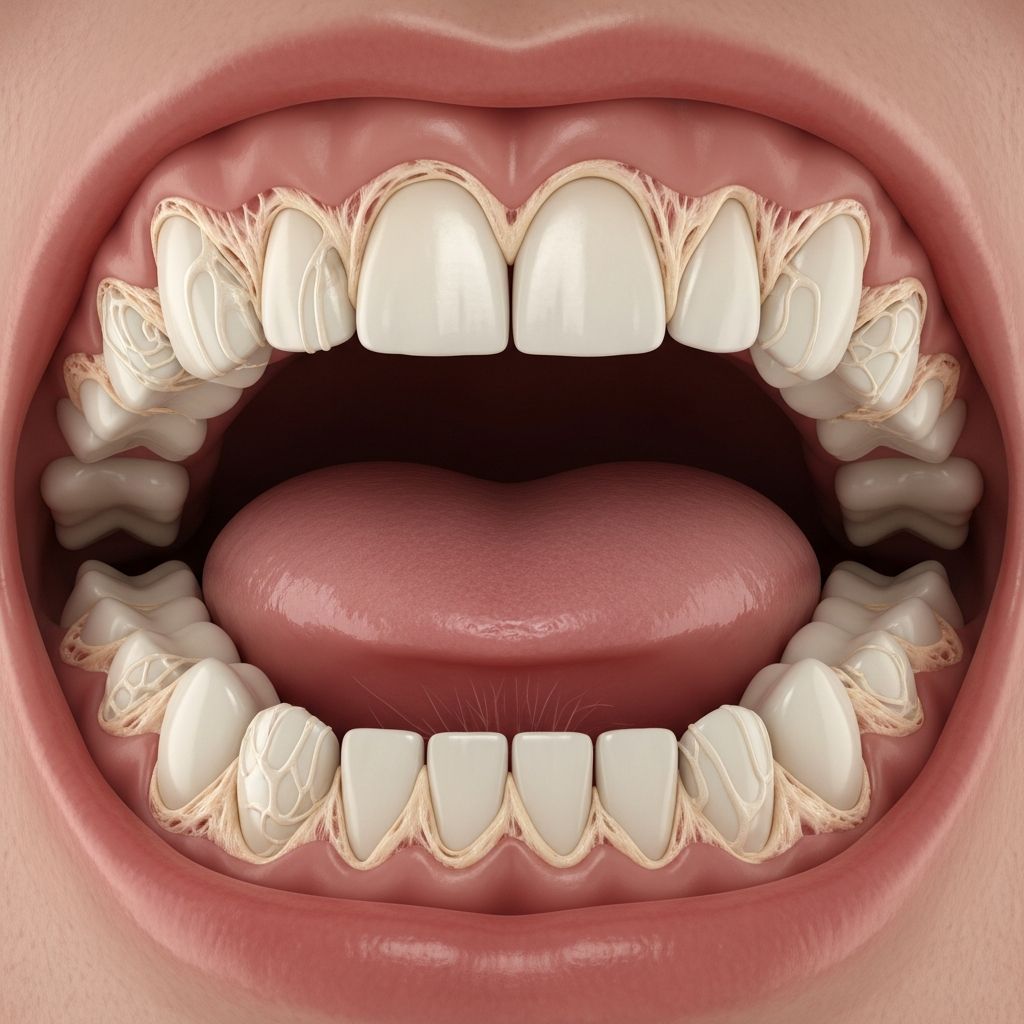
Oral submucous fibrosis (OSMF) is a chronic, progressive, precancerous condition characterised by fibrosis of the submucosa, leading to stiffness of the oral mucosa and reduced mouth opening (trismus). It is strongly associated with areca (betel) nut chewing, especially in combination with other habits such as tobacco, alcohol, and spicy foods.
Who gets oral submucous fibrosis?
OSMF predominantly affects people in South Asia, particularly India, Pakistan, Bangladesh, Taiwan, and Sri Lanka, where areca nut chewing is culturally prevalent. The condition is seen in all age groups but most commonly in individuals aged 20–40 years. Men are affected more frequently than women, with a ratio of approximately 2–10:1, though female incidence is rising due to changing habits.
Prevalence varies regionally: in India, it ranges from 0.2–5% in the general population and up to 10–15% among habitual chewers. Global migration has led to cases in the UK, USA, and other countries with South Asian diaspora communities.
What causes oral submucous fibrosis?
The primary aetiological factor is habitual chewing of areca nut (also known as betel nut), often as betel quid (areca nut wrapped in betel leaf with slaked lime, tobacco, and spices). Areca nut contains arecoline, an alkaloid that stimulates fibroblast proliferation, collagen synthesis, and cross-linking, leading to fibrosis.
- Areca nut mechanisms: Arecoline upregulates transforming growth factor-β (TGF-β), promoting collagen production; causes oxidative stress and DNA damage; tannin content reduces collagen degradation by inhibiting collagenase.
- Betel quid additives: Tobacco (carcinogenic), slaked lime (raises pH for alkaloid absorption), chilli (capsaicin sensitisation).
- Other factors: Genetic predisposition (e.g., collagen gene polymorphisms), nutritional deficiencies (iron, vitamins B12, folate, zinc), chronic irritation from spicy foods, alcohol.
Pathogenesis involves juxta-epithelial inflammation, fibroblast activation, excessive collagen deposition with reduced turnover, epithelial atrophy, and vascular changes (thickened basement membrane, reduced vascularity).
What are the clinical features of oral submucous fibrosis?
OSMF progresses through stages with increasing fibrosis and functional impairment. Early detection is crucial as advanced disease is often irreversible.
Very early stage
Subtle changes include:
- Stomatitis (inflammation)
- Excessive salivation
- Burning sensation on spicy foods
- Blanching of oral mucosa
- Blister formation
- Sparse pigmentation changes
Mouth opening normal (>35 mm).
Early stage
Appearance of thin, palpable fibrous bands in buccal mucosa, soft palate, fauces. Mucosa feels leathery. Interincisal mouth opening 25–30 mm. Burning persists.
Moderately advanced stage
Thicker fibrous bands, more extensive blanching (‘marble-like’ appearance). Tongue movement restricted, difficulty whistling/protruding tongue. Mouth opening 15–25 mm. Uvula shrunken/anteriorly fibrosed (‘bud’ shape).
Advanced stage
Severe trismus (<15 mm opening), thick rigid bands, tongue fixed to floor of mouth, completely shrunken uvula. Oropharyngeal/oesophageal involvement possible. Speech, eating, swallowing impaired.
Related Stories



Extra-oral features
- Sunken cheeks, prominent malar bones
- Prominent masseters/temporalis
- Thinning/stiff lips, loss of nasolabial fold
- Nasal speech (‘nasal twang’), hoarseness
- Mild hearing loss (Eustachian tube fibrosis)
- Weight loss from eating difficulty
Appear in moderate-advanced stages.
How is oral submucous fibrosis diagnosed?
Diagnosis is primarily clinical, based on history of areca nut chewing and characteristic features (blanching, fibrous bands, trismus). No single pathognomonic test exists.
- Interincisal mouth opening: Normal >35–40 mm; mild 30–35 mm; moderate 20–30 mm; severe <20 mm.
- Tongue protrusion: Limited in advanced disease.
- Biopsy: Confirms diagnosis and assesses dysplasia. Shows atrophic epithelium, hyalinised connective tissue, thickened basement membrane, chronic inflammation.
Staging systems: Clinical (mouth opening, bands); functional; histopathological (Pindborg/Khanna).
| Stage | Mouth Opening (mm) | Fibrous Bands | Tongue Mobility |
|---|---|---|---|
| Very Early | >35 | None | Normal |
| Early | 25–35 | Thin, palpable | Mild restriction |
| Moderate | 15–25 | Thick | Restricted |
| Advanced | <15 | Rigid, extensive | Fixed |
What is the treatment for oral submucous fibrosis?
No treatment fully reverses advanced OSMF. Management focuses on halting progression, symptom relief, improving mouth opening, and cancer prevention. Cessation of areca nut/betel quid is essential.
Conservative management (all stages)
- Habit cessation: Counselling, nicotine replacement if tobacco-dependent.
- Mouth opening exercises: Daily (e.g., 10–15 min, using wooden spatulas or TheraBite device). Forceful but controlled.
- Nutritional supplements: Iron, vitamins (B-complex, C, antioxidants like lycopene, pentoxifylline).
- Symptom relief: Topical anaesthetics (lidocaine), benzocaine lozenges for burning; antioxidants (curcumin, aloe vera).
Medical therapy (early-moderate stages)
Intralesional injections weekly for 6–8 weeks:
- Steroids: Hydrocortisone 25 mg/ml or triamcinolone 10–40 mg (anti-inflammatory, ↓ fibroblast activity).
- Hyaluronidase: 1500 IU (breaks down connective tissue).
- Combinations: Steroid + hyaluronidase; + placentrex (placental extract); IFN-γ (antifibrotic).
Improves mouth opening by 5–10 mm in responders.
Surgical management (moderate-severe, failed medical)
- Fibrotomy: Incision/excision of fibrotic bands ± grafting (skin, buccal fat pad, nasolabial flap).
- Laser therapy: CO2 laser fibrotomy (precise, less scarring).
- Emerging: Collagenase injections, stem cell therapy (experimental).
Post-op physiotherapy mandatory to prevent re-fibrosis.
Physiotherapy
Essential adjunct: Jaw stretching, tongue exercises, electrotherapy (TENS, microwave diathermy).
Precancerous potential and complications
OSMF is a potentially malignant disorder with 7–13% risk of malignant transformation to squamous cell carcinoma (highest in advanced stages with dysplasia).
- Regular surveillance: Biopsy suspicious areas (erythroplakia, ulcers); 3–6 monthly oral exams.
- Risk factors for malignancy: Long duration (>5 years), high areca dose, tobacco, dysplasia on biopsy.
Prevention
- Public health education on areca nut dangers.
- Legislation restricting sales (e.g., gutka bans in India).
- Screening high-risk populations (chewers).
Frequently asked questions
What is oral submucous fibrosis?
A chronic disease causing oral fibrosis from areca nut chewing, leading to trismus and cancer risk.
Is OSMF reversible?
Early stages can improve with habit cessation and treatment; advanced is irreversible but manageable.
Can OSMF cause cancer?
Yes, 7–13% transform to oral cancer; regular screening essential.
How to prevent OSMF?
Avoid areca nut/betel products; maintain nutrition; early dental check-ups for chewers.
What is the first treatment step?
Complete cessation of causative habits.
References
- Oral Submucous Fibrosis (OSMF) – Symptoms, Causes & Treatment — SPARSH Hospital. 2023. https://www.sparshhospital.com/blog/oral-submucous-fibrosis/
- Oral Submucous Fibrosis: Early Intervention with Betel Quid Chewing is Helpful — Today’s RDH. 2023. https://www.todaysrdh.com/oral-submucous-fibrosis-early-intervention-with-betel-quid-chewing-is-helpful/
- Oral Submucous Fibrosis: A Review of the Current Concepts — PMC (National Library of Medicine). 2023-11-01. https://pmc.ncbi.nlm.nih.gov/articles/PMC10655494/
- Oral submucous fibrosis — DermNet NZ. 2024. https://dermnetnz.org/topics/oral-submucous-fibrosis
Similar Articles








Read full bio of Sneha Tete