Oral Psoriasis Medications: Complete Guide For 2025
Explore modern oral treatments that target psoriasis at the cellular level
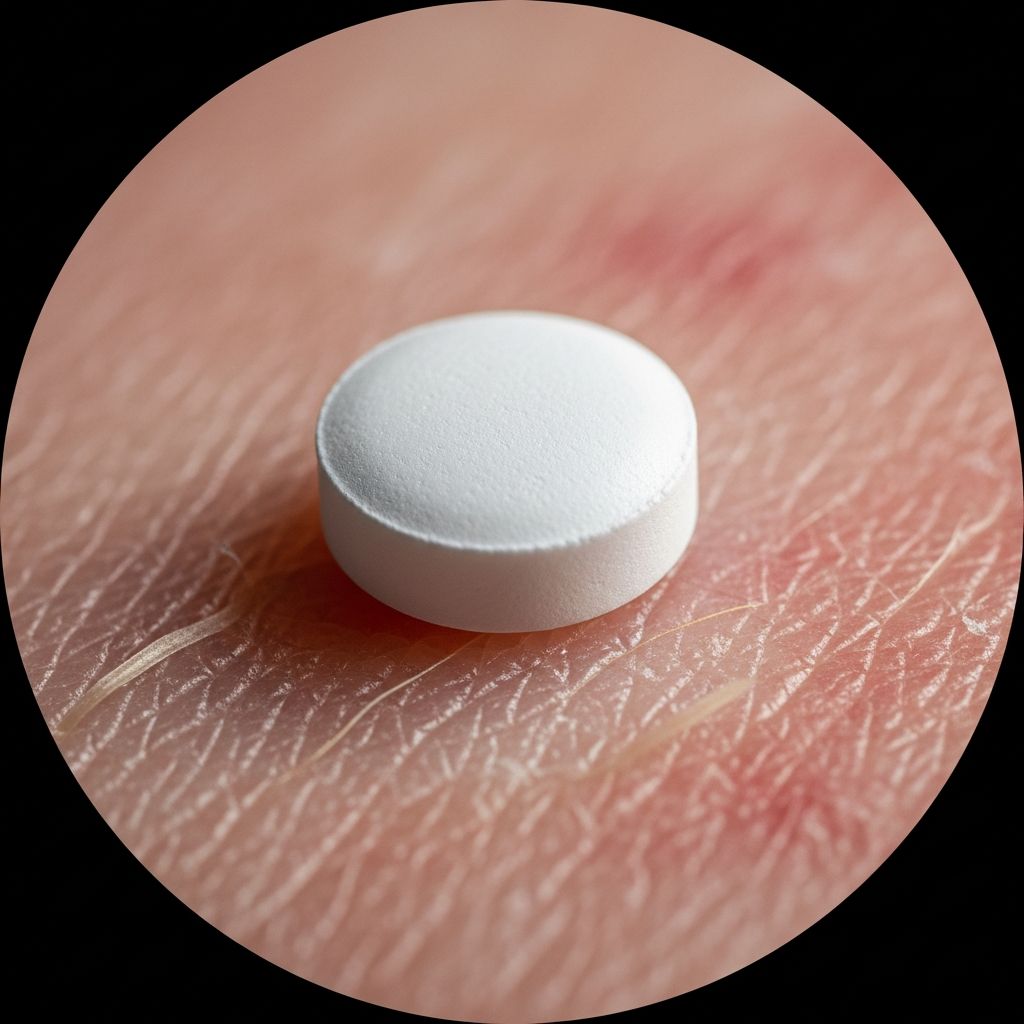
Psoriasis affects millions of people worldwide, and while topical treatments and phototherapy provide relief for mild cases, moderate-to-severe disease often requires systemic intervention. Oral systemic medications represent an important treatment category that allows patients to manage their condition without injectable therapies or frequent dermatology visits. Over the past decade, the landscape of oral psoriasis treatment has transformed dramatically, moving from older immunosuppressants with significant side effects to newer, more precise small-molecule inhibitors that target specific inflammatory pathways.
Understanding How Oral Systemic Therapies Work
Oral systemic treatments function by modulating the immune system’s overactive response in psoriatic disease. Unlike topical creams that work only on the skin’s surface, these medications are absorbed into the bloodstream and work at the cellular level to interrupt the inflammatory cascade that characterizes psoriasis. Modern oral therapies selectively target molecules inside immune cells, adjusting the complicated inflammatory processes that lead to skin cell proliferation and the formation of characteristic psoriatic plaques.
The mechanism of action varies depending on the drug class. Some medications inhibit specific enzymes, while others block signaling pathways that trigger immune cell activation. By reducing the overactive immune response, these treatments decrease redness, reduce scale formation, and minimize the itching and discomfort associated with psoriatic plaques. Patients often notice improvements within weeks of starting treatment, making oral systemic therapies an attractive option for those seeking faster symptom relief.
Conventional Oral Treatments: The Traditional Foundation
Before newer agents became available, three medications dominated the oral psoriasis treatment landscape: methotrexate, cyclosporine, and acitretin. These conventional therapies have been used for decades and remain effective for many patients. However, they come with significant drawbacks that limit their long-term use.
Methotrexate
Methotrexate (MTX) is an immunosuppressant that inhibits cell proliferation and reduces inflammation. It has been a cornerstone of psoriasis management for years and can be particularly effective for patients with joint involvement (psoriatic arthritis). Despite its efficacy, methotrexate requires regular laboratory monitoring to detect potential liver toxicity, bone marrow suppression, and other adverse effects. This makes it less ideal for patients seeking convenient long-term therapy.
Cyclosporine
Cyclosporine is a potent immunosuppressant that specifically targets T lymphocytes involved in psoriatic inflammation. While it can produce dramatic improvements in skin symptoms, cyclosporine carries a high risk of kidney damage, elevated blood pressure, and increased infection risk. These serious side effects typically limit its use to short-term treatment of severe flares rather than maintenance therapy.
Acitretin
Acitretin, a retinoid derivative, works by reducing skin cell production and is particularly effective for erythrodermic and pustular forms of psoriasis. However, it carries teratogenic risks, meaning it can cause birth defects if used during pregnancy. This significantly restricts its use in women of childbearing potential and requires strict contraception protocols.
Related Stories



The limitations of these conventional therapies have driven the development of newer oral agents that offer improved safety profiles and better long-term tolerability.
Next-Generation Oral Therapies: Targeted Small-Molecule Treatments
Recent advances in immunology and drug development have introduced a new class of oral psoriasis medications that target specific components of the immune system with greater precision. These small-molecule inhibitors represent a significant advancement over conventional therapies, offering better efficacy-to-safety ratios.
Apremilast (Otezla)
Apremilast is a phosphodiesterase 4 (PDE4) inhibitor that was among the first newer oral agents approved for psoriasis. This medication works by regulating inflammation within immune cells by inhibiting the PDE4 enzyme, which controls much of the inflammatory action within cells. In clinical trials, apremilast demonstrated significant improvements in psoriasis symptoms, with patients achieving a 50-percent reduction in nail psoriasis severity index at a rate of 44.6 percent compared to 18.7 percent in the placebo group.
Apremilast is also approved for psoriatic arthritis and oral ulcers associated with Behçet’s disease, making it a versatile option for patients with multiple manifestations of psoriatic disease. The primary drawback is gastrointestinal side effects including nausea and diarrhea, particularly during the initial titration period. However, these effects often diminish as treatment continues, and dosages can be adjusted to improve tolerability.
Deucravacitinib (Sotyktu)
Deucravacitinib represents one of the most recent additions to the oral psoriasis treatment arsenal. This medication demonstrates superior efficacy compared to other oral agents, achieving the highest rates of PASI 75 response (indicating a 75% improvement in the Psoriasis Area and Severity Index) at all time points measured. Clinical data shows deucravacitinib allows physicians to achieve meaningful response rates comparable to injectable biologic medications in a once-daily oral formulation.
The drug’s mechanism involves targeting specific immune signaling pathways that differ from earlier oral treatments, potentially offering benefit to patients who have failed or do not tolerate other therapies. Deucravacitinib appears to offer an improved tolerability profile compared to conventional oral treatments while maintaining the convenience of oral administration.
Tofacitinib (Xeljanz)
Tofacitinib is a Janus kinase (JAK) inhibitor that targets a specific part of the immune system involved in psoriatic inflammation. Originally approved for rheumatoid arthritis, tofacitinib has demonstrated efficacy in reducing psoriatic arthritis symptoms, particularly joint tenderness and swelling. Studies show it achieves noninferiority to etanercept, a biologic injectable therapy, making it an attractive option for patients with both skin and joint involvement.
As a JAK inhibitor, tofacitinib requires regular laboratory monitoring to detect potential laboratory abnormalities. The long-term safety profile of JAK inhibitors in psoriasis continues to be studied, and patients should be aware of potential risks before initiating therapy.
Emerging Oral Therapies and Future Directions
The oral psoriasis treatment landscape continues to evolve rapidly. Several medications are in advanced clinical trials and may receive FDA approval in the coming years.
Interleukin-23 Receptor Antagonists
A new generation of oral medications targeting interleukin-23 (IL-23) signaling is under development. These agents represent a shift toward more biologically targeted therapy delivered in oral form, potentially combining the efficacy of injectable biologic therapies with the convenience of a pill.
Additional JAK Inhibitors
Beyond tofacitinib, other JAK inhibitors including upadacitinib have demonstrated efficacy in psoriatic disease and have received FDA approval for psoriatic arthritis. These medications may expand treatment options for patients seeking oral JAK-based therapy.
Fumaric Acid Esters
Fumaric acid derivatives, including dimethylfumarate combinations, have long been used in Europe and are being investigated in the United States. These agents modulate immune cell function and have demonstrated clinical benefit, with PASI 75 response rates of 40.3% and PASI 90 response rates of 22.3%. The compound inhibits T lymphocyte and dendritic cell survival, addressing multiple aspects of psoriatic inflammation.
Selecting the Right Oral Therapy: Key Considerations
| Medication Class | Key Mechanism | Primary Advantages | Main Limitations |
|---|---|---|---|
| Conventional Agents (Methotrexate, Cyclosporine, Acitretin) | Broad immunosuppression | Long clinical track record; effective for severe disease | Significant side effects; frequent monitoring required; limited long-term use |
| PDE4 Inhibitors (Apremilast) | Inhibits phosphodiesterase 4 | Good efficacy; FDA approved; suitable for combination therapy | Gastrointestinal side effects during initiation |
| JAK Inhibitors (Tofacitinib, Upadacitinib) | Blocks Janus kinase signaling | Targets specific immune pathway; benefits joint symptoms | Requires laboratory monitoring; long-term safety data still emerging |
| Selective Immunomodulators (Deucravacitinib) | Targets specific immune mechanisms | Highest PASI response rates; once-daily dosing; excellent tolerability | Newer agent with less long-term data; may be more expensive |
When selecting an oral therapy, dermatologists and patients must consider several factors:
- Disease severity: Moderate-to-severe cases typically require systemic therapy, while mild disease may respond to topicals or phototherapy.
- Treatment history: Patients who have failed conventional or biologic therapies may benefit from newer small-molecule agents with different mechanisms.
- Associated conditions: Patients with concurrent psoriatic arthritis may benefit from medications effective for both skin and joint disease, such as JAK inhibitors.
- Patient preferences: The oral route of administration appeals to many patients who prefer pills to injections.
- Safety profile: Individual patient factors (kidney function, liver health, pregnancy potential) influence which medications are appropriate.
- Monitoring requirements: Some medications require regular blood work, which may be inconvenient for certain patients.
- Cost and insurance coverage: Medication availability through insurance plans varies and can influence treatment selection.
Efficacy Comparisons and Clinical Outcomes
Clinical efficacy is typically measured using the PASI score, where PASI 75 represents a 75% improvement in psoriasis severity and PASI 90 represents a 90% improvement. Among oral treatments currently available, deucravacitinib demonstrates the highest efficacy rates across short-term, intermediate, and long-term follow-up periods, consistently achieving superior PASI 75 responses compared to other oral agents.
Apremilast shows moderate efficacy with acceptable tolerability, making it suitable for patients who may not tolerate stronger immunosuppressive agents. Tofacitinib demonstrates efficacy comparable to injectable biologic therapies, particularly for patients with psoriatic arthritis.
The choice between agents should be individualized based on disease severity, patient factors, and treatment goals. For many patients, starting with newer small-molecule agents offers a better balance of efficacy and safety compared to conventional therapies.
Safety Considerations and Monitoring
All systemic psoriasis medications require appropriate medical supervision and baseline assessments. Conventional agents necessitate regular laboratory monitoring for liver and kidney function, blood counts, and other parameters. Newer small-molecule inhibitors generally have better tolerability profiles, though JAK inhibitors still require periodic laboratory assessment.
Patients should be counseled about potential side effects specific to their chosen medication and instructed to report any concerning symptoms to their healthcare provider. Pregnancy planning is an important consideration, as several oral psoriasis medications carry restrictions or contraindications in pregnancy.
The Future of Oral Psoriasis Treatment
The advancement of oral psoriasis therapies continues at a rapid pace. The introduction of deucravacitinib and other next-generation agents has fundamentally changed expectations for oral treatment, allowing physicians to achieve response rates previously associated only with injectable biologic medications. Several additional small-molecule agents are in phase III clinical trials and may provide further treatment options in coming years.
As understanding of psoriatic disease biology deepens, oral medications targeting increasingly specific immune pathways are being developed. This precision medicine approach promises to deliver better outcomes with fewer side effects, making long-term oral therapy increasingly viable for patients with chronic psoriasis.
Frequently Asked Questions
How long does it take for oral psoriasis medications to work?
Most patients begin experiencing improvements within 2-4 weeks of starting treatment, though maximum benefit typically develops over 8-12 weeks. Some medications like apremilast may require a gradual dose escalation, which extends the timeline to full therapeutic effect.
Can oral systemic medications be combined with other psoriasis treatments?
Yes, oral medications are often used in combination with topical treatments or phototherapy to enhance overall efficacy. However, combining multiple systemic agents requires careful medical supervision to avoid excessive immunosuppression.
Are oral psoriasis medications safe for long-term use?
Newer small-molecule inhibitors demonstrate better long-term safety profiles than conventional agents like methotrexate and cyclosporine. However, all systemic medications require ongoing medical monitoring and periodic assessment of effectiveness and tolerability.
What happens if an oral medication stops working?
If a patient develops resistance or loss of efficacy to an oral medication, switching to a different agent with a different mechanism of action is an effective strategy. Many patients benefit from sequential trials of different oral or injectable therapies.
Are there oral medications suitable for mild-to-moderate psoriasis?
While systemic medications are primarily indicated for moderate-to-severe disease inadequately controlled by topicals or phototherapy, apremilast has been studied in mild-to-moderate cases and may be appropriate for selected patients who prefer oral therapy.
References
- Oral Psoriasis Therapies — National Center for Biotechnology Information (PubMed). 2024. https://pubmed.ncbi.nlm.nih.gov/38796267/
- New Oral Therapies for Psoriasis: A Comprehensive Review — PubMed Central. 2016. https://pmc.ncbi.nlm.nih.gov/articles/PMC5022993/
- Exploring Oral Options for Psoriasis Therapies — US Dermatology Partners. 2024. https://www.usdermatologypartners.com/press-media/exploring-oral-options-for-psoriasis-therapies/
- Oral Treatments for Psoriasis and Psoriatic Arthritis — National Psoriasis Foundation. https://www.psoriasis.org/oral-treatments/
- Small-molecule systemic oral therapies for psoriasis and PsA — Psoriasis Hub. https://psoriasis-hub.com/medical-information/small-molecule-systemic-oral-therapies-for-psoriasis-and-psa
- Psoriasis – Diagnosis and treatment — Mayo Clinic. 2023. https://www.mayoclinic.org/diseases-conditions/psoriasis/diagnosis-treatment/drc-20355845
Similar Articles








Read full bio of Sneha Tete