Oral Thrush Symptoms: 7 Key Signs You Shouldn’t Ignore
Recognize the signs of oral thrush early: white patches, pain, and more. Learn causes, treatments, and prevention strategies for this common yeast infection.
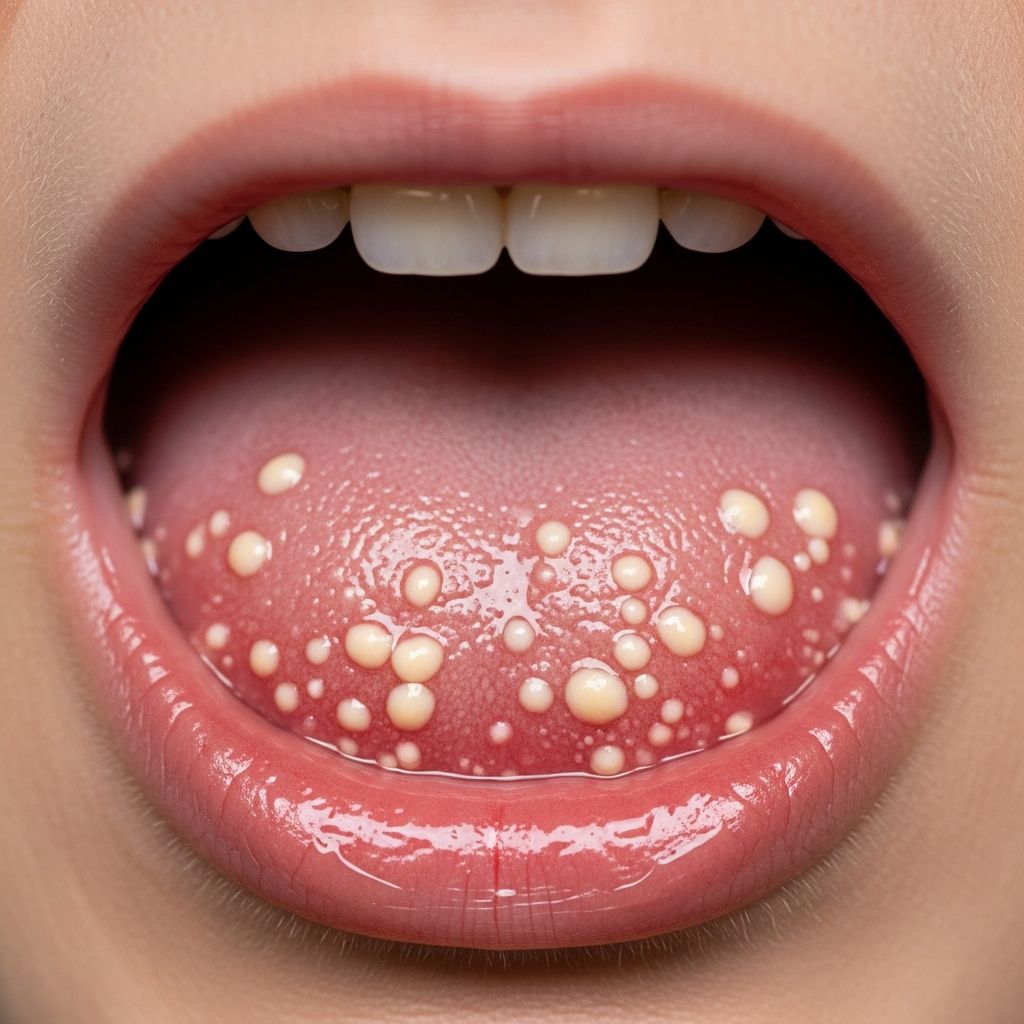
Oral thrush, also known as oral candidiasis, is a common fungal infection caused by an overgrowth of Candida yeast in the mouth. It presents as white, creamy lesions on the tongue, inner cheeks, gums, and throat, often leading to discomfort, pain, and difficulty eating or speaking. While typically harmless in healthy individuals, it can signal underlying health issues in vulnerable populations such as infants, older adults, and those with weakened immune systems.
What Is Oral Thrush?
Oral thrush occurs when Candida fungi, normally present in small amounts in the mouth, multiply uncontrollably. Candida albicans is the most common culprit, thriving in warm, moist environments like the oral cavity. This overgrowth disrupts the balance maintained by the immune system and beneficial bacteria, leading to infection. The condition affects people of all ages but is particularly prevalent in babies under 6 months, denture wearers, and individuals with conditions like diabetes or HIV.
In healthy adults, thrush is usually mild and resolves with treatment. However, in immunocompromised patients, it can spread to the esophagus or other areas, causing more severe complications such as difficulty swallowing or weight loss.
Oral Thrush Symptoms
The hallmark symptom of oral thrush is the appearance of white, raised patches resembling cottage cheese on the tongue, inner cheeks, gums, tonsils, or roof of the mouth. These lesions can be scraped off, revealing red, inflamed tissue underneath that may bleed slightly.
Other common symptoms include:
- A cottony or fuzzy sensation in the mouth
- Loss or altered sense of taste
- Burning pain or soreness, especially on the tongue
- Redness or irritation in the mouth
- Cracking at the corners of the mouth (angular cheilitis)
- Pain or difficulty swallowing, if the infection spreads to the throat
- Difficulty eating or drinking due to discomfort
In infants, symptoms may manifest as fussiness during feeding, refusal to nurse, or white patches on lips, tongue, or cheeks that do not wipe away easily. Many babies show no pain, but cracked skin around the mouth can occur.
Severe cases, particularly in adults with weakened immunity, may involve spread to the esophagus, leading to odynophagia (painful swallowing) or a feeling of food sticking in the throat.
Causes and Risk Factors
Oral thrush develops when the natural defenses in the mouth fail to control Candida growth. Key risk factors include:
- Weakened immune system: From HIV/AIDS, cancer treatments like chemotherapy, or organ transplants.
- Medications: Antibiotics disrupt oral bacteria; corticosteroids or inhaled steroids for asthma increase risk.
- Medical conditions: Uncontrolled diabetes, dry mouth (xerostomia), or anemia.
- Infants and babies: Immature immune systems and exposure during birth if the mother has a yeast infection.
- Dentures or poor oral hygiene: Ill-fitting dentures trap yeast; smoking exacerbates dryness.
- Age: Newborns and older adults are more susceptible.
Certain habits like smoking or excessive alcohol use can also promote fungal overgrowth by altering the oral environment.
Related Stories



Who Gets Oral Thrush?
Anyone can develop oral thrush, but certain groups face higher risks:
| Group | Risk Factors |
|---|---|
| Infants (<6 months) | Immature immunity, breastfeeding from infected mothers |
| Older adults | Dentures, dry mouth, weakened immunity |
| People with diabetes | High blood sugar feeds yeast |
| Immunocompromised | HIV, cancer, transplants |
| Asthma patients | Inhaled steroids |
In children beyond infancy, thrush is less common unless associated with antibiotics or illness.
Diagnosis
Diagnosis often begins with a visual exam by a healthcare provider. The distinctive white lesions that reveal red, bleeding tissue when scraped confirm suspicion.
For confirmation:
- A swab or scraping of the lesion is examined under a microscope for yeast cells.
- In persistent or esophageal cases, endoscopy visualizes the throat, or biopsy rules out other conditions like leukoplakia or cancer.
- Blood tests may identify underlying issues like diabetes or immune deficiencies.
Early diagnosis is crucial, especially in high-risk patients, to prevent spread.
Treatment
Treatment focuses on antifungal medications to eliminate Candida overgrowth. Options include:
- Topical antifungals: Nystatin suspension (swish and swallow), clotrimazole lozenges, or miconazole gel. Effective for mild cases, used 7-14 days.
- Oral systemic antifungals: Fluconazole tablets for severe or resistant infections.
- For infants: Nystatin oral suspension; gentle cleaning of the mouth.
Supportive care involves good oral hygiene, pain relief with over-the-counter analgesics, and addressing risk factors like blood sugar control or denture adjustment.
Thrush typically resolves in 1-2 weeks with treatment, but recurrence is common if underlying issues persist.
Prevention
Preventive strategies reduce recurrence:
- Maintain excellent oral hygiene: Brush twice daily, floss, and clean dentures nightly.
- Rinse mouth after inhaled steroids or antibiotics.
- Control diabetes and manage dry mouth with saliva substitutes.
- For infants: Sterilize pacifiers/bottles; treat maternal yeast infections.
- Avoid smoking and limit sugar/alcohol intake.
- Probiotics may help restore oral flora balance.
When to See a Doctor
Seek medical attention if you notice white patches persisting beyond a few days, severe pain, bleeding, difficulty swallowing, or fever. High-risk individuals should consult promptly for any mouth changes to rule out serious conditions.
In babies, see a pediatrician if feeding issues or patches appear.
Frequently Asked Questions (FAQs)
What does oral thrush look like?
White, creamy, cottage cheese-like patches on the tongue, cheeks, or throat that bleed when scraped.
Is oral thrush contagious?
It can spread via contact, especially from mother to baby during breastfeeding, but good hygiene prevents transmission.
How long does oral thrush last?
With treatment, 1-2 weeks; untreated mild cases may resolve but risk complications.
Can oral thrush go away on its own?
In healthy individuals, yes, but treatment speeds recovery and prevents spread.
Does oral thrush cause bad breath?
Yes, the infection can lead to halitosis due to fungal overgrowth.
References
- Overview: Oral thrush – InformedHealth.org — NCBI Bookshelf. 2016 (updated). https://www.ncbi.nlm.nih.gov/books/NBK367586/
- Thrush – children and adults — MedlinePlus. 2023-10-23. https://medlineplus.gov/ency/article/000626.htm
- Thrush: Symptoms, Causes & Treatment — Cleveland Clinic. 2023-08-01. https://my.clevelandclinic.org/health/diseases/10956-thrush
- Oral Thrush — Nemours KidsHealth. 2023. https://kidshealth.org/en/parents/thrush.html
- Oral thrush – Diagnosis and treatment — Mayo Clinic. 2023-11-01. https://www.mayoclinic.org/diseases-conditions/oral-thrush/diagnosis-treatment/drc-20353539
- Thrush and Other Candida Infections — HealthyChildren.org (AAP). 2023. https://www.healthychildren.org/English/health-issues/conditions/infections/Pages/Thrush-and-Other-Candida-Infections.aspx
Similar Articles








Read full bio of Sneha Tete