Oral Thrush: 6 Prevention Tips And Treatment Guide
Discover symptoms, causes, treatments, and prevention for oral thrush in adults and infants.
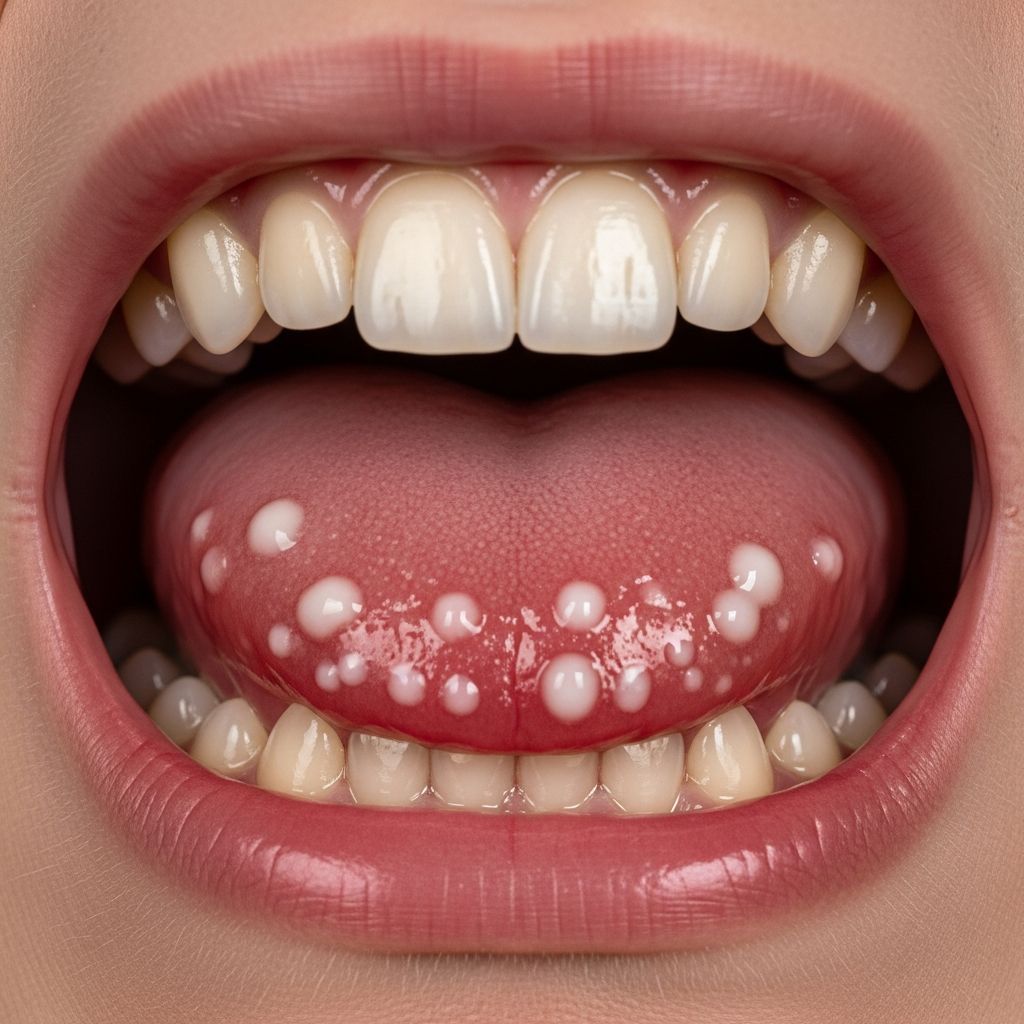
Oral thrush, medically termed oral candidiasis, arises from an overgrowth of the yeast Candida albicans in the mouth, leading to distinctive white patches and discomfort. This common condition affects people across all ages, from infants to seniors, and responds well to targeted interventions.
Recognizing the Signs of Oral Thrush
The hallmark of oral thrush is the appearance of creamy white lesions resembling cottage cheese on the tongue, inner cheeks, gums, tonsils, or roof of the mouth. These patches are slightly raised and can cause redness, burning sensations, or soreness severe enough to hinder eating or swallowing.
- White, curd-like spots that may bleed if scraped
- Redness or inflammation around affected areas
- Cracks and soreness at mouth corners (angular cheilitis)
- Cottony sensation or loss of taste
- Pain under dentures or difficulty swallowing if infection spreads
In infants, symptoms might include fussiness during feeds and persistent diaper rash from the same yeast. Adults with dentures often report irritation beneath the appliance.
What Triggers Oral Thrush Overgrowth?
Candida yeast naturally resides in the mouth, but imbalances allow it to proliferate. A robust immune system typically keeps it in check; disruptions tip the scales.
| Risk Factor | Description |
|---|---|
| Weakened Immunity | Common in babies, elderly, cancer patients, HIV/AIDS, or those on immunosuppressants. |
| Diabetes | Uncontrolled blood sugar elevates saliva glucose, fueling yeast growth. |
| Medications | Antibiotics, corticosteroids (inhaled or oral), disrupt microbial balance. |
| Dentures | Ill-fitting or unclean dentures create moist environments for yeast. |
| Dry Mouth | Reduced saliva from medications or conditions limits natural cleansing. |
| Other | Smoking, vaginal yeast infections passed to newborns, poor oral hygiene. |
These factors compromise the mouth’s defenses, enabling Candida albicans—the primary culprit—to dominate.
Diagnosis: How Professionals Confirm Oral Thrush
Healthcare providers diagnose oral thrush through visual examination of lesions. In ambiguous cases, they may scrape a patch for microscopic analysis or culture to rule out other infections. Persistent symptoms warrant blood tests for underlying issues like diabetes or immune deficiencies.
For infants, pediatricians assess feeding difficulties alongside oral signs. Dentists check denture wearers for fit and hygiene issues contributing to recurrence.
Effective Treatment Strategies
Treatment hinges on antifungal agents to eradicate the yeast overgrowth. Mild cases resolve with topical applications; severe or recurrent ones require systemic medications.
- Topical Antifungals: Nystatin suspension or pastilles swished and swallowed; clotrimazole lozenges dissolved slowly.
- Oral Medications: Fluconazole tablets for persistent infections or immunocompromised patients.
- Duration: Typically 7-14 days; complete the course to prevent relapse.
Address root causes: adjust diabetes management, refit dentures, discontinue contributing drugs if possible. Babies improve rapidly with nystatin drops.
Supportive Home Remedies for Symptom Relief
While not substitutes for medical treatment, certain remedies alleviate discomfort and may inhibit yeast.
- Salt Water Rinse: Dissolve ½ tsp salt in 1 cup warm water; swish and spit 2-3 times daily for antiseptic effects.
- Baking Soda Rinse: 1 tsp in 1 cup water; neutralizes acidity and combats Candida.
- Probiotic Yogurt: Eat plain, live-culture yogurt to restore beneficial bacteria balance.
- Diluted Lemon Juice: Juice of ½ lemon in water as a rinse; antifungal properties, but avoid direct application to avoid burns.
- Gentle Hygiene: Brush softly, floss, and clean dentures daily in antifungal soak.
Related Stories



Consult a doctor before remedies, especially for children or severe cases.
Prevention Tips for Long-Term Oral Health
Proactive measures minimize recurrence risk.
- Maintain excellent oral hygiene: brush twice daily, floss, use antimicrobial mouthwash.
- Control chronic conditions like diabetes for stable blood sugar.
- Clean dentures nightly; ensure proper fit via dentist visits.
- Limit sugar intake; yeast thrives on it.
- Quit smoking to bolster immunity.
- For inhaler users, rinse mouth post-use to prevent steroid residue.
Regular dental check-ups, especially for at-risk groups, catch issues early.
Oral Thrush in Special Populations
Infants and Breastfeeding: Thrush passes easily between mother and baby. Treat both with antifungals; sterilize pacifiers and nipples.
Elderly and Denture Wearers: Dry mouth and poor-fitting dentures heighten vulnerability. Hydrate well and adhere to cleaning protocols.
Immunocompromised: Higher recurrence; monitor closely and consider prophylactic antifungals.
When to Seek Urgent Medical Attention
Consult a doctor if:
- Symptoms persist beyond 1-2 weeks of treatment.
- Difficulty swallowing or weight loss occurs.
- Infection spreads to throat/esophagus.
- You’re immunocompromised or diabetic with uncontrolled symptoms.
- Infant refuses feeds or has fever.
Frequently Asked Questions (FAQs)
Is oral thrush contagious?
Direct contact can spread it, especially mother-to-baby during breastfeeding. Practice good hygiene to limit transmission.
Can oral thrush go away on its own?
Mild cases in healthy individuals may self-resolve, but treatment speeds recovery and prevents complications.
How long does treatment take?
Typically 7-14 days; full course adherence is crucial.
Does diet affect oral thrush?
Yes, reduce sugars and yeasts; incorporate probiotics.
Can antibiotics cause thrush?
Yes, by killing good bacteria, allowing yeast overgrowth.
Key Takeaways on Managing Oral Thrush
Oral thrush is manageable with prompt antifungal therapy and lifestyle adjustments. Early recognition of white patches and risk awareness empowers effective control.
References
- Oral thrush | healthdirect — healthdirect.gov.au. Accessed 2026. https://www.healthdirect.gov.au/oral-thrush
- Oral thrush – Symptoms and causes – Mayo Clinic — Mayo Clinic Staff. 2024-12-20. https://www.mayoclinic.org/diseases-conditions/oral-thrush/symptoms-causes/syc-20353533
- 9 Home Remedies for Oral Thrush and When to See a Doctor — Healthline. Accessed 2026. https://www.healthline.com/health/home-remedies-for-thrush
- Oral Thrush – Causes, Symptoms, Treatment and Prevention — Dr. Michael Handler. Accessed 2026. https://drmichaelhandler.ca/blog/oral-thrush-causes-symptoms-treatment-and-prevention
- Doctor explains ORAL THRUSH (Oral Candidiasis) – YouTube — Doctor O’Donovan. 2024-03-20. https://www.youtube.com/watch?v=OZd8qywatE0
- Oral thrush (mouth thrush) – NHS — NHS.uk. Accessed 2026. https://www.nhs.uk/conditions/oral-thrush-mouth-thrush/
Similar Articles








Read full bio of Sneha Tete