Oral Wellness In Parkinson’s: Essential Dental Strategies
Essential strategies for protecting teeth and gums amid Parkinson's challenges to enhance daily comfort and overall vitality.
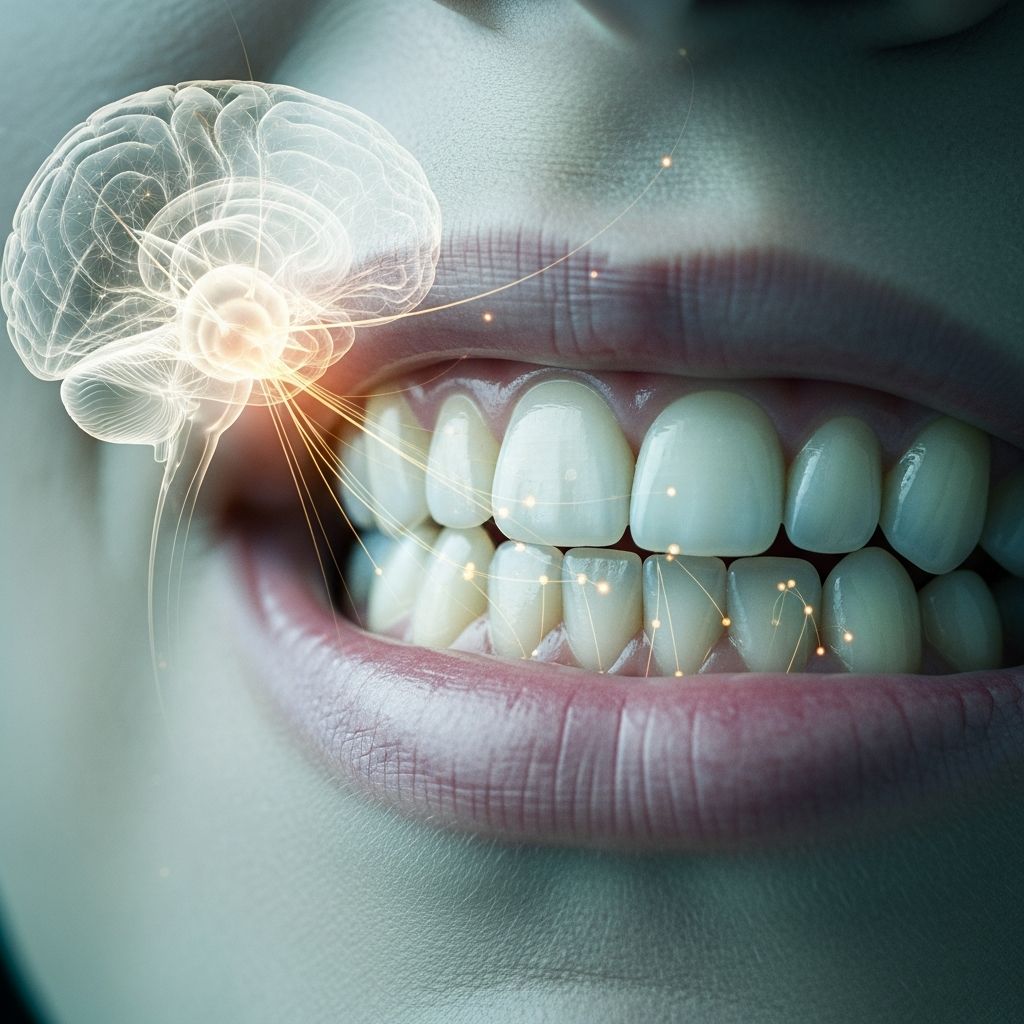
Parkinson’s disease presents unique hurdles to maintaining strong oral health, as motor symptoms like tremors and rigidity can disrupt routine hygiene practices. Effective dental strategies not only safeguard teeth and gums but also bolster nutrition, speech, and respiratory health by minimizing infection risks.
Understanding the Link Between Parkinson’s and Oral Challenges
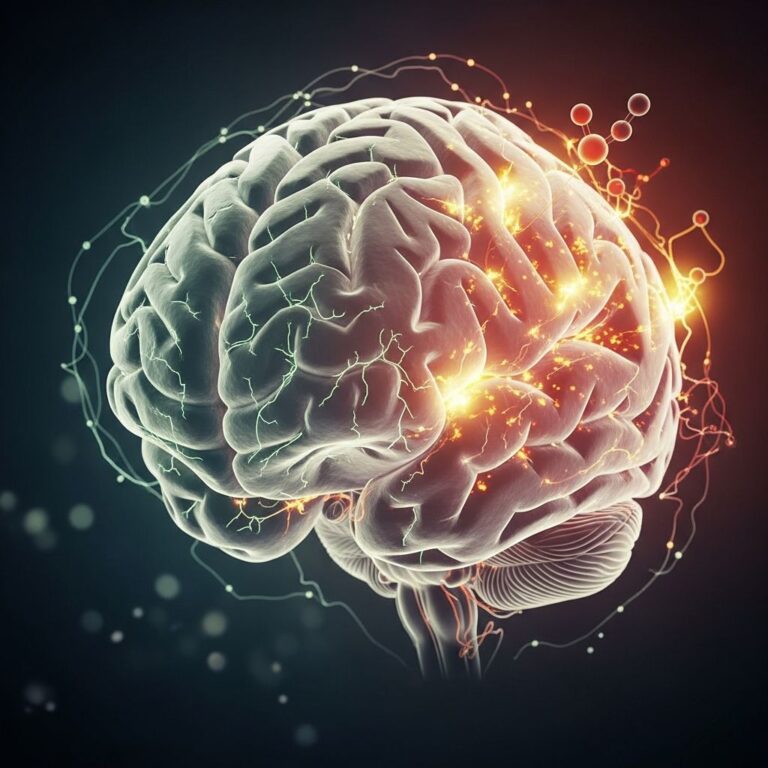
The neurological effects of Parkinson’s extend to the mouth, influencing muscle control in the face, jaw, and tongue. This leads to difficulties in chewing, swallowing, and saliva regulation, heightening vulnerability to decay, infections, and discomfort. Reduced saliva flow, often worsened by medications, fosters bacterial growth, accelerating plaque buildup and gum inflammation.
Individuals with Parkinson’s may experience drooling or, conversely, persistent dryness, both of which compromise oral tissues. Swallowing impairments increase choking hazards, while poor chewing contributes to malnutrition and aspiration pneumonia—a serious lung infection from food particles entering airways. Untreated dental issues can exacerbate these, underscoring the need for proactive care.
Motor Symptoms’ Impact on Daily Dental Routines
Tremors, bradykinesia (slowed movements), and dyskinesia (involuntary motions) make precise actions like brushing or flossing arduous. Jaw stiffness further complicates opening the mouth wide enough for thorough cleaning, leading to plaque accumulation on all tooth surfaces.
- Tremors: Cause shaky hands, dropping tools or inconsistent pressure during brushing.
- Rigidity: Limits finger dexterity for gripping floss or toothpaste tubes.
- Dyskinesia: Results in erratic movements, hindering sustained hygiene efforts.
These factors elevate cavity and periodontal disease risks, which, if spread systemically, may interfere with deep brain stimulation devices or immune function.
Medication Side Effects and Oral Dryness
Many Parkinson’s treatments, including levodopa and antipsychotics, reduce saliva production, creating a dry environment ripe for cavities and sores. This xerostomia intensifies with age and polypharmacy, common in advanced stages.
To counter this:
- Sip water frequently or use sugar-free lozenges.
- Employ saliva substitutes or prescription rinses.
- Chew sugarless gum to stimulate natural flow.
Adaptive Techniques for Effective Brushing and Flossing
Customizing tools and timing transforms daunting tasks into manageable ones. Schedule hygiene during “on” periods when medications optimize mobility.
| Challenge | Adaptive Solution | Benefits |
|---|---|---|
| Grip difficulties | Enlarge brush handles with foam or Velcro straps | Reduces fatigue, improves control |
| Tremors | Electric toothbrushes with multiple heads | Cleans efficiently despite shaky hands |
| Flossing barriers | Textured disposable picks or water flossers | Removes interdental plaque safely |
| Reach issues | Angled mirrors and extended-handled flossers | Accesses back teeth easily |
Aim for twice-daily brushing with fluoride toothpaste, covering all surfaces for two minutes. Floss or use proxies daily to disrupt plaque reformation, which occurs within 24 hours. Caregivers can assist, ensuring comprehensive coverage.
Related Stories



Denture Care Essentials for Stability and Comfort
For those with partial or full dentures, Parkinson’s symptoms demand meticulous upkeep to prevent slippage, sores, and bacterial spread. Stable dentures enhance chewing, curbing aspiration risks and supporting nutrition.
- Remove nightly, soaking in cleaner or water to rest gums.
- Brush daily with designated denture brushes, avoiding regular toothpaste.
- Clean clasps on partials to shield supporting teeth from decay.
- Handle gently to avoid fractures amid tremors.
Moist environments stabilize uppers; dry mouth remedies aid retention. Professional adjustments ensure fit as facial changes progress.
Navigating Dental Appointments with Parkinson’s
Regular visits—every three to six months—facilitate early detection. Time appointments for peak mobility, informing providers of symptoms and devices like DBS to adapt tools.
Short sessions minimize fatigue; sedation options suit anxiety or rigidity. Pre-medicate for jaw relaxation, and bring aides for support. Discuss fluoride varnishes or sealants for high-risk patients.
Nutrition and Oral Health Interplay
Soft, nutritious foods ease chewing strains, but unbalanced diets from dental pain risk deficiencies. Opt for purees without sacrificing variety—healthy teeth enable diverse intake, boosting morale and immunity. Frequent small meals aid saliva recovery post-chewing.
Preventing Complications Through Team Care
Integrate dentists into multidisciplinary teams with neurologists and therapists. Monitor for signs like persistent pain, swelling, or breath changes, addressing promptly to avert systemic spread.
Fluoride products fortify enamel; antimicrobial rinses (non-alcoholic) curb bacteria. Home salt rinses soothe gums affordably.
Frequently Asked Questions
Can Parkinson’s medications cause tooth decay?
Yes, dry mouth from drugs heightens decay risk; counteract with hydration and fluoride.
How often should dental checkups occur?
Every 3-6 months, or more if hygiene challenges persist.
Are electric toothbrushes suitable?
Highly recommended for tremor management and thorough cleaning.
What if swallowing floss is unsafe?
Use picks, water flossers, or caregiver assistance.
Do dentures need nightly removal?
Absolutely, to prevent sores and promote gum health.
Long-Term Strategies for Sustained Oral Vitality
Beyond basics, track progress with hygiene logs, adjusting as symptoms evolve. Community resources, like Parkinson’s support groups, offer peer tips. Research evolves; recent clinician insights emphasize tailored prevention and shorter, frequent visits for PD patients. Empowering self-management preserves dignity and health.
Oral wellness profoundly influences Parkinson’s quality of life. Consistent, adaptive practices mitigate risks, fostering confidence in eating, speaking, and smiling.
References
- The Dental Care Guide for Parkinson’s Disease Patients — Berkers Family Dentistry. 2023-04-01. https://berkersfamilydentistry.com/2023/04/the-dental-care-guide-for-parkinsons-disease-patients-understanding-and-mitigating-the-risks/
- Dental Issues Related to Parkinson’s Disease (PD) — Center for Medicare Advocacy. 2021-08-01. https://medicareadvocacy.org/wp-content/uploads/2021/08/Fact-Sheet-Oral-Health-Parkinsons.pdf
- Taking Care of Your Mouth and Teeth with Parkinson’s Disease — International Parkinson and Movement Disorder Society. N/A. https://www.movementdisorders.org/MDS/Resources/Patient-Education/Taking-Care-of-Your-Mouth-and-Teeth-with-Parkinsons-Disease.htm
- Dental Health — Parkinson’s Foundation. N/A. https://www.parkinson.org/living-with-parkinsons/management/dental-health
- Oral Health and Parkinson’s Disease — Stanford Medicine. N/A. https://med.stanford.edu/parkinsons/treating-living/oral-health.html
- Clinicians’ view on the management of oral health in Parkinson’s — PMC (PubMed Central). 2023. https://pmc.ncbi.nlm.nih.gov/articles/PMC10181999/
Similar Articles








Read full bio of Sneha Tete