Orbital Cellulitis: Causes, Symptoms, and Treatment
Complete guide to orbital cellulitis: understanding this serious eye infection and its treatment options.
Understanding Orbital Cellulitis
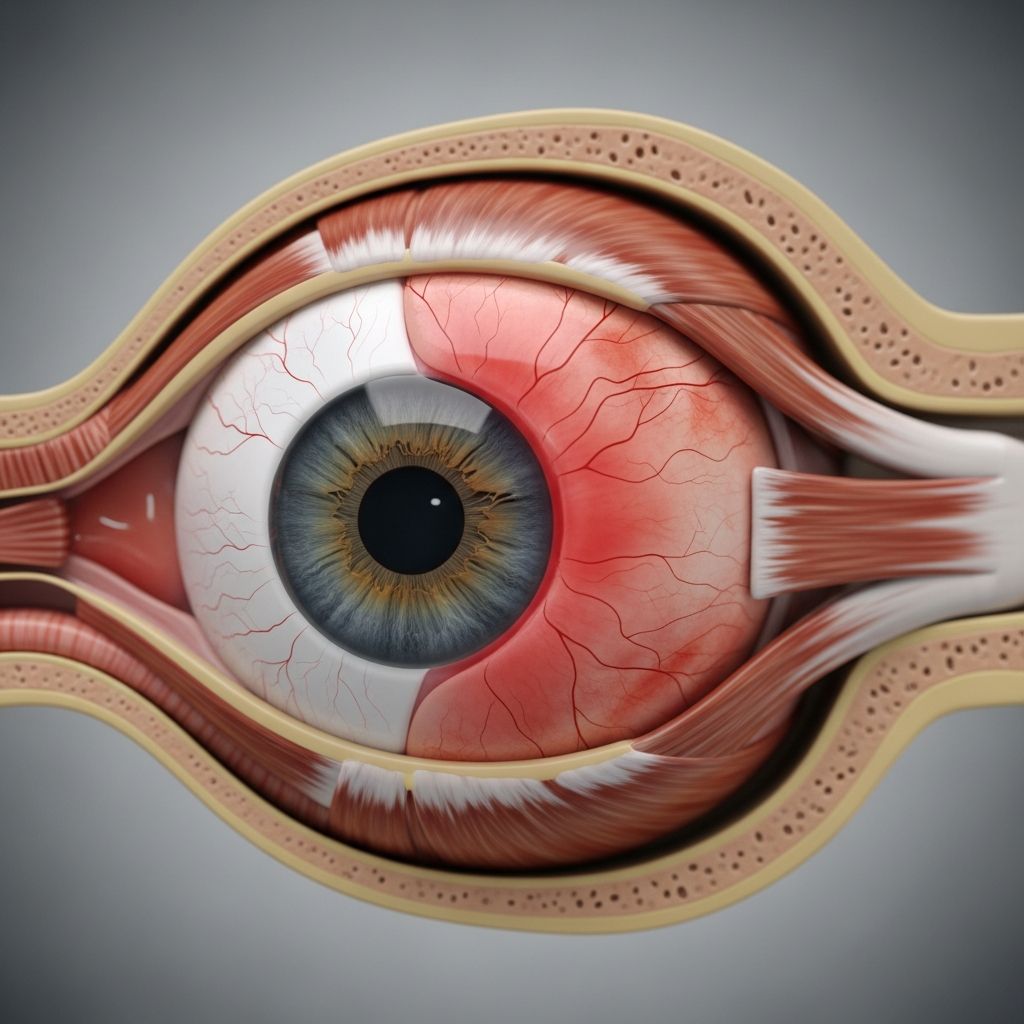
Orbital cellulitis is a serious bacterial infection that affects the soft tissues surrounding the eye within the orbit. This condition occurs behind the orbital septum, a membrane that separates the eyelid from the deeper structures of the eye socket. Unlike periorbital cellulitis, which affects only superficial eyelid tissues, orbital cellulitis involves deeper tissues and represents a medical emergency requiring immediate treatment. If left untreated, this infection can lead to severe complications including vision loss, blindness, or even life-threatening conditions affecting the brain.
The condition is more commonly seen in children than in adults, though it can affect individuals of any age. Understanding the symptoms, causes, and treatment options is crucial for anyone at risk or experiencing signs of this infection. Early recognition and prompt medical intervention can prevent serious complications and preserve vision.
Symptoms and Signs of Orbital Cellulitis
Recognizing the symptoms of orbital cellulitis is essential for seeking timely medical care. The condition typically presents with distinctive signs that affect vision and eye comfort:
- Significant swelling and redness around the affected eye
- Pain in or around the eye, which intensifies when moving the eye
- Reduced or blurred vision
- Double vision (diplopia)
- Difficulty opening the affected eye
- Eye bulging or proptosis
- Fever and general malaise
- Limitation in eye movements
- Loss of color vision or color vision disturbances
- Headache
Patients experiencing any combination of these symptoms should seek immediate medical attention. The severity of symptoms can escalate rapidly, making early intervention critical to prevent vision-threatening complications.
Causes and Risk Factors
Orbital cellulitis typically develops as a complication of underlying bacterial infections or following traumatic injuries. Understanding the common causes helps identify at-risk individuals who should remain vigilant for symptoms.
Primary Causes
Bacterial sinusitis is the most common underlying cause of orbital cellulitis, accounting for the majority of cases. Infections of the paranasal sinuses, particularly the ethmoid sinus, can spread into the orbital tissues through bone erosion or venous drainage pathways. Common bacterial culprits include Streptococcus and Staphylococcus species, which are responsible for most cases of orbital cellulitis.
Risk Factors
Several factors increase an individual’s susceptibility to developing orbital cellulitis:
- Recent or chronic sinus infections (sinusitis)
- Facial trauma or injuries near the eye and nose
- Weakened immune system from illness or immunosuppressive medications
- Recent facial surgery or dental procedures
- Eye injuries or surgical procedures
- Skin infections near the eye area
- Dental infections or poor oral hygiene
- Nasal piercings or facial piercings
- Pre-existing eye conditions
Individuals with compromised immune systems, including those with diabetes, HIV/AIDS, or those undergoing chemotherapy, face heightened risk of developing severe orbital infections.
Diagnosis and Imaging
Accurate diagnosis of orbital cellulitis requires a combination of clinical examination and advanced imaging techniques. Healthcare providers employ multiple diagnostic approaches to confirm the diagnosis and assess the extent of infection.
Related Stories



Clinical Examination
During the initial evaluation, your healthcare provider will perform a thorough physical examination of the affected eye and surrounding area. They will assess for signs of infection, swelling, redness, and limitation of eye movements. The provider will also inquire about your medical history, recent infections, injuries, and any medications you’re taking. Visual acuity testing helps determine if the infection has affected vision.
Imaging Tests
Imaging studies are essential for confirming orbital cellulitis and identifying complications:
- CT Scan (Computed Tomography): Often used as the first imaging modality due to rapid acquisition times and excellent visualization of bone structures. CT scanning is particularly valuable for detecting the extent of infection and identifying any bone involvement or abscess formation.
- MRI (Magnetic Resonance Imaging): Provides superior soft-tissue contrast and is preferred for detecting inflammatory changes and assessing for complications like osteomyelitis. MRI with fat-suppression techniques can clearly visualize lesions and fluid collections within the orbit.
High-resolution MRI with and without contrast is considered the preferred imaging method for most orbital pathology, offering exceptional visualization of soft tissues and the ability to detect purulent collections and inflammatory edema.
Additional Diagnostic Tests
In some cases, healthcare providers may collect samples of infected fluids, such as eye discharge or nasal discharge, to perform bacterial culture tests. These cultures help identify the specific organism responsible for the infection, allowing for targeted antibiotic therapy. Blood cultures may also be obtained if bacteremia is suspected.
Treatment Options
Timely and appropriate medical intervention is vital for treating orbital cellulitis and preventing serious complications. Treatment approaches vary based on the severity of infection and whether complications like abscess formation are present.
Antibiotic Therapy
Intravenous antibiotics form the cornerstone of orbital cellulitis treatment. Broad-spectrum antibiotics are typically initiated immediately, even before culture results are available, to cover the most likely bacterial organisms. The choice of antibiotics may be adjusted based on culture results and sensitivity testing. Patients usually require hospitalization for IV antibiotic administration and close monitoring. The duration of antibiotic therapy typically ranges from 2 to 4 weeks, depending on clinical response and presence of complications.
Supportive Care
Several supportive measures help alleviate symptoms and promote recovery:
- Pain management through prescribed analgesics
- Warm compresses applied to the affected area to reduce discomfort
- Eye drops or artificial tears to maintain ocular moisture
- Elevation of the head to reduce swelling
- Frequent monitoring of vital signs and symptoms
Surgical Intervention
Surgical drainage becomes necessary in severe cases, particularly when imaging reveals abscess formation or when the patient fails to respond to antibiotic therapy within 48 hours. Surgical approaches may include:
- Endoscopic drainage of intraorbital abscess
- Combined endoscopic and external approaches for complex abscess patterns
- Frontal trephine procedures for accessing superolateral abscesses
- Surgical intervention for underlying sinusitis or dental infections
In complicated cases involving calvarial osteomyelitis or epidural collections, prolonged IV antibiotic courses lasting 7 weeks or longer may be necessary. Multidisciplinary surgical teams including ophthalmologists, ENT specialists, and neurosurgeons coordinate complex surgical management.
Complications of Orbital Cellulitis
Without prompt and appropriate treatment, orbital cellulitis can lead to serious and potentially sight-threatening complications:
- Subperiosteal abscess formation
- Cavernous sinus thrombosis, a life-threatening infection of brain blood vessels
- Intracranial abscess
- Osteomyelitis involving orbital bones
- Permanent vision loss or blindness
- Orbital compartment syndrome
- Meningitis
- Septicemia and septic shock
The severity of potential complications underscores the critical importance of early diagnosis and aggressive treatment.
Prevention Strategies
While orbital cellulitis cannot always be prevented, several measures can significantly reduce your risk of developing this serious infection:
- Maintain good facial and personal hygiene to prevent skin infections
- Avoid facial trauma by taking appropriate safety precautions
- Promptly treat sinus infections with appropriate medical care
- Address dental infections and maintain good oral hygiene
- Avoid manipulating or squeezing pimples or skin lesions around the eye
- Practice careful eye hygiene and proper contact lens care
- Avoid facial piercings or ensure they are done in sterile settings
- Seek prompt medical attention for eye injuries or infections
- Keep immunizations current to prevent systemic infections
- Maintain overall health and immune function through proper nutrition and lifestyle
When to Seek Medical Attention
Orbital cellulitis is a medical emergency requiring immediate professional evaluation. Seek emergency medical care if you experience:
- Sudden onset of severe eye swelling and redness
- Severe eye pain, especially with eye movement
- Sudden vision changes or vision loss
- Fever accompanying eye symptoms
- Eye bulging or proptosis
- Inability to move the eye in certain directions
- Severe headache with eye symptoms
- Difficulty opening the eye or closing it completely
Early evaluation can prevent progression to vision-threatening complications.
Orbital Cellulitis vs. Periorbital Cellulitis
| Characteristic | Orbital Cellulitis | Periorbital Cellulitis |
|---|---|---|
| Location | Posterior to orbital septum, deep tissues | Superficial to orbital septum, eyelid tissues |
| Vision Effects | Often affects vision and eye movement | Typically preserves normal vision |
| Severity | More serious, requires hospitalization | Less severe, may be managed as outpatient |
| Primary Cause | Bacterial sinusitis | Skin infections or trauma |
| Complication Risk | High risk of serious complications | Lower complication risk |
Frequently Asked Questions
Q: Is orbital cellulitis contagious?
A: Orbital cellulitis itself is not contagious. However, the underlying bacterial infection causing it may be spread to others through respiratory droplets or direct contact. Standard infection control precautions should be followed, especially during initial hospitalization.
Q: How long does orbital cellulitis treatment take?
A: Treatment typically involves 2 to 4 weeks of intravenous antibiotics, with hospitalization for initial management. In complicated cases involving abscess or osteomyelitis, treatment may extend to 7 weeks or longer. Recovery and follow-up monitoring may continue for several months.
Q: Can orbital cellulitis cause permanent vision loss?
A: Yes, if left untreated or not managed appropriately, orbital cellulitis can cause permanent vision loss or blindness. Early diagnosis and aggressive treatment are crucial to prevent this serious complication.
Q: What bacteria typically cause orbital cellulitis?
A: Streptococcus and Staphylococcus species are the most common bacterial culprits. Occasionally, other gram-negative organisms or anaerobic bacteria may be involved, particularly in cases of dental infections or polymicrobial infections.
Q: Is surgery always necessary for orbital cellulitis?
A: No, orbital cellulitis can often be managed successfully with intravenous antibiotics alone. However, surgical intervention becomes necessary if imaging reveals abscess formation, if there is no clinical improvement within 48 hours of antibiotic therapy, or in cases of complicated infections with bone involvement.
Q: How is orbital cellulitis different from a stye?
A: A stye is a small, localized infection of an eyelid gland, while orbital cellulitis is a serious infection of the deeper tissues surrounding the eye. Orbital cellulitis causes more severe swelling, vision changes, and fever, and requires immediate medical attention.
Q: Can children recover completely from orbital cellulitis?
A: Yes, with appropriate and timely treatment, children can recover completely from orbital cellulitis. However, close follow-up monitoring and multidisciplinary care are essential to ensure complete resolution and prevent recurrence or complications.
References
- Periorbital and Orbital Cellulitis — BMJ Best Practice. 2024. https://bestpractice.bmj.com/topics/en-us/734
- A Rare Case of Orbital Cellulitis with Progressive Calvarial Osteomyelitis — National Center for Biotechnology Information (NIH). 2021. https://pmc.ncbi.nlm.nih.gov/articles/PMC8404617/
- Periorbital and Orbital Cellulitis — Epocrates Online. 2024. https://www.epocrates.com/online/diseases/734/periorbital-and-orbital-cellulitis
- Orbital Fungal Infection: Complex Case Exhibits Keys to Diagnosis and Treatment — Cleveland Clinic. 2022. https://consultqd.clevelandclinic.org/orbital-fungal-infection-complex-case-exhibits-keys-to-diagnosis-and-treatment
- Periorbital (Preseptal) Cellulitis — Cleveland Clinic. 2024. https://my.clevelandclinic.org/health/diseases/23566-periorbital-cellulitis
- Cellulitis: Symptoms, Causes, and Treatments — WebMD. 2024. https://www.webmd.com/skin-problems-and-treatments/cellulitis
Similar Articles








Read full bio of medha deb