Orbital Fractures: 6 Key Signs, Diagnosis & Treatment
Discover the causes, symptoms, diagnosis, and recovery strategies for orbital fractures to protect your vision and eye function effectively.
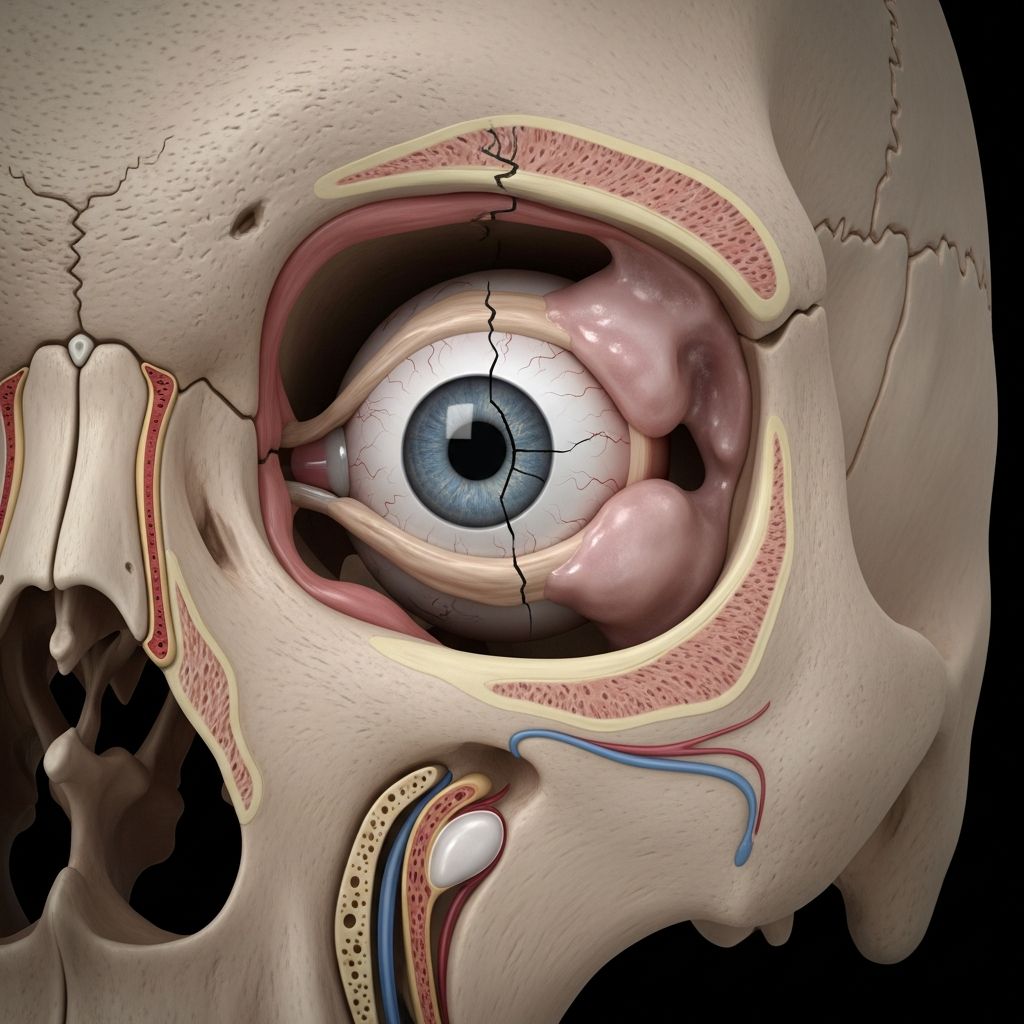
Orbital fractures occur when the delicate bones encasing the eye sustain damage from impact, potentially disrupting eye function and appearance. These injuries demand prompt attention to safeguard vision and facial symmetry.
The Anatomy of the Eye Socket
The orbit forms a protective bony cavity housing the eyeball, extraocular muscles, optic nerve, fat, and blood vessels. Composed of seven bones, including the maxilla, zygoma, and sphenoid, its walls vary in thickness—the floor and medial wall being thinnest and most prone to fracture.
This structure maintains eye position and movement. A fracture can alter volume or trap tissues, leading to misalignment or restricted motion. Understanding this anatomy clarifies why even minor breaks can cause significant issues.
Primary Causes of Orbital Damage
Blunt force trauma most often triggers these fractures. Common scenarios include:
- Assaults or punches to the face
- Sports mishaps, such as baseball or cricket impacts
- Motor vehicle collisions
- Falls, particularly in older adults or children
- Accidental blows from objects
The thin orbital floor frequently shatters first, allowing contents to herniate into adjacent sinuses.
Recognizing Key Warning Signs
Symptoms arise from bone displacement, tissue entrapment, swelling, or nerve involvement. Initial signs often mimic softer tissue injuries but persist or worsen without intervention.
| Symptom | Description | Potential Cause |
|---|---|---|
| Pain | Sharp discomfort around the eye, intensified by movement | Bone fragments, inflammation |
| Swelling & Bruising | "Black eye" with periorbital discoloration | Bleeding, soft tissue trauma |
| Double Vision (Diplopia) | Images split, especially in upgaze or sidegaze | Muscle entrapment or swelling |
| Numbness | Sensation loss in cheek, upper lip, or forehead | Infraorbital nerve damage |
| Eye Position Changes | Sunken (enophthalmos) or protruding globe | Volume increase or herniation |
| Movement Restriction | Limited eye tracking in specific directions | Tissue trapping |
Children may show unique signs like oculocardiac reflex—nausea or bradycardia from entrapment—necessitating urgent care.
Immediate Steps After Suspected Injury
Apply ice packs to curb swelling, avoid nose blowing to prevent gas emphysema, and refrain from straining. Seek emergency care for vision loss, severe pain, or gaze restriction.
Non-urgent cases with lingering diplopia or asymmetry warrant ophthalmology consultation within days.
Diagnostic Approaches
Clinicians start with visual acuity, pupil response, and motility exams to detect entrapment patterns. CT scans provide detailed 3D views of fracture extent, tissue involvement, and sinus intrusion—gold standard for planning.
Plain X-rays suffice rarely; MRI aids soft tissue assessment but is less routine.
Treatment Pathways
Management hinges on fracture size, symptoms, and complications:
- Conservative Care: Small, non-displaced fractures heal with rest, ice, antibiotics (if sinus breach), and head elevation. Swelling resolves in 1-2 weeks.
- Surgical Repair: Indicated for entrapment, diplopia persisting >2 weeks, defects >50% floor area, or enophthalmos >2mm. Titanium mesh or grafts reconstruct the orbit.
Surgery timing: emergent for pediatric entrapment; 7-14 days for adults to allow swelling subsidence.
Navigating the Recovery Phase
Post-treatment, expect bruising fade in 10-14 days, full healing in 4-6 weeks. Guidelines include:
- Avoid contact sports for 6-8 weeks
- Use protective eyewear long-term
- Follow-up motility and vision checks
Pain meds, nasal decongestants, and eye lubrication aid comfort. Most regain normal function, though mild numbness may linger.
Related Stories



Potential Long-Term Complications
Untreated or severe cases risk:
- Chronic diplopia
- Persistent enophthalmos
- Infection from sinus communication
- Vision impairment from optic neuropathy
- Eyelid malposition causing exposure
Early specialist input minimizes these.
Special Considerations for Vulnerable Groups
Pediatric Cases
Young bones are flexible, but entrapment demands swift surgery to avert motility deficits or reflex issues.
Elderly Patients
Thinner bones and comorbidities elevate complication rates; conservative approaches preferred when feasible.
Preventive Measures for Active Lifestyles
- Wear sports goggles in high-risk activities
- Secure vehicle restraints
- Promote fall-proof home environments
These reduce incidence significantly.
Frequently Asked Questions
Will my double vision resolve without surgery?
Often yes, if from swelling; persistent cases signal mechanical issues needing repair.
How long until I look normal again?
Bruising subsides in 2 weeks; surgical scars fade over months.
Can orbital fractures affect sinuses?
Yes, floor breaches allow herniation, risking infection—antibiotics may be prescribed.
Is numbness permanent?
Usually improves over months; severe nerve transection may leave residuals.
When is surgery urgent?
For vision threat, entrapment with pain/nausea, especially in children.
Conclusion
Orbital fractures blend orthopedic and ophthalmologic challenges, but timely diagnosis and tailored treatment restore most patients fully. Consult eye trauma experts promptly for optimal outcomes.
References
- Orbital Fracture: Symptoms, Treatment & Recovery — A. Rabinovich, Eye Plastics NY. 2023. https://eyeplasticsny.com/orbital-fracture-symptoms-treatment-recovery/
- Signs and Symptoms of Orbital Fractures — Dr. D. Daneshrad, Leading ENT in Torrance. 2023. https://www.drdaneshrad.com/articles/signs-and-symptoms-of-orbital-fractures
- Orbital Fractures — University Hospitals Sussex NHS Foundation Trust (.gov equivalent NHS). 2024-02-01. https://www.uhsussex.nhs.uk/resources/orbital-fractures-2/
- Orbital Fractures Fact Sheet — Agency for Clinical Innovation, NSW Health (.gov). 2023-05-15. https://aci.health.nsw.gov.au/networks/eci/clinical/ed-factsheets/orbital-fractures
- A Blow to the Eye: Ocular and Orbital Trauma — Mayo Clinic (.edu equivalent academic medical). 2022-10-20. https://www.mayoclinic.org/medical-professionals/trauma/news/a-blow-to-the-eye-ocular-and-orbital-trauma/mac-20429287
- Orbital Fractures: Causes, Symptoms & Treatment — Cleveland Clinic (.edu). 2024-01-10. https://my.clevelandclinic.org/health/diseases/25075-orbital-fractures
Similar Articles








Read full bio of Sneha Tete