Oregano Benefits: 9 Science-Backed Ways It Boosts Health
Discover the remarkable health benefits of oregano, from its potent antioxidants and antimicrobial properties to potential support for immunity, digestion, and more.
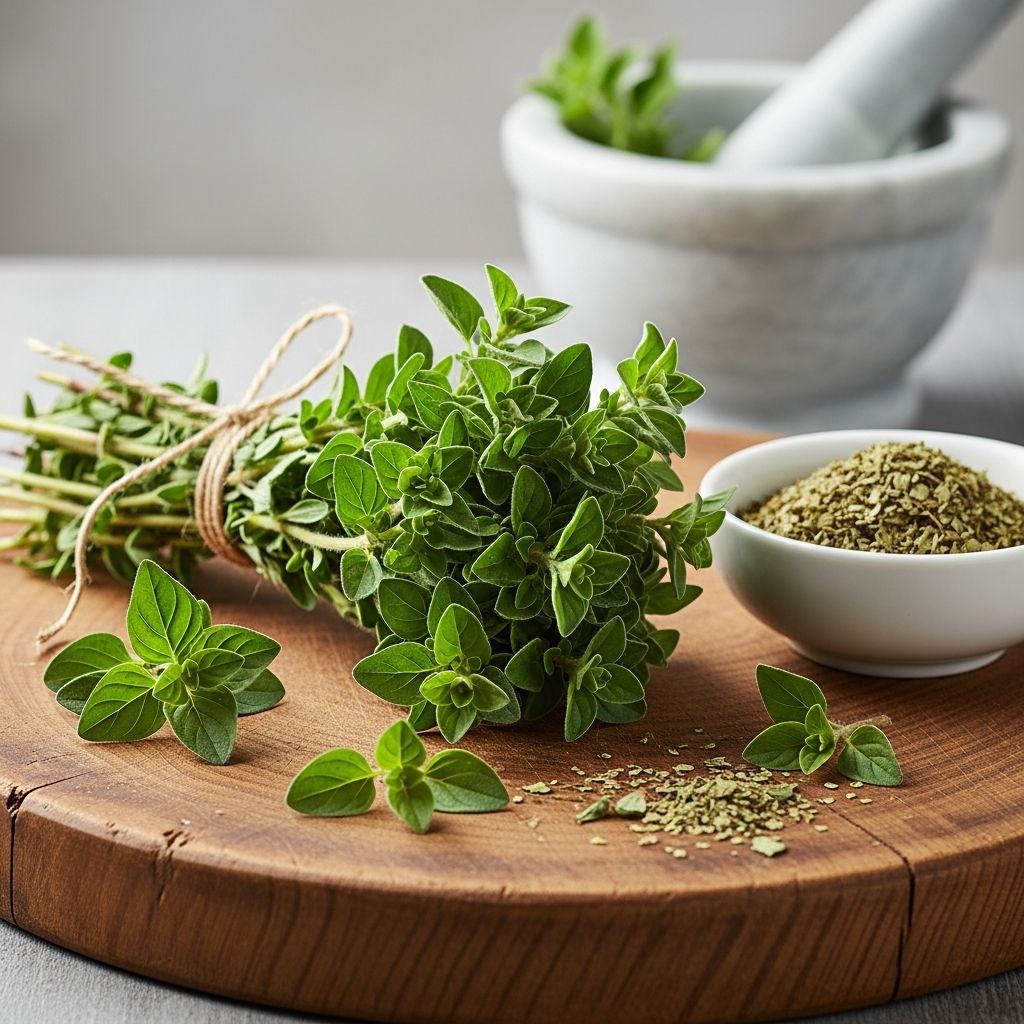
Oregano, a staple in Mediterranean cuisine, is more than just a flavorful herb. Packed with potent compounds like carvacrol and thymol, it offers impressive health benefits ranging from antimicrobial action to antioxidant protection. While much research focuses on oregano essential oil and extracts, the fresh and dried forms contribute similar advantages through regular dietary use.
What Is Oregano?
Oregano (Origanum vulgare) is a perennial herb native to the Mediterranean region, belonging to the Lamiaceae family alongside basil, mint, and thyme. Its name derives from Greek words meaning “joy of the mountain,” reflecting its historical use in ancient Greek and Roman medicine for treating respiratory issues, digestive problems, and infections.
Today, oregano is widely cultivated worldwide and used fresh, dried, or as an essential oil. The essential oil, distilled from leaves and stems, is highly concentrated in bioactive terpenes like carvacrol (up to 80%) and thymol, responsible for most studied benefits. Fresh oregano provides vitamins, minerals, and chlorophyll, while dried versions retain concentrated antioxidants.
Oregano Nutrition Facts
A single teaspoon of dried oregano delivers a nutrient punch disproportionate to its size. Key nutrients include:
- Vitamin K: 83 mcg (69% DV), essential for blood clotting and bone health.
- Vitamin A: Supports vision and immunity.
- Vitamin C and E: Antioxidants for immune function and skin health.
- Manganese: 0.1 mg (6% DV), aids metabolism and bone formation.
- Iron, calcium, potassium: Trace amounts for oxygen transport, bones, and heart health.
Chlorophyll in fresh oregano may regenerate CoQ10 when combined with sunlight exposure, supporting cellular energy. Phenolic compounds and flavonoids further enhance its profile, contributing to anti-inflammatory effects.
1. Rich in Antioxidants
Oregano ranks among the highest antioxidant-rich herbs. Test-tube studies show it outperforms many fruits and vegetables in neutralizing free radicals, which damage cells and contribute to chronic diseases like cancer and heart disease.
Carvacrol and thymol are primary antioxidants, preventing lipid peroxidation and DNA damage. Oregano extracts exhibit radical scavenging, inhibit nitric oxide, and protect against H2O2-induced oxidation. Regular intake may lower oxidative stress, promoting longevity and disease prevention.
2. May Help Lower Cholesterol
Oregano supports heart health by influencing lipid profiles. A study of 48 participants taking oregano oil post-meals showed significant LDL (bad) cholesterol reduction, a key factor in atherosclerosis.
Animal studies confirm carvacrol reduces total cholesterol and triglycerides while boosting HDL (good) cholesterol. These effects stem from antioxidant protection against LDL oxidation and improved bile acid excretion.
3. Potent Antimicrobial Properties
Oregano combats bacteria, viruses, fungi, and parasites effectively. Its essential oil inhibits antibiotic-resistant strains, making it valuable against multidrug-resistant bacteria.
- Antibacterial: Outperforms other oils in hindering growth; treats SIBO.
- Antiviral: Carvacrol reduces norovirus infectivity and blocks HIV cell entry.
- Antifungal: Fights candida yeast infections.
Related Stories



These properties protect the gut, lungs, skin, and more from pathogens.
4. Could Have Anti-Cancer Properties
Preliminary research suggests oregano may inhibit cancer cell growth. Test-tube studies show extracts stop colon cancer proliferation and induce cell death.
Antioxidants like carvacrol and flavonoids exhibit antitumor effects, reducing inflammation-linked carcinogenesis. Epidemiological links tie oregano phenolics to lower chronic disease risk. Human trials are needed, but promise exists for prevention.
5. May Help Prevent Inflammation
Chronic inflammation underlies heart disease, diabetes, and autoimmunity. Oregano’s carvacrol reduces swelling by 57% in animal models and lowers markers like IL-6 and iNOS in cell studies.
Extracts from species like O. onites inhibit pro-inflammatory cytokines by 19-49%. A 2020 study confirmed anti-inflammatory activity in human skin cells. These effects position oregano as a natural anti-inflammatory aid.
6. Good for Gut Health
Oregano promotes digestive wellness by alleviating cramps, bloating, IBS, and dysbiosis. Carvacrol targets harmful gut bacteria while sparing beneficial flora.
Traditionally used for indigestion and diarrhea, modern studies support its role in SIBO treatment. Flavonoids soothe gut inflammation.
7. May Aid Blood Sugar Control
Oregano may benefit diabetes management. A 2015 mouse study showed extracts improved type 1 diabetes via antioxidants, immune modulation, and anti-cell death effects.
Carvacrol enhances insulin sensitivity and reduces glucose spikes in preliminary research. Folk use for high blood sugar aligns with these findings.
8. Possible Pain Relief
Anti-inflammatory compounds provide analgesic potential. Animal studies demonstrate carvacrol’s paw edema reduction, suggesting use for arthritis or muscle pain.
Historical applications for rheumatism and headaches support this, though human evidence is emerging.
9. Respiratory Support
Folk medicine employs oregano for coughs, bronchitis, and asthma. Antimicrobial and anti-inflammatory actions clear respiratory pathogens and reduce mucus inflammation.
How to Use Oregano
Incorporate oregano daily for benefits:
- Culinary: Add 1-2 tsp dried to sauces, meats, salads, soups. Fresh leaves in pesto or marinades.
- Tea: Steep 1 tsp dried in hot water for digestion or immunity.
- Oil: Dilute essential oil (1-2 drops in carrier) for topical use; ingest under guidance.
- Supplements: 100-200 mg capsules standardized to carvacrol.
| Form | Best For | Dosage Suggestion |
|---|---|---|
| Fresh/Dried Herb | Daily antioxidants, flavor | 1-2 tsp/day |
| Essential Oil | Antimicrobial, topical | 1 drop diluted |
| Extract/Capsule | Targeted benefits | 100-500 mg/day |
Oregano Oil Benefits and Risks
Oregano oil amplifies benefits but requires caution. Benefits mirror the herb but concentrated: antibacterial for infections, antifungal for candida.
Risks: Skin irritation if undiluted; avoid in pregnancy, with blood thinners, or allergies. Consult a doctor for internal use.
Side Effects and Precautions
- Allergies: Rare, but Lamiaceae-sensitive individuals beware.
- Drug Interactions: May enhance blood sugar or anticoagulant meds.
- GI Upset: High doses cause heartburn.
- Safe in food amounts; therapeutic doses professional-supervised.
Frequently Asked Questions (FAQs)
Is oregano oil safe to ingest?
Yes, in small, diluted amounts under guidance. Start low to assess tolerance.
Can oregano fight antibiotic-resistant bacteria?
Lab studies show yes, against strains like MRSA.
How much oregano should I eat daily?
1-2 teaspoons dried provides benefits without excess.
Does oregano help with weight loss?
Indirectly via metabolism and inflammation reduction; no direct evidence.
Is wild oregano better than Mediterranean?
Wild varieties often higher in carvacrol, but both effective.
References
- Why Is Oregano so Good for You? Exploring its Health Benefits & Uses — Food Revolution Network. 2023. https://foodrevolution.org/blog/oregano-health-benefits/
- 6 Science-Based Health Benefits of Oregano — Healthline. 2023-05-25. https://www.healthline.com/nutrition/6-oregano-benefits
- Flavonoids and Phenolic Acids from Oregano — PubMed Central (PMC). 2018-03-25. https://pmc.ncbi.nlm.nih.gov/articles/PMC5874591/
- Oregano: Health benefits, uses, and side effects — Medical News Today. 2023. https://www.medicalnewstoday.com/articles/266259
- Oregano Oil: Is It Good for You? — WebMD. 2023. https://www.webmd.com/diet/oregano-oil-good-for-you
- Essential Oils of Oregano: Biological Activity beyond Their Antimicrobial Properties — PubMed Central (PMC). 2018-09-29. https://pmc.ncbi.nlm.nih.gov/articles/PMC6152729/
- Oregano — McCormick Science Institute. 2010. https://www.mccormickscienceinstitute.com/content/msi/assets/Singeltary%20Nutr%20Today%2045,129,2010.pdf
Similar Articles








Read full bio of Sneha Tete