Organic Produce Safety: Expert Insights On Risks And Benefits
Is organic produce safer from pesticides and pathogens than conventional? Experts break down the facts on food safety risks and benefits.
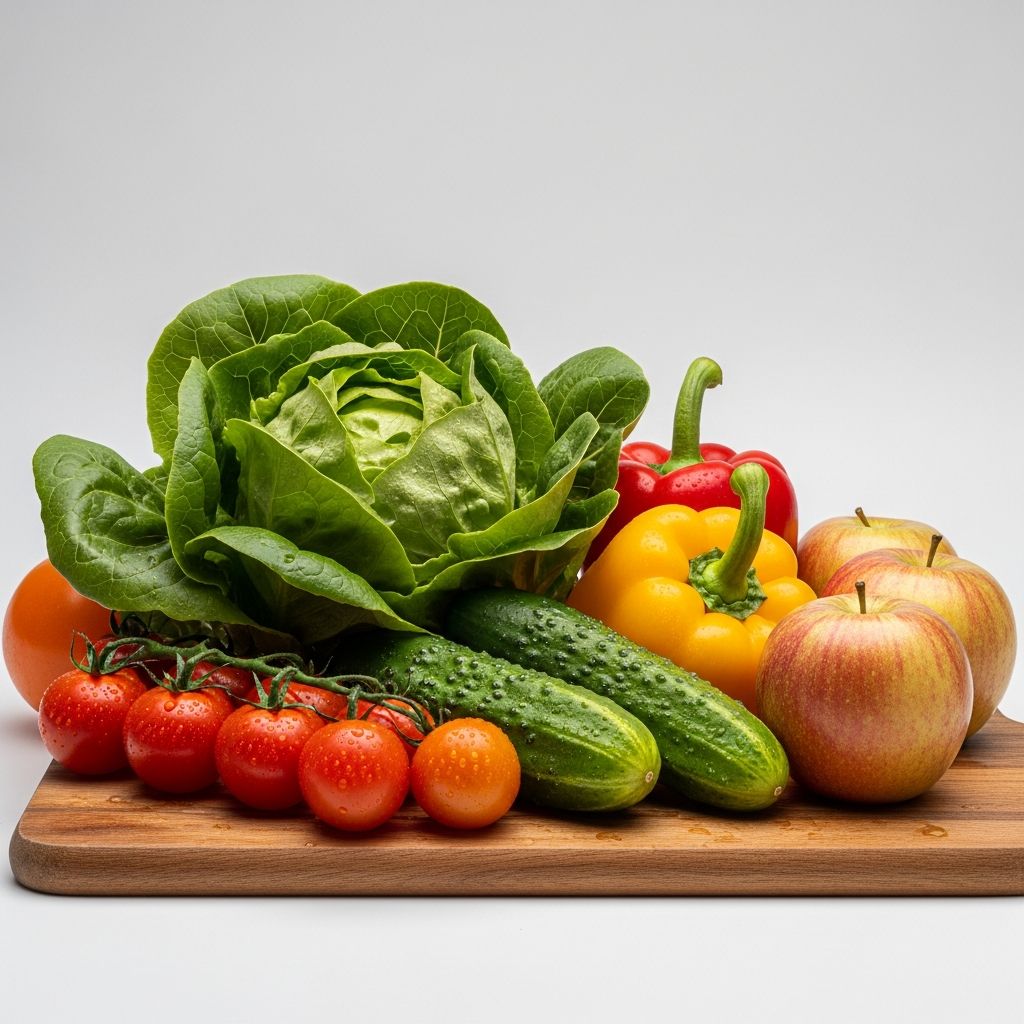
Organic produce is often chosen for lower pesticide exposure and environmental benefits, but it does not guarantee protection against foodborne illnesses like E. coli or salmonella, which can affect both organic and conventional foods equally.
What Does ‘Organic’ Mean?
The USDA organic label requires crops to be grown without prohibited synthetic pesticides, genetically modified organisms (GMOs), or sewage sludge, and livestock must receive 100% organic feed without hormones or antibiotics. Organic certification focuses on sustainable farming practices rather than food safety from pathogens, as federal standards do not explicitly address microbial risks.
USDA spokeswoman Soo Kim notes, ‘Organic certification doesn’t preclude operations from meeting FDA and EPA food safety requirements,’ emphasizing that all U.S. food must adhere to the same baseline safety standards regardless of organic status.
Organic Produce and Foodborne Illness Risk
Scientific studies show no significant difference in pathogen prevalence between organic and conventional produce. A 2006 Journal of Food Science study found comparable E. coli levels, and a 2009 Kansas State University study reported similar results in cattle. Experts like David Lineback from the Joint Institute for Food Safety and Applied Nutrition state, ‘The science doesn’t show a difference’ in foodborne illness risk.
Organic foods have been linked to major outbreaks, including a 2011 German E. coli incident from organic sprouts killing 50 and sickening over 4,300, and a 2010 U.S. salmonella outbreak from Illinois organic sprouts affecting 140 people across 26 states. These cases highlight that manure-based fertilizers common in organic farming can harbor pathogens if not properly composted.
Pesticide Residues: A Key Difference
Organic produce significantly reduces pesticide exposure compared to conventional. Consumer Reports analysis of 62 foods found that domestically grown organic versions had low or very low pesticide risk for nearly all, versus high risks in 20% of conventional produce like strawberries, blueberries, and green beans. Mayo Clinic confirms organic foods expose consumers to less pesticide residue overall.
Organic farms restrict pesticides to natural, low-risk options approved by the USDA National Organic Program, usable only after other methods like crop rotation fail. Switching to organic quickly lowers dietary pesticide intake, benefiting vulnerable groups like pregnant people and children. A PMC review links reduced organophosphate pesticide exposure from organics to lower preeclampsia risk via anti-inflammatory effects.
| Produce Type | Conventional Risk Level | Organic Risk Level |
|---|---|---|
| Strawberries | Very High | Low |
| Blueberries | High | Very Low |
| Green Beans | Very High (acephate detected) | Low |
| Bell Peppers | High | Low |
| Spinach | Moderate | Moderate |
Table based on Consumer Reports 2023-2024 pesticide analysis; high-risk conventional produce often from imports.
Manure and Composting in Organic Farming
Organic standards require composted manure to reach 1316F for 3-15 days to kill pathogens, potentially reducing risks if followed. Farms like Clagett Farm report lower risks due to strict composting and direct buyer relationships, but experts caution that consumer trust in ‘knowing the farmer’ lacks scientific backing.
Nutrition: Comparable Between Organic and Conventional
Organic produce is nutritionally similar to conventional. A 2010 American Journal of Clinical Nutrition review of 50 years of studies found no meaningful differences. Mayo Clinic prioritizes eating recommended fruits and vegetables over organic choice for overall health.
Health Benefits of Choosing Organic
While not safer from pathogens, organic lowers pesticide-related risks. High organic intake correlates with fewer non-Hodgkin lymphoma cases, and pregnant people may avoid fetal development issues. Organic farming also protects farmworkers and communities from pesticide drift. Harvard report outlines evidence for organic’s health impacts via reduced chemical exposure.
Related Stories



How to Safely Wash Produce
Proper washing reduces risks for all produce. Rinse under running water, rubbing firm items and soaking leafy greens in vinegar-water (1 part vinegar to 3 parts water) for 30 seconds. Avoid soap; dry with a clean towel. Wash even if peeling, as contaminants can spread.
- Fruits: Apples, berries 6 rub under water, no soaking needed for intact skins.
- Vegetables: Lettuce 6 separate leaves, soak and rinse.
- Root veggies: Carrots, potatoes 6 scrub with brush.
When to Choose Organic: The Dirty Dozen and Clean Fifteen
Prioritize organic for high-pesticide items (e.g., strawberries, spinach) and conventional for low-risk ones (e.g., avocados, sweet corn) to balance cost and safety. Consumer Reports recommends organic for children and pregnant individuals on high-risk produce.
Cost Considerations
Organic costs more, but targeted purchases maximize benefits. Focus on the ‘handful of greatest pesticide risk’ items.
Frequently Asked Questions (FAQs)
Is organic produce safer from foodborne illness?
No, studies show equal pathogen risks like E. coli in organic and conventional.
Does organic have fewer pesticides?
Yes, organic sharply reduces residue exposure, especially domestically grown.
Is organic food more nutritious?
No significant nutritional differences per long-term reviews.
Should pregnant people eat organic?
Yes, to minimize pesticide links to complications.
How do I wash produce safely?
Use running water or vinegar soak; always dry thoroughly.
Expert Advice on Produce Safety
Experts urge eating more produce regardless of type, with washing as the top defense. David Lineback warns against over-relying on organic for safety. Consumer Reports’ Michael Rogers stresses origin checks for imports.
In summary, organic excels in pesticide reduction but matches conventional pathogen risks. Combine washing, targeted organics, and diverse intake for optimal safety.
References
- Organic food no guarantee against foodborne illness 6 Center for Public Integrity. 2012-07-20. https://publicintegrity.org/health/organic-food-no-guarantee-against-foodborne-illness/
- Produce Without Pesticides 6 Consumer Reports. 2024-05-15. https://www.consumerreports.org/health/food-contaminants/produce-without-pesticides-a5260230325/
- Organic foods: Are they safer? More nutritious? 6 Mayo Clinic. 2023-11-01. https://www.mayoclinic.org/healthy-lifestyle/nutrition-and-healthy-eating/in-depth/organic-food/art-20043880
- A Comprehensive Analysis of Organic Food: Evaluating Nutritional… 6 PMC/NCBI. 2024-01-15. https://pmc.ncbi.nlm.nih.gov/articles/PMC10814746/
- Is Organic Food Really Better? 6 Santiam Hospital. 2023-08-10. https://santiamhospital.org/is-organic-food-really-better/
Similar Articles








Read full bio of Sneha Tete