Organic Vs. Inorganic Foods: Facts, Risks, And Buying Guide
Unpacking the myths and facts: Is organic food truly healthier, safer, and worth the extra cost compared to conventional options?
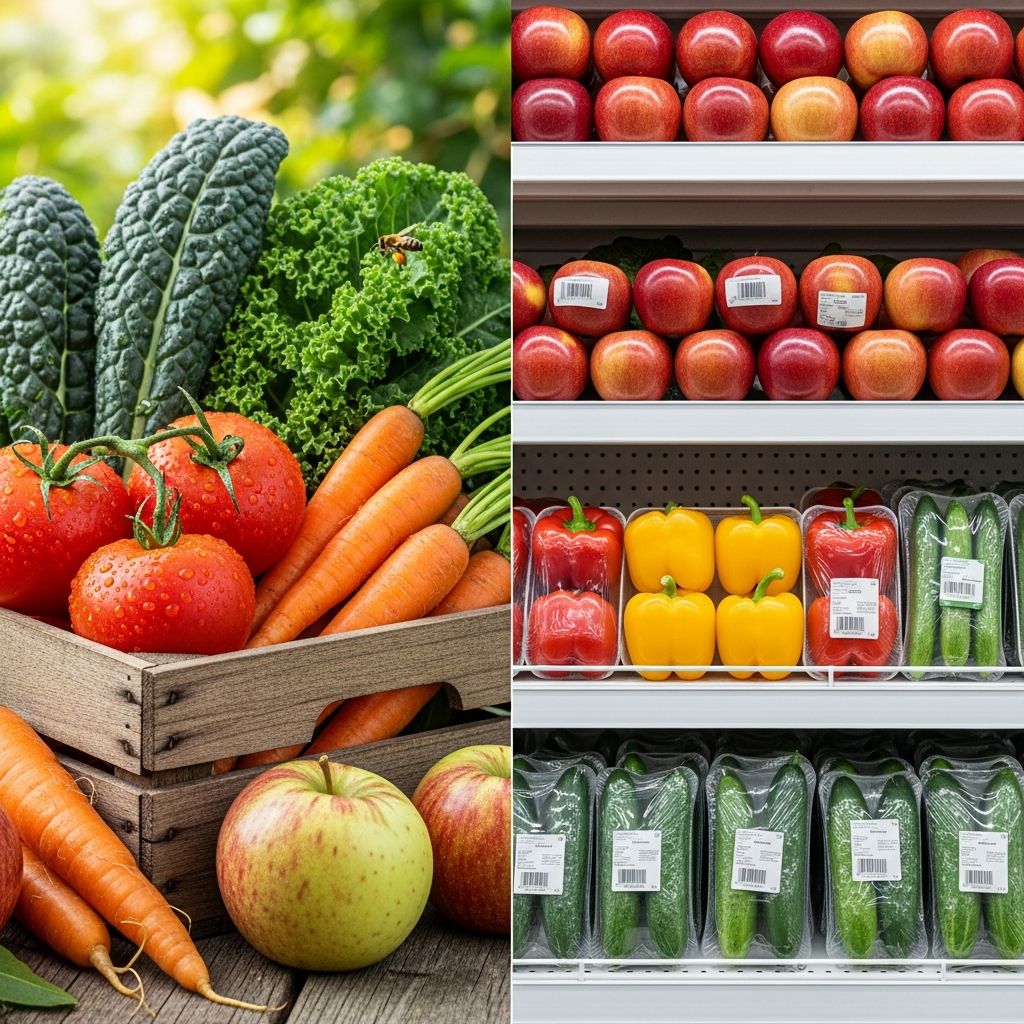
Organic and inorganic (often called conventional) foods dominate grocery aisles, sparking endless debates about health, nutrition, and value. Organic foods are grown without synthetic pesticides, fertilizers, or GMOs, while inorganic foods use these to boost yield and resist pests. But do these differences translate to superior health benefits? Scientific reviews show mixed results: organics may offer slightly higher antioxidants and lower pesticide residues, but evidence for broad health superiority is limited.
What Does ‘Organic’ Mean?
The term “organic” refers to foods produced using farming methods that maintain soil health, avoid synthetic inputs, and promote biodiversity. In the U.S., the USDA regulates organic certification, requiring at least 95% organic ingredients for the seal. This excludes synthetic pesticides, petroleum-based fertilizers, sewage sludge, irradiation, and genetic engineering.
- Crops: Grown with natural fertilizers like compost; pest control via crop rotation, beneficial insects, or approved natural substances.
- Livestock: Animals fed organic feed, given access to outdoors, and treated without antibiotics or growth hormones.
- Processed foods: Must contain mostly organic ingredients, with no artificial preservatives.
Organic standards aim to minimize environmental harm and chemical exposure, but production yields are often 20-25% lower, driving up costs.
Organic vs. Inorganic: Key Differences
Inorganic farming relies on synthetic chemicals for efficiency. Pesticides kill pests, fertilizers enhance growth, and GMOs improve resilience. These methods increase food abundance and affordability but raise concerns about residues and sustainability.
| Aspect | Organic | Inorganic (Conventional) |
|---|---|---|
| Pesticides | Natural or none; 30% lower residue risk | Synthetic; regulated but detectable |
| Fertilizers | Manure, compost | Synthetic nitrogen-based |
| GMOs | Prohibited | Common in corn, soy |
| Antibiotics/Hormones | Banned in livestock | Used in some animal farming |
| Yield/Cost | Lower yield; 20-50% more expensive | Higher yield; cheaper |
Nutritional Differences: Fact or Fiction?
Do organics pack more nutrients? A Stanford meta-analysis of 240 studies found no significant differences in most vitamins, minerals, protein, or fat. Organic produce had slightly more phosphorus, but deficiencies are rare. Organic milk showed higher omega-3s in limited studies.
Some research suggests advantages: A review noted organics have up to 58% more antioxidants and 52% more vitamin C in berries and corn, as plants produce more defenses without synthetic pesticides. Another found higher phenols and carotenoids. However, variations stem from soil, harvest timing, and variety—not just farming method. Observational data links higher veggie intake (often organic) to better nutrient status, not organics per se.
- Antioxidants: Potentially 19-69% higher in organics.
- Vitamins/Minerals: Mixed; slight edges in vitamin C, iron, zinc possible.
- Fats/Proteins: Comparable; organic dairy may have better fatty acid profiles.
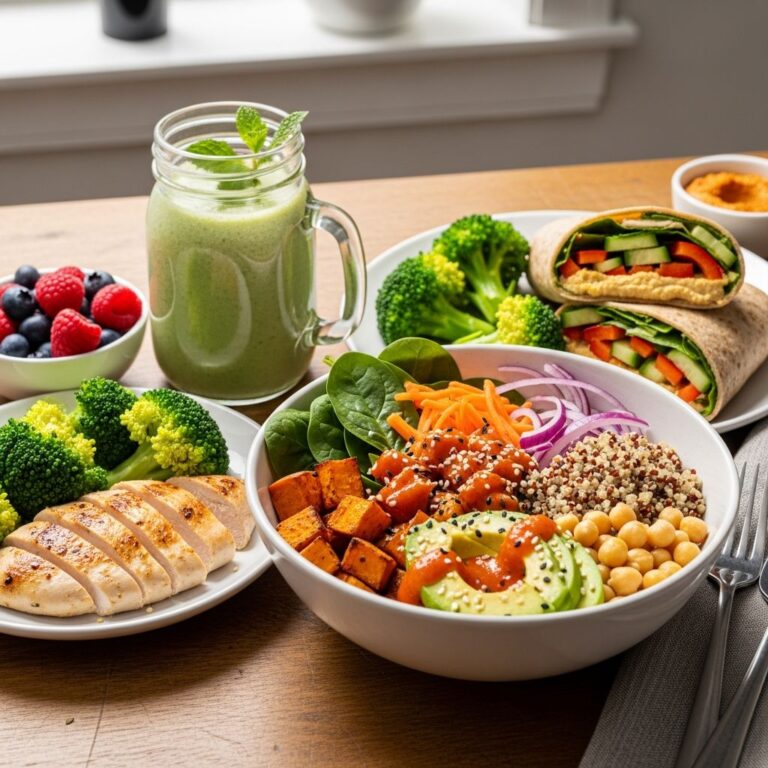
Bottom line: Nutritional edges are small and inconsistent. Eating more fruits/veggies matters more than organic label.
Pesticide Exposure and Safety
Organics appeal for fewer chemicals. Studies confirm: Organic produce has 48% less cadmium (toxic metal) and 4x lower pesticide detection. Conventional foods show residues in 30% more samples, but 99%+ fall below EPA safety limits (set at 1/100th toxic dose).
Switching to organic cuts urinary pesticide markers dramatically, reducing exposure. Risks? Chronic low-level exposure links to neurodevelopmental issues, but human evidence is inconclusive. Antibiotic-resistant bacteria are rarer in organic meat. Mayo Clinic notes organics expose consumers to less residue overall.
Related Stories



Health Outcomes: Does Organic Make You Healthier?
Large studies yield nuance. A UK analysis of 623,000 women found no cancer risk difference between organic and conventional eaters. Older data hints at lower allergy/eczema rates in organic-fed kids.
Animal/lab studies show benefits: Organic diets improved immunity, reproduction in rodents; higher antioxidants protected cells. Human trials are scarce; one blood analysis found better nutrient profiles (carotenoids, polyphenols) in high-organic consumers, potentially aiding metabolism.
Harvard experts: No reliable proof organics are more nutritious or safer long-term. Stanford: Little clinical significance.
Environmental and Animal Welfare Impacts
Organics shine here. They promote soil health, reduce water pollution from runoff, and boost biodiversity. No synthetic inputs mean less contamination. Conventional farming contributes to erosion and eutrophication.
Animal welfare: Organic livestock roam freely, avoiding hormones/antibiotics, improving meat quality.
Cost and Accessibility
Organics cost more due to labor-intensive methods. A gallon of organic milk? 50-100% pricier. Prioritize: Dirty Dozen (high-residue produce like strawberries) for organic; Clean Fifteen (low-residue like avocados) for conventional savings.
What to Buy Organic (and What Not To)
- Always Organic: Strawberries, spinach, kale, apples, grapes (high pesticides).
- Conventional OK: Avocados, sweet corn, pineapples, onions, papaya (thick skins/low residues).
- Meat/Dairy: Organic if budget allows, for fewer antibiotics.
Frequently Asked Questions (FAQs)
Are organic foods more nutritious?
Studies show minor advantages in antioxidants, but no major differences in vitamins/minerals. Focus on variety/quantity.
Do inorganic foods cause cancer?
No strong evidence; residues are below safe limits. Large cohort studies show no increased risk.
Is washing remove pesticides?
It reduces but doesn’t eliminate. Peeling/thick skins help more.
Can I trust the organic label?
USDA certification ensures standards; look for the seal.
Is organic better for the planet?
Yes, via sustainable practices and less pollution.
The Bottom Line
Organic foods offer lower pesticide exposure and environmental perks but lack proven superior health benefits over inorganic options. Choose based on budget, values, and priorities—more plants always win. (Word count: 1678)
References
- Organic vs. Inorganic Foods: Are there health benefits — Slideshare/Diana Giorgio. 2019-01-01. https://www.slideshare.net/slideshow/organic-vs-inorganic-foods-are-there-health-benefits-associated-with-inorganic-products/194503809
- What Is Organic Food, and Is It Better Than Non-Organic Food? — Healthline. 2023-10-01. https://www.healthline.com/nutrition/what-is-organic-food
- Little evidence of health benefits from organic foods, study finds — Stanford Medicine. 2012-09-04. https://med.stanford.edu/news/all-news/2012/09/little-evidence-of-health-benefits-from-organic-foods-study-finds.html
- Is organic better? — Harvard Gazette. 2023-09-01. https://news.harvard.edu/gazette/story/2023/09/is-organic-better/
- Is Organic Food Actually Better For You? — Allara Health. 2024-01-01. https://www.allarahealth.com/blog/is-organic-food-better-for-you
- A Comprehensive Analysis of Organic Food: Evaluating Nutritional — PMC/NCBI. 2024-01-15. https://pmc.ncbi.nlm.nih.gov/articles/PMC10814746/
- Organic foods: Are they safer? More nutritious? — Mayo Clinic. 2024-05-01. https://www.mayoclinic.org/healthy-lifestyle/nutrition-and-healthy-eating/in-depth/organic-food/art-20043880
Similar Articles








Read full bio of medha deb