Organs in the Body: Definition and Anatomy
Explore the specialized structures that make your body function: organs, their roles, and how they work together.
What Are Organs?
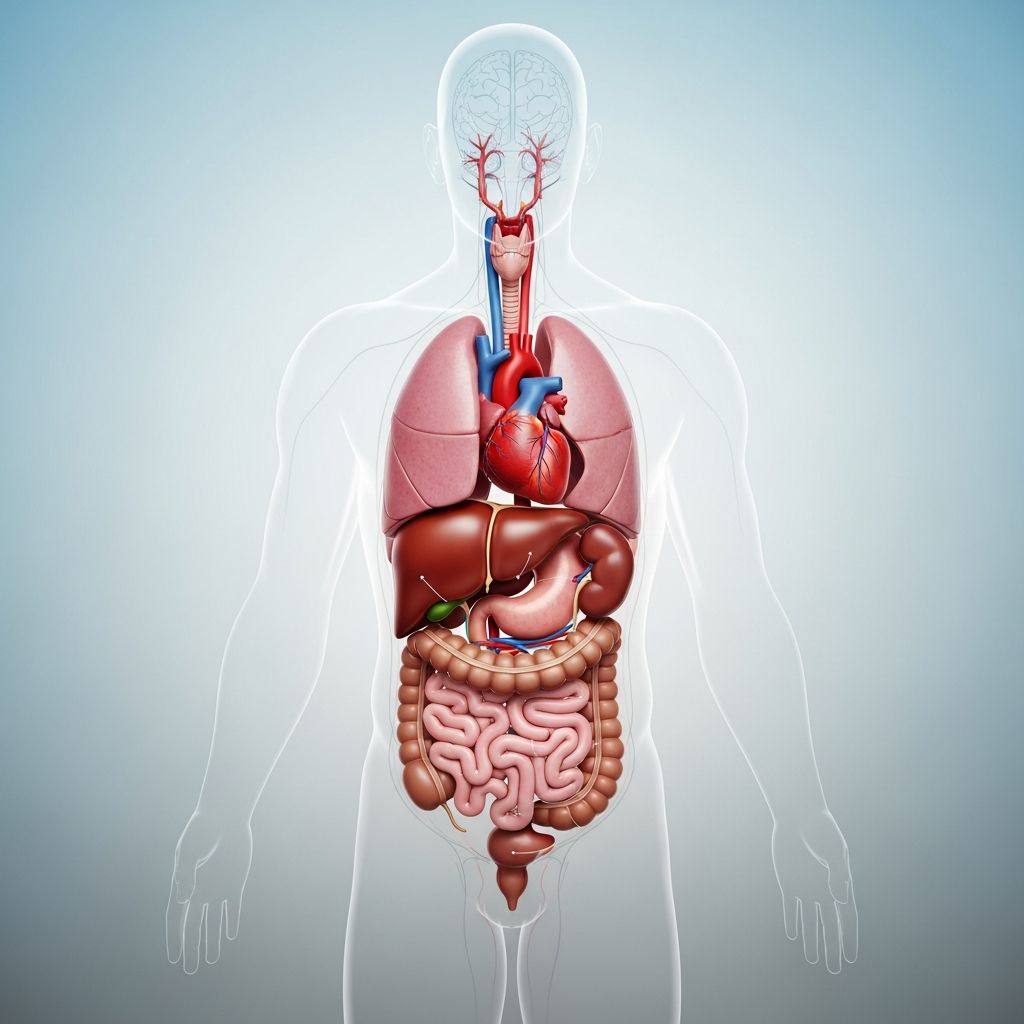
Organs are specialized structures in your body that handle specific jobs. An organ is a collection of tissues functioning together to perform a particular role within your body’s systems. Some of the best-known organs are your heart, brain, or liver. But many other structures count as organs, too. That includes some you might not think of, like your skin, bones, and even your eyes. Understanding what qualifies as an organ and how these structures work is fundamental to comprehending human anatomy and maintaining overall health.
The human body contains approximately 78 organs, each with its own unique functions and characteristics. These organs range from the tiny pineal gland deep within the brain to the expansive integumentary system covering your entire body. Together, these organs work in coordinated systems to ensure your survival and enable you to perform daily activities.
Major Organs and Their Functions
While your body contains many organs, certain ones are considered major because they are vital to survival and perform critical functions. Understanding these major organs helps you appreciate how your body maintains health and handles the demands of daily life.
The Brain
The brain is one of the most vital organs in your body. It stores information, allows you to think and learn, and controls vital daily functions such as digestion, heart rate, and breathing. The brain receives impulses from nerves, which are located throughout the body, and responds to pain and other stimulation. Even though the brain is so important, it is also very delicate. The brain is made of soft tissue and is protected only by the skull; therefore, head injuries can be serious. The brain serves as the command center for your entire body, processing information from your senses and coordinating responses through your nervous system.
The Heart
The heart is another vital organ that cannot be overlooked. In an average lifetime, the heart beats more than 2.5 million times. The heart’s job is to pump oxygenated blood throughout the body and receive deoxygenated blood in return. This constant circulation delivers oxygen and nutrients to every cell in your body while removing waste products. Without a functioning heart, your body cannot survive for more than a few minutes, which is why heart health is so critical to overall wellness.
The Lungs
Your lungs are the primary organs of your respiratory system. They allow you to breathe in oxygen and breathe out carbon dioxide. The respiratory system is made up of your lungs, airways (trachea, bronchi and bronchioles), diaphragm, voice box, throat, nose and mouth. These organs work together to bring oxygen into your body when you inhale and get rid of carbon dioxide when you exhale. Your respiratory system also helps protect you from harmful particles and germs and allows you to smell and speak.
The Kidneys
The kidneys are located under the rib cage in the lower back. The kidneys filter things, such as water and salts, out of the blood and produce urine. The kidneys also produce an enzyme called renin. This enzyme plays a big role in regulating blood pressure. You have two kidneys, and while you can survive with just one, having both kidneys at full capacity is ideal for maintaining optimal health and managing fluid and electrolyte balance in your body.
The Liver
The liver is in the upper abdomen, slightly to the left. The main job of the liver is to produce bile, which it sends to the stomach for digestion. The liver also filters out toxins and regulates blood sugar. Blood sugar is regulated by the liver, which converts and stores sugar and releases it as needed into the bloodstream. The liver is also in charge of releasing cholesterol, breaking down fats, and producing blood proteins. It is the largest internal organ, making it essential for numerous metabolic processes that keep you alive.
Related Stories



Organ Systems and Organization
Organs work together in coordinated systems to accomplish complex functions. These systems allow your body to operate efficiently and maintain homeostasis—the stable internal environment necessary for survival. The major body systems include the respiratory system, circulatory system, digestive system, nervous system, endocrine system, musculoskeletal system, and integumentary system, among others.
Right-Side Organs
Your body has several organs located primarily on the right side. These include your right lung, right kidney, gallbladder, and parts of your intestines. The right side of your body also contains portions of your liver, though the liver extends across the midline of your body.
Left-Side Organs
The left side of the body houses several vital organs, including the left lung, left kidney, part of the stomach, spleen, and sections of the large and small intestines. Though centrally located, the heart also tilts toward the left side of the chest, which is why you typically feel your heartbeat more prominently on your left side.
Paired Organs
You have several paired organs, with one on each side of your body. These include your:
- Lungs
- Kidneys
- Eyes
- Ears
- Ovaries (in females)
- Testicles (in males)
The Integumentary System
Your integumentary system is an organ that consists of a few main structures: skin, nails, hair and glands, along with the nerves and blood vessels that support them. The largest body organ you have is your skin. It makes up about 15% of your total body weight. The skin serves as a protective barrier against the environment, helps regulate body temperature, and provides sensory information about your surroundings. While many people don’t think of skin as an organ, it is indeed one of the most important and complex organs in your body.
Glands Throughout Your Body
You have glands throughout your body to make and deliver specific chemicals or substances. Some chemicals work like messengers, communicating important information between different parts of your body. You have glands under your jaw and in the surrounding area. The submandibular glands (meaning “under the jaw”) are there. The sublingual glands (under your tongue) are also nearby.
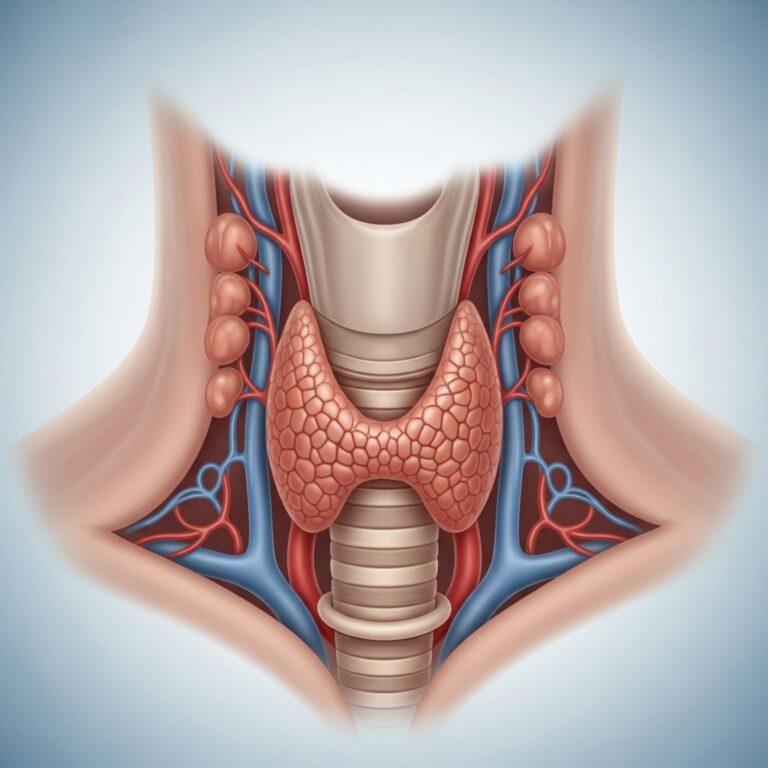
Your thyroid gland is the main gland in your neck. Attached to it on both sides are also the parathyroid glands. These endocrine glands produce hormones that regulate metabolism, growth, and calcium balance in your body. Other important glands include the pituitary gland, which controls many hormonal functions, and the adrenal glands, which produce stress hormones.
Organs You Can Survive Without
While all organs serve important functions, you can survive without several organs. They include your:
- Gallbladder
- Appendix
- Spleen
- One lung (though both are preferred for optimal function)
- Parts of your intestines
- One kidney (though having both is ideal)
You can also survive with just one of several paired organs, like your lungs or kidneys. Modern medical technology has made it possible to manage life without certain organs through transplantation, artificial organs, or alternative treatments.
Artificial Organs and Medical Technology
While you can’t survive without your heart or at least one kidney, there are artificial versions that can do their jobs. Artificial hearts can be long-term replacements for damaged or diseased hearts. And dialysis can be a long-term substitute (but not a permanent replacement) for your kidneys. These technological advances have extended and improved the quality of life for many people with organ failure or disease.
Unique Organ Facts
The Smallest Organ
The smallest organ in the human body is the pineal gland, located deep within the brain. It is about the size of a grain of rice, measuring approximately 5 to 8 millimeters in length, and plays a crucial role in regulating circadian rhythms through the secretion of melatonin. Despite its tiny size, this gland has profound effects on your sleep-wake cycle and overall health.
The Largest Organ
The largest body organ you have is your skin. It makes up about 15% of your total body weight. But for just your internal organs, the largest is your liver. The skin’s vast surface area allows it to perform its protective and regulatory functions efficiently across your entire body.
The Heaviest Body Region
The heaviest part of the human body is the torso, which includes the chest, abdomen, and back. This region houses major organs, such as the heart, lungs, and liver, which collectively contribute to its weight.
Supporting Structures: More Than Just Organs
Beyond the major organs, your body contains many supporting structures that contribute to overall function and health. Your joints are any place in your body where two bones meet. You have several types of joints that give your body structure and help you move. Ligaments connect muscles to bones, while tendons connect bones to bones. Your muscles are soft tissue that move the body and support organs. There are over 600 muscles in your body, and they are classified by tissue type: skeletal, cardiac, and smooth muscles.
Your body also contains an extensive network of blood vessels, including arteries, veins, and capillaries. The lymphatic system runs throughout your body with lymphatic vessels and lymph nodes that help fight infection and maintain fluid balance. Nerves carry signals between your brain and the rest of your body, enabling movement, sensation, and automatic functions.
Body Tissues: The Building Blocks
One step up from cells are tissues. These collections of cells handle specific jobs throughout your body. There are four main types of tissues: epithelial, connective, muscle, and nervous. Connective tissue is the most abundant, mainly because it applies to so many tissue types. It includes things like skin (except for the outermost layer, which is epithelial tissue) and bones. But it also includes fluids like blood and lymph, and many other types of tissue. Connective tissue is also the most widespread, going just about everywhere in your body.
Frequently Asked Questions
Q: What organs are on the left side of the body?
A: The left side of the body houses several vital organs, including the left lung, left kidney, part of the stomach, spleen, and sections of the large and small intestines. Though centrally located, the heart also tilts toward the left side of the chest.
Q: What is the smallest organ in the body?
A: The smallest organ in the human body is the pineal gland, located deep within the brain. It is about the size of a grain of rice, measuring approximately 5 to 8 millimeters in length, and plays a crucial role in regulating circadian rhythms through the secretion of melatonin.
Q: What are the major organs of the body?
A: The major organs of the body include the heart, brain, lungs, kidneys, liver, skin, bones, adrenal glands, and the hematopoietic system (blood-forming system).
Q: How many organs does the human body have?
A: The human body contains approximately 78 organs, though there is ongoing research and some controversy about the exact number as new discoveries continue to reshape our understanding of anatomy.
Q: Can you live without certain organs?
A: Yes, you can survive without several organs including your gallbladder, appendix, spleen, and one of each paired organ like one lung or one kidney. However, you cannot survive without your heart or at least one functioning kidney.
Q: What is the largest internal organ?
A: The liver is the largest internal organ in your body. For overall body organs, your skin is the largest, making up about 15% of your total body weight.
Conclusion
Your body is an intricate system of specialized organs working together to keep you alive and functioning. From the vital heart and brain to the protective skin and filtering kidneys, each organ plays a crucial role in maintaining your health. Understanding these organs and their functions empowers you to make informed decisions about your health and appreciate the remarkable complexity of the human body. Whether it’s the tiny pineal gland regulating your sleep or the expansive liver filtering toxins, every organ matters to your wellbeing.
References
- What Are the 78 Organs of the Human Body — MedicineNet. Accessed December 2025. https://www.medicinenet.com/what_are_the_78_organs_of_the_human_body/article.htm
- Organs in the Body: Definition & Anatomy — Cleveland Clinic. Accessed December 2025. https://my.clevelandclinic.org/health/articles/organs-in-the-body
- Respiratory System: Organs, Facts, Anatomy & Function — Cleveland Clinic. Accessed December 2025. https://my.clevelandclinic.org/health/body/21205-respiratory-system
- Integumentary System: What It Is, Function & Organs — Cleveland Clinic. Accessed December 2025. https://my.clevelandclinic.org/health/body/22827-integumentary-system
- Body Tissue Types, Structure & Function — Cleveland Clinic. Accessed December 2025. https://my.clevelandclinic.org/health/body/body-tissue
- Glands: Anatomy & Function — Cleveland Clinic. Accessed December 2025. https://my.clevelandclinic.org/health/body/glands
- Muscles of the Body: Types, Groups, Anatomy & Functions — Cleveland Clinic. Accessed December 2025. https://my.clevelandclinic.org/health/body/21887-muscle
Similar Articles








Read full bio of medha deb