Undefined Orofacial Crohn Disease: Diagnosis & Treatment Guide
Understanding the oral manifestations of Crohn disease: symptoms, diagnosis, and comprehensive treatment strategies.
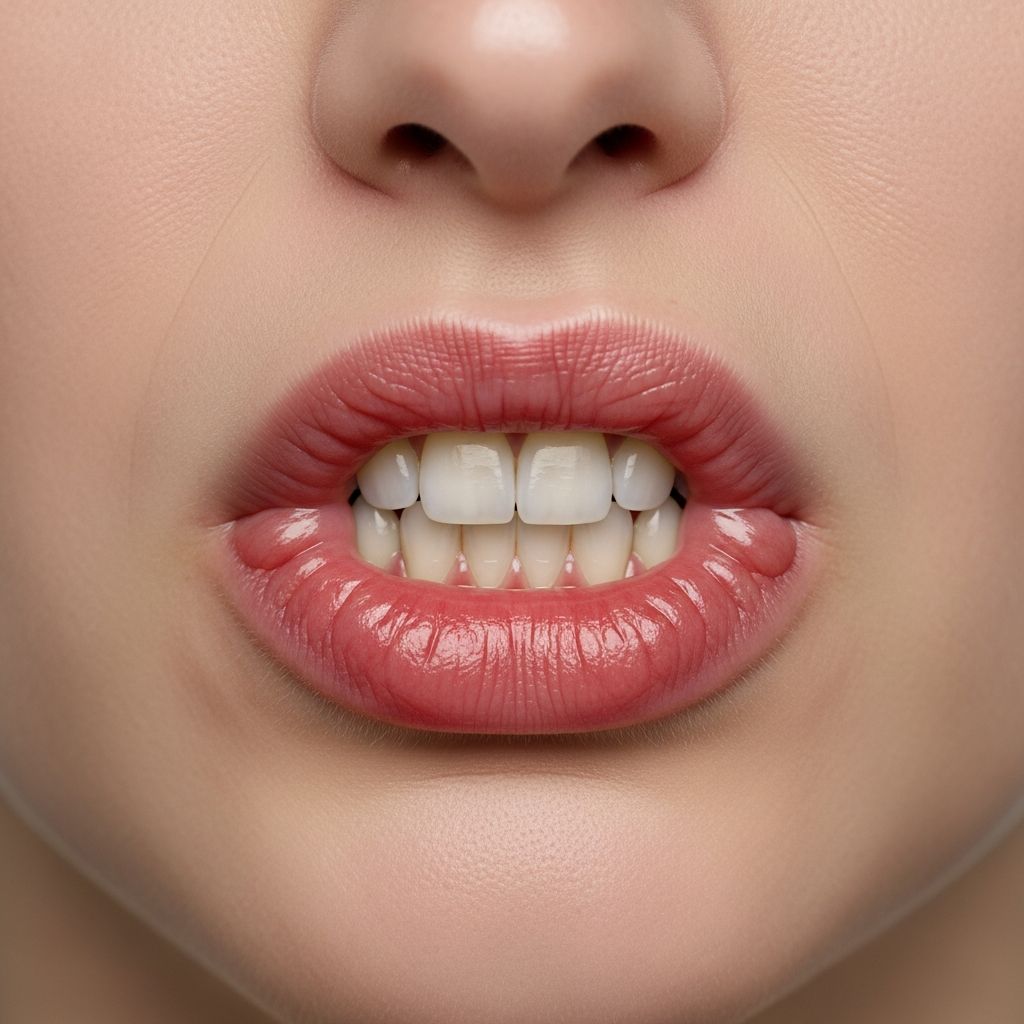
Orofacial Crohn disease refers to the oral manifestations of Crohn disease, a chronic inflammatory bowel disease (IBD) that can affect any part of the gastrointestinal tract from mouth to anus. These oral features, often presenting as orofacial granulomatosis (OFG), may precede, coincide with, or follow intestinal involvement, occurring in up to 20% of Crohn patients.
What is orofacial Crohn disease?
Orofacial Crohn disease encompasses a range of oral cavity changes associated with Crohn disease. It is characterized by non-caseating granulomatous inflammation affecting the lips, cheeks, gingiva, tongue, and other oral structures. While intestinal symptoms like diarrhea and abdominal pain are hallmark of Crohn disease, oral signs can be the initial presentation, sometimes years before bowel involvement is evident.
OFG, a term often used interchangeably in early stages, describes persistent labial swelling, oral ulcerations, and mucosal tags without confirmed intestinal Crohn at diagnosis. Over time, up to 30-60% of OFG cases may progress to systemic Crohn disease, highlighting the need for vigilant monitoring.
Who gets orofacial Crohn disease?
Orofacial manifestations typically affect young adults aged 20-40 years, though pediatric cases are reported, such as an 11-year-old girl who presented with facial swelling years before intestinal Crohn diagnosis. There is no strong gender predilection, but Crohn disease overall has a slight female predominance. Genetic factors like NOD2 mutations increase susceptibility to Crohn, potentially influencing oral involvement.
Risk factors mirror those of Crohn disease: family history of IBD, smoking (exacerbates intestinal symptoms), and environmental triggers like certain food preservatives.
What causes orofacial Crohn disease?
The etiology involves a dysregulated immune response to intestinal microbiota in genetically susceptible individuals, leading to chronic granulomatous inflammation. Oral lesions arise from similar T-cell mediated immunity, with non-caseating granulomas as the histopathological hallmark.
Triggers for flares include benzoates, cinnamates in foods (e.g., sweets, fizzy drinks), infections, and stress. In one case, dietary modification excluding these preservatives led to symptom improvement.
What are the clinical features of orofacial Crohn disease?
Oral signs are often asymptomatic initially but can cause pain, difficulty eating, or cosmetic concerns. Common features include:
- Lips: Persistent, painless swelling (granulomatous cheilitis), angular cheilitis, vertical fissures, or cobblestoning.
- Buccal mucosa: Mucosal tags, folds, hyperplastic cobblestoning, linear or aphthous ulcerations.
- Gingiva: Gingival hypertrophy, polypoidal enlargements, friability.
- Tongue: Fissuring, swelling, geographic tongue.
- Other: Facial swelling, salivary gland involvement (e.g., parotitis), mucosal erythema.
Symptoms may include burning mouth sensation, dysphagia if severe, and halitosis. Intestinal symptoms (diarrhea, weight loss) may be absent early on.
How is orofacial Crohn disease diagnosed?
Diagnosis combines clinical, histopathological, and systemic evaluation:
- Clinical assessment: Characteristic oral features raise suspicion.
- Deep incisional biopsy: Essential; reveals non-caseating granulomas (70-80% of cases), confirming granulomatous inflammation. Special stains exclude infection or foreign bodies.
- Gastrointestinal workup: If no bowel symptoms, perform colonoscopy, MR enterography, or capsule endoscopy to detect ileal/ colonic Crohn.
- Laboratory tests: Elevated CRP, ESR during flares; fecal calprotectin for subclinical gut inflammation.
Related Stories



Differential diagnosis includes sarcoidosis, tuberculosis, Wegener granulomatosis, infections (mycobacterial, fungal), food hypersensitivity, and Melkersson-Rosenthal syndrome.
Differential diagnosis
| Condition | Key Distinguishing Features |
|---|---|
| Sarcoidosis | Pulmonary involvement, hilar lymphadenopathy, ACE levels elevated. |
| Melkersson-Rosenthal syndrome | Facial palsy, scrotal tongue; familial; no granulomas on GI biopsy. |
| TB/Mycobacterial infection | Caseating granulomas, positive AFB/Ziehl-Neelsen stain, culture. |
| Cheilitis granulomatosa (Miescher) | Isolated lip swelling; monosymptomatic form of OFG. |
| Ulcerative colitis oral features |
Complications
Oral complications include secondary infection, scarring, adhesions limiting mouth opening, and dental issues from poor oral hygiene. Systemically, untreated Crohn risks strictures, fistulae, malnutrition, and increased colorectal cancer risk. Facial lymphedema can persist.
Treatment of orofacial Crohn disease
Treatment targets symptom relief, inflammation control, and underlying Crohn disease. No universal guidelines; approach is stepwise.
Conservative measures
- Cinnamon- and benzoate-free diet: Eliminates triggers like tomatoes, chocolate, fizzy drinks; effective in 50-70% OFG cases.
- Oral hygiene, avoidance of irritants.
Topical therapies (first-line for mild oral disease)
- Corticosteroid mouthwash (e.g., betamethasone, prednisolone soluble tablets): Reduces swelling/ulcers.
- Intralesional triamcinolone for cheilitis.
- Topical 5-ASA (mesalamine paste): Heals ulcerations in 50% cases.
- Clobetasol propionate 0.05% cream for refractory mucosa.
Systemic therapies
For moderate-severe or systemic involvement:
- Corticosteroids: Oral budesonide (3mg TID) for ileal disease; systemic prednisone for flares.
- Immunomodulators: Azathioprine, 6-MP, methotrexate for steroid-sparing.
- Biologics: Anti-TNF (infliximab, adalimumab) for fistulizing/refractory disease; vedolizumab (gut-selective).
- 5-ASAs: Sulfasalazine, mesalamine for mild colonic involvement.
- Antibiotics: Metronidazole, ciprofloxacin for perianal/oral infections.
Surgery (bowel resection) for complications; nutritional support (enteral/parenteral) for malnutrition.
Timeline and disease course
Oral features may remit spontaneously or persist chronically with flares. In one series, 5/10 patients achieved healing, but 2 developed adhesions; long-term follow-up shows protracted course with exacerbations over 13+ years. Early intervention prevents progression.
Prevention
No primary prevention; secondary via smoking cessation, trigger avoidance, and prompt IBD treatment.
Patient follow-up
Multidisciplinary: gastroenterologist, oral medicine specialist, dermatologist. Monitor clinically, biochemically (calprotectin), endoscopically. Annual dental checks.
Frequently Asked Questions (FAQs)
Q: Can oral Crohn symptoms appear before gut symptoms?
A: Yes, orofacial granulomatosis can precede intestinal Crohn by years, as in cases where facial swelling was managed conservatively for 7 years before ileal disease diagnosis.
Q: Is biopsy always needed for diagnosis?
A: Deep incisional biopsy showing non-caseating granulomas is crucial to confirm granulomatous inflammation and exclude mimics.
Q: What diet helps orofacial Crohn?
A: Cinnamon- and benzoate-free diet, avoiding sweets, fizzy drinks, tomatoes; often first-line with good response.
Q: Are topical steroids effective?
A: Yes, first-line for mild cases; up to 50% achieve remission with topical corticosteroids or 5-ASA.
Q: Does treating the bowel improve oral symptoms?
A: Often yes; controlling intestinal inflammation with budesonide or biologics leads to oral remission.
References
- Orofacial granulomatosis as a presenting feature of Crohn’s disease — BMJ Case Reports. 2014-12-17. https://pmc.ncbi.nlm.nih.gov/articles/PMC4289786/
- Crohn’s Disease Treatment Options — Crohn’s & Colitis Foundation. 2023. https://www.crohnsandcolitis.com/crohns/treatment-options
- Oral Crohn Disease: Clinical Characteristics and Long-term Follow-up — JAMA Dermatology. 1999-06-01. https://jamanetwork.com/journals/jamadermatology/fullarticle/477791
- Crohn’s disease – Diagnosis and treatment — Mayo Clinic. 2025-01-10. https://www.mayoclinic.org/diseases-conditions/crohns-disease/diagnosis-treatment/drc-20353309
- Crohn’s Disease: Symptoms, causes, diagnosis, and more — Medical News Today. 2023-10-20. https://www.medicalnewstoday.com/articles/151620
- Orofacial Crohn disease — DermNet NZ. 2024. https://dermnetnz.org/topics/orofacial-crohn-disease
Similar Articles








Read full bio of Sneha Tete