Orofaciodigital Syndrome Type 1: Features and Management
Understanding OFD1: A comprehensive guide to oral, facial, and digital malformations in rare genetic disorder.
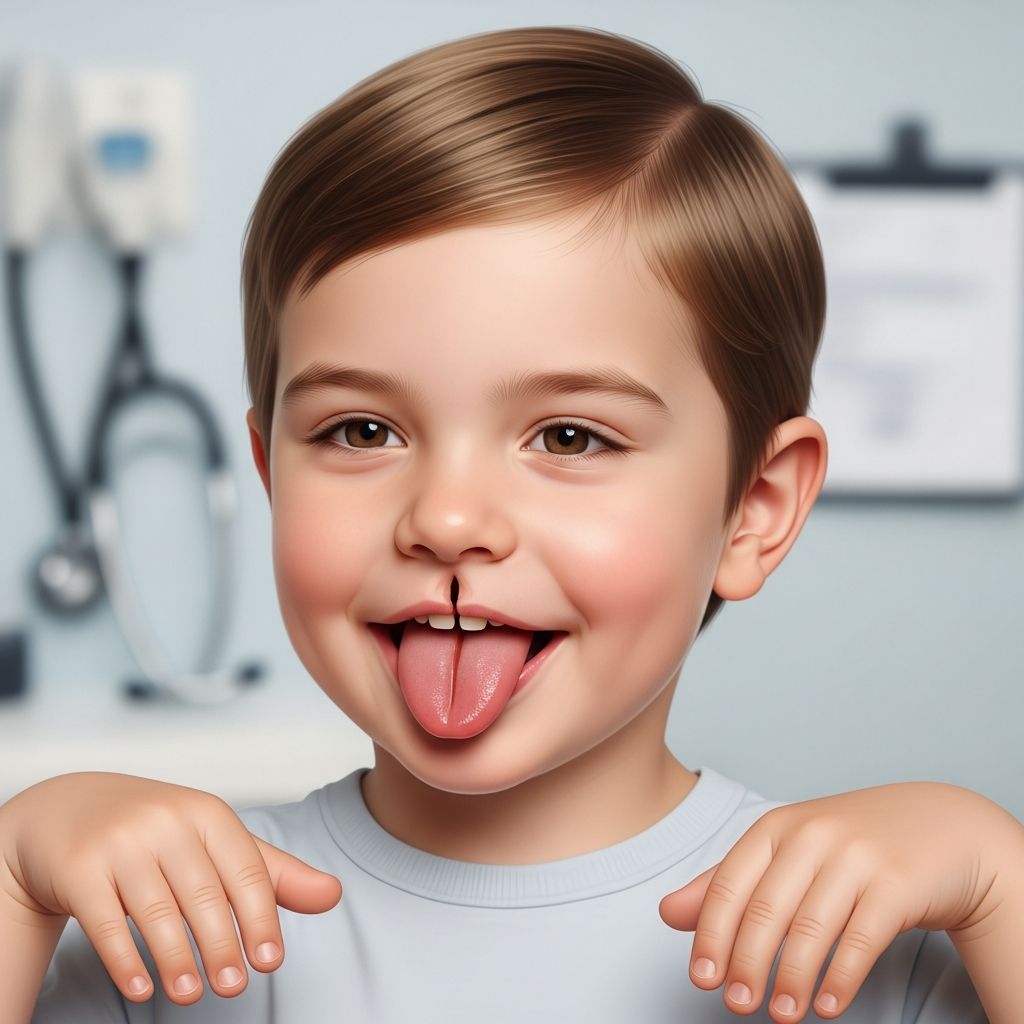
Orofaciodigital Syndrome Type 1: A Comprehensive Overview
Orofaciodigital syndrome type 1 (OFD1, also known as Papillon-Leage-Psaume syndrome) is a rare genetic disorder classified under OMIM#311200. This X-linked dominant condition primarily affects females, as it is typically lethal in males. The syndrome is characterized by distinctive malformations of the oral cavity, facial structures, and digits (fingers and toes), with significant variability in clinical presentation between and within affected families. OFD1 represents the most common form of orofaciodigital syndrome and is distinguished from other types by its unique association with polycystic kidney disease.
Genetic Basis and Molecular Mechanism
Orofaciodigital syndrome type 1 is caused by mutations in the OFD1 gene, located on the short arm of the X chromosome at position Xp22. The OFD1 gene encodes a protein that localizes to the centrosome and basal body of primary cilia, cellular organelles present throughout the human body. This localization suggests that OFD1 is classified as a ciliopathy—a disorder resulting from dysfunction of cilia.
The OFD1 protein contains important functional components including the epidermal growth factor receptor (EGFR) and flotillin proteins, which are critical elements of the ciliary signaling complex. When mutations occur in the OFD1 gene, they have deleterious effects on primary cilia and alter several signaling pathways essential for proper development. Deletions in OFD1 can lead to centriole hyperelongation, resulting in the ciliopathies characteristic of this syndrome. To date, at least 90 distinct mutations have been identified in the OFD1 gene, with a fraction of cases displaying genomic deletions.
The OFD1 protein is required for proper cilia formation and left-right axis specification during embryonic development. In situ RNA studies of the mouse homolog have demonstrated expression of the gene in all tissues affected in orofaciodigital syndrome type 1, including the brain, face, limbs, and kidneys. This widespread expression explains the multisystem involvement observed in affected individuals.
Clinical Features and Manifestations
Orofaciodigital syndrome type 1 presents with considerable clinical variability, yet certain characteristic features are consistently observed. The classic manifestations involve three primary anatomical regions: the mouth, face, and digits. Additionally, involvement of the central nervous system and kidneys occurs in a significant proportion of cases.
Oral Features
The mouth is affected in more than 95% of individuals with OFD1. Distinctive oral manifestations include:
- Lobulated or cleft tongue with an unusual appearance
- Tongue hamartomas or lipomas (benign tumors)
- Ankyloglossia (tongue-tie)
- Cleft or highly arched hard or soft palate
- Accessory oral frenulae (hypertrophic frenula)
- Hypodontia (missing teeth), particularly absent lateral incisors
- Hyperdontia (extra teeth)
- Enamel dysplasia
- Malocclusion (improper tooth alignment)
- Broad or thickened alveolar ridges
Craniofacial Features
Craniofacial abnormalities occur in approximately 87% of individuals with OFD1. Characteristic facial features include:
- Wide or broadly spaced eyes (ocular hypertelorism)
- Telecanthus (abnormal inner eye spacing)
- Frontal bossing (prominent forehead)
- Micrognathia (small lower jaw)
- Microretrognathia (small and recessed lower jaw)
- Hypoplasia of the malar bones (underdeveloped cheekbones)
- Hypoplasia of the alae nasi (underdeveloped nasal wings)
- Median cleft or pseudocleft of the upper lip
- Downslanting palpebral fissures
- Facial asymmetry
- Abnormal hair or alopecia (hair loss)
- Evanescent facial milia (small skin bumps)
Related Stories



Digital Abnormalities
Digital malformations affect approximately 88% of individuals with OFD1. These abnormalities are frequently asymmetric and may include:
- Brachydactyly (abnormally short fingers or toes)
- Syndactyly (webbed or joined fingers or toes)
- Clinodactyly of the fifth finger (curved fifth finger)
- Duplicated hallux or broad thumb
- Preaxial polydactyly (extra digits on the thumb side)
- Postaxial polydactyly (extra digits on the pinky side)
- Abnormally curved fingers and toes
Central Nervous System Involvement
The central nervous system is involved in approximately 40-50% of cases. Structural abnormalities and developmental delays may include:
- Agenesis of the corpus callosum (absence of the structure connecting brain hemispheres)
- Cerebellar agenesis (absence of the cerebellum)
- Dandy-Walker malformation (abnormal cerebellar development)
- Intracerebral cysts
- Intellectual disability (mild to moderate, occurring in approximately 50% of females)
Kidney and Pancreatic Involvement
A distinguishing feature of OFD1 is the development of polycystic kidney disease (PKD), occurring in at least 50% of patients. This visceral involvement helps differentiate OFD1 from other forms of orofaciodigital syndrome. Additionally, patients may develop fibrocystic disease of the liver and pancreas. Polycystic kidney disease may not manifest until the affected person reaches teenage years or adulthood, making regular monitoring important.
Other Clinical Features
Additional characteristics of OFD1 include:
- Coarse, thin hair
- Grainy skin lesions on the face
- Growth reduction
- Hearing problems (reported in approximately 6% of cases)
- Heart abnormalities
- Sunken chest
- Vulnerability to respiratory infections
Inheritance Pattern
Orofaciodigital syndrome type 1 is inherited in an X-linked dominant pattern. In X-linked dominant inheritance, only one mutated copy of the OFD1 gene is necessary to cause the condition. Because females have two X chromosomes, they can inherit one mutated OFD1 gene and one normal gene, resulting in the disease with variable expression. Males, having only one X chromosome, would inherit either a mutated or normal gene. Males who inherit the mutation typically do not survive to birth, making OFD1 essentially a condition affecting females.
High penetrance has been reported for OFD1 mutations, but clinical expression is highly variable even within families, suggesting that other genetic or environmental factors may influence disease severity.
Diagnosis and Genetic Testing
The diagnosis of orofaciodigital syndrome type 1 is established through genetic testing of the OFD1 gene. Genetic screening successfully detects OFD1 mutations in approximately 85% of individuals suspected of having the syndrome. In some cases, diagnosis may be made at birth based on characteristic oral and facial features. However, in other instances, the condition may be suspected only after polycystic kidney disease is identified during childhood or adulthood.
Clinical diagnosis typically begins with recognition of the characteristic constellation of features:
- Distinctive oral malformations, particularly lobed or cleft tongue
- Characteristic craniofacial dysmorphism with wide-set eyes and frontal bossing
- Digital malformations with brachydactyly and syndactyly
- Evidence of polycystic kidney disease on imaging
- X-linked dominant inheritance pattern with male lethality
Once clinical suspicion is high, molecular genetic testing of the OFD1 gene should be performed to confirm the diagnosis. Careful physical and genetic workups are necessary, as deleterious effects on primary cilia can alter several signaling pathways during development, accounting for the wide variation in phenotypes and potential association with other ciliopathies such as Joubert syndrome and Meckel-Gruber syndrome.
Management and Treatment Considerations
There is currently no cure for orofaciodigital syndrome type 1. Management is multidisciplinary and focuses on addressing the specific manifestations present in each individual:
- Dental Care: Regular dental evaluation and management of dental anomalies, including orthodontic treatment for malocclusion when appropriate
- Speech and Language: Assessment and therapy for individuals with lingual or palatal abnormalities affecting speech
- Neurodevelopmental: Early intervention and educational support for individuals with intellectual disability or developmental delay
- Renal Monitoring: Regular ultrasound imaging and renal function testing to monitor for polycystic kidney disease, particularly as patients enter adolescence
- Genetic Counseling: Counseling for affected families regarding inheritance patterns and recurrence risks
- Multidisciplinary Care: Coordination among specialists including geneticists, dentists, otolaryngologists, nephrologists, and developmental pediatricians
Prognosis and Life Expectancy
The prognosis for individuals with orofaciodigital syndrome type 1 varies considerably based on the severity of clinical manifestations. Life expectancy may be affected by the degree of kidney involvement and the presence of associated complications such as respiratory infections or cardiac abnormalities. With appropriate multidisciplinary medical management and regular monitoring for polycystic kidney disease, many individuals with OFD1 achieve good long-term outcomes. Early diagnosis and intervention, particularly for kidney disease, can help prevent or delay complications and optimize quality of life.
Frequently Asked Questions
Q: Is orofaciodigital syndrome type 1 inherited?
A: Yes, OFD1 is inherited in an X-linked dominant pattern, meaning individuals need only one mutated copy of the OFD1 gene to be affected. It primarily affects females, as the condition is typically lethal in males.
Q: Can orofaciodigital syndrome type 1 be prevented?
A: OFD1 cannot be prevented as it results from genetic mutations. However, genetic counseling can help families understand inheritance patterns and recurrence risks.
Q: What is the most common feature of OFD1?
A: Oral features are the most consistent manifestation, occurring in more than 95% of individuals, particularly a lobed or cleft tongue. Facial abnormalities and polycystic kidney disease are also hallmark features.
Q: How is OFD1 diagnosed?
A: OFD1 is diagnosed through genetic testing of the OFD1 gene, which detects mutations in approximately 85% of suspected cases. Clinical features and imaging studies support the diagnosis.
Q: What should individuals with OFD1 monitor?
A: Regular monitoring should include dental evaluations, kidney function tests and imaging (especially important as polycystic kidney disease develops in at least 50% of patients), developmental assessments, and hearing evaluations.
References
- Orofaciodigital syndrome 1 — Wikipedia. Accessed January 2026. https://en.wikipedia.org/wiki/Orofaciodigital_syndrome_1
- Orofaciodigital Syndrome I (OFD1) — MalaCards. Accessed January 2026. https://www.malacards.org/card/orofaciodigital_syndrome_i
- Orofaciodigital syndrome type 1 — Orphanet. Accessed January 2026. https://www.orpha.net/en/disease/detail/2750
- Orofaciodigital syndrome type 1 — DermNet. Accessed January 2026. https://dermnetnz.org/topics/orofaciodigital-syndrome-type-1
- Oral-facial-digital syndromes — MedLink Neurology. Accessed January 2026. https://www.medlink.com/articles/oral-facial-digital-syndromes
- Oral-Facial-Digital Syndrome — Symptoms, Causes, Treatment — NORD (National Organization for Rare Disorders). Accessed January 2026. https://rarediseases.org/rare-diseases/oral-facial-digital-syndrome/
- Oral-Facial-Digital Syndrome Type I — GeneReviews, National Center for Biotechnology Information. Accessed January 2026. https://www.ncbi.nlm.nih.gov/books/NBK1188/
Similar Articles








Read full bio of Sneha Tete