Oropharyngeal Cancer: Symptoms, Causes & Treatment
Understanding oropharyngeal cancer: Learn about symptoms, risk factors, diagnosis, and treatment options.
What is Oropharyngeal Cancer?
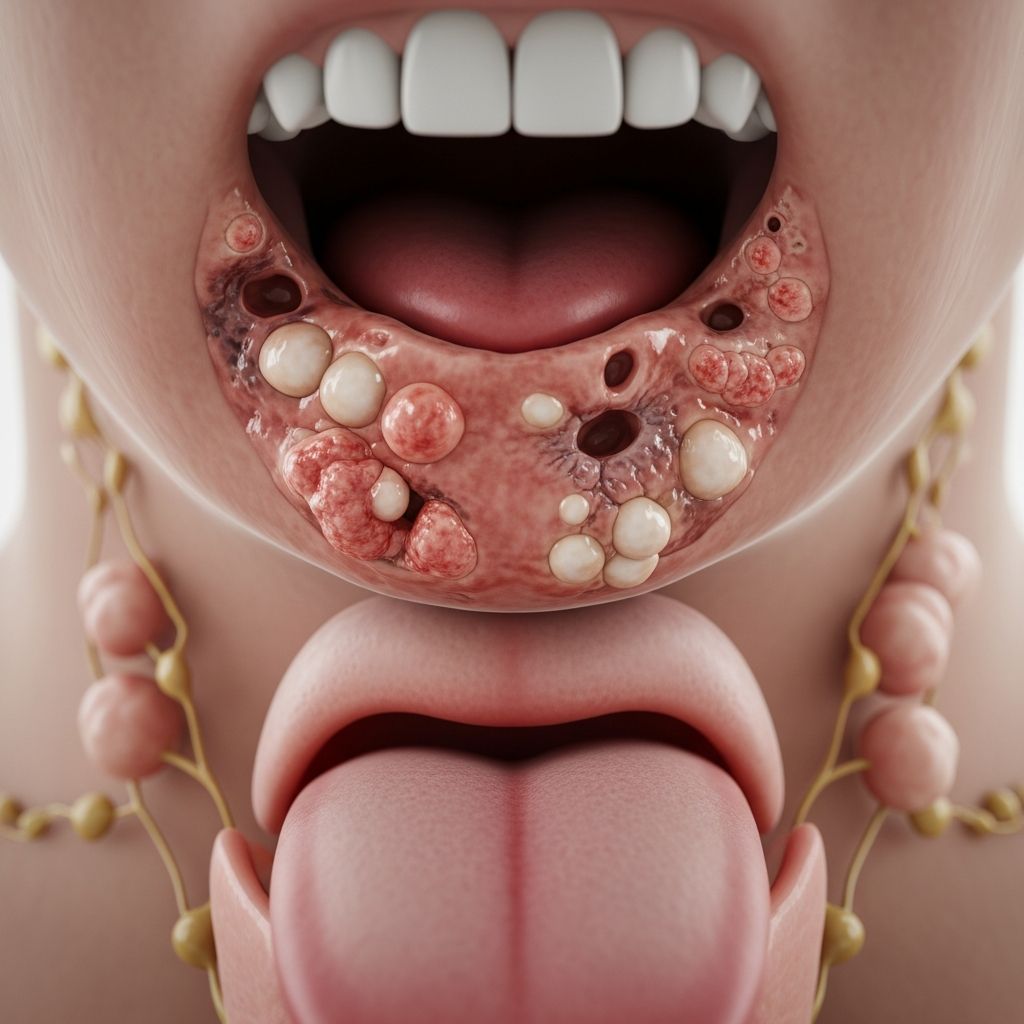
Oropharyngeal cancer is a malignant condition that develops in the tissues of the oropharynx, which is the middle portion of your throat located behind the mouth. This region includes the soft palate, the base of the tongue, the tonsils, and the lateral and posterior pharyngeal walls. The oropharynx plays a crucial role in swallowing and speaking, making tumors in this area particularly significant for quality of life. Oropharyngeal cancer represents the most common form of throat cancer in the United States and affects thousands of individuals annually.
The disease typically develops from squamous cells, which are flat cells that line the inside of the oropharynx. When these cells become abnormal and multiply uncontrollably, they can form cancerous tumors. Understanding this condition is essential for early detection and effective treatment planning.
Types of Oropharyngeal Cancer
Oropharyngeal cancers are primarily classified into two distinct types based on their underlying causes and biological characteristics:
HPV-Positive Oropharyngeal Cancer: This type is caused by infection with the human papillomavirus (HPV), specifically high-risk strains such as HPV-16 and HPV-18. HPV-positive cancers have become increasingly common in recent decades, particularly among younger adults. These cancers often have a different clinical presentation and generally respond better to treatment compared to HPV-negative cancers.
HPV-Negative Oropharyngeal Cancer: This type is primarily associated with traditional risk factors including heavy tobacco and alcohol use. HPV-negative cancers tend to occur in older patients and are often diagnosed at more advanced stages. The prognosis and treatment approach may differ significantly from HPV-positive cases.
Symptoms of Oropharyngeal Cancer
Recognizing the symptoms of oropharyngeal cancer is critical for early diagnosis and intervention. Common symptoms include:
Persistent Sore Throat: A sore throat that lasts longer than two weeks without improvement is a warning sign. This symptom often resembles a common cold or throat infection but persists despite standard treatments.
Difficulty Swallowing: Patients may experience pain or discomfort when swallowing food or liquids. This symptom can progressively worsen as the tumor grows, potentially affecting nutritional intake.
Voice Changes: Hoarseness or other voice alterations may occur as the cancer affects the surrounding tissues and vocal structures. These changes may be gradual or sudden.
Unexplained Weight Loss: Significant weight loss without intentional dieting can result from difficulty eating and drinking due to pain or obstruction.
Swelling in the Neck: Enlarged lymph nodes in the neck region may be visible or palpable, sometimes presenting as a lump or mass on one side of the neck.
Ear Pain: Some patients report referred pain in the ears, even when the primary tumor is not directly involved in ear structures.
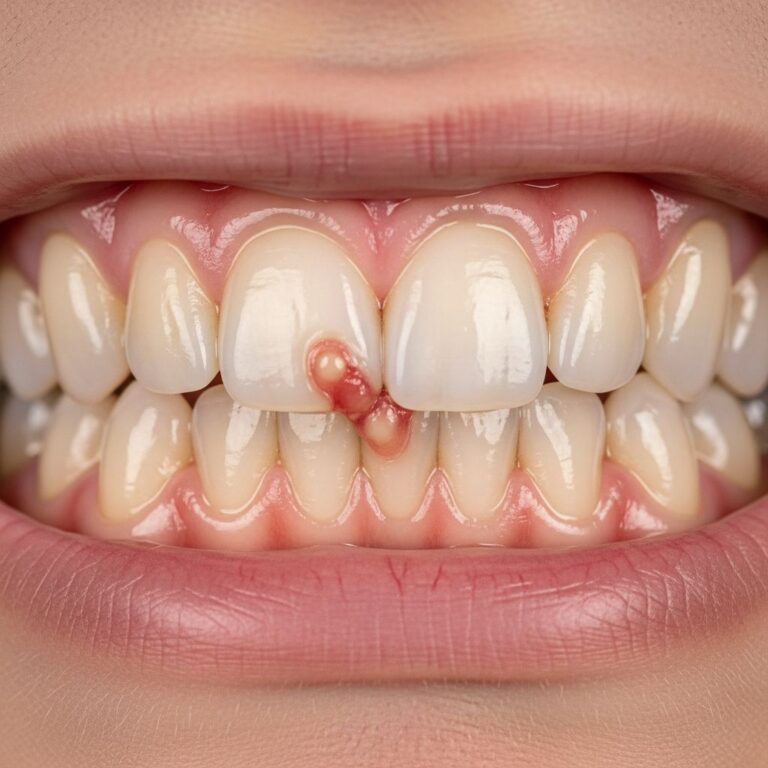
Mouth or Lip Sores: Persistent sores that do not heal within two to three weeks warrant medical evaluation.
It is important to note that these symptoms can also be associated with less serious conditions such as infections or inflammation. However, if symptoms persist beyond two weeks, medical consultation is strongly recommended.
Related Stories



Risk Factors for Oropharyngeal Cancer
Several factors increase the likelihood of developing oropharyngeal cancer:
HPV Infection: Infection with high-risk strains of human papillomavirus significantly increases cancer risk. HPV is primarily transmitted through sexual contact and can establish persistent infections leading to malignant transformation.
Tobacco Use: Smoking cigarettes, cigars, or pipes and using smokeless tobacco products substantially elevate cancer risk. The carcinogenic chemicals in tobacco products directly damage DNA in throat cells.
Alcohol Consumption: Heavy and prolonged alcohol use is a well-established risk factor. The combination of tobacco and alcohol use dramatically increases risk compared to either factor alone.
Age: Oropharyngeal cancer can occur at any age but is most common in individuals over 50 years old. However, HPV-related cases are increasingly seen in younger adults.
Gender: Men are diagnosed with oropharyngeal cancer more frequently than women, though this gap is narrowing due to changing HPV transmission patterns.
Weakened Immune System: Conditions that compromise immune function, such as HIV infection or immunosuppressive medications following organ transplantation, increase susceptibility to oropharyngeal cancer.
Poor Oral Hygiene: Inadequate dental care and poor oral health have been associated with increased cancer risk in some studies.
Gastroesophageal Reflux Disease (GERD): Chronic acid reflux may contribute to tissue damage and increase cancer risk over time.
Diagnosis and Detection
A systematic approach to diagnosis ensures accurate identification of oropharyngeal cancer:
Physical Examination: During the initial evaluation, your healthcare provider will perform a thorough examination of your throat using a mirror and bright lights to visualize abnormal tissue. The neck will be carefully palpated to detect any masses or enlarged lymph nodes.
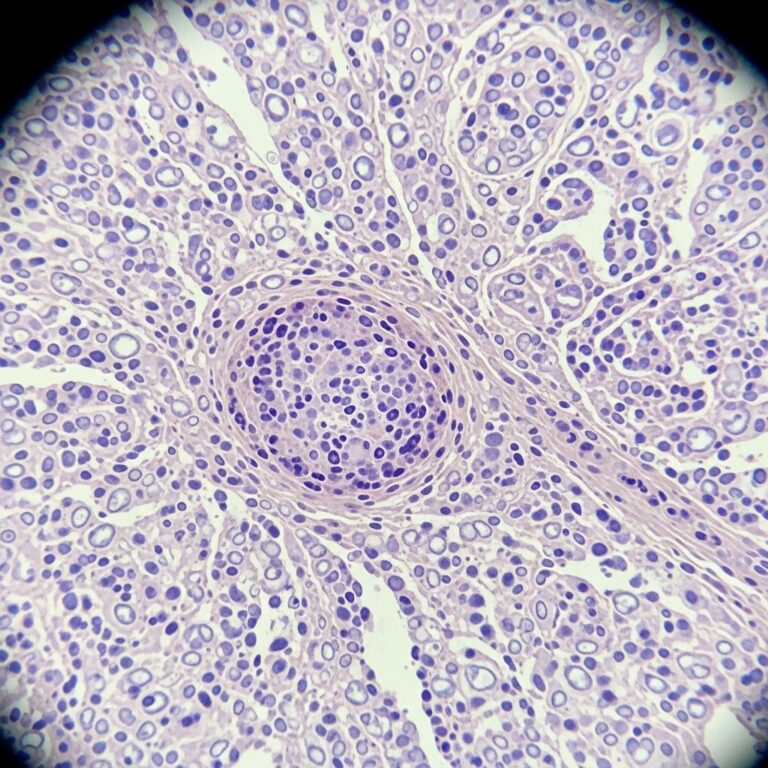
Biopsy: If abnormal tissue is identified, a biopsy will be performed to obtain tissue samples for microscopic examination. This procedure is essential for confirming the presence of cancer cells and determining the specific type and grade of malignancy. A pathologist will analyze the biopsy specimens to identify cancerous cells and assess cellular characteristics.
Advanced Imaging: Various imaging techniques may be employed to determine the extent of disease. These include computed tomography (CT) scans to assess local tumor extent and lymph node involvement, magnetic resonance imaging (MRI) for detailed soft tissue evaluation, and positron emission tomography (PET) scans to identify distant metastases.
Endoscopy: In some cases, endoscopic evaluation allows direct visualization of the tumor and surrounding structures, providing valuable information for treatment planning.
Staging of Oropharyngeal Cancer
The TNM staging system is used to classify oropharyngeal cancer based on tumor size (T), lymph node involvement (N), and distant metastasis (M). Understanding the stage is crucial for treatment planning and prognosis assessment:
Stage 0 (Carcinoma in Situ): Abnormal cells are found only in the lining of the oropharynx. These cells may become cancerous and spread into deeper tissues if not treated.
Stage I: The cancer measures 2 centimeters or smaller and has not spread outside the oropharynx. This represents localized early-stage disease with generally favorable prognosis.
Stage II: The cancer is larger than 2 centimeters but not larger than 4 centimeters and remains confined to the oropharynx. Regional spread has not occurred.
Stage III: At this stage, either the cancer is larger than 4 centimeters without regional spread, or the cancer is any size and has spread to one lymph node (measuring 3 centimeters or smaller) on the same side of the neck as the primary tumor.
Stage IV: This advanced stage involves either spread to tissues near the oropharynx including the larynx, palate, jaw, or muscles, potentially with lymph node involvement; or spread to one or more lymph nodes measuring larger than 3 centimeters; or distant metastasis to organs outside the head and neck region.
Treatment Options
Treatment for oropharyngeal cancer is individualized based on cancer stage, histological type, patient age, overall health status, and functional considerations. Modern treatment often employs multidisciplinary approaches combining multiple modalities:
Stage I Treatment: Stage I oropharyngeal cancer may be treated with either radiation therapy or surgical resection. Radiation therapy involves targeted high-energy beams to destroy cancer cells while minimizing damage to surrounding healthy tissue. Surgical options may include transoral robotic surgery (TORS), a minimally invasive approach that allows precise tumor removal through the mouth. The choice between modalities depends on tumor location, patient preference, and treatment side effect profiles.
Stage II Treatment: Treatment involves surgery to remove the cancer or radiation therapy. As tumors are slightly larger than Stage I lesions, the choice of modality may be influenced by factors such as functional preservation and patient comorbidities. Combination approaches may be considered based on individual case factors.
Stage III Treatment: Stage III oropharyngeal cancer typically requires multimodal therapy. Surgery to remove the cancer is often followed by adjuvant radiation therapy to eliminate any remaining microscopic disease. This combined approach addresses both the primary tumor and potential regional spread.
Stage IV Treatment: Advanced stage disease requires aggressive multimodal treatment. This typically includes surgical resection when feasible, followed by radiation therapy combined with chemotherapy. Immunotherapy may also be incorporated, particularly for HPV-positive cancers, as these patients often demonstrate excellent response to immune checkpoint inhibitors.
Emerging Therapies: Recent clinical trials have demonstrated that HPV-positive oropharyngeal cancer treatment can potentially be de-escalated or de-intensified, particularly when starting with surgery. Novel systemic therapies including immunotherapy administered before surgery have shown promise in significantly shrinking tumors, potentially enabling less extensive surgery with improved functional outcomes.
Radiation Therapy
Radiation therapy uses high-energy beams to target and destroy cancer cells. External beam radiation therapy (EBRT) is commonly used, where beams are directed at the tumor from outside the body. Treatment typically occurs over several weeks with multiple daily or weekly sessions. Intensity-modulated radiation therapy (IMRT) allows precise dose shaping to minimize exposure to surrounding healthy tissues. Radiation therapy may be used alone for early-stage disease or in combination with chemotherapy and surgery for advanced cancers.
Chemotherapy
Chemotherapy uses powerful medications to kill cancer cells throughout the body. For oropharyngeal cancer, chemotherapy is typically combined with radiation therapy to enhance treatment effectiveness. Concurrent chemotherapy and radiation (chemoradiation) has become a standard approach for many advanced cancers. Chemotherapy may also be administered before surgery (neoadjuvant) or after surgery (adjuvant) to improve outcomes.
Surgical Options
Surgical approaches vary based on tumor characteristics and stage. Options include transoral robotic surgery (TORS), which provides minimally invasive access to pharyngeal tumors through the mouth, allowing for precise tumor removal with minimal invasiveness. Open surgical approaches may be necessary for larger or more extensive tumors. Neck dissection surgery removes lymph nodes that may contain cancer and helps determine the extent of regional spread.
Managing Side Effects
Cancer treatment can produce various side effects that require careful management. Radiation therapy may cause dry mouth, difficulty swallowing, skin irritation, and fatigue. Chemotherapy can result in nausea, vomiting, hair loss, and increased infection risk. Speech-language pathologists and nutritionists play important roles in managing swallowing difficulties and maintaining adequate nutrition. Multidisciplinary rehabilitation therapies should begin in the pre-treatment phase to optimize functional outcomes and quality of life.
Prognosis and Survival
Prognosis for oropharyngeal cancer depends on multiple factors including cancer stage at diagnosis, HPV status, patient age and overall health, treatment response, and adherence to therapy. Early-stage cancers generally have more favorable outcomes, with five-year survival rates exceeding 80 percent for Stage I disease. HPV-positive cancers typically have better prognosis than HPV-negative cancers, with recent studies demonstrating improved survival rates and potential for treatment de-escalation. Advanced stage cancers require aggressive treatment but modern multimodal approaches have improved outcomes significantly.
Prevention Strategies
Preventing oropharyngeal cancer involves addressing modifiable risk factors. HPV vaccination, particularly when administered to adolescents before potential exposure, offers significant protection against HPV-related cancers. Tobacco cessation and limiting alcohol consumption substantially reduce cancer risk. Maintaining excellent oral hygiene, regular dental care, and professional screening can support early detection of precancerous changes. For sexually active individuals, safe practices that reduce HPV transmission risk are important preventive measures.
Frequently Asked Questions
Q: What is the survival rate for oropharyngeal cancer?
A: Survival rates vary by stage and HPV status. Early-stage cancers have significantly better survival rates than advanced disease. HPV-positive cancers generally have better prognoses than HPV-negative cancers. Your healthcare provider can discuss specific survival statistics relevant to your individual case.
Q: Can oropharyngeal cancer be prevented?
A: While not all cases can be prevented, several measures reduce risk. HPV vaccination offers strong protection against HPV-related cancers. Avoiding tobacco and limiting alcohol consumption significantly decrease risk. Maintaining good oral hygiene and regular dental care are also protective measures.
Q: How long does oropharyngeal cancer treatment take?
A: Treatment duration depends on the specific approach. Radiation therapy typically occurs over 6-7 weeks. Surgery may be a single procedure followed by adjuvant treatment. Multimodal treatment may span several months. Your healthcare team will provide a specific timeline based on your individual treatment plan.
Q: Is oropharyngeal cancer curable?
A: Early-stage oropharyngeal cancer has high cure rates with appropriate treatment. Advanced disease is also increasingly treatable with modern multimodal approaches. Cure rates depend on multiple factors including stage, HPV status, and treatment response. Discussing specific prognosis with your oncology team is important.
Q: What should I do if I experience symptoms?
A: If you experience persistent throat pain, difficulty swallowing, voice changes, or other concerning symptoms lasting more than two weeks, schedule an appointment with your primary care physician or an otolaryngologist for evaluation.
References
- Oropharyngeal Cancer Overview — Cleveland Clinic Abu Dhabi. 2024. https://www.clevelandclinicabudhabi.ae/en/health-hub/health-resource/diseases-and-conditions/oropharyngeal-cancer
- Treating Oropharyngeal Cancer: Transoral Robotic Surgery and Multidisciplinary Care — Cleveland Clinic. 2024. https://my.clevelandclinic.org/podcasts/head-and-neck-innovations/treating-oropharyngeal-cancer-transoral-robotic-surgery-and-multidisciplinary-care
- Oropharyngeal Cancer Staging and Management — National Cancer Institute. 2016. https://www.cancer.gov/types/head-neck/patient/oropharyngeal-treatment-pdq
- Soft Palate Cancer: Symptoms, Causes & Treatment — Cleveland Clinic. 2024. https://my.clevelandclinic.org/health/diseases/24791-soft-palate-cancer
- Throat Cancer: Symptoms, Causes & Treatment — Cleveland Clinic. 2024. https://my.clevelandclinic.org/health/diseases/23136-throat-cancer
Similar Articles








Read full bio of Sneha Tete