Orphenadrine: Complete Guide To Uses, Dosage, And Side Effects
Orphenadrine: Muscle relaxant for spasms, pain relief, and extrapyramidal side effects from medications.
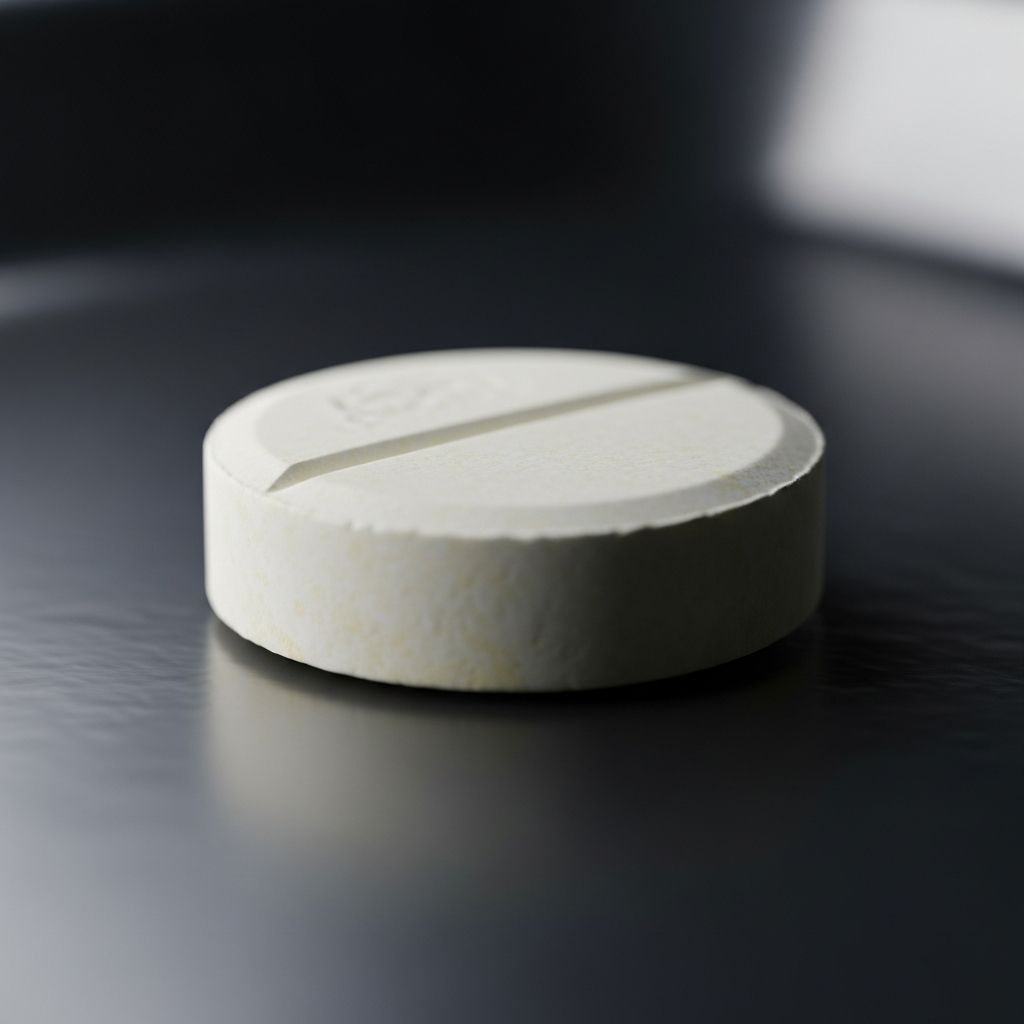
| Type of medicine | An antimuscarinic and muscle relaxant |
|---|---|
| Used for | Muscle spasms, pain from strains/sprains, extrapyramidal side-effects, Parkinson’s tremors |
| Available as | Tablets (regular and extended-release) and oral liquid |
About orphenadrine
Orphenadrine is a versatile medication classified as an antimuscarinic agent with muscle relaxant properties. It is primarily prescribed to manage unwanted movement disorders, known as extrapyramidal side-effects, caused by certain antipsychotic medicines. These side-effects manifest as uncontrolled facial and body movements, tremors, restlessness, and muscle stiffness. Additionally, orphenadrine relieves stiffness, pain, and discomfort from muscle strains, sprains, or injuries by acting on the central nervous system (CNS). One formulation is also effective for trembling associated with Parkinson’s disease, though it does not replace rest, physical therapy, or other recommended treatments.
Orphenadrine works through multiple mechanisms: it inhibits muscarinic receptors (anticholinergic effect), blocks histamine H1 and NMDA receptors, and has mild antihistaminic and local anesthetic properties. This restores balance in cholinergic and dopaminergic neurotransmission, particularly beneficial in Parkinson’s syndrome where dopamine deficiency leads to rigidity and tremor. Its CNS actions produce muscle relaxation without significant peripheral effects, making it suitable as an adjunct to rest, physiotherapy, and other therapies for acute musculoskeletal pain.
In clinical practice, orphenadrine is available only by prescription in forms like regular tablets (50 mg), extended-release tablets (100 mg), and oral liquid. It has been in use for over 50 years and is not associated with liver injury. Patients should use it short-term alongside non-drug measures for optimal results.
Before taking orphenadrine
Consult your doctor before starting orphenadrine, especially if you have conditions like glaucoma, enlarged prostate, intestinal blockage, myasthenia gravis, stomach ulcers, urinary tract obstruction, or heart problems (e.g., fast/irregular heartbeats or heart failure), as it may worsen these. Inform your doctor of any allergies, particularly to anticholinergic drugs, or if you have an enlarged esophagus. It is contraindicated in these scenarios due to anticholinergic risks like urinary retention or increased intraocular pressure.
Pregnancy and breastfeeding require caution: limited data exists, so weigh benefits against risks. Orphenadrine may cause dizziness, impairing driving or machine operation—assess your reaction first. Alcohol can amplify drowsiness. Regular doctor visits are essential for monitoring progress, with possible blood tests for side-effects.
How to take orphenadrine
Take orphenadrine exactly as prescribed. Your doctor may start with a low dose, increasing gradually every 2-3 days to minimize side-effects while your body adjusts. On full dose, typical regimens include:
| Form | Indication | Adults/Teens Dosage | Children |
|---|---|---|---|
| Extended-release tablets (100 mg) | Muscle stiffness/pain | 100 mg twice daily (morning/evening) | Determined by doctor |
| Regular tablets (50 mg) | Muscle spasms/Parkinson’s | 50 mg three times daily | Determined by doctor |
| Oral liquid | Extrapyramidal effects | As directed, often 3 doses/day | Not specified |
Swallow tablets whole with water; extended-release should not be crushed. For extrapyramidal effects from antipsychotics, dosing aligns with symptom control. In regions like New Zealand, 100 mg tablets are common, taken twice daily for spasms like back pain. Always follow pharmacy label instructions.
Getting the most from your treatment
- Combine with rest, physical therapy, exercise, and heat/cold packs for muscle issues—orphenadrine is adjunctive, not curative.
- For dry mouth (common side-effect), sip water, chew sugarless gum, or suck lozenges; avoid sugary products to prevent dental issues.
- Blurred vision or constipation? Use artificial tears or eat high-fiber foods/laxatives as advised.
- Take at regular intervals; if missed, take promptly unless near next dose—do not double.
- Short-term use preferred for musculoskeletal pain; taper if stopping long-term to avoid rebound.
Related Stories



Side-effects
Common side-effects include dry mouth, blurred vision, nausea, dizziness, and constipation, often improving as your body adjusts. Anticholinergic effects stem from muscarinic blockade.
Common side-effects
- Dry mouth
- Blurred vision
- Nausea
- Constipation
- Dizziness or lightheadedness
- Drowsiness
Serious side-effects (seek medical help)
- Allergic reactions: rash, itching, swelling, breathing difficulty, anaphylaxis
- Fast/pounding heartbeat, fainting
- Hallucinations, confusion, severe weakness
- Chest pain, shortness of breath, fever
- Glaucoma symptoms: eye pain, vision changes
- Overdose signs: severe dizziness, seizures, coma—emergency help immediately
Rare effects: abdominal pain, diarrhea, joint pain, swelling. Muscle weakness or shakiness may occur; report persistent issues.
If you take too much
Overdose can cause severe CNS depression, hallucinations, seizures, or cardiac issues. Symptoms include extreme drowsiness, confusion, rapid heartbeat, and breathing problems. Seek emergency care immediately; treatment may involve activated charcoal, supportive care, or antidotes like physostigmine for anticholinergic toxicity. Do not drive to hospital—call for help.
Common questions about orphenadrine
How long does orphenadrine take to work?
It typically relieves symptoms within hours to days; full effects may take gradual dosing over a week.
Can I drink alcohol with orphenadrine?
Avoid alcohol as it increases dizziness and drowsiness.
Does orphenadrine cause weight gain?
Not commonly reported; monitor if concerned.
Is orphenadrine safe for long-term use?
Best for short-term; long-term risks include tolerance and anticholinergic burden.
Can children take orphenadrine?
Dosage determined by doctor; not routinely recommended.
Frequently Asked Questions (FAQs)
Q: What is orphenadrine used for?
A: Primarily for muscle spasms, pain from injuries, extrapyramidal side-effects from antipsychotics, and Parkinson’s tremors.
Q: How does orphenadrine work?
A: As a CNS muscle relaxant with anticholinergic effects, blocking certain receptors to reduce spasms and restore neurotransmitter balance.
Q: What are the main side effects?
A: Dry mouth, blurred vision, nausea, dizziness; serious ones include allergic reactions or heart issues—contact doctor if severe.
Q: Can I stop taking orphenadrine suddenly?
A: Follow doctor’s advice; gradual taper may be needed for long-term use.
Q: Is orphenadrine addictive?
A: No evidence of addiction, but use as prescribed to avoid dependence on symptom relief.
References
- Orphenadrine – Patient.info — Patient.info. 2023. https://patient.info/medicine/orphenadrine
- Orphenadrine (oral route) – Mayo Clinic — Mayo Clinic. 2024-01-01. https://www.mayoclinic.org/drugs-supplements/orphenadrine-oral-route/description/drg-20065214
- Orphenadrine: Uses, Interactions, Mechanism of Action — DrugBank. 2024. https://go.drugbank.com/drugs/DB01173
- Orphenadrine | Healthify — Healthify.nz. 2023. https://healthify.nz/medicines-a-z/o/orphenadrine
- Orphenadrine: MedlinePlus Drug Information — MedlinePlus (NIH). 2024. https://medlineplus.gov/druginfo/meds/a682162.html
- Orphenadrine – LiverTox — NCBI Bookshelf (NIH). 2023-05-01. https://www.ncbi.nlm.nih.gov/books/NBK548850/
Similar Articles








Read full bio of medha deb