Orthopnea: Causes, Symptoms, Diagnosis & Treatment
Understanding orthopnea: Learn why you can't breathe lying down and effective treatment options.
Understanding Orthopnea: Shortness of Breath When Lying Down
Orthopnea is a medical term that describes shortness of breath or difficulty breathing that occurs specifically when you lie down flat. This symptom can significantly impact your quality of life, particularly your ability to sleep comfortably at night. The defining characteristic of orthopnea is that your breathing difficulty improves almost immediately when you sit up or stand up, which helps differentiate it from other respiratory conditions. This symptom is almost always a sign of an underlying medical condition that requires professional evaluation and treatment.
What Is Orthopnea?
Orthopnea represents a specific type of dyspnea, or shortness of breath, that occurs in the reclined position. When you lie on your back, gravity causes excess fluid in your body to redistribute across your lungs, making it difficult for oxygen to be absorbed efficiently. People experiencing orthopnea often describe the sensation as feeling like they can’t catch their breath or get enough air when lying down. The symptom can occur randomly or may progressively worsen over time, depending on the underlying cause and the severity of the medical condition responsible for it.
Symptoms Associated with Orthopnea
The primary symptom of orthopnea is difficulty breathing when lying down, but patients may experience several related symptoms that accompany this condition:
– Wheezing when lying down- Dry cough that resolves when sitting or standing- Chest pain or discomfort- Fatigue and unusual tiredness- Swollen feet and ankles- Sudden weight gain- Waking up breathless during the night- Needing multiple pillows to sleep comfortably- Shortness of breath during exercise or routine activities
These accompanying symptoms often provide important clues to healthcare providers about the underlying cause of orthopnea, helping them develop a more targeted treatment plan.
Common Causes of Orthopnea
Orthopnea typically develops as a result of serious medical conditions that affect your cardiovascular or respiratory systems. Understanding the underlying cause is crucial for effective treatment.
Heart-Related Causes
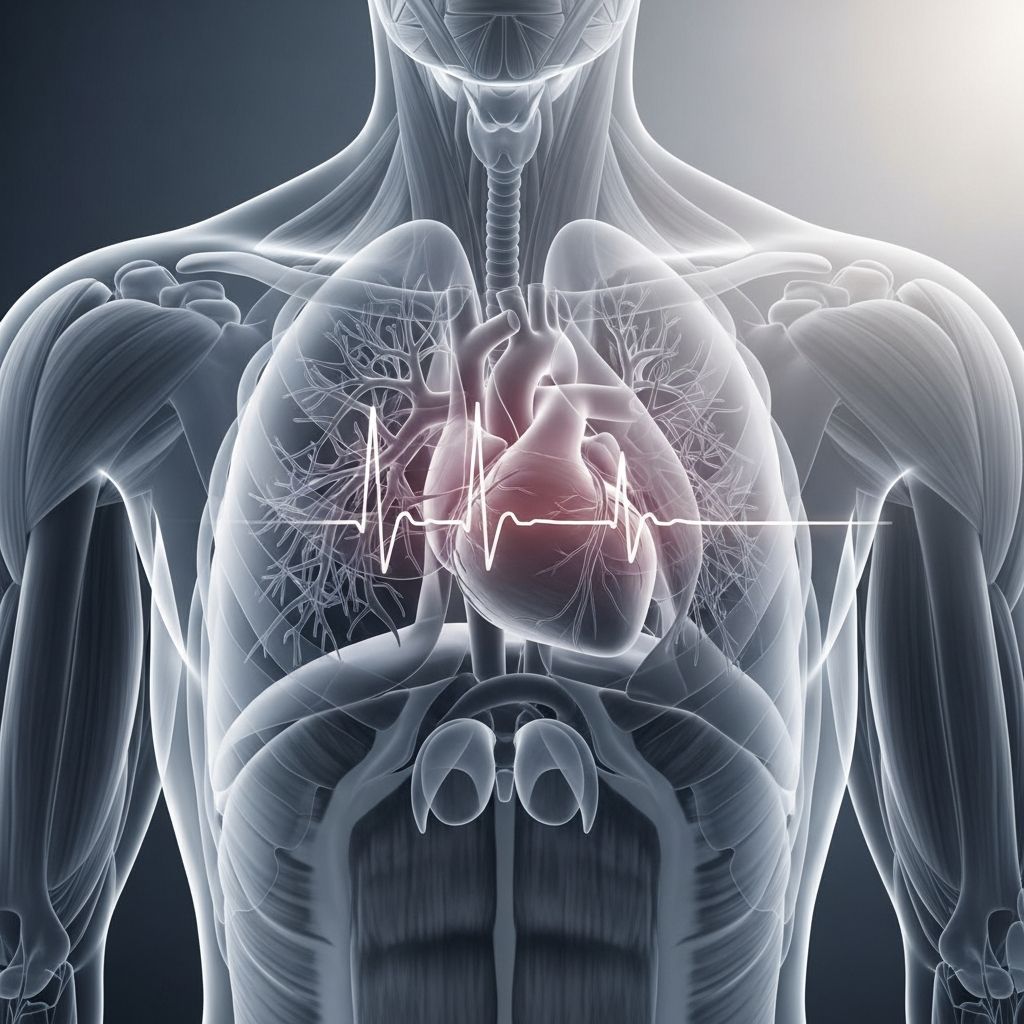
Heart failure stands as one of the most common causes of orthopnea. In heart failure, the heart cannot pump blood efficiently throughout the body. When you lie down, blood that normally pools in your lower extremities returns to your heart more readily. Because the weakened heart struggles to manage this additional fluid load, fluid backs up into your lungs, causing the characteristic breathing difficulty. Congestive heart failure, in particular, frequently presents with orthopnea as a primary symptom.
Lung and Respiratory Causes
Chronic obstructive pulmonary disease (COPD) frequently causes orthopnea because lying down compresses the chest and restricts the space available for lung expansion. Other lung diseases, including pulmonary fibrosis and chronic bronchitis, can similarly trigger this symptom. Pneumonia and other acute respiratory infections may also temporarily cause orthopnea during active illness.
Additional Contributing Conditions
Obesity can worsen orthopnea by putting additional pressure on the lungs and diaphragm when lying flat. Pregnancy may cause temporary orthopnea due to the enlarged uterus pressing against the diaphragm. Allergies, asthma, and sleep apnea can all contribute to or exacerbate breathing difficulties when lying down.
Related Stories



Diagnosing Orthopnea
Proper diagnosis of orthopnea requires a comprehensive evaluation by a healthcare provider who will take a detailed medical history and perform appropriate testing.
Medical Evaluation
Your healthcare provider will ask specific questions about when your symptoms started, how many pillows you need to sleep comfortably, and whether you wake up gasping for breath. They will perform a physical examination, including listening to your lungs and heart with a stethoscope to detect abnormal sounds.
Diagnostic Tests
To determine the underlying cause of orthopnea, your healthcare provider may order several tests:
– Echocardiogram: An ultrasound of the heart that shows how well it pumps blood- Chest X-ray: An imaging test that reveals fluid in the lungs or heart enlargement- Blood tests: Including BNP (B-type natriuretic peptide) testing to assess heart function- Overnight pulse oximetry or sleep study: Documents oxygen levels during sleep and detects apnea events- Electrocardiogram (EKG): Records electrical activity of the heart- Pulmonary function tests: Measures how well your lungs work
Treatment Options for Orthopnea
Treatment for orthopnea focuses on addressing the underlying medical condition while providing symptomatic relief. Your healthcare provider will develop a personalized treatment plan based on the cause and severity of your symptoms.
Immediate Symptom Relief
In the short term, simple positioning changes can provide significant relief. Sitting upright or standing immediately relieves the breathing difficulty by allowing gravity to assist lung expansion. Using additional pillows to elevate your upper body while sleeping helps prevent fluid from accumulating in your lungs. An adjustable mattress or foam wedge can be particularly helpful for maintaining an elevated sleeping position throughout the night.
Medical Treatments
Depending on the underlying cause, your healthcare provider may recommend various medications and therapies:
– Diuretics: Medications that help eliminate excess fluid from your body- ACE inhibitors and beta-blockers: Heart medications that improve heart function- Supplemental oxygen therapy: Increases oxygen availability when breathing becomes difficult- Bronchodilators and inhaled corticosteroids: Help open airways in respiratory conditions- Anticoagulants or antiplatelet medications: May be prescribed for certain heart conditions
Advanced Interventions
For some patients, more advanced treatment options may be necessary. Pacemakers or implantable cardioverter-defibrillators (ICDs) can help regulate heart rhythm. Positive airway pressure devices, such as CPAP machines, help maintain open airways during sleep. In severe cases, surgical interventions may be required to address the underlying condition.
The Tripod Position: An Immediate Breathing Technique
Healthcare providers often teach the tripod position, also called the orthopneic position, as an immediate technique for managing acute shortness of breath. To assume this position, lean forward slightly while supporting yourself with your hands on your knees or with your arms resting on a table or stack of pillows. This position allows your lungs to expand more fully and engages accessory muscles that assist with breathing, reducing the work your respiratory system must perform. While the tripod position provides temporary relief, it is not a long-term solution and should be combined with appropriate medical treatment.
Lifestyle Modifications and Prevention
Making certain lifestyle changes can help manage orthopnea and reduce your risk of developing related complications:
– Maintain a healthy weight through balanced nutrition and regular physical activity- Limit sodium intake to reduce fluid retention- Monitor fluid intake as directed by your healthcare provider- Avoid lying flat immediately after eating large meals- Sleep with your head elevated on multiple pillows or an adjustable bed- Exercise regularly as approved by your healthcare provider to strengthen your heart and lungs- Manage stress through relaxation techniques and meditation- Quit smoking if applicable, as smoking damages lung tissue- Avoid environmental irritants and allergens that trigger respiratory symptoms- Attend all scheduled medical appointments and take medications as prescribed
The best way to prevent orthopnea is to reduce your risk of developing the underlying conditions that cause it. Living a healthy lifestyle through proper diet, regular exercise, weight management, and stress reduction significantly decreases your likelihood of developing heart failure, COPD, and other conditions associated with orthopnea.
When to Seek Medical Attention
If you experience shortness of breath when lying down, you should contact your healthcare provider for evaluation. Emergency medical attention is necessary if you experience severe breathing difficulty, chest pain, confusion, or loss of consciousness. Finding and treating the underlying condition causing orthopnea can dramatically improve your ability to breathe comfortably when lying down and enhance your overall quality of life.
Prognosis and Recovery
The outlook for orthopnea depends on the underlying cause, the severity of the condition, and how well the underlying medical problem responds to treatment. With appropriate medical management and lifestyle modifications, many people experience significant improvement in their breathing symptoms. Some individuals may see dramatic improvement within weeks of starting treatment, while others may require ongoing management. The key to successful management is early identification, proper diagnosis, and consistent adherence to your healthcare provider’s treatment recommendations.
Frequently Asked Questions About Orthopnea
Q: Is orthopnea always serious?
A: Yes, orthopnea is almost always a sign of an underlying medical condition that requires professional evaluation. While not every case indicates a life-threatening emergency, the symptom warrants prompt medical assessment to identify and address the underlying cause.
Q: Can orthopnea go away on its own?
A: Orthopnea typically does not resolve without treating the underlying medical condition causing it. However, managing symptoms through positioning, elevation, and medication may provide relief while your healthcare provider addresses the root cause.
Q: How many pillows indicate orthopnea?
A: Needing more than two pillows to breathe comfortably when lying down may suggest orthopnea and warrants a medical evaluation to determine the underlying cause.
Q: Can weight loss help with orthopnea?
A: Yes, weight loss can be beneficial for some patients, particularly those with obesity-related orthopnea. Reducing excess weight decreases pressure on the lungs and diaphragm, potentially improving breathing symptoms.
Q: How quickly does orthopnea improve with treatment?
A: The timeline for improvement depends on the underlying cause and the effectiveness of treatment. Some patients notice improvements within days or weeks, while others may require several months of consistent treatment to see significant progress.
Q: Is orthopnea the same as sleep apnea?
A: No, orthopnea and sleep apnea are different conditions. Orthopnea is breathing difficulty when lying down that improves with position changes, while sleep apnea involves repeated breathing interruptions during sleep. However, the two conditions can coexist in some patients.
References
- Orthopnea: Causes, Symptoms, Diagnosis & Treatment — Cleveland Clinic. 2023-11-17. https://my.clevelandclinic.org/health/symptoms/orthopnea
- Orthopnea: Symptoms, Causes, Diagnosis, and Treatment — WebMD. https://www.webmd.com/lung/lung-what-is-orthopnea
- Tripod Position: Orthopneic, Purpose & How It Works — Cleveland Clinic. 2025-05-01. https://my.clevelandclinic.org/health/treatments/tripod-position
- 5 Common Symptoms of Heart Failure — Cleveland Clinic. https://health.clevelandclinic.org/these-common-symptoms-of-heart-failure-may-signify-your-heart-isnt-functioning-as-well-as-it-should
- Pleural Effusion: Symptoms, Causes & Treatment — Cleveland Clinic. https://my.clevelandclinic.org/health/diseases/17373-pleural-effusion
- Dyspnea (Shortness of Breath): Causes, Symptoms & Treatment — Cleveland Clinic. https://my.clevelandclinic.org/health/symptoms/16942-dyspnea
- Paroxysmal Nocturnal Dyspnea (PND) — Cleveland Clinic. https://my.clevelandclinic.org/health/symptoms/paroxysmal-nocturnal-dyspnea
Similar Articles








Read full bio of medha deb