Orthorexia: An Obsession with Eating Pure
Discover the risks of orthorexia, an unhealthy fixation on 'pure' eating that can lead to malnutrition, isolation, and emotional distress.
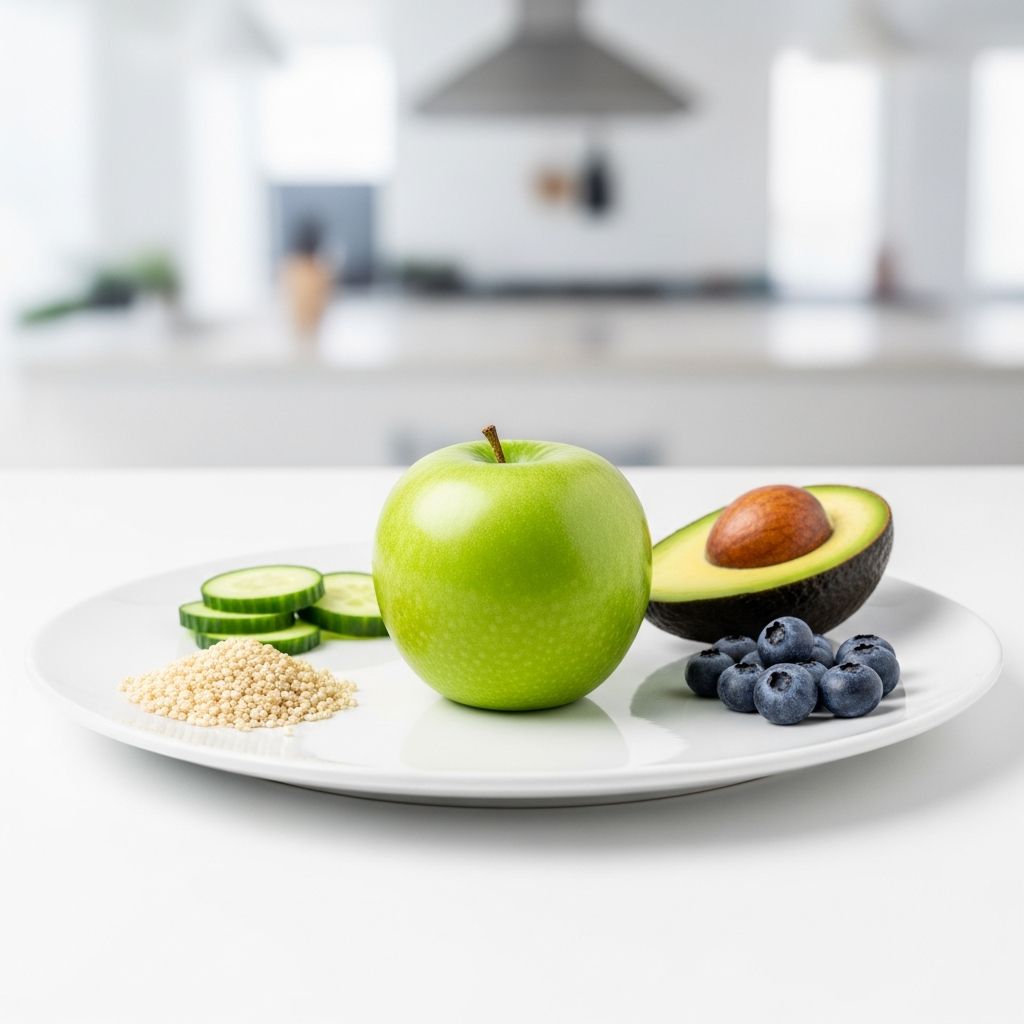
Orthorexia, derived from Greek words meaning ”right appetite,” refers to an unhealthy fixation on eating only foods perceived as pure and healthy. Unlike typical dieting, this obsession escalates into rigid rules that compromise nutrition, relationships, and well-being. While not formally recognized in the DSM-5, experts describe it as a pattern resembling anorexia nervosa or obsessive-compulsive disorder (OCD), where food quality trumps all else.
Initially motivated by wellness goals, orthorexia leads individuals to eliminate food groups progressively, spending excessive time on meal planning and preparation. This can result in malnutrition, weight loss, and emotional distress, despite the absence of body image distortion focused on thinness. Public health campaigns promoting healthy eating may inadvertently fuel this disorder, especially among those vulnerable to perfectionism.
What Is Orthorexia?
Orthorexia nervosa involves a pathological preoccupation with food purity, where individuals compulsively avoid anything deemed unhealthy. Proposed diagnostic criteria include compulsive behaviors around dietary practices believed to optimize health, escalating restrictions, and impairment from these rules. For instance, a case study describes a man who spent 3-5 hours daily on food preparation, feeling profound guilt after consuming prohibited items like meat, leading to fasting as ”correction”.
This differs from mindful eating: healthy habits enhance life without dominating it. In orthorexia, food becomes a moral battleground, with ”pure” choices conferring superiority and ”impure” ones evoking shame. Additional features include distress near forbidden foods, exaggerated beliefs in diet curing illness, and judging others’ choices.
Signs and Symptoms of Orthorexia
Recognizing orthorexia early is crucial, as symptoms mimic wellness trends. Common signs include:
- Compulsive label-checking and ingredient scrutiny.
- Eliminating food groups like sugars, carbs, dairy, or meats.
- Unable to eat outside a narrow ”pure” selection.
- Unusual concern for others’ diets, coupled with intolerance.
- Sense of moral superiority from dietary adherence.
- Anxiety, guilt, or shame after ”slips,” prompting cleanses or fasts.
Physical cues involve unintended weight loss, fatigue, and nutrient deficiencies. Emotionally, it manifests as rigid rituals disrupting daily life, similar to OCD. Unlike anorexia, weight loss is secondary to health purity ideals.
Risk Factors for Orthorexia
Several factors heighten orthorexia risk, blending biological, psychological, and cultural influences. Key contributors include:
- Perfectionism, overweight preoccupation, and appearance focus.
- History of eating disorders, OCD, anxiety, or depression.
- Neurocognitive deficits in set-shifting, attention, and memory, akin to anorexia/OCD.
- Cultural pressures from diet trends and social media ”clean eating” ideals.
- Premorbid obesity, parental feeding practices, or insecure attachment.
Pathophysiology may involve dopamine dysregulation in reward circuits, mirroring anorexia. Women and those in health professions like nutrition or fitness are disproportionately affected.
Health Effects of Orthorexia
Orthorexia’s restrictive nature precipitates severe health consequences. Nutritional shortfalls lead to malnutrition, anemia, osteopenia, electrolyte imbalances (e.g., hyponatremia), bradycardia, and even rare issues like pneumothorax. Muscle loss, menstrual irregularities, and cardiovascular risks follow.
| Nutrient Deficiency | Potential Effects |
|---|---|
| Vitamin B12/Iron | Anemia, fatigue |
| Calcium/Vitamin D | Osteopenia, bone fractures |
| Electrolytes | Heart arrhythmias, weakness |
| Protein/Calories | Muscle wasting, immune suppression |
Psychologically, it fosters isolation, as social eating becomes impossible. Self-worth ties excessively to compliance, amplifying distress. Long-term, it heightens risks for full eating disorders or psychosis.
Orthorexia vs. Healthy Eating
Distinguishing orthorexia from balanced nutrition prevents pathologizing wellness. Use this comparison:
| Aspect | Healthy Eating | Orthorexia |
|---|---|---|
| Focus | Balance, variety, enjoyment | Purity, restriction, morality |
| Flexibility | Occasional treats allowed | Rigid rules, no exceptions |
| Impact | Enhances energy, social life | Causes distress, isolation |
| Time Spent | Moderate planning | Hours daily obsessing |
Healthy eaters savor meals; orthorexics view food solely as medicine. If habits interfere with life, professional evaluation is advised.
Treatment and Recovery from Orthorexia
Treatment mirrors other eating disorders: multidisciplinary, emphasizing cognitive-behavioral therapy (CBT), nutritional counseling, and medical monitoring. Goals include:
- Challenging rigid beliefs via CBT to foster flexibility.
- Gradual food reintroduction under dietitian guidance.
- Addressing co-occurring anxiety/OCD with therapy or medication.
- Building social support to normalize eating.
Recovery involves self-compassion, viewing slips as learning opportunities. Support groups like those from NEDA aid relapse prevention. Early intervention improves outcomes, restoring balanced enjoyment of food.
Frequently Asked Questions (FAQs)
Q: Is orthorexia an official eating disorder?
A: No, it’s not in the DSM-5, but proposed criteria exist, and it’s viewed as akin to anorexia or OCD by experts.
Q: Can orthorexia cause physical harm?
A: Yes, leading to malnutrition, weight loss, nutrient deficiencies, and complications like anemia or heart issues.
Q: How does orthorexia differ from anorexia nervosa?
A: Anorexia fixates on thinness; orthorexia on food purity, though both involve restriction and health risks.
Q: Who is at risk for orthorexia?
A: Those with perfectionism, eating disorder history, OCD, or exposure to extreme diet culture.
Q: How is orthorexia treated?
A: Through CBT, nutritional therapy, medical care, and support groups to promote flexible, joyful eating.
Q: Can I recover from orthorexia on my own?
A: Self-awareness helps, but professional guidance is recommended for severe cases to address root causes safely.
This comprehensive overview equips readers to identify orthorexia, seek help, and promote true wellness. Consult professionals for personalized advice.
References
- Orthorexia Nervosa: An Obsession With Healthy Eating — National Center for Biotechnology Information (PMC/NIH). 2019-02-28. https://pmc.ncbi.nlm.nih.gov/articles/PMC6370446/
- Orthorexia: Symptoms, Risks & Treatment — National Eating Disorders Association (NEDA). 2023-10-01. https://www.nationaleatingdisorders.org/orthorexia/
- What is Orthorexia? Signs, Symptoms, and Treatment — Monte Nido. 2024-05-15. https://www.montenido.com/what-we-treat/orthorexia
- Orthorexia Nervosa: Signs, Symptoms, and Treatment — HelpGuide.org. 2024-08-20. https://www.helpguide.org/mental-health/eating-disorders/orthorexia-nervosa
- Eating Disorders – Symptoms and Causes — Mayo Clinic. 2024-11-12. https://www.mayoclinic.org/diseases-conditions/eating-disorders/symptoms-causes/syc-20353603
- What Is Orthorexia? — WebMD. 2024-07-10. https://www.webmd.com/mental-health/eating-disorders/what-is-orthorexia
Similar Articles








Read full bio of medha deb