Osler Nodes And Janeway Lesions: Key Signs And Diagnosis
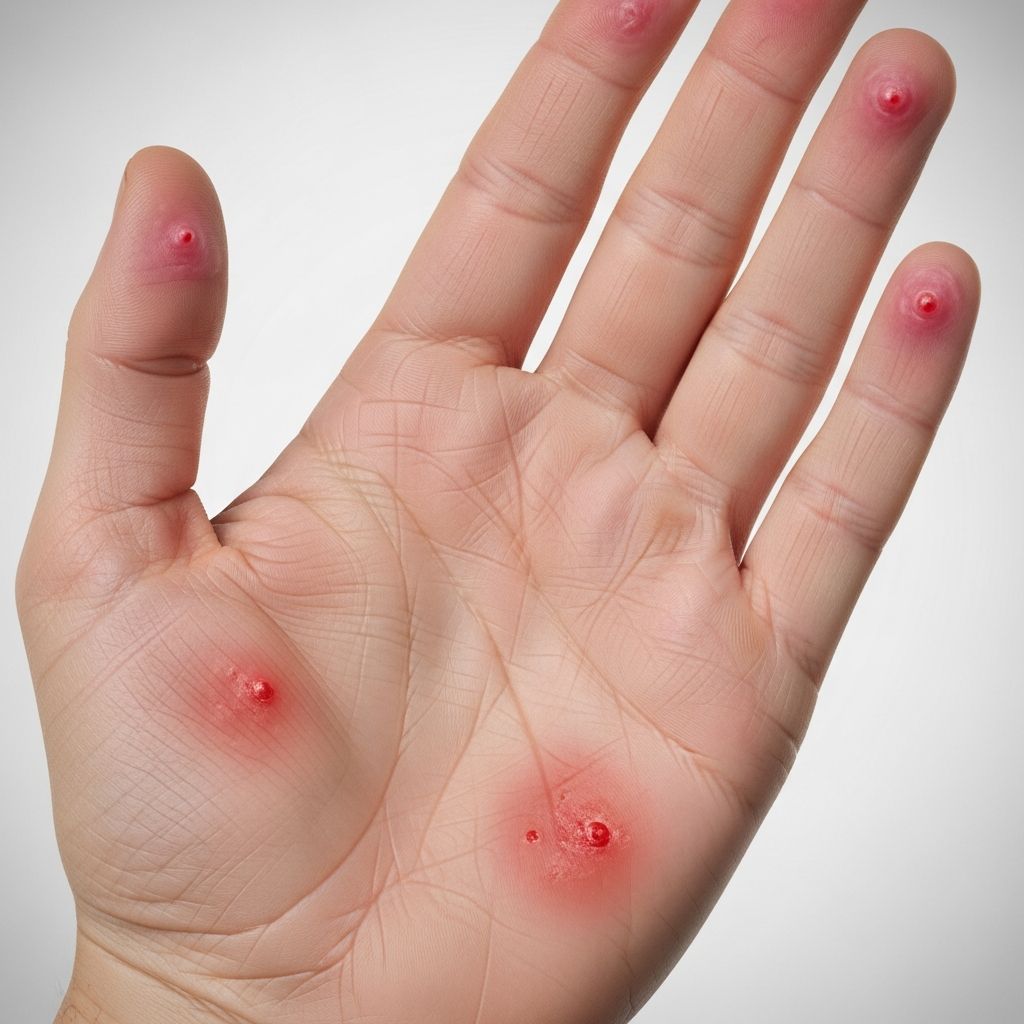
Skin signs of bacterial endocarditis: tender Osler nodes on fingers/toes vs painless Janeway lesions on palms/soles.
Osler nodes and Janeway lesions represent rare yet significant cutaneous manifestations primarily linked to bacterial endocarditis, though occasionally observed in other systemic conditions. These lesions serve as critical diagnostic clues, prompting urgent medical evaluation for underlying infective processes.
What are Osler nodes and Janeway lesions?
Osler nodes and Janeway lesions are distinctive skin findings most commonly associated with infective endocarditis, a potentially life-threatening infection of the heart’s inner lining. While Osler nodes are characterized by their tenderness and nodular appearance on the distal extremities, Janeway lesions present as painless, hemorrhagic macules on the palms and soles. Both arise from the interplay of septic emboli and immune responses during infection.
These lesions were first documented in the late 19th century. Osler nodes were described by Sir William Osler in 1893, earning their name in recognition of his emphasis on their diagnostic value. Janeway lesions were identified by Edward Janeway in 1899. Despite their historical names, modern understanding attributes both to microembolic phenomena from endocarditis vegetations.
Who gets Osler nodes and Janeway lesions?
These lesions predominantly affect individuals with infective endocarditis, particularly those with predisposing factors such as valvular heart disease, congenital heart defects, prosthetic heart valves, or intravenous drug use. The condition spans all ages but is more prevalent in adults with cardiac risk factors. Acute endocarditis, often caused by aggressive pathogens like Staphylococcus aureus, is more likely to produce Janeway lesions, while subacute forms from viridans streptococci correlate more with Osler nodes.
Rarely, similar lesions appear in non-endocarditis settings, including systemic lupus erythematosus (SLE), gonococcemia, hemolytic anemia, and typhoid fever. Recognition in these contexts requires careful clinical correlation.
What causes Osler nodes and Janeway lesions?
The pathogenesis involves septic microemboli dislodged from infected heart valve vegetations. For Osler nodes, these emboli lodge in the dermal glomus apparatus, triggering painful inflammation via immune complex deposition and vasculitis. Janeway lesions result from direct bacterial invasion leading to localized necrosis and hemorrhage, without significant pain.
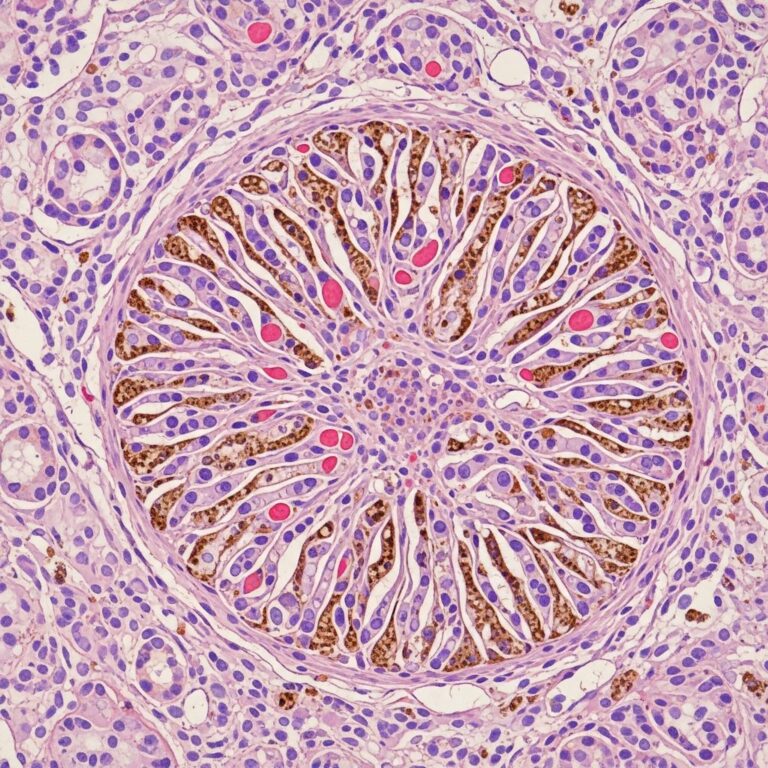
Histologically, both show dermal microabscesses and fibrinoid necrosis, though bacteria are infrequently visualized on routine stains. Tissue culture may confirm infection. According to modified Duke criteria, Osler nodes qualify as immunologic phenomena, while Janeway lesions are vascular phenomena.
Common causative organisms include Staphylococcus aureus (acute cases), streptococci, Pseudomonas, Bartonella, and others. In acute endocarditis, S. aureus predominates.
What are the clinical features of Osler nodes and Janeway lesions?
Osler nodes
Osler nodes manifest as tender, red-purple nodules, typically 1-5 mm in diameter, often with a pale center. Pain precedes visible lesions by hours to a day. They favor the finger and toe pads, thenar/hypothenar eminences, and lateral digits. Lesions evolve rapidly, lasting hours to days, and resolve without scarring.
- Appearance: Raised, erythematous-purple nodules with central pallor
- Location: Distal fingers/toes (pads), palms proximally
- Sensation: Painful/tender
- Duration: Hours to several days
- Number: Few to multiple
Related Stories



Janeway lesions
In contrast, Janeway lesions are nontender, irregular, erythematous or hemorrhagic macules/nodules (2-10 mm), often with a burnt-out center. They predominantly affect palms and soles, especially thenar/hypothenar areas. These persist longer, days to weeks, before spontaneous resolution.
- Appearance: Flat/maculopapular, hemorrhagic
- Location: Palms/soles (thenar/hypothenar)
- Sensation: Nonpainful
- Duration: Days to weeks
- Number: Few
Associated endocarditis signs
Patients often exhibit systemic symptoms: fever, fatigue, dyspnea, chest pain, or palpitations. Other peripheral stigmata include splinter hemorrhages (proximal nail beds), Roth spots, petechiae, and splenomegaly.
Pathology of Osler nodes and Janeway lesions
Histopathology reveals septic emboli, microabscesses, and leukocytoclastic vasculitis. Osler nodes show more pronounced immune-mediated changes, while Janeway lesions emphasize vasculonecrosis. Bacteria are rarely seen; special stains or culture aid identification.
Diagnosis of Osler nodes and Janeway lesions
Diagnosis relies on clinical morphology, location, tenderness, and endocarditis context. Blood cultures, echocardiography, and Duke criteria confirm underlying infection. Skin biopsy, though nonspecific, supports with embolic findings. Differentiate from vasculitis, emboli, or trauma via history and labs.
| Feature | Osler Nodes | Janeway Lesions |
|---|---|---|
| Pain | Tender | Non-tender |
| Morphology | Nodular (raised) | Macular/papular (flat) |
| Location | Fingers/toes | Palms/soles |
| Duration | Hours-days | Days-weeks |
| Endocarditis type | Subacute | Acute |
Differential diagnosis of Osler nodes and Janeway lesions
- Trauma: History of injury; resolves quickly
- Small vessel vasculitis: Symmetric purpura, systemic symptoms; biopsy shows IgA or leukocytoclasia
- Emboli (noninfective): Cholesterol emboli (blue toe), atrial fibrillation
- Infective mimics: Gonococcemia, meningococcemia, typhoid
- Autoimmune: SLE, antiphospholipid syndrome
- Other: Polyarteritis nodosa, hyperviscosity, drug reactions
Investigations for bacterial endocarditis
Urgent blood cultures (3 sets), transthoracic/transesophageal echocardiography, CBC, ESR/CRP, ECG, chest X-ray. Duke criteria integrate major (positive cultures, echo evidence) and minor criteria (fever, vascular/immunologic phenomena like these lesions).
Management of Osler nodes and Janeway lesions
Lesions heal spontaneously without specific therapy. Treatment targets endocarditis: prolonged IV antibiotics tailored to cultures (e.g., vancomycin for MRSA, penicillin for streptococci). Surgical valve repair/replacement for complications. Prognosis improves with early intervention.
What’s new in Osler nodes and Janeway lesions?
Recent insights emphasize their rarity in antibiotic era (down from 40-90% pre-antibiotics), yet diagnostic value persists. Advances in echocardiography and molecular diagnostics enhance endocarditis detection. Culture-negative cases (e.g., HACEK organisms, fungi) may still show these signs.
Frequently asked questions
Are Osler nodes always painful?
Yes, tenderness distinguishes them from Janeway lesions; pain often precedes visibility.
Do Janeway lesions scar?
No, both lesion types resolve without sequelae.
Can these occur without endocarditis?
Rarely, in SLE, gonorrhea, or typhoid fever.
How common are they in endocarditis?
Osler nodes: 10-25%; Janeway rarer, more in acute cases.
Is biopsy necessary?
Not routine; clinical context suffices, but useful if diagnosis unclear.
References
- Osler Node and Janeway Lesions – StatPearls — Khalid A, Abdul M, Singh J. 2023-08-08. https://www.ncbi.nlm.nih.gov/books/NBK557621/
- Osler nodes, Janeway lesions (bacterial endocarditis) — DermNet NZ. 2023. https://dermnetnz.org/topics/osler-nodes-and-janeway-lesions
- Dermatologic manifestations of infective endocarditis — Oliveira GHS, et al. 2017-02-01. https://pmc.ncbi.nlm.nih.gov/articles/PMC5325006/
Similar Articles








Read full bio of medha deb