Osteoarthritis: Causes, Symptoms, and Treatment
Complete guide to understanding osteoarthritis, its risk factors, symptoms, diagnosis, and effective treatment options.
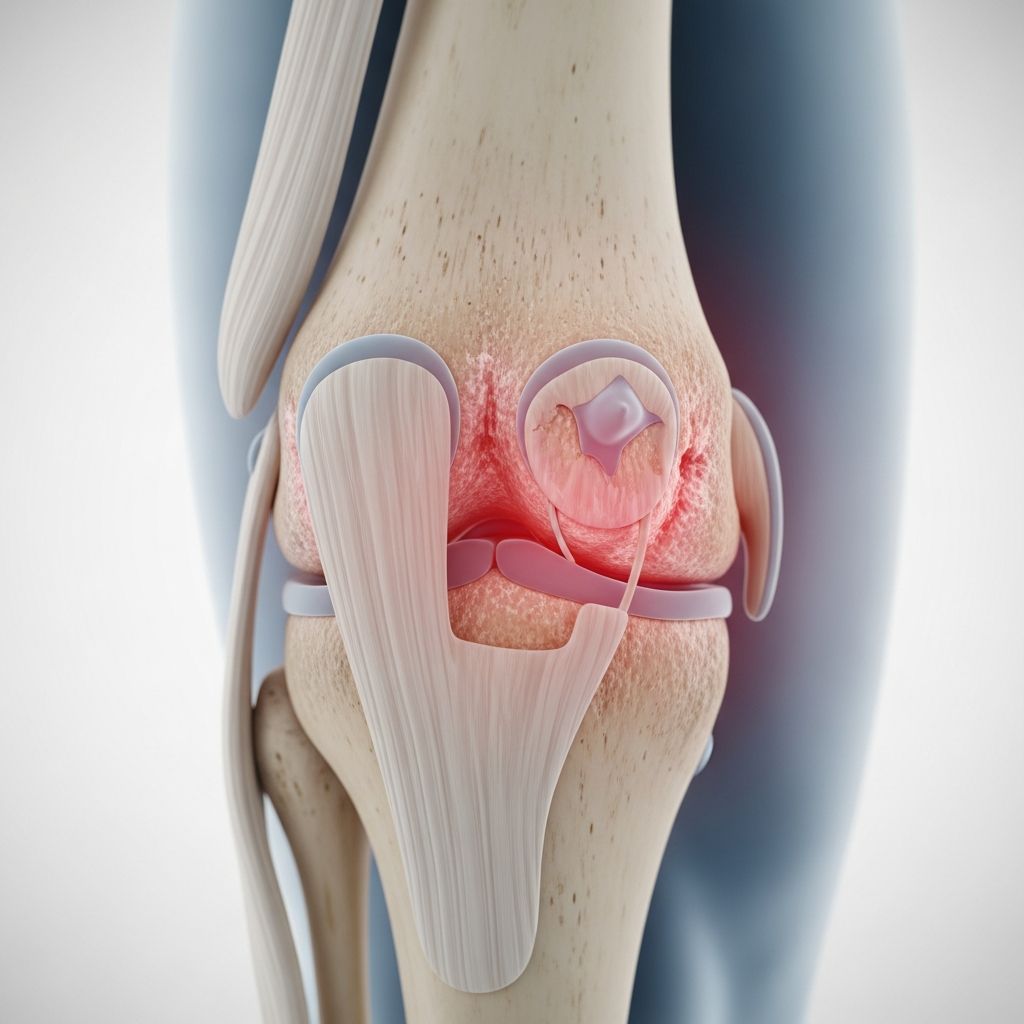
Understanding Osteoarthritis
Osteoarthritis (OA) is the most common form of arthritis, affecting millions of individuals across the United States and worldwide. This chronic degenerative joint disease occurs when the protective cartilage that cushions the ends of bones gradually wears down over time. Unlike other forms of arthritis that result from autoimmune conditions or infections, osteoarthritis develops primarily through wear and tear on the joints, making it a degenerative condition rather than an inflammatory one in its essence, though inflammation does play a role in symptom development.
The condition is particularly prevalent among older adults, with rates increasing significantly after age 65. However, osteoarthritis can develop at any age, especially in individuals who have experienced joint injuries or who engage in repetitive joint stress. The disease frequently leads to chronic pain and disability, substantially impacting quality of life and functional independence. As the population ages globally, osteoarthritis has become an increasingly significant public health concern, creating substantial financial burdens on healthcare systems and individuals.
Risk Factors for Osteoarthritis Development
Multiple factors contribute to the development of osteoarthritis, and understanding these risk factors can help individuals take preventive measures. The following factors increase the likelihood of developing OA:
- Age: Risk increases significantly after age 45, with most cases occurring in people over 65 years old
- Gender: Women are more likely to develop osteoarthritis than men, particularly after menopause
- Overweight and Obesity: Extra body weight places additional stress on weight-bearing joints like the knees, hips, and spine
- Previous Joint Injuries: Traumatic injuries to joints, including fractures and ligament tears, increase OA risk
- Repetitive Joint Use: Occupations or activities requiring repetitive joint movements can accelerate cartilage breakdown
- Muscle Weakness: Weak muscles surrounding joints fail to provide adequate support and stability
- Low Bone Density: Reduced bone density contributes to joint deterioration
- Joint Instability: Ligament laxity or structural joint abnormalities increase stress on cartilage
- Family History: Genetic factors may predispose individuals to osteoarthritis
Symptoms and Signs of Osteoarthritis
Osteoarthritis symptoms develop gradually and typically worsen over time. Common symptoms include:
- Joint Pain: Pain during or after movement, or when pressure is applied to the joint
- Stiffness: Joint stiffness that is often worst in the morning or after periods of inactivity
- Swelling: Mild swelling and inflammation in and around affected joints
- Reduced Range of Motion: Decreased ability to move the joint through its full range
- Bone Spurs: Hard lumps that may develop around affected joints
- Cracking or Grinding Sensation: A gritty feeling or grinding noise when moving the joint
The severity of symptoms varies widely among individuals and does not always correlate with the degree of structural damage visible on imaging studies. Some people with severe cartilage damage may experience minimal symptoms, while others with less advanced disease may have significant pain and functional limitations.
Commonly Affected Joints
Osteoarthritis can affect any joint in the body, but it most commonly develops in weight-bearing joints and joints that are frequently used. The most commonly affected sites include:
- Knees: Most common location, especially in overweight or obese individuals
- Hips: Major weight-bearing joint frequently affected by OA
- Hands: Particularly the base of the thumb and finger joints
- Feet: Often affects the big toe
- Spine: Can develop in the neck (cervical) or lower back (lumbar) regions
Diagnosis of Osteoarthritis
Healthcare providers use a combination of methods to diagnose osteoarthritis. The diagnostic process typically begins with a thorough medical history and physical examination. During the physical exam, doctors assess joint pain, range of motion, and signs of inflammation. Patients are asked about their symptoms, when they started, what activities make them worse, and how they impact daily functioning.
Related Stories



Imaging Studies: X-rays are the primary imaging tool used to diagnose osteoarthritis. They can reveal joint space narrowing, cartilage loss, bone spurs, and other degenerative changes characteristic of OA. In some cases, magnetic resonance imaging (MRI) may be used to evaluate soft tissue structures and assess cartilage damage more precisely.
Laboratory Tests: While there are no specific blood tests to diagnose osteoarthritis, blood work may be performed to rule out other forms of arthritis, such as rheumatoid arthritis, that present with similar symptoms.
Joint Imaging Classification: The Kellgren-Lawrence scale is commonly used to classify the severity of knee osteoarthritis on X-rays, ranging from grade 0 (no OA) to grade 4 (severe OA with significant cartilage loss and bone damage).
Treatment Options for Osteoarthritis
Current treatment for osteoarthritis focuses on managing symptoms, reducing pain, maintaining quality of life, and preserving functional independence. While there are currently no pharmacological agents capable of reversing cartilage damage or preventing disease progression, a comprehensive treatment approach combining multiple strategies often provides the most effective symptom management.
Non-Medication Management
Exercise and Physical Activity: Regular exercise is strongly recommended for all patients with osteoarthritis. Physical activity helps maintain joint flexibility, strengthen supporting muscles, improve cardiovascular health, and manage weight. Recommended exercises include low-impact activities such as swimming, walking, cycling, and water aerobics. Physical and occupational therapists can design personalized exercise programs targeting specific affected joints.
Weight Management: For overweight or obese patients with knee and hip osteoarthritis, weight loss is strongly recommended. Even modest weight reduction of 5-10% can significantly decrease joint stress and reduce pain. A combination of dietary modifications and increased physical activity supports sustainable weight management.
Activity Modification: Avoiding high-impact activities such as running, jumping, and activities involving twisting motions can reduce joint irritation. Modifying daily activities and using proper body mechanics during work and household tasks helps minimize joint stress.
Assistive Devices: Canes, walkers, crutches, braces, and orthoses can reduce stress on affected joints and improve stability. Hand orthoses for thumb osteoarthritis and knee braces for various types of knee OA have strong evidence supporting their use.
Self-Management Programs: Self-efficacy and self-management education programs help patients develop strategies for pain management and functional improvement. These programs teach techniques for managing symptoms, reducing stress, and maintaining quality of life.
Mind-Body Therapies: Tai chi and yoga are conditionally recommended for osteoarthritis management. These practices combine gentle movement, stretching, and mindfulness, providing both physical and psychological benefits. Cognitive behavioral therapy may help patients develop coping strategies for chronic pain.
Thermal Modalities: Heat and cold therapy can provide temporary pain relief. Heat application reduces stiffness and muscle tension, while cold application can reduce inflammation and swelling during acute flare-ups.
Medication Management
Nonsteroidal Anti-inflammatory Drugs (NSAIDs): Oral NSAIDs such as ibuprofen and naproxen are recommended for managing osteoarthritis pain and inflammation. These medications reduce pain and swelling but should be used at the lowest effective dose for the shortest duration to minimize side effects, particularly gastrointestinal complications.
Topical NSAIDs: Topical NSAID preparations applied directly to the skin over affected joints are recommended for knee osteoarthritis and conditionally recommended for hand OA. These provide localized pain relief with minimal systemic absorption.
Acetaminophen: This analgesic is a conditionally recommended option for osteoarthritis pain management, particularly for patients who cannot tolerate NSAIDs.
Duloxetine: This serotonin-norepinephrine reuptake inhibitor is conditionally recommended for osteoarthritis pain management and may be particularly useful for patients with comorbid depression or anxiety.
Tramadol: This opioid analgesic is conditionally recommended and may be considered for moderate to severe pain that does not respond to other treatments, though long-term use should be carefully monitored.
Topical Capsaicin: This cream derived from chili peppers is conditionally recommended for knee osteoarthritis and may provide pain relief through a mechanism involving substance P depletion.
Intra-Articular Therapies
Glucocorticoid Injections: Intra-articular steroid injections are strongly recommended for knee osteoarthritis and conditionally recommended for hand OA. These injections deliver anti-inflammatory medication directly into the affected joint, providing localized symptom relief that may last several weeks to months. The need for four or more injections suggests consideration of surgical intervention.
Hyaluronate Injections: These gel-like injections are administered as a series of 3 to 5 weekly injections and may reduce pain in knee osteoarthritis for up to 6 months in some patients. Chondroitin sulfate is conditionally recommended for hand OA.
Platelet-Rich Plasma and Stem Cell Therapies: Emerging regenerative medicine approaches are being investigated as potential treatments, though these are not yet standard therapy and require further research.
Other Treatment Modalities
Acupuncture: Traditional acupuncture is conditionally recommended as a treatment option for osteoarthritis pain management.
Radiofrequency Ablation: For knee osteoarthritis refractory to other treatments, radiofrequency ablation is conditionally recommended.
Kinesiotaping: Therapeutic taping techniques are conditionally recommended for thumb carpometacarpal joint OA.
Surgical Management
Surgical intervention is considered when conservative treatments fail to provide adequate symptom relief and functional improvement. Patients with severe pain at rest, nighttime pain, or significant functional limitations despite maximal medical therapy are candidates for surgery.
Arthroscopy: Arthroscopic procedures involve inserting a small camera into the joint to visualize and potentially remove loose bodies or repair degenerative menisci. However, the evidence supporting arthroscopy for primary OA treatment is limited.
Osteotomy: Tibial osteotomy, a procedure that realigns the bone, may be an option for some patients with less than 10 degrees of varus angulation and stable ligamentous support.
Arthroplasty: Total joint replacement (arthroplasty) is recommended for patients with severe structural damage, significant deformity, or severe ligamentous instability who have exhausted conservative treatment options. This procedure replaces the damaged joint with an artificial implant, dramatically reducing pain and improving function in appropriately selected patients.
Functional Assessment and Outcomes
Healthcare providers use various functional assessment tools to evaluate a patient’s current level of activity and mobility and to track changes over time. These assessments help determine the effectiveness of treatment interventions and guide adjustments to the treatment plan. Outcome measures may include pain scores, range of motion measurements, walking distance, stair-climbing ability, and self-reported functional status.
Living with Osteoarthritis
Managing osteoarthritis requires a comprehensive, individualized approach that considers each patient’s values, preferences, and comorbidities. Successful management typically involves a combination of non-medication and medication strategies, regular physical activity, appropriate weight management, and modification of daily activities to reduce joint stress. Patient education and engagement in shared decision-making with healthcare providers are essential for optimal outcomes.
Most individuals with osteoarthritis can maintain an active, functional lifestyle with appropriate treatment. The goal of therapy is to achieve manageable pain levels, maintain quality of life, preserve functional independence, and enable patients to continue engaging in activities they enjoy.
Future Directions in Osteoarthritis Treatment
Research continues to focus on understanding the pathophysiology of osteoarthritis and developing new therapeutic approaches. Scientists are investigating disease-modifying agents that might slow or halt disease progression, regenerative medicine approaches including stem cell therapy, and biomarkers that could enable earlier disease detection. As our understanding of OA mechanisms advances, new treatment options will likely emerge to provide more effective disease-modifying therapy beyond current symptom management approaches.
Frequently Asked Questions
Q: What is the difference between osteoarthritis and rheumatoid arthritis?
A: Osteoarthritis is a degenerative joint disease caused by wear and tear, while rheumatoid arthritis is an autoimmune disease where the immune system attacks joint tissue. OA typically develops gradually with age, whereas RA can develop at any age and often affects multiple joints symmetrically.
Q: Can osteoarthritis be prevented?
A: While osteoarthritis cannot always be prevented, maintaining a healthy weight, staying physically active, avoiding joint injuries, and using proper body mechanics can reduce your risk and delay onset. Protecting joints from repetitive stress and maintaining strong supporting muscles are important preventive measures.
Q: Is exercise safe for people with osteoarthritis?
A: Yes, regular exercise is strongly recommended and beneficial for osteoarthritis management. Low-impact activities like swimming, walking, and water aerobics help maintain joint flexibility, strengthen supporting muscles, and reduce pain. A physical therapist can design a safe, personalized exercise program.
Q: How long do the effects of joint injections last?
A: Glucocorticoid injections typically provide relief for several weeks to months, while hyaluronate injections may provide benefit for up to 6 months. The duration varies among individuals and depends on the severity of joint damage.
Q: When should surgery be considered for osteoarthritis?
A: Surgery is typically considered when conservative treatments fail to provide adequate pain relief and functional improvement, when pain occurs at rest or at night, or when joint structural damage is severe and significantly limits daily activities.
References
- Understanding Treatment Options for Osteoarthritis (OA) — Johns Hopkins Rheumatology. 2021. https://www.hopkinsarthritis.org/arthritis-info/osteoarthritis/
- 2019 American College of Rheumatology/Arthritis Foundation Guideline for the Management of Osteoarthritis of the Hand, Hip, and Knee — Kolasinski, S.L., et al. American College of Rheumatology. 2020. https://pubmed.ncbi.nlm.nih.gov/31908149/
- Osteoarthritis — Johns Hopkins Arthritis Center. 2024. https://www.hopkinsarthritis.org/arthritis-info/osteoarthritis/
- Osteoarthritis Treatment Information — Johns Hopkins Arthritis Center. Bathon, J.M., MD. Updated December 2011 by Manno, R.L., MD, MHS. https://www.hopkinsarthritis.org/arthritis-info/osteoarthritis/oa-treatments/
- Management of Knee Arthritis Webinar — Johns Hopkins Medicine. Dr. Vishal Hegde, Hip and Knee Surgeon. November 2021. https://www.hopkinsmedicine.org/orthopaedic-surgery
Similar Articles








Read full bio of medha deb