Osteoarthritis Could Be Risky to Your Heart
Discover the hidden heart risks of osteoarthritis and learn practical steps to protect your cardiovascular health while managing joint pain.
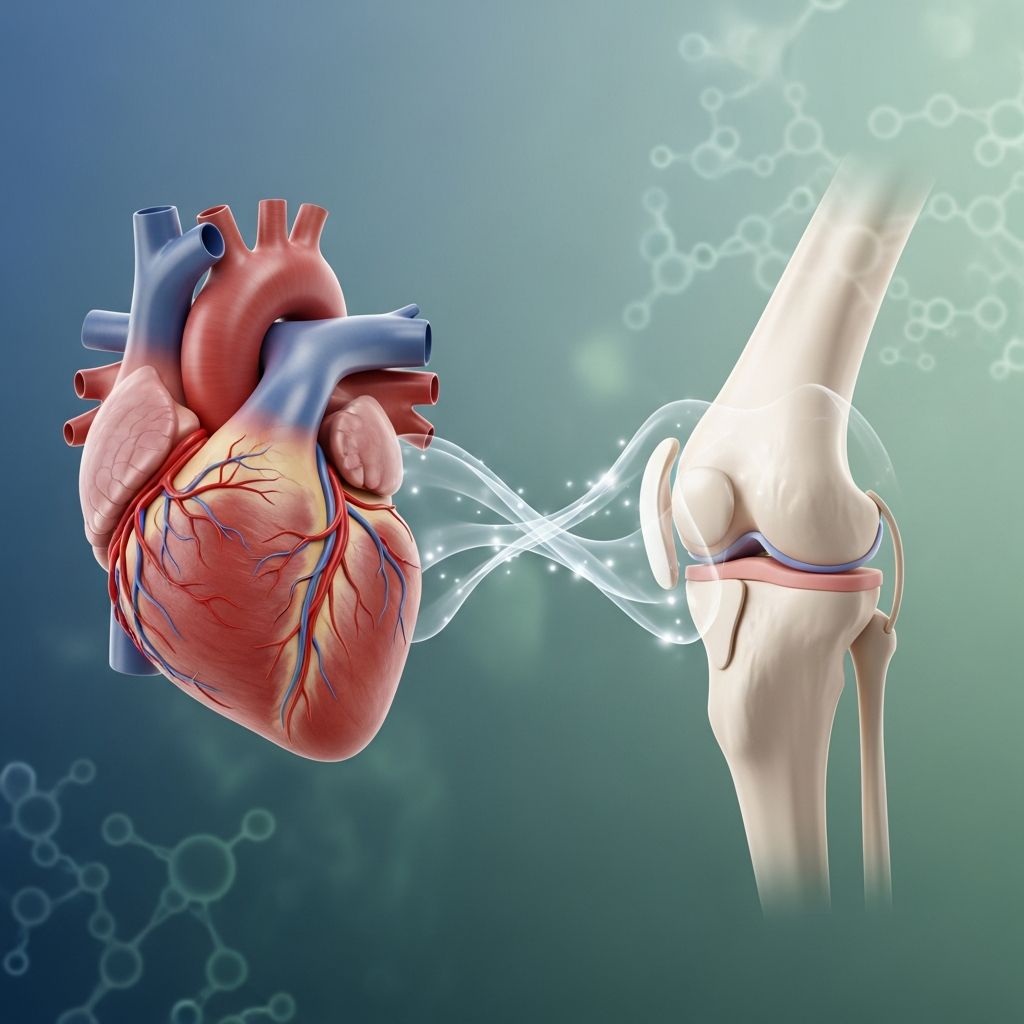
Osteoarthritis (OA), the most common form of arthritis affecting millions worldwide, doesn’t just cause joint pain and stiffness. Emerging research reveals a significant connection between OA and increased cardiovascular risk, including coronary heart disease, heart failure, and stroke. People with OA face up to 24% higher risk for cardiovascular disease compared to the general population, with some studies showing nearly three times greater likelihood of coronary heart disease or heart failure.
This link stems from shared risk factors like obesity, physical inactivity, chronic low-grade inflammation from joint damage, and the long-term use of pain medications. Understanding this relationship empowers OA patients to take proactive steps to protect their heart health alongside joint management.
The Surprising OA-Heart Disease Connection
While osteoarthritis is traditionally viewed as a “wear-and-tear” condition rather than an inflammatory disease like rheumatoid arthritis (RA), it still drives systemic inflammation. Damaged cartilage and bone in OA joints release inflammatory molecules into the bloodstream, contributing to atherosclerosis (plaque buildup in arteries) and increasing heart attack and stroke risk.
Key statistics highlight the urgency:
- People with OA have a
24% higher risk
of cardiovascular disease than those without OA. - OA patients are
nearly three times more likely
to have coronary heart disease (CHD) or heart failure. - Nearly
half of all adults with heart disease
also have some form of arthritis.
Obesity plays a central role, as excess weight stresses joints (accelerating OA) while also straining the heart through increased blood pressure, cholesterol, and diabetes risk. Inactivity due to joint pain creates a vicious cycle: less movement worsens OA, promotes weight gain, and weakens cardiovascular fitness.
Shared Risk Factors: Why OA and Heart Disease Co-Occur
OA and heart disease share multiple modifiable risk factors. Here’s a breakdown:
| Risk Factor | Impact on OA | Impact on Heart |
|---|---|---|
| Obesity | Increases joint stress, cartilage breakdown | Raises blood pressure, cholesterol, diabetes risk |
| Physical Inactivity | Worsens stiffness, muscle weakness | Lowers heart fitness, promotes plaque buildup |
| Chronic Inflammation | Joint damage releases cytokines | Damages blood vessels, accelerates atherosclerosis |
| High Blood Pressure | Reduces joint blood flow | Primary cause of heart failure, stroke |
| Diabetes | Impairs cartilage repair | Damages arteries, increases heart attack risk |
These factors compound: for example, knee OA pain leads to sedentary behavior, weight gain, and metabolic syndrome – a cluster of conditions directly fueling heart disease.
Medications: The Double-Edged Sword
Common OA treatments like nonsteroidal anti-inflammatory drugs (NSAIDs) such as ibuprofen and naproxen provide pain relief but carry cardiovascular warnings. The FDA has cautioned that NSAIDs can increase heart attack and stroke risk, sometimes within weeks of use, especially in those with existing heart conditions.
Mechanisms include:
- Increased blood pressure and fluid retention, straining the heart
- Making blood “stickier,” promoting clots
- Elevating cholesterol levels
Steroids, sometimes used for OA flares, pose similar risks by raising blood sugar, cholesterol, and blood pressure. Long-term NSAID users should discuss alternatives like acetaminophen, topical treatments, or physical therapy with their doctor.
Related Stories



Protecting Your Heart: Actionable Strategies
The good news? You can significantly lower your heart disease risk through lifestyle changes that also benefit your joints. Start with these evidence-based steps:
1. Exercise Safely and Consistently
Regular movement strengthens muscles supporting joints, aids weight control, and boosts heart health. Aim for 150 minutes of moderate activity weekly, tailored to your OA:
- Low-impact cardio: Swimming, water aerobics, stationary cycling (protects joints while conditioning heart)
- Strength training: Resistance bands, light weights 2-3 times weekly
- Flexibility: Tai chi, gentle yoga for balance and fall prevention
Research shows physical activity helps manage OA symptoms while reducing heart disease, diabetes, and obesity risks synergistically.
2. Adopt an Anti-Inflammatory Diet
The Mediterranean diet – rich in fruits, vegetables, whole grains, fish, nuts, and olive oil – combats inflammation and supports heart health:
- Emphasize: Fatty fish (salmon for omega-3s), berries, leafy greens, nuts
- Limit: Processed foods, sugary drinks, red meat, saturated fats
- Weight loss of just 5-10% can dramatically reduce joint stress and cardiovascular strain.
3. Quit Smoking and Limit Alcohol
Smoking accelerates plaque buildup and raises blood pressure; quitting improves arthritis symptoms and slashes heart risk.
4. Monitor and Manage Metrics
Track blood pressure (<120/80 ideal), cholesterol, and blood sugar annually. Statins or blood pressure medications may be appropriate under medical guidance.
Heart Health Monitoring for OA Patients
Guidelines recommend annual cardiovascular assessments for inflammatory arthritis patients; OA patients should advocate for similar vigilance, especially with risk factors. Key checks include:
- Blood pressure screening
- Lipid profile (cholesterol)
- Blood sugar/HbA1c
- ECG if symptoms like irregular heartbeat occur
Speak to your doctor: “I’ve read OA increases heart risks – should we check my cardiovascular health?”
Other Arthritis Types and Heart Risk
While focusing on OA, note that inflammatory arthritides pose even higher risks:
- RA: 50-70% higher CVD risk; twice as likely heart attack
- PsA: 43% increased heart disease likelihood
- Gout: Linked to atrial fibrillation, diabetes, hypertension
OA’s subtler inflammation still warrants attention.
Frequently Asked Questions (FAQs)
Does osteoarthritis directly cause heart disease?
No, but OA shares risk factors (obesity, inactivity, inflammation) that substantially elevate cardiovascular risk – up to 24% higher than average.
Are NSAIDs safe for OA patients with heart concerns?
Use cautiously; they increase heart attack/stroke risk, especially long-term or with pre-existing conditions. Discuss alternatives with your doctor.
How much exercise is safe with OA?
150 minutes moderate activity weekly: swimming, cycling, walking. Start slow, work with physical therapy.
Can losing weight reverse OA heart risks?
Yes – 5-10% weight loss reduces joint load by 20-30% per pound lost and lowers blood pressure/cholesterol.
Should I get annual heart checks with OA?
Absolutely if you have additional risks (obesity, hypertension). Request blood pressure, cholesterol, and diabetes screening.
Quick Facts Table
| Condition | Heart Disease Risk Increase |
|---|---|
| Osteoarthritis (OA) | 24% higher CVD risk |
| Rheumatoid Arthritis (RA) | 50-70% higher |
| Psoriatic Arthritis (PsA) | 43% more likely |
| Adults with heart disease having arthritis | Nearly 50% |
Armed with this knowledge, OA patients can protect both joints and heart through informed lifestyle choices and medical partnership.
References
- Arthritis and heart health: What you need to know — Arthritis UK. 2024-04. https://www.arthritis-uk.org/news/2024/april/arthritis-and-heart-health-what-you-need-to-know/
- Arthritis and Heart Disease — Arthritis Foundation. Accessed 2026. https://www.arthritis.org/health-wellness/about-arthritis/related-conditions/other-diseases/arthritis-and-heart-disease
- Arthritis and Heart Health — Arthritis Australia. 2022-08. https://www.arthritis.org.au/arthritis/arthritis-insights/living-well-with-arthritis/arthritis-and-heart-health/
- The Link: Arthritis, Diabetes and Heart Disease — Arthritis Foundation. Accessed 2026. https://www.arthritis.org/health-wellness/about-arthritis/related-conditions/other-diseases/the-link-arthritis,-diabetes-and-heart-disease
- Osteoarthritis: Symptoms, Diagnosis, and Treatment — Arthritis Foundation. Accessed 2026. https://www.arthritis.org/diseases/osteoarthritis
Similar Articles








Read full bio of Sneha Tete