Osteoarthritis Of The Back: Causes, Symptoms & Treatment Guide
Understand spinal osteoarthritis: symptoms, causes, diagnosis and effective treatments to manage back pain and improve mobility.
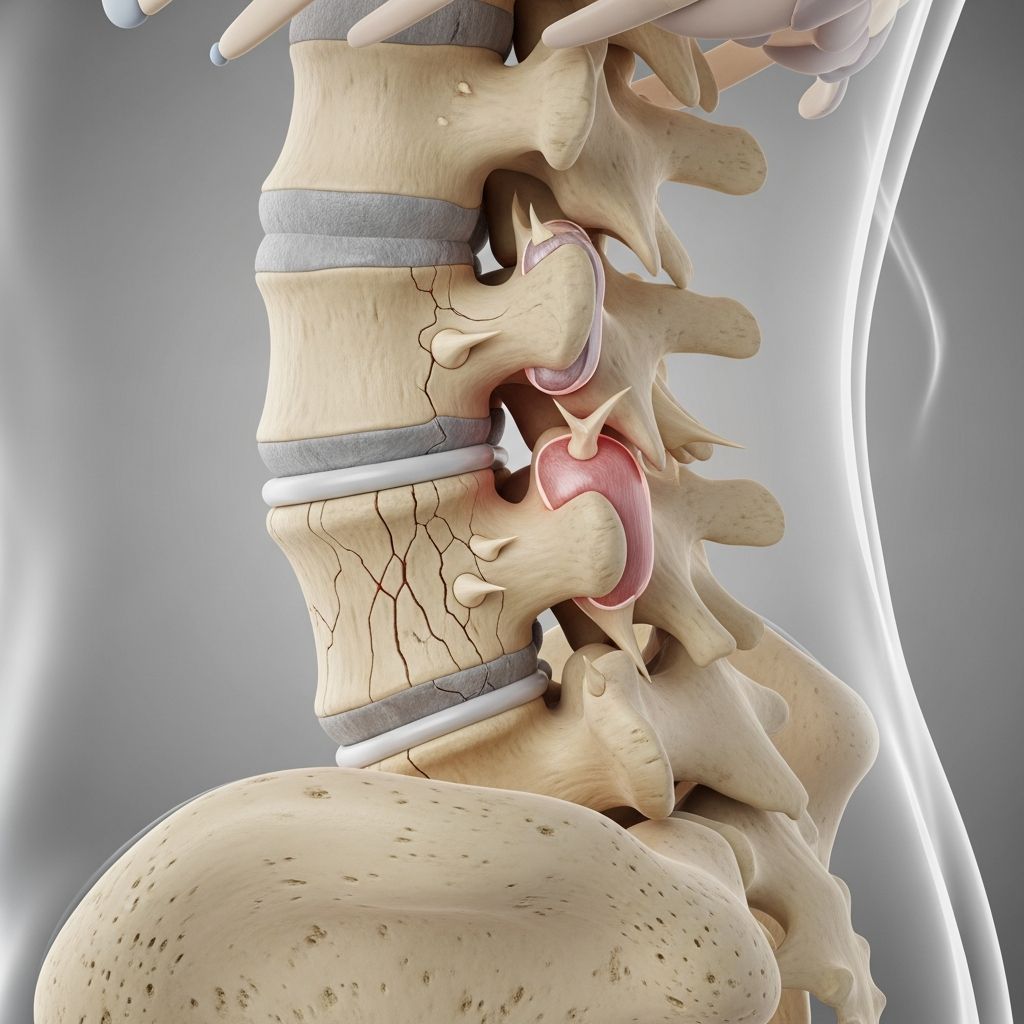
Osteoarthritis (OA) of the spine, commonly known as back or spinal OA, is the most prevalent form of arthritis affecting the back, impacting mobility and quality of life for many adults. This condition primarily targets the facet joints between vertebrae, leading to cartilage degradation, bone spurs, and chronic pain that worsens over time.
What Is Osteoarthritis of the Back?
Spinal osteoarthritis occurs when the protective cartilage in the facet joints—small stabilizing joints located between and behind the vertebrae—wears down over time. This degeneration causes the bones to rub against each other, resulting in pain, inflammation, and the formation of bony growths called osteophytes or bone spurs. These spurs can impinge on nerves, exacerbating symptoms like radiating pain or numbness.
The lumbar (low back) region is most commonly affected, though the cervical (neck) spine can also be involved. Unlike intervertebral discs, which provide cushioning between vertebrae, facet joint OA directly alters joint mechanics, leading to instability that the body attempts to correct through spur formation. This process stiffens the spine and may contribute to spinal stenosis, where narrowed nerve pathways cause leg weakness or sciatica-like symptoms.
Prevalence is high: studies indicate four out of five adults experience back pain sometime in life, with OA emerging typically after age 40 in an aging population. However, not all structural changes cause symptoms; many individuals with radiographic OA remain pain-free, highlighting multifactorial causes including muscle weakness.
Symptoms of Back/Spine OA
Symptoms of spinal OA develop gradually and intensify progressively. Key manifestations include:
- Stiffness and loss of flexibility: Difficulty turning the neck or straightening the back, especially upon waking or after prolonged inactivity.
- Pain: Primarily in the low back, worsening with activity or after rest; may radiate due to nerve compression.
- Crepitus: A grinding or crunching sensation during movement from roughened joint surfaces.
- Tenderness and swelling: Soreness along affected joints, sometimes with mild inflammation.
Pain often peaks in the morning or end of a busy day, improving with gentle movement but flaring with overuse. Unlike inflammatory arthritis, OA-related pain typically eases with rest and activity rather than worsening uniformly.
Causes and Risk Factors
The primary cause is cartilage breakdown in facet joints due to mechanical wear, aging, and repetitive stress. Contributing factors include:
- Age: Most common over 40.
- Prior injuries: Back strains or trauma accelerate degeneration.
- Repetitive motions: Jobs or sports involving bending, lifting, or twisting.
- Obesity: Excess weight strains spinal joints.
- Genetics: Family history increases susceptibility.
- Associated conditions: Degenerative disc disease, scoliosis, or leg length discrepancies.
Bone spurs form as the body’s stabilizing response but can narrow foramina (nerve exits), leading to stenosis. Muscle imbalances or weakness often amplify pain, with some experts estimating they cause 75% of cases regardless of OA presence.
Related Stories



How Is Back OA Different from Other Back Pain Causes?
Back pain has diverse origins; OA must be differentiated from acute strains (80% resolve in 1-7 days), disc herniations, or inflammatory spondyloarthropathies like axial spondyloarthritis (axSpA). Use this table for comparison:
| Feature | OA-Related Back Pain | axSpA | Muscle Strain |
|---|---|---|---|
| Onset | Gradual, acute with activity | Gradual, insidious | Sudden |
| Age Group | Middle-aged/older | 17-45 | Any |
| Pain Pattern | Worse with activity/end of day, better rest | Worse morning/rest, better activity | Activity-aggravated, short-term |
| Other Signs | No fever/rash, history of injury | Night pain, fatigue, possible enthesitis | Localized tenderness |
| Duration | Chronic/progressive | >3 months | Days |
OA changes are visible on X-rays/MRI (joint space narrowing, spurs), but asymptomatic findings are common. Multifactorial pain may involve fibromyalgia (7% in women over 60) or poor posture.
Diagnosis
Diagnosis begins with history and physical exam assessing pain location, triggers, and flexibility. Imaging confirms OA:
- X-rays: Show joint narrowing, spurs, sclerosis.
- MRI: Details soft tissues, nerves, stenosis.
- CT scans: For bony detail if surgery considered.
No single test; correlate with symptoms as imaging abnormalities abound in pain-free people. Rule out red flags like fever, weight loss, or bowel/bladder issues indicating serious pathology.
Treatment Options
Treatment focuses on symptom relief, function preservation, and progression slowing. Strategies include:
Medications
- Acetaminophen or NSAIDs for pain/inflammation.
- Topicals (capsaicin, diclofenac gel).
- Muscle relaxants or short-term opioids if severe.
Physical Therapy and Exercise
Core strengthening, low-impact aerobics (walking, swimming), stretching improve stability and flexibility. Water therapy reduces joint stress.
Lifestyle Modifications
- Weight loss to lessen spinal load.
- Ergonomics: Proper lifting, supportive chairs.
- Heat/cold therapy: Heat relaxes, cold reduces swelling.
Injections and Procedures
- Corticosteroid or hyaluronic acid injections into facet joints.
- Radiofrequency ablation for nerve pain.
Surgery
For severe cases: Laminectomy (stenosis relief), spinal fusion, or disc replacement when conservatives fail. Reserved for <10% as risks include infection.
Living with Back OA: Daily Management Tips
Incorporate these evidence-based tips:
- Maintain activity: Avoid bed rest beyond 1-2 days.
- Posture awareness: Stand tall, use lumbar support.
- Sleep setup: Firm mattress, side-sleeping with pillow between knees.
- Massage or acupuncture for adjunct relief.
- Quit smoking: Improves disc nutrition.
Track symptoms; consult rheumatologists or physiatrists for tailored plans.
Frequently Asked Questions (FAQs)
Can back OA be prevented?
Maintain healthy weight, exercise regularly, use proper body mechanics to minimize risk, though aging is inevitable.
Is back pain always OA?
No; often muscle-related or multifactorial. Imaging helps differentiate.
How long does recovery take?
Acute flares: days-weeks; chronic management is lifelong.
Does OA spread to other joints?
Common in multiple sites like knees/hips, but spine-specific here.
When to see a doctor urgently?
If numbness, weakness, bowel/bladder changes, or unrelenting pain.
References
- Osteoarthritis of the Back/Spine — Arthritis Foundation. 2023. https://www.arthritis.org/health-wellness/about-arthritis/understanding-arthritis/back-oa
- Is Your Back Pain Caused by OA? — Arthritis Foundation. 2023. https://www.arthritis.org/diseases/more-about/is-your-back-pain-caused-by-oa
- When Back Pain May Mean Arthritis — Arthritis Foundation. 2023. https://www.arthritis.org/health-wellness/about-arthritis/where-it-hurts/when-back-pain-may-mean-arthritis
- Back Pain? Find Out If It’s OA or axSpA — Arthritis Foundation. 2022-09-14. https://www.arthritis.org/health-wellness/about-arthritis/where-it-hurts/back-pain-find-out-oa-axspa
- Osteoarthritis: Symptoms, Diagnosis, and Treatment — Arthritis Foundation. 2023. https://www.arthritis.org/diseases/osteoarthritis
- Back Pain Causes & Treatments — Arthritis Foundation. 2023. https://www.arthritis.org/diseases/back-pain
Similar Articles








Read full bio of Sneha Tete