Knee Osteoarthritis Exercises: 12 Pain-Relief & Mobility Moves
Strengthen your knees and ease OA pain with these expert-recommended exercises for better mobility and joint health.
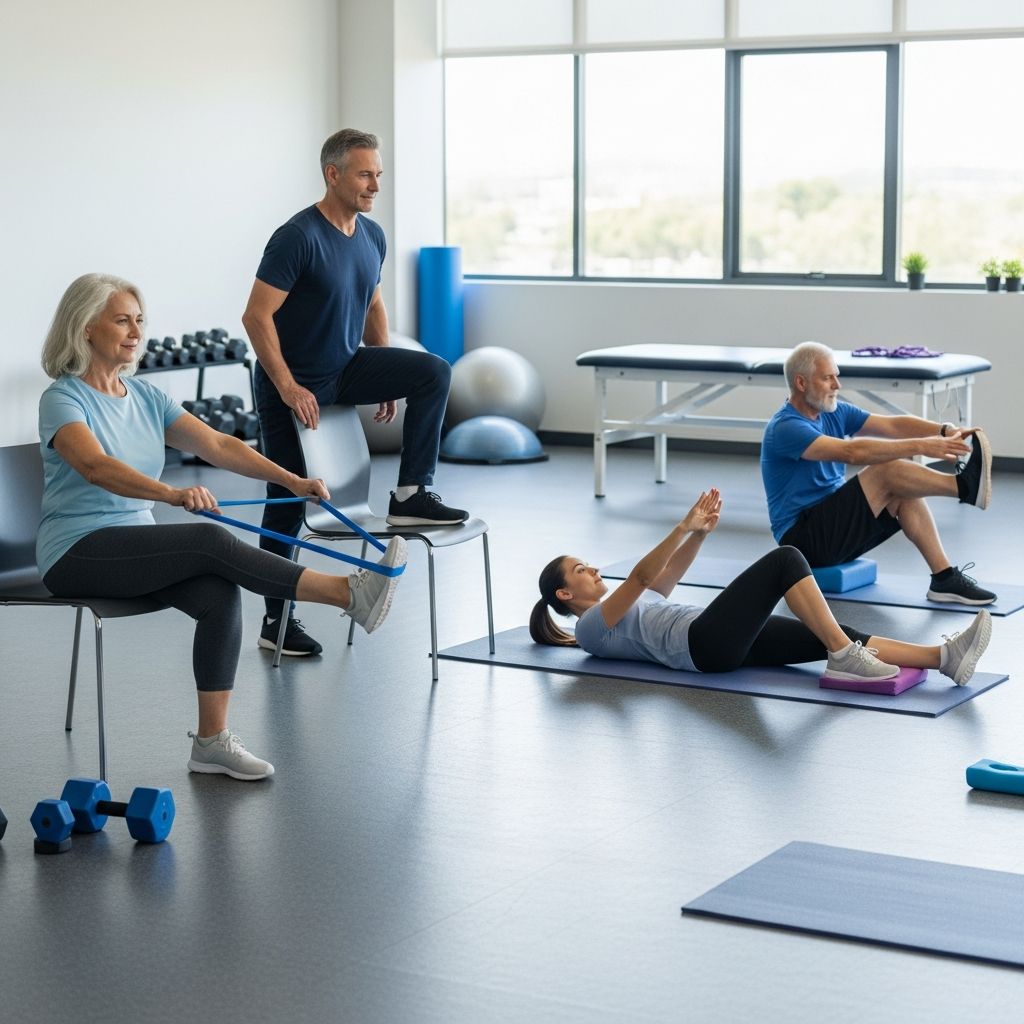
Knee osteoarthritis (OA) affects millions, causing pain, stiffness, and reduced mobility, but targeted exercises can significantly alleviate symptoms and enhance quality of life. Regular physical activity strengthens muscles around the knee, improves joint stability, and reduces discomfort without surgery or medication.
Exercise is a cornerstone of knee OA management, supported by extensive research showing benefits comparable to pain relievers like acetaminophen or NSAIDs. These 12 exercises, drawn from physical therapy best practices, target key areas: stretching for flexibility, strengthening for support, and low-impact aerobics for endurance. Always consult a healthcare provider before starting, especially if pain is severe.
What Is Knee Osteoarthritis?
Knee osteoarthritis is a degenerative joint disease where the protective cartilage cushioning the knee wears down over time, leading to bone-on-bone friction, inflammation, and symptoms like pain, swelling, stiffness, and limited range of motion. It commonly affects those over 50, overweight individuals, or those with prior knee injuries, impacting daily activities such as walking, climbing stairs, or standing from a chair.
Risk factors include age, obesity, genetics, repetitive joint stress from sports or jobs, and muscle weakness. Early intervention with exercise prevents progression, as stronger quadriceps and hamstrings absorb shock and stabilize the joint.
Benefits of Exercise for Knee OA
Exercise training demonstrably improves pain, stiffness, joint function, and muscle strength in knee OA patients. Mechanisms include enhanced cartilage glycosaminoglycan content, reduced inflammation, better neuromuscular control, and prevention of muscle atrophy.
- Pain reduction: Stronger muscles support the joint, minimizing bone impact; endorphins act as natural painkillers. Studies show 10-15% pain decrease with regular routines.
- Increased range of motion: Stretching combats stiffness; function improves by about 10%, aiding tasks like bending or walking farther.
- Improved strength and stability: Targets quadriceps, hamstrings, glutes; neuromuscular exercises enhance proprioception and balance.
- Weight management and cardio health: Low-impact aerobics burn calories, reduce joint load, and boost cardiovascular fitness.
- Long-term joint protection: Delays degeneration, stabilizes the joint, and inhibits synovial inflammation.
Aerobic exercise is most widely used for pain relief and function; strength training excels against weakness; neuromuscular and balance work optimize stability. Aquatic options leverage buoyancy for low-stress gains.
Preparing for Exercise: Safety First
Start slow to avoid flare-ups. Warm up with 10 minutes of light walking or gentle range-of-motion to increase blood flow and flexibility. Use heat packs if needed. Cool down with stretches. Wear supportive shoes, exercise on flat surfaces, and stop if pain sharpens (mild discomfort is okay). Aim for 3-5 sessions weekly, progressing gradually. Those with severe OA may benefit from physical therapy supervision.
12 Best Exercises for Knee Osteoarthritis
These exercises blend stretching, strengthening, balance, and aerobics. Perform 2-3 sets of 10-15 reps unless noted. Breathe steadily; move controlled.
1. Quad Sets (Strengthening)
Sit or lie with legs extended. Tighten quadriceps by pressing knee down into surface, hold 5-10 seconds, release. Strengthens front thigh muscles for knee support.
2. Straight Leg Raises (Strengthening)
Lie on back, one knee bent. Tighten quad on straight leg, lift 6-12 inches, hold 3-5 seconds, lower slowly. Builds quad strength without joint bend.
3. Hamstring Curls (Strengthening)
Stand holding chair. Bend one knee, bringing heel toward butt, lower slowly. Targets back thigh; use ankle weights for progression.
4. Calf Raises (Strengthening/Balance)
Stand feet hip-width, rise onto toes, hold, lower. Strengthens calves for better shock absorption and stability.
Related Stories



5. Step-Ups (Strengthening)
Use low step (4-6 inches). Step up with one foot, bring other up, step down. Mimics stairs; builds hip/knee endurance.
6. Wall Squats (Strengthening)
Back against wall, feet forward. Slide down to 45-90 degree knee bend, hold 5-30 seconds, slide up. Controlled squat alternative.
7. Single-Leg Stance (Balance)
Stand near wall, lift one foot slightly, hold 20-30 seconds. Improves proprioception, reducing fall risk.
8. Side Leg Lifts (Strengthening/Balance)
Lie on side, lift top leg 12-18 inches, hold briefly, lower. Strengthens hip abductors for knee alignment.
9. Quad Stretch (Stretching)
Stand holding chair, bend one knee pulling heel to butt. Hold 20-30 seconds per side. Relaxes quads, improves flexibility.
10. Hamstring Stretch (Stretching)
Sit, extend one leg, bend other. Reach toward toes, hold 20-30 seconds. Eases back thigh tension.
11. Seated Leg Lifts (Low-Impact Aerobic)
Sit, straighten one leg fully, hold 3 seconds, lower. Repeat rhythmically for endurance without weight-bearing.
12. Chair Knee Extensions (Strengthening)
Sit, extend one leg straight out, hold 3-5 seconds, lower. Targets quads safely in seated position.
Sample Weekly Exercise Routine
| Day | Focus | Exercises (10-15 reps, 2-3 sets) | Duration |
|---|---|---|---|
| Monday | Strength | Quad Sets, Straight Leg Raises, Hamstring Curls, Wall Squats | 20-30 min |
| Wednesday | Balance & Stretch | Single-Leg Stance, Side Leg Lifts, Quad Stretch, Hamstring Stretch | 20-30 min |
| Friday | Strength & Aerobic | Step-Ups, Calf Raises, Seated Leg Lifts, Chair Knee Extensions | 25-35 min |
| Daily Add-On | Warm-Up/Cool-Down | Light walk + stretches | 10 min |
Adjust based on fitness level. Track progress in a journal.
Aquatic Exercises for Knee OA
Water-based workouts reduce joint stress via buoyancy while providing resistance. Benefits include faster stiffness relief, improved flexibility, strength, and balance without worsening OA. Examples: water walking, leg kicks, aqua aerobics. Ideal for advanced pain.
When to See a Doctor
Exercise helps most, but seek medical advice if: pain persists/worsens despite routine, swelling increases, joint locks/gives way, or you can’t bear weight. Red flags include fever with joint pain or sudden severe symptoms, signaling possible infection or other issues.
Frequently Asked Questions (FAQs)
What exercises should I avoid with knee OA?
Avoid high-impact activities like running, jumping, deep squats, or twisting motions that jar the joint. Opt for low-impact instead.
How often should I exercise for knee OA?
3-5 days weekly, 20-30 minutes. Consistency beats intensity; rest days prevent overuse.
Can exercise reverse knee OA?
No, but it slows progression, reduces symptoms, and improves function significantly.
Is swimming good for knee arthritis?
Yes, aquatic exercise excels for pain relief and mobility due to buoyancy and warmth.
How long until I see benefits?
2-6 weeks with regular practice; pain often eases first, strength follows.
References
- Benefits and Mechanisms of Exercise Training for Knee Osteoarthritis — Li H, et al. PMC. 2021-12-20. https://pmc.ncbi.nlm.nih.gov/articles/PMC8716769/
- Knee Exercises for Arthritis — Arthritis-Health.com. Accessed 2026. https://www.arthritis-health.com/treatment/exercise/knee-exercises-arthritis
- Knee Exercises — Arthritis Foundation. Accessed 2026. https://www.arthritis.org/health-wellness/healthy-living/physical-activity/getting-started/your-exercise-solution/lower-body-movements/knee-movements
Similar Articles








Read full bio of medha deb