Osteoarthritis: Comprehensive Guide For 2025
Comprehensive guide to osteoarthritis: symptoms, causes, diagnosis, treatment, and living with this common joint condition.
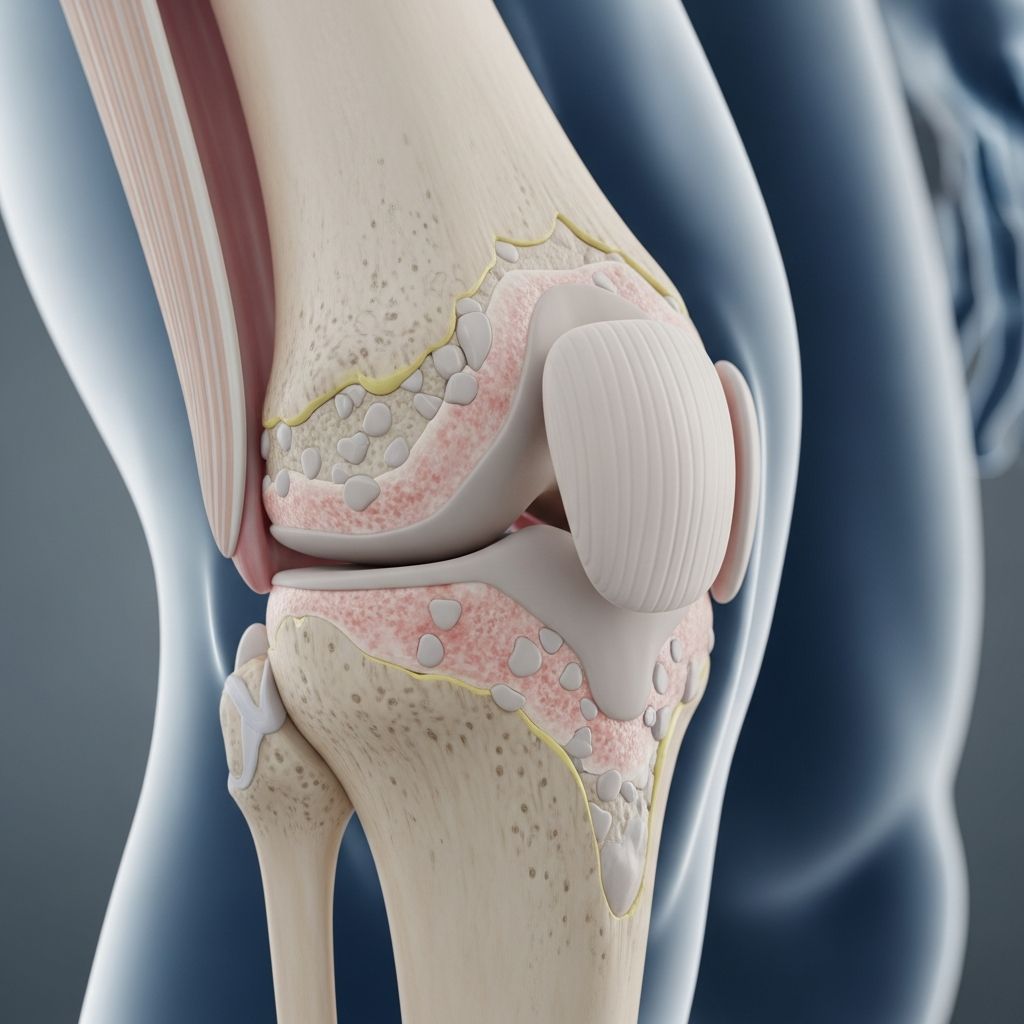
Osteoarthritis (OA) is the most common form of arthritis, characterized by the degeneration of joint cartilage and underlying bone, leading to pain, stiffness, and reduced joint mobility. It affects millions worldwide, primarily older adults, but can occur earlier due to injury or overuse. This comprehensive overview covers symptoms, causes, risk factors, diagnosis, treatment options, prevention strategies, and frequently asked questions, drawing from authoritative medical sources.
What Is Osteoarthritis?
Osteoarthritis is a degenerative joint disease, often described as “wear-and-tear” arthritis, where the protective cartilage that cushions the ends of bones in joints gradually breaks down. Over time, this leads to bones rubbing against each other, causing pain, swelling, and loss of motion. Unlike inflammatory types like rheumatoid arthritis, OA primarily involves mechanical wear rather than immune system attacks.
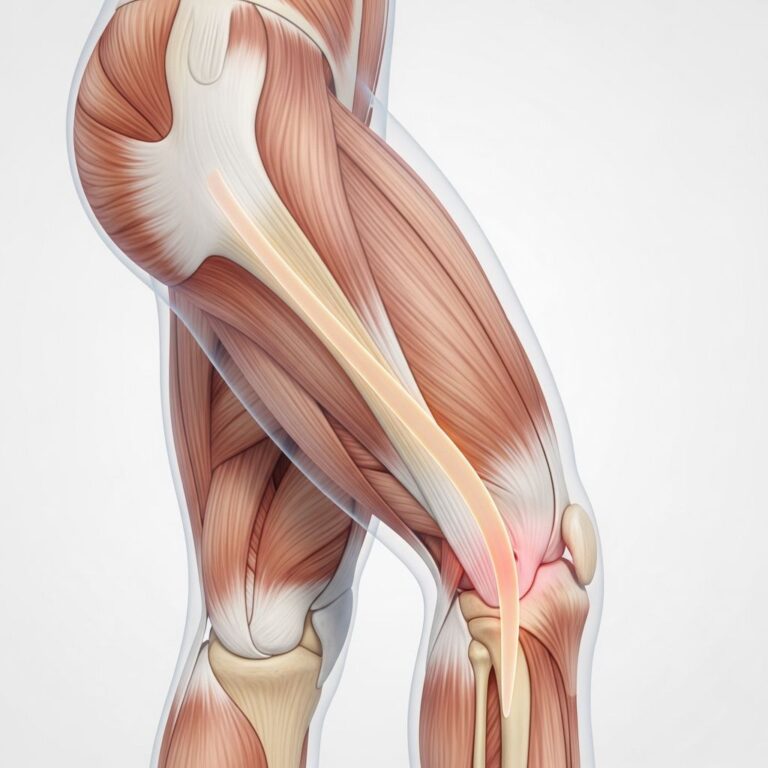
The disease commonly affects weight-bearing joints such as the knees, hips, and spine, as well as the hands and fingers. In the United States, over 32.5 million adults have OA, with prevalence increasing with age—about 60% of people over 60 show signs on X-rays, though not all experience symptoms. Early detection and management can significantly improve quality of life.
Symptoms of Osteoarthritis
Symptoms of osteoarthritis develop gradually and vary by joint affected and disease stage. They often worsen with activity and improve with rest, distinguishing OA from other arthritides.
- Pain: Aching or sharp pain during or after movement, especially in knees or hips. In advanced stages, pain persists at rest or night, disrupting sleep.
- Stiffness: Joints feel stiff after inactivity, like morning “start-up pain,” lasting under 30 minutes—longer suggests rheumatoid arthritis.
- Swelling and Tenderness: Joints may swell due to synovial fluid buildup or bone spurs; sensitive to touch.
- Reduced Flexibility: Difficulty moving joints fully, leading to muscle weakness from disuse.
- Grating Sensation: Crepitus (crunching or popping sounds) from roughened cartilage surfaces.
- Bone Spurs: Hard lumps around joints, causing deformity in fingers (Heberden’s or Bouchard’s nodes).
Symptoms fluctuate in phases: mild periods alternate with flares triggered by overuse or weather changes. Knee OA might cause instability (“giving way”), while hip OA leads to groin pain radiating to the thigh.
Causes and Risk Factors
Osteoarthritis results from cartilage breakdown exceeding repair capacity. Cartilage lacks blood vessels, relying on joint motion for nutrient exchange—like squeezing a sponge to refresh it. When mechanical stress outpaces repair, degradation ensues.
Key causes include:
- Age: Cartilage repair slows after 40; most common over 50.
- Joint Overuse or Injury: Repetitive stress (e.g., sports like soccer) or trauma (e.g., meniscus tears, ACL ruptures) disrupts cartilage.
- Obesity: Excess weight stresses knees/hips; each pound gained adds 4 pounds of knee pressure.
- Genetics: Family history increases risk; certain genes affect cartilage resilience.
- Sex: Post-menopausal women at higher risk due to estrogen’s protective role.
- Occupation: Jobs with kneeling, squatting, or heavy lifting (e.g., construction).
- Prior Joint Issues: Congenital deformities, like hip dysplasia.
Related Stories



| Risk Factor | Examples | Impact on Joints |
|---|---|---|
| Modifiable | Obesity, inactivity | Increases load and weakens support muscles |
| Non-Modifiable | Age, genetics | Reduces natural repair mechanisms |
| Mechanical | Injury, overuse | Direct cartilage damage |
Diagnosis of Osteoarthritis
Diagnosis starts with medical history and physical exam, assessing pain patterns, joint tenderness, range of motion, and crepitus. No single test confirms OA; it’s clinical.
- X-rays: Show joint space narrowing, bone spurs, subchondral sclerosis—hallmarks of OA.
- MRI: Detects early cartilage loss or soft tissue issues if X-ray inconclusive.
- Blood Tests: Rule out inflammatory arthritis (normal ESR/CRP in OA).
- Joint Aspiration: Analyzes synovial fluid for crystals (gout) or infection.
Advanced imaging like ultrasound visualizes synovitis. Early diagnosis prevents progression via lifestyle changes.
Treatment Options for Osteoarthritis
No cure exists, but treatments alleviate symptoms, improve function, and slow progression. Multimodal approaches are standard, tailored to joint and severity.
Non-Pharmacological Treatments
- Exercise: Strengthens muscles, enhances joint stability; low-impact like swimming, cycling preferred. Proven to reduce pain 30-50%.
- Weight Loss: 10% body weight reduction halves knee OA pain risk.
- Physical Therapy: Customized programs improve mobility.
- Assistive Devices: Canes, braces unload joints.
- Occupational Therapy: Joint protection techniques for hands.
Medications
- Acetaminophen: First-line for mild pain.
- NSAIDs: Ibuprofen, naproxen for inflammation; topical for localized relief.
- Duloxetine: For chronic pain.
- Injections: Corticosteroids for flares; hyaluronic acid viscosupplementation mimics synovial fluid.
Surgical Interventions
- Arthroscopy: Debride damaged tissue (limited benefit).
- Osteotomy: Realigns bones in younger patients.
- Joint Replacement: Total knee/hip arthroplasty for end-stage; 90% success at 15 years.
Emerging therapies like platelet-rich plasma (PRP) show promise but lack robust evidence.
Prevention and Lifestyle Management
Preventing OA focuses on modifiable risks:
- Maintain healthy weight.
- Exercise regularly without joint overload.
- Avoid injuries with proper techniques.
- Strengthen muscles around joints.
- Quit smoking; it impairs cartilage health.
Balanced diet rich in anti-inflammatories (omega-3s, antioxidants) supports joint health. Hot/cold therapy, acupuncture provide adjunct relief.
Living with Osteoarthritis
OA progresses slowly; many manage well long-term. Track symptoms, adhere to treatments, pace activities. Support groups aid coping. Advanced stages may limit mobility, but adaptations like home modifications help independence.
Frequently Asked Questions (FAQs)
What is the difference between osteoarthritis and rheumatoid arthritis?
Osteoarthritis is degenerative from wear/tear, affecting one side/multiple joints variably, with stiffness <30 minutes. rheumatoid is autoimmune, symmetric, prolonged stiffness>1 hour.
Can osteoarthritis be reversed?
No, but early intervention slows progression and symptoms can improve with lifestyle changes.
Is walking good for osteoarthritis?
Yes, moderate walking strengthens muscles, lubricates joints; avoid overdoing.
Does weather affect osteoarthritis pain?
Many report worse pain in cold/damp conditions, possibly from barometric changes.
When should I see a doctor for joint pain?
If pain persists > weeks, limits daily activities, or accompanies swelling/redness.
References
- Overview: Osteoarthritis – InformedHealth.org – NCBI Bookshelf — NCBI / InformedHealth.org. 2023-08-09. https://www.ncbi.nlm.nih.gov/books/NBK279589/
- Osteoarthritis — Centers for Disease Control and Prevention (CDC). 2024-06-12. https://www.cdc.gov/arthritis/types/osteoarthritis.htm
- Osteoarthritis — National Institute of Arthritis and Musculoskeletal and Skin Diseases (NIAMS). 2023-11-15. https://www.niams.nih.gov/health-topics/osteoarthritis
- Osteoarthritis — Mayo Clinic. 2025-02-20. https://www.mayoclinic.org/diseases-conditions/osteoarthritis/symptoms-causes/syc-20351925
- Management of Osteoarthritis of the Knee: Evidence-Based Guideline — American Academy of Orthopaedic Surgeons (AAOS). 2024-03-05. https://www.aaos.org/globalassets/quality-and-practice-resources/osteoarthritis-of-the-knee/oak3cpg.pdf
Similar Articles








Read full bio of Sneha Tete