Osteoarthritis Self-Care: 5 Proven Tips To Ease Joint Pain
Practical strategies to manage osteoarthritis symptoms, reduce pain, and improve joint health through daily self-care routines.
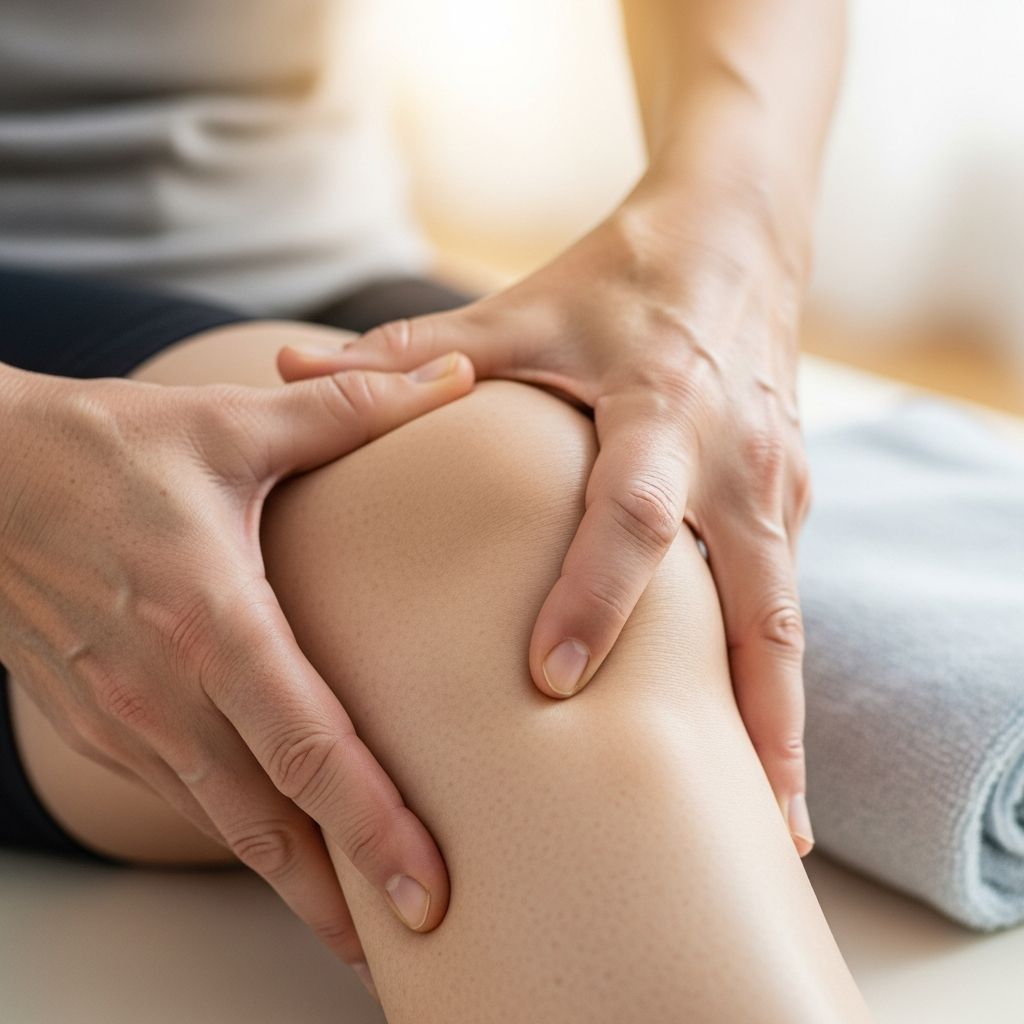
Osteoarthritis (OA) is the most common form of arthritis, affecting millions worldwide by causing joint pain, stiffness, and reduced mobility. While there is no cure, effective self-care strategies can significantly alleviate symptoms, slow disease progression, and enhance quality of life. This article explores proven self-care approaches, drawing from medical expertise to empower individuals with OA to take control of their health.
What Is Osteoarthritis?
Osteoarthritis, often called degenerative joint disease, occurs when the protective cartilage cushioning the ends of bones wears down over time. This breakdown leads to bones rubbing together, causing pain, swelling, and stiffness, primarily in weight-bearing joints like knees, hips, and spine. It predominantly affects adults over 45 due to repetitive joint use throughout life, resulting in weakened bones, deteriorated connective tissues, and inflamed joint linings.1
Symptoms typically worsen with age and activity, including morning stiffness lasting less than 30 minutes, joint tenderness, grating sensations, bone spurs, and limited range of motion. Unlike inflammatory arthritis, OA is not autoimmune but mechanical, often exacerbated by obesity, injury, or genetics. Proactive management with a healthcare provider is essential to tailor treatments like medications, therapy, and lifestyle changes.
Self-Care Tip 1: Maintain a Healthy, Anti-Inflammatory Diet
Diet plays a pivotal role in OA self-care by supporting weight management and reducing inflammation. Excess weight increases joint stress—every pound of body weight adds 4 pounds of pressure on knees—making weight loss crucial for symptom relief.1
Adopt a Mediterranean-style diet rich in fruits, vegetables, nuts, whole grains, and fatty fish like salmon, which provide omega-3 fatty acids to combat inflammation. These foods are packed with antioxidants, vitamins (C and E), and polyphenols that protect cartilage and reduce oxidative stress.
- Beneficial foods: Berries, leafy greens, olive oil, nuts (almonds, walnuts), fatty fish, and turmeric (curcumin for anti-inflammatory effects).
- Foods to avoid: Processed items, sugary drinks, refined carbs, saturated fats, and red meats, which promote inflammation and weight gain.
Studies from the Arthritis Foundation emphasize that such diets can decrease pain by up to 40% in some patients. Aim for portion control, hydration (8-10 glasses of water daily), and consulting a dietitian for personalized plans. Track intake using apps to ensure balanced nutrition, targeting 1,200-1,500 calories daily for weight loss if overweight.
Self-Care Tip 2: Stay Active with Low-Impact Exercise
Regular physical activity is cornerstone OA self-care, countering the myth that rest is best. “A body in motion stays in motion”—gentle movement lubricates joints, strengthens supporting muscles, improves flexibility, and boosts endorphins for natural pain relief.1
Start with 150 minutes weekly of moderate aerobic exercise, per CDC guidelines, focusing on low-impact options to minimize joint stress:
- Walking or water aerobics for cardiovascular health without pounding.
- Swimming or cycling to enhance endurance.
- Gardening or tai chi for balance and gentle stretching.
- Strength training (2-3 times/week) using resistance bands or body weight for muscle support around joints.
Related Stories



Schedule activities during peak energy times, like afternoons if mornings are stiff. Warm up with 5-10 minutes of light movement and cool down with stretches. Physical therapy can customize routines; apps like MyFitnessPal or OA-specific programs track progress. Consistency reduces pain over time, with research showing 30% improvement in function after 12 weeks.
Self-Care Tip 3: Use Assistive Devices and Home Modifications
Assistive tools reduce joint strain, promoting independence and safety. These devices distribute weight, improve grip, and prevent falls, crucial as OA progresses.
| Device Type | Benefits | Examples |
|---|---|---|
| Mobility Aids | Stability for walking | Canes, walkers, knee braces, scooters |
| Kitchen Tools | Easier gripping | Jar openers, ergonomic utensils, reachers |
| Bathroom Aids | Prevent slips | Grab bars, shower chairs, raised toilet seats |
| Daily Living | Reduce bending/lifting | Long-handled sponges, sock aids, button hooks |
Consult occupational therapists for fitting. Home modifications like ramps or lever handles further ease tasks. These tools enable participation in travel or outings, maintaining social connections vital for mental health.
Self-Care Tip 4: Prioritize Rest, Recovery, and Stress Management
Balancing activity with rest prevents flare-ups. OA fatigue stems from pain and poor sleep, so incorporate scheduled breaks using the “pacing” technique: alternate 20 minutes activity with 10 minutes rest.
Mindfulness practices lower stress, which amplifies pain perception. Techniques include:
- Deep breathing exercises (4-7-8 method: inhale 4s, hold 7s, exhale 8s).
- Progressive muscle relaxation or guided imagery.
- Yoga or meditation apps like Calm for 10-minute sessions.
- Music therapy or hobbies for mental respite.
Aim for 7-9 hours of quality sleep with supportive mattresses and routines. Heat/cold therapy—warm baths for stiffness, ice for swelling—provides immediate relief. Track symptoms in a journal to identify triggers.
Self-Care Tip 5: Build Emotional Resilience and Seek Support
Chronic pain impacts mental health; self-compassion is key. Acknowledge limitations without guilt—positive self-talk like “I’m doing my best” reframes challenges.
Join support groups via Arthritis Foundation or online forums for shared experiences. Communicate openly with loved ones about needs. Cognitive behavioral therapy (CBT) helps reframe pain; some find acupuncture or massage beneficial adjuncts.
Holistic approaches like maintaining hobbies foster joy, reminding individuals they’re more than their condition. Professional counseling addresses depression, affecting 20% of OA patients.
Additional Self-Care Strategies
Beyond basics, protect joints by using largest muscles for tasks (e.g., lift with legs), maintaining good posture, and quitting smoking, which impairs cartilage repair. Over-the-counter aids like acetaminophen or topical NSAIDs offer relief—discuss with doctors. Regular check-ups monitor progression; emerging therapies like platelet-rich plasma show promise but aren’t standard yet.
Frequently Asked Questions (FAQs)
Can diet really help osteoarthritis symptoms?
Yes, anti-inflammatory diets like Mediterranean reduce pain and inflammation by supporting weight control and providing joint-protective nutrients.1
What exercises are safest for OA joints?
Low-impact activities like swimming, walking, and strength training strengthen muscles without excess wear; aim for consistency over intensity.
When should I use a cane or walker?
Use for stability during pain flares, uneven terrain, or fatigue; proper fitting prevents compensatory injuries.
How much weight loss helps knee OA?
Losing 5-10% body weight can cut knee pain by 50%, easing mechanical stress significantly.
Is OA preventable?
Not entirely, but maintaining healthy weight, exercising, and avoiding injuries reduce risk substantially.
References
- Arthritis Self-Care: Five Tips to Support Joint Health — University Health. 2023-05-15. https://www.universityhealth.com/blog/osteoarthritis-care-tips
- Osteoarthritis — Centers for Disease Control and Prevention (CDC). 2024-09-01. https://www.cdc.gov/arthritis/types/osteoarthritis.htm
- Management of Osteoarthritis of the Knee — American College of Rheumatology. 2020-03-17. https://www.rheumatology.org/Practice-Quality/Clinical-Support/Clinical-Practice-Guidelines/Osteoarthritis
- Diet and Rheumatic Diseases — Arthritis Foundation. 2025-01-10. https://www.arthritis.org/health-wellness/healthy-living/nutrition
- Physical Activity Guidelines for Americans — U.S. Department of Health and Human Services. 2024-11-20. https://health.gov/our-work/physical-activity/current-guidelines
Similar Articles








Read full bio of Sneha Tete