Osteogenesis Imperfecta: Understanding Brittle Bone Disease
Comprehensive guide to osteogenesis imperfecta: causes, symptoms, diagnosis, and treatment options.
What is Osteogenesis Imperfecta?
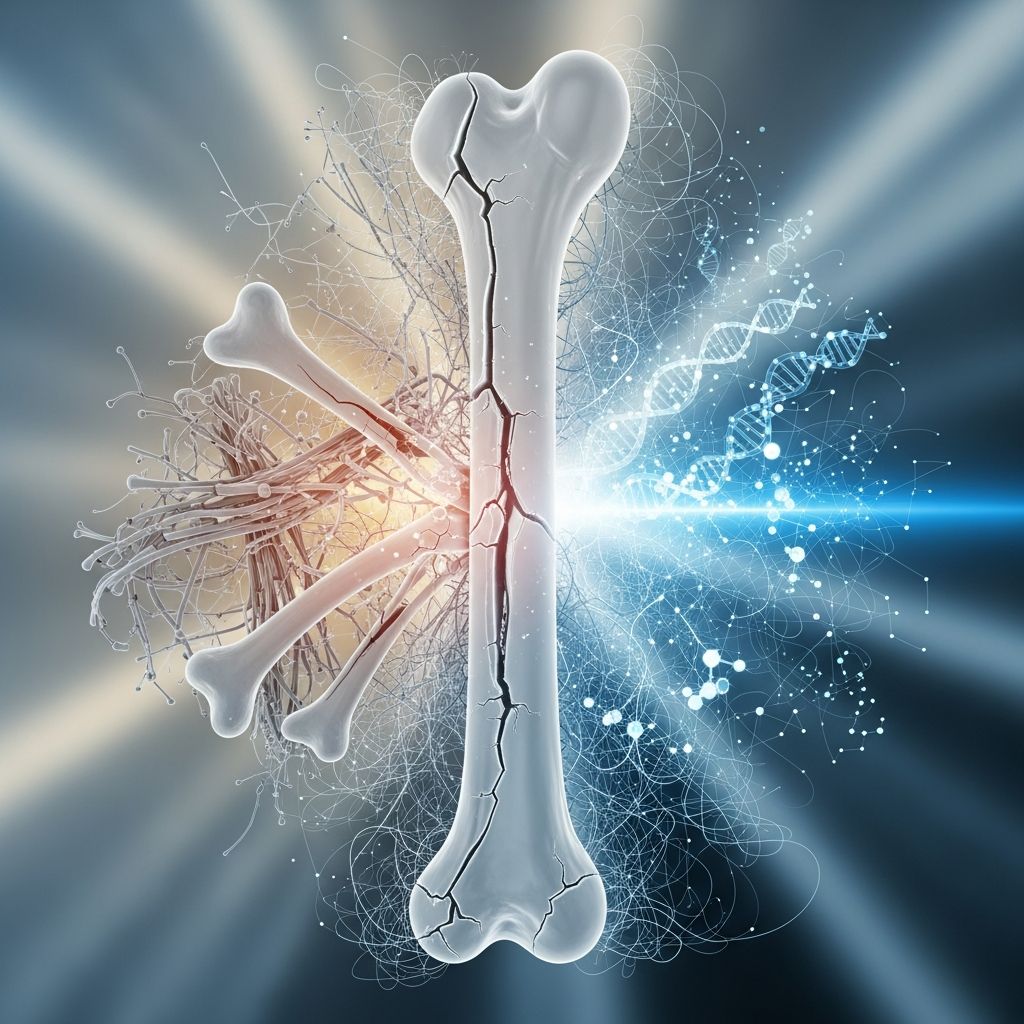
Osteogenesis imperfecta (OI), commonly known as brittle bone disease, is a rare genetic disorder that affects the body’s ability to produce and maintain strong bones. This condition is characterized by extremely fragile bones that break or fracture easily, often with minimal force or sometimes without any apparent cause. The severity of osteogenesis imperfecta varies considerably from person to person, even among individuals with the same type of the condition or within the same family. Some affected individuals may experience only a few fractures throughout their lifetime, while others may suffer hundreds of fractures. Understanding this condition is essential for early intervention and optimal management.
The Genetic Basis of Osteogenesis Imperfecta
Osteogenesis imperfecta results from genetic mutations that affect how the body produces and structures collagen, a critical protein that provides strength and flexibility to bones and connective tissues. The condition is classified as a collagen-related disease, meaning that multiple body systems can be affected beyond just the skeletal system.
How Genetic Mutations Cause OI
The genetic changes that cause osteogenesis imperfecta primarily involve mutations in the COL1A1 and COL1A2 genes, which are responsible for producing type I collagen. These mutations can lead to two primary mechanisms of bone weakness:
- Reduced collagen production: Some mutations cause the body to produce less collagen than normal, resulting in bones that are not as strong as they should be.
- Abnormal collagen structure: Other mutations result in collagen that is not assembled properly, making bones significantly weaker and more susceptible to breaking.
- Combined effects: In some cases, both reduced collagen production and abnormal collagen structure occur simultaneously, compounding the problem.
Inheritance Patterns
Genetic changes that cause osteogenesis imperfecta can occur spontaneously or be inherited from biological parents. Individuals with a family history of OI or frequent fractures have a higher likelihood of developing the condition. However, it is important to note that some people may carry the genetic variation but never develop osteogenesis imperfecta.
Symptoms and Clinical Manifestations
The symptoms of osteogenesis imperfecta vary greatly among affected individuals, depending on the type and severity of the condition. Symptoms can range from mild to severe, and the age of onset also differs from person to person.
Primary Bone-Related Symptoms
The hallmark features of osteogenesis imperfecta include:
- Fragile or weak bones that break easily with minimal force or no apparent cause
- Multiple fractures occurring throughout life, with severity varying by OI type
- Short stature or slower than average growth patterns
- Bone deformities, such as curved, bowed, or misshapen bones
- Bone pain or discomfort in affected areas
Secondary Systemic Symptoms
Because osteogenesis imperfecta affects collagen throughout the body, individuals often experience symptoms affecting multiple organ systems:
- Blue or gray-colored sclerae (the whites of the eyes)
- Loose or hypermobile joints that are more flexible than normal
- Dental problems, including weakened tooth enamel, brittle teeth, and dentinogenesis imperfecta
- Hearing loss or other hearing problems, typically developing after puberty
- Respiratory issues, such as lung problems due to reduced chest wall strength
- Scoliosis (curvature of the spine)
- Weak muscles and tendons
- Easy bruising and delayed wound healing
- Increased fatigue compared to other children
- Heart abnormalities in certain OI types
- Neurological problems in specific OI subtypes
Related Stories



Types of Osteogenesis Imperfecta
Osteogenesis imperfecta is classified into multiple types, each with distinct characteristics and severity levels. The classification helps clinicians and patients understand the likely disease progression and appropriate management strategies.
Type I OI represents the mildest form, characterized by moderate bone fragility and blue sclerae. Type II is the most severe form, often lethal in infancy. Type III OI is progressive with moderate to severe bone deformities and shorter stature. Type IV OI presents with variable bone fragility and normal sclerae. Additional types (XV and beyond) include rarer forms with specific genetic mutations affecting bone density, neurological function, and skeletal structure. Each type may present differently in terms of bone bowing, vertebral involvement, and muscle weakness.
Diagnosis of Osteogenesis Imperfecta
Diagnosing osteogenesis imperfecta requires a comprehensive approach combining clinical evaluation, imaging studies, and genetic testing.
Diagnostic Methods
- Medical and Family History: Evaluation of family members with OI or a history of frequent fractures is crucial for understanding the family’s medical background.
- Genetic Testing: Genetic analysis involves examining an individual’s DNA through a blood sample or cheek swab to identify specific mutations in COL1A1, COL1A2, and other collagen-related genes.
- X-rays: Imaging studies are used to evaluate bone density, detect both old and new fractures, and identify bone deformities or skeletal abnormalities.
- Collagen Analysis: Direct testing of collagen from skin samples may be performed to assess collagen structure and composition.
- Additional Evaluations: Depending on the clinical presentation, hearing tests, lung function assessments, dental examinations, and cardiac evaluations may be recommended to assess symptoms commonly seen in OI.
Important Diagnostic Considerations
There is no single definitive test for osteogenesis imperfecta. Instead, doctors use a combination of medical and family history, physical examination findings, and various imaging and laboratory tests to establish a diagnosis. Early and accurate diagnosis is essential for initiating appropriate treatment and management strategies.
Treatment Approaches for Osteogenesis Imperfecta
While there is currently no cure for osteogenesis imperfecta, comprehensive treatment strategies can significantly improve quality of life, reduce fracture frequency, and maximize functional abilities. Treatment requires ongoing collaboration among healthcare professionals from various specialties.
Multidisciplinary Care Team
Effective management of osteogenesis imperfecta involves coordinated care from:
- Orthopedic surgeons specializing in bone disorders
- Geneticists and genetic counselors
- Physical therapists and rehabilitation specialists
- Dentists and orthodontists
- Audiologists (for hearing-related concerns)
- Primary care physicians
- Pain management specialists
Medication Therapy
Bisphosphonates represent the primary pharmaceutical treatment for osteogenesis imperfecta, particularly in children with frequent fractures. These medications, including pamidronate and zolendronic acid administered intravenously, work by slowing down bone resorption while new bone is being formed. This allows bone mass and strength to increase, reducing vertebral compression fractures and decreasing bone pain. However, bisphosphonates do not make new bone completely normal. Adults with OI may receive oral or intravenous bisphosphonates, and other drugs such as denosumab (which decreases bone resorption) and teriparatide (which increases bone strength) may be considered under physician guidance.
Physical Therapy and Exercise
Physical therapy is fundamental to osteogenesis imperfecta management and aims to maintain functioning in as many life aspects as possible. A comprehensive program combines muscle strengthening with aerobic conditioning. Many children with OI experience delayed motor skills due to weak muscles. Physical rehabilitation programs focus on strengthening critical muscles, including deltoids, biceps, and important lower muscles such as the gluteus maximus, gluteus medius, and trunk extensors. When these muscles strengthen, children can lift their arms and legs against gravity and achieve greater independence.
Exercise and hydrotherapy programs have proven beneficial in strengthening muscles, increasing weight-bearing capacity, and reducing fracture tendency. Water-based physical therapy is particularly helpful since moving in water significantly lessens the chance of fracture. Low-impact exercises such as swimming, walking, and controlled resistance training are recommended, while high-impact activities should be avoided.
Surgical Interventions
Some individuals with osteogenesis imperfecta require surgical procedures to address complications and improve function. Common surgical approaches include:
- Rodding Surgery: Metal rods are placed in the long bones of the legs to strengthen them and prevent fractures. Some rods can extend as legs grow, though they may occasionally work their way out of the bone.
- Deformity Correction: Surgery may correct bone deformities, including scoliosis and basilar invagination.
- Hearing Correction: Surgical procedures can be performed to address hearing loss associated with OI.
Supportive Care and Symptom Management
Comprehensive care includes fracture management, pain control with appropriate medications, bracing to provide additional bone support, and use of mobility aids such as wheelchairs when necessary. Attention to nutrition and overall physical and psychological well-being is also very important in managing this chronic condition.
Fracture Prevention Strategies
Preventing fractures is crucial for individuals with osteogenesis imperfecta. Strategies include avoiding activities that may lead to falls or put excessive stress on bones, such as skiing and jumping on trampolines. Immediate orthopedic treatment should be sought when fractures do occur to ensure proper healing and minimize complications.
Monitoring and Follow-Up Care
Regular monitoring and follow-up appointments are essential for pediatric patients with osteogenesis imperfecta to assess the condition’s progression and adjust treatment strategies as children grow. Ongoing collaboration among healthcare experts ensures that individuals receive tailored care throughout their developmental stages and into adulthood.
Living with Osteogenesis Imperfecta
Individuals with osteogenesis imperfecta can lead fulfilling lives with appropriate management and support. While the condition presents ongoing challenges related to bone fragility and potential fractures, advances in treatment options continue to improve outcomes. Early intervention, consistent physical therapy, appropriate medication, and a supportive healthcare team can significantly enhance quality of life and functional independence. Family education and psychological support are also important components of comprehensive care.
Frequently Asked Questions
Q: Is there a cure for osteogenesis imperfecta?
A: Currently, there is no cure for osteogenesis imperfecta. However, various treatment strategies can manage symptoms, reduce fracture frequency, strengthen bones, and improve quality of life. Ongoing research may lead to new therapeutic options in the future.
Q: Can osteogenesis imperfecta be inherited from parents?
A: Yes, osteogenesis imperfecta can be inherited from biological parents if they carry the genetic mutations. However, the condition can also result from spontaneous genetic changes. Genetic counseling can help families understand inheritance patterns and risks.
Q: What types of exercise are safe for people with OI?
A: Low-impact exercises such as swimming, water aerobics, walking, and controlled resistance training are generally safe. High-impact activities like jumping, running, and contact sports should be avoided. Always consult with physical therapists and physicians to develop a personalized exercise program.
Q: How often should people with OI have follow-up appointments?
A: Regular monitoring and follow-up appointments are important to assess disease progression and adjust treatment strategies. The frequency depends on individual circumstances, OI type, and current treatment. Your healthcare team will establish an appropriate schedule.
Q: Can bisphosphonates completely normalize bone strength?
A: Bisphosphonates slow bone loss and increase bone mass and strength, but they do not make new bone completely normal. They are effective at reducing fractures and bone pain, but should be used as part of a comprehensive treatment plan.
Q: What should be done when a fracture occurs?
A: Seek immediate orthopedic treatment when fractures occur. Prompt proper care ensures appropriate healing and minimizes complications. Your orthopedic surgeon will determine the best management approach based on the fracture’s location and severity.
References
- Osteogenesis Imperfecta Symptoms and Treatment — Rady Children’s Hospital-San Diego. 2024. https://www.rchsd.org/programs-services/genetics-dysmorphology/conditions-treated/osteogenesis-imperfecta/
- Osteogenesis Imperfecta – Symptoms, Causes, Treatment — National Organization for Rare Disorders (NORD). 2024. https://rarediseases.org/rare-diseases/osteogenesis-imperfecta/
- What are the treatments for osteogenesis imperfecta (OI)? — National Institute of Child Health and Human Development (NICHD). 2024. https://www.nichd.nih.gov/health/topics/osteogenesisimp/conditioninfo/treatments
- Osteogenesis imperfecta — Great Ormond Street Hospital for Children NHS Trust. 2024. https://www.gosh.nhs.uk/conditions-and-treatments/conditions-we-treat/osteogenesis-imperfecta/
- Osteogenesis Imperfecta (Brittle Bone Disease) — Cleveland Clinic. 2024. https://my.clevelandclinic.org/health/diseases/osteogenesis-imperfecta-brittle-bone-disease
- Osteogenesis Imperfecta (Brittle Bone Disease) | Nemours KidsHealth — Nemours Children’s Health. 2024. https://kidshealth.org/en/parents/osteogenesis-imperfecta.html
Similar Articles








Read full bio of Sneha Tete