Osteomyelitis: Bone Infection Causes, Symptoms & Treatment
Understanding bone infections: Causes, symptoms, diagnosis, and treatment options for osteomyelitis.
What is Osteomyelitis?
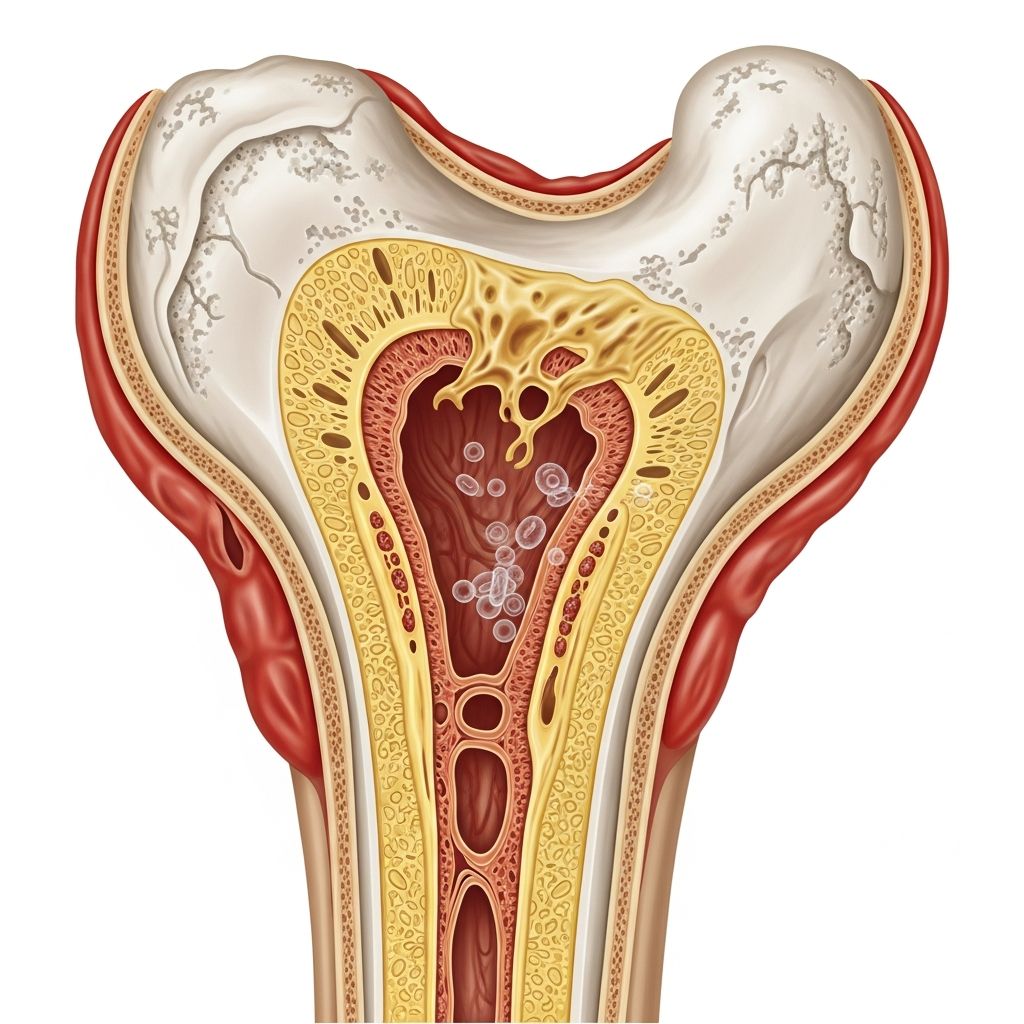
Osteomyelitis is an infection of the bone that can occur acutely or develop as a chronic condition. This serious medical condition arises when bacteria, fungi, or other microorganisms invade bone tissue and trigger an inflammatory response from the immune system. The infection can develop through various pathways, including through the bloodstream (hematogenous spread), direct inoculation from trauma or surgical procedures, or from adjacent soft tissue infections.
The infection process typically involves bacteria entering and proliferating within the cellular and extracellular matrix of bone. If left untreated, osteomyelitis can spread to adjacent joints, soft tissues, or enter the bloodstream, potentially causing serious systemic complications. While most cases involve a single bone, approximately 5% of osteomyelitis cases affect multiple bones simultaneously.
Types of Osteomyelitis
Understanding the different classifications of osteomyelitis is essential for appropriate treatment planning and predicting outcomes.
Acute Osteomyelitis
Acute osteomyelitis is defined as bone infection diagnosed within four weeks of symptom onset in a previously uninfected bone. This form typically presents suddenly with significant inflammation and systemic symptoms. Acute osteomyelitis predominantly affects children, particularly those under two years of age, though it can occur in adults as well. The condition represents one of the most common invasive bacterial infections in children, accounting for approximately 1% of all pediatric hospitalizations.
Chronic Osteomyelitis
Chronic osteomyelitis represents a more protracted and often indolent disease process. This form is characterized by the presence of a sequestrum (dead bone) and/or relapse of infection in the same bone weeks to years after apparently successful treatment. Chronic infections may develop following inadequate treatment of acute osteomyelitis or can result from persistent drainage, sinus tracts, or long-standing infection without proper resolution.
Causes and Risk Factors
Osteomyelitis can develop through multiple routes of infection, each with distinct epidemiological patterns and associated pathogens.
Routes of Infection
Hematogenous Spread: This is the most common pathway, particularly in children. Bacteria circulating in the bloodstream from a primary infection site lodge in bone tissue and establish infection. This route frequently originates from urinary tract infections, respiratory infections, or other systemic infections.
Direct Inoculation: Trauma, puncture wounds, or surgical procedures can introduce bacteria directly into bone tissue. Common scenarios include nail punctures through the sole of a shoe (often causing Pseudomonas infection) and bite wounds from animals or humans.
Contiguous Spread: Adjacent soft tissue infections or joint infections can spread directly into bone, particularly in areas with compromised blood supply or in patients with vascular insufficiency.
Risk Factors and Predisposing Conditions
Several factors increase the likelihood of developing osteomyelitis:
- Recent trauma or orthopedic surgery
- Presence of prosthetic joints or surgical hardware
- Compromised immune system or immunosuppressive therapy
- Diabetes mellitus
- Sickle cell disease
- Intravenous drug use
- Peripheral vascular disease
- Poor nutritional status
- Chronic wounds or foot ulcers
- Recent dental procedures
Related Stories



Causative Organisms
The specific microorganism responsible for osteomyelitis varies depending on patient age, route of infection, and underlying conditions.
Common Bacterial Pathogens
Staphylococcus aureus is the most frequently isolated organism in both acute and chronic osteomyelitis across all age groups and infection types. This pathogen accounts for the majority of culture-positive cases. Coagulase-negative staphylococci are particularly common in hardware-associated infections and chronic presentations.
Additional common pathogens include Streptococcus species, Enterococcus species, and various gram-negative organisms such as Pseudomonas aeruginosa and Escherichia coli. In pediatric populations, Kingella kingae has emerged as an increasingly recognized pathogen. Specific clinical scenarios predispose to particular organisms: sickle cell patients are at increased risk for Salmonella infections, diabetic patients for Group B Streptococcus, and intravenous drug users for Pseudomonas and Serratia species.
Atypical and Fungal Pathogens
While less common, anaerobic bacteria (particularly Cutibacterium acnes), fungi, mycobacteria including Mycobacterium tuberculosis and atypical mycobacteria can cause osteomyelitis in specific clinical circumstances. Post-bite wound infections may involve Pasteurella multocida or Eikenella corrodens.
Signs and Symptoms
The clinical presentation of osteomyelitis varies depending on whether the infection is acute or chronic and the specific bone involved.
Acute Osteomyelitis Presentation
Patients with acute osteomyelitis typically present as abruptly ill with signs of infection. Common symptoms include:
- Fever, chills, and night sweats
- Localized bone pain and tenderness
- Swelling and erythema over the affected bone
- Warmth over the infection site
- Limitation of movement in nearby joints
- General malaise and fatigue
- Irritability in infants and young children
Systemic symptoms may predominate, particularly in young children, making localization of the infection challenging initially.
Chronic Osteomyelitis Presentation
Chronic osteomyelitis often presents more subtly with persistent or recurrent drainage from sinus tracts, low-grade fever, and intermittent pain. Some patients may experience periods of remission and exacerbation.
Diagnosis
Accurate diagnosis of osteomyelitis requires integration of clinical findings, laboratory results, and imaging studies.
Laboratory Evaluation
Blood cultures should be obtained in all patients with suspected osteomyelitis, as these can identify the causative organism and guide antimicrobial therapy. Laboratory studies may reveal elevated inflammatory markers including erythrocyte sedimentation rate (ESR) and C-reactive protein (CRP). A complete blood count may show leukocytosis.
Imaging Studies
Radiographic imaging is essential for diagnosis and assessment of disease extent. Plain radiographs may appear normal in early acute osteomyelitis but eventually show bone destruction, periosteal reactions, or new bone formation. Magnetic resonance imaging (MRI) is highly sensitive for detecting bone marrow edema and soft tissue involvement early in disease course. MRI also helps identify complications such as abscess formation or joint involvement.
Additional imaging modalities may include computed tomography (CT) for better definition of bone destruction and ultrasound for detecting soft tissue collections in pediatric patients.
Microbiological Confirmation
Bone culture obtained through needle aspiration or biopsy is the gold standard for microbiological diagnosis. Culture confirmation is essential to identify the specific organism and determine antimicrobial susceptibilities, allowing optimization of therapy and appropriate duration of treatment. The decision to obtain bone cultures may be influenced by clinical factors, local resources, and prior diagnostic test results.
Treatment Approach
Treatment of osteomyelitis requires a multidisciplinary approach combining antimicrobial therapy with surgical intervention when indicated.
Antimicrobial Therapy
Initial antimicrobial therapy should provide coverage for the most likely organisms based on patient age, route of infection, and clinical scenario. In most cases, this includes coverage for Staphylococcus aureus, including consideration of methicillin-resistant strains where prevalence warrants. Therapy is typically initiated parenterally with transition to oral regimens once clinical improvement occurs and gastrointestinal tolerance is established.
The duration of antimicrobial therapy varies based on whether infection is acute or chronic and treatment response. Acute osteomyelitis typically requires 3-6 weeks of therapy, while chronic osteomyelitis may require prolonged or indefinite suppressive therapy depending on the individual case.
Surgical Intervention
Surgical treatment plays an important adjunctive role in managing osteomyelitis, particularly in chronic cases or when complications develop. Procedures may include debridement of dead bone, drainage of abscess collections, removal of infected hardware, or reconstruction procedures. Surgical intervention is particularly important for obtaining microbiological diagnosis through bone biopsy.
Frequently Asked Questions
Q: Is osteomyelitis contagious?
A: Osteomyelitis itself is not contagious. However, the bacteria causing the infection could theoretically spread through blood or contact with open wounds. The infection develops within bone tissue and typically does not spread from person to person.
Q: Can osteomyelitis be cured?
A: Yes, acute osteomyelitis can be cured with appropriate antimicrobial therapy and supportive care. Chronic osteomyelitis is more challenging to cure but can often be controlled with a combination of medical and surgical management. The prognosis depends on factors such as timing of diagnosis, organism involved, and patient immune status.
Q: What complications can develop from untreated osteomyelitis?
A: Untreated osteomyelitis can lead to spread of infection to joints (septic arthritis), surrounding soft tissues, or bloodstream (bacteremia or sepsis). Chronic infection may result in chronic pain, bone deformity, or pathologic fractures. Long-term sequelae include growth abnormalities in children.
Q: How long does osteomyelitis treatment take?
A: Treatment duration varies. Acute osteomyelitis typically requires 3-6 weeks of antimicrobial therapy. Chronic osteomyelitis may require more prolonged treatment, sometimes extending weeks to months, and may necessitate suppressive therapy for extended periods.
Q: Can osteomyelitis recur?
A: Yes, osteomyelitis can recur, particularly in chronic cases. Recurrence may occur weeks to years after apparently successful initial treatment. Adequate initial therapy, appropriate surgical management, and good follow-up care help minimize recurrence risk.
When to Seek Medical Care
Immediate medical attention is warranted if you experience sudden onset of fever with severe bone pain, localized swelling and warmth over bone, symptoms following trauma or surgery, or signs of systemic infection. Early diagnosis and treatment significantly improve outcomes and reduce the risk of complications.
Prevention
While not all osteomyelitis cases are preventable, certain measures can reduce risk. These include prompt treatment of infections elsewhere in the body, proper wound care following trauma, sterile technique during surgical procedures, and careful management of chronic conditions such as diabetes that increase infection risk.
References
- Acute Hematogenous Osteomyelitis in Pediatrics — Infectious Diseases Society of America (IDSA) and Pediatric Infectious Diseases Society (PIDS). 2024. https://www.idsociety.org/practice-guideline/bone-and-joint-infections—osteomyelitis/
- Osteomyelitis, Chronic — Johns Hopkins ABX Guide, The Johns Hopkins University. 2024-09-08. https://www.hopkinsguides.com/hopkins/view/Johns_Hopkins_ABX_Guide/540405/all/Osteomyelitis__Chronic
- Osteomyelitis, Acute — Johns Hopkins ABX Guide, The Johns Hopkins University. 2024-09-08. https://www.hopkinsguides.com/hopkins/view/Johns_Hopkins_ABX_Guide/540404/all/Osteomyelitis__Acute
- Osteomyelitis — 5-Minute Pediatric Consult. https://peds.unboundmedicine.com/pedscentral/view/5-Minute-Pediatric-Consult/617506/all/Osteomyelitis
Similar Articles








Read full bio of Sneha Tete